Best Time to Visit Cappadocia: Weather, Balloons & Crowds
Best Time to Visit Cappadocia: Weather, Balloons & Crowds
Plan your Turkey tripIt’s widely believed that the best time to visit Cappadocia is from April to May and September to October. The reasons are pretty straightforward. The weather is stable and comfortable, services are in peak season mood without the peak season crowds and travel quality reaches its peak. Conditions for hiking, hot-air balloon rides and generally and exploring the land are optimal.
In this article, we’ll explore all of this in detail and break down what you can expect from Cappadocia throughout the year, month by month. We’ll also look at the best time for hot air balloon rides, how to combine a trip to Cappadocia with Istanbul, and when to visit based on weather conditions and crowd levels.
Let’s dive in.

Best Time to Visit Cappadocia Overall
The best time to visit Cappadocia is from April to May and September to October as already mentioned. This in general is also the best time to visit Turkey. The weather is stable, visibility high and travel conditions at their best. Daytime temperatures are comfortable, not too hot nor too cold, rainfall is limited and wind conditions favor hot air balloon rides.
But Cappadocia is far more than its hot air balloons. You can hike through its valleys, dine in outdoor restaurants and take private guided tours with ease and comfort. No intense heat weighing you down or heavy rainfall forcing you to stay indoors. Plus, the sunlight is perfect for aesthetic pictures, either from panoramic viewpoints or from hot air balloons, dozens of meters up in the air!
Although these months are considered part of the shoulder-seasons, they are either at the beginning or the end of peak season. This means that most services are still fully operational. Fine-dining restaurants, luxurious cave hotels and private tour providers are easily and readily available.
So, in conclusion, Cappadocia is accessible year-round, but late spring and early autumn offer the most balanced and reliable conditions for a trip.
Best Time to Visit Cappadocia for Hot Air Balloon Rides
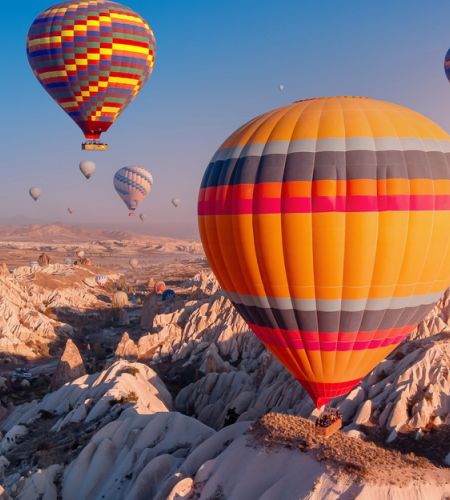
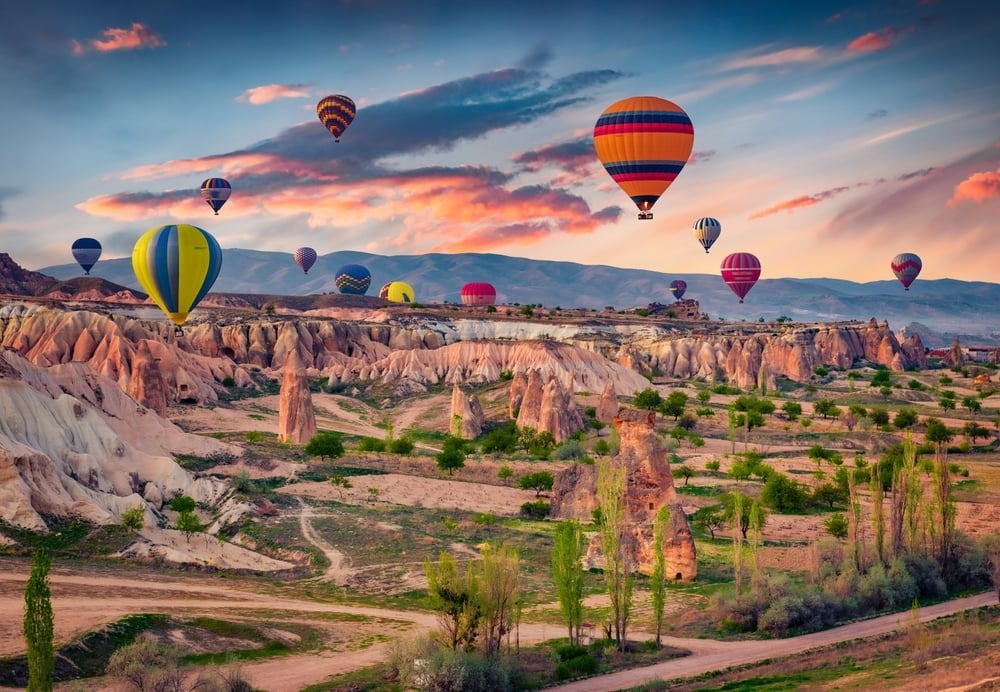
Cappadocia is a beautiful and diverse region, but it's mostly known for the awe inspiring hot air balloon rides, one of the most popular things to do in Turkey. To get the most of them, timing is crucial.
Best Months
April, May, September and October as mentioned above already. Winds are typically within safe operating limits during these months. Also, visibility is much higher and the temperature differences between night and day create stable air layers. This means no bumpy ascents or descents.
Wind Conditions & Visibility
Let’s talk about winds in more detail. Hot air balloons require calm surface winds and clear skies to operate safely and for you to enjoy the ride. Spring and autumn deliver these conditions. Take a hot air balloon in these seasons and you have a much higher chance of spectacular views across Göreme, the Love Valley and the chimney rock formations. Summer mornings could work too, but since heat rises after sunrise, the optimal flight window shortens.
Cancellation Likelihood by Season:
- Lowest: April-May, September-October
- Moderate: June-August
- Highest: December-February, due to wind, snow and low cloud cover.
Sunrise Timing Differences
If you want to take a summer hot air balloon ride, then you should go for an early morning one. Flights start before 5:00 AM, when heat is lower. Spring and autumn offer slightly later sunrises, creating a more comfortable pre-flight experience.
Best Time to Visit Istanbul and Cappadocia Together
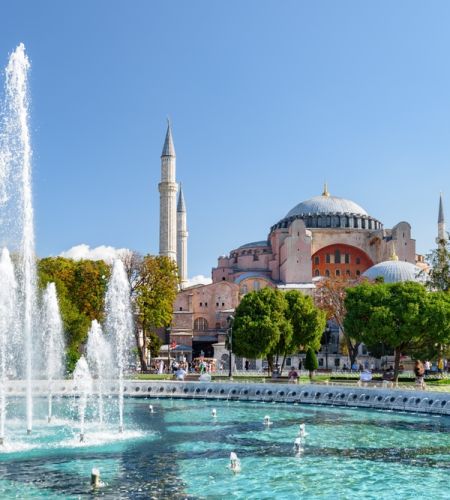
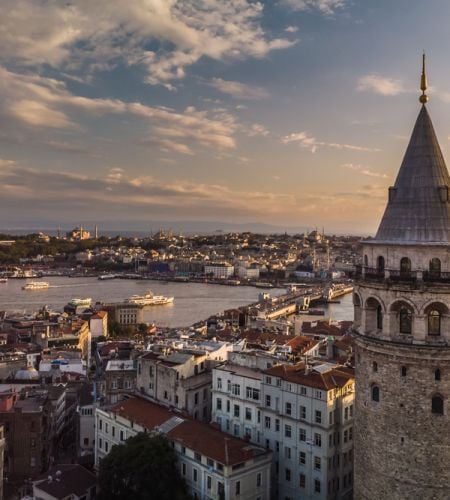
The best time to visit Istanbul and Cappadocia together is April-May and September-October. Both destinations are at their best during these months. Istanbul offers pleasant walking conditions, since temperatures hover around 8 - 25°C depending on the month. Exploring the city and its neighborhoods, waterfront areas and historic sites is much more enjoyable. The same applies to Cappadocia and its famous hot air balloon flights.
Neither destination will be affected by seasonal extremes. Summer brings heat and humidity to Istanbul, and winter in Cappadocia disrupts flight schedules and outdoor plans. Easy to see why early autumn or late spring are the best option.
Also, both locations will offer plenty of cultural events, festivals and exhibitions. Cappadocia especially benefits from the harvest season and ideal flight conditions. So, if you want to combine a vast metropolis like Istanbul with the wild beauty of Cappadocia, then late spring and late autumn are your best options.
Rainy Season in Cappadocia
There isn’t really a rain season in Cappadocia. But, comparatively to other months, March to early May experience the highest rainfall. On average, April is the wettest month of the year. Still, rainfall is typically moderate and not persistent. It usually appears as short showers rather than lingering rain.
As a result, rainfall doesn’t impact general sightseeing. You can take guided valley walks, visit outdoor museums and access viewpoints without much to worry about. Do keep in mind though, that hike routes might be less comfortable to traverse immediately after rainfall. Visibility also recovers quickly once rain passes.
Hot air balloon flights are more sensitive to rain, especially when it’s combined with stronger winds or low cloud cover. Rain alone doesn’t lead to cancellations, but it will make your experience less enjoyable. Spring mornings have a higher chance of weather-related delays compared to autumn. That being said, April and May remain the most reliable months overall due to stable wind patterns.
Summer and early autumn on the other hand, are the driest periods of the year.
How Crowded is Cappadocia?
There is no single answer on that matter. Crowd levels in Cappadocia depend entirely on the season. One reason we stated that early autumn and late spring are the best time to visit Cappadocia is because of the balance between crowds and things to do.
In peak season, tourists flock to Cappadocia and balloon launch areas and viewing spots are popular destinations. Thus, they get very busy at dawn, particularly around Göreme and nearby valleys. After sunset, crowds usually disperse and having a private guide or a tailored itinerary for a trip to Turkey and Cappadocia can help you make the most of it, especially for travelers who also want clarity on broader planning questions such as “is Turkey safe”?
In contrast, November and March are very quiet months. But this also brings fewer hot air balloon flights and an increased level of flight-cancellations due to bad weather. December, January and February are even less crowded. The only exceptions are holiday periods like Christmas, major public holidays like Ramadan Bayrami or school breaks.
Of course, demand for and availability of hotels mirrors crowd levels. Luxury cave hotels operate at full capacity during spring and autumn, so make sure to plan well in advance.
Next up, we will take a look at how Cappadocia looks during each season of the year.

Plan your Turkey trip with a local
Tell us the trip you have in mind. A local expert sends you a personal proposal within 48 hours, free and with no obligation to book.
Cappadocia in December
Winter slowly introduces itself during December. Temperatures drop and by the end of the month can reach -3°C at night. Light snowfall also begins during that time. Prefer to walk around and do activities in the morning to avoid the heaviest cold.
What to Do:
- Visit the Göreme Open-Air Museum late in the morning. The sun will be shining and temperatures will be higher.
- Do you like pottery? Then book a private half-day cultural tour and visit the Çavuşin Village, Pasabag (Monks Valley), and Avanos pottery studios.
- Escape the cold by dining indoors at high-end cave restaurants in Ürgüp or Uçhisar. Enjoy the local cuisine and Anatolian wines.
Cappadocia in January
If you thought December was cold, then wait until January arrives. Temperatures frequently hover at below freezing, with -10°C or -5°C being a common occurrence. It is the coldest month of the year after all and snow is more consistent. Hot air balloon flights are sparse and frequently cancelled, still there are things you can do.
What to Do:
- Visit Derinkuyu or Kaymaklı Underground City, where temperatures remain stable year-round.
- Book a private museum tour focusing on early Christian history and rock-cut architecture. Ideal for cultural travellers.
- Too cold? Then have a private chef experience in your cave hotel in the evening.
Cappadocia in February
Temperatures rise slightly in February. Nighttime remains below freezing at -5°C but it can reach 8°C during the day. Snowfall recedes somewhat but it still covers the landscapes.
What to Do:
- If you want to try a hot air balloon flight, book it for the last days of your stay.
- Take short walks around Uçhisar Castle, for amazing views and photographs.
- Visit local artisan workshops in Avanos.
Cappadocia in March
In March, temperatures range between 5 - 13°C. Snow starts to melt and there is some occasional rain. Valleys open again to travellers.
What to Do:
- Take guided tours through Love Valley or Sword Valley. Make sure they focus on short and well-maintained sections.
- Visit Uçhisar Castle for panoramic views and enjoy the absence of crowds.
- Ürgüp offers itself for sightseeing and wine cellar tasting.
Cappadocia in April
April is a visually rich month. Temperatures continue to climb, reaching 8 - 18°C. Valleys turn green and hot air balloon flight schedules stabilize.
What to Do:
- Perfect opportunity for some sunrise balloon flights. Place them early in your itinerary, so you can reschedule if needed.
- Walk through Rose Valley mid-morning. The light and colors will amaze you!
- Take a guided tour to monasteries and churches carved into rock formations.
Cappadocia in May
By May, Cappadocia is ready for the summer peak season, but without the crowds yet. Temperatures reach 12 - 22°C and rain is limited. Days are getting longer.
What to Do:
- Book private tours and explore Ihlara Valley, Selime Monastery, and underground cities.
- If you are a romantic soul, you will certainly appreciate sunset dining in Uçhisar.
- And if you love taking and sharing photos, then participate in guided photography tours during golden hour.
Cappadocia in June
June signals the beginning of summer. Temperatures average 18 - 28°C and early mornings are still kinda cool and calm.
What to Do:
- Take a hot air balloon flight at sunrise and follow it up with a private breakfast overlooking Goreme Valley.
- Visit the Zelve Open-Air Museum early in the morning.
- Avoid midday heat with wine tastings or spa sessions.
Cappadocia in July
The peak season is here! July is hot, with temperatures often exceeding 30°C and crowds are getting more intense.
What to Do:
- Combine sunrise hot air balloon flights with short valley walks that are done by late morning to avoid the heat.
- Explore underground cities during midday.
- Enjoy late-evening dinners and night photography sessions.
Cappadocia in August
August is not only hot, but dry as well. The number of tourists reaches its peak, but the weather is predictable and activities abound.
What to Do:
- Contact local guides and tourist specialists for private transport and tours. They will make sure you avoid the crowds as much as possible.
- Dine, explore and sightsee early in the morning or post-sunset to avoid the heat.
- Book your stay in cave hotels with natural insulation and shaded terraces. Here again, local experts can guide you to the best options.
Cappadocia in September
September is the month of averages. Temperatures hover around 17 - 27°C, balloon conditions are good, crowds are neither overwhelming nor invisible and accommodations and entertainment options are still fully operational. These are the main reasons why September is included in the best time to visit Cappadocia options.
What to Do:
- Take a hike to the Pigeon Valley. Combine it with a hot air balloon flight to maximize views!
- If you have a soft spot for whine, then visit nearby vineyards, since harvest season is beginning.
- Schedule some private cultural tours focusing on outdoor explorations.
Cappadocia in October
October is also a balanced month, although crowds are much thinner and temperatures lower at 10 - 20°C. Tourist operations are also winding down, but there is still a wide range of options available.
What to Do:
- Hike Red Valley to Çavuşin in the late morning. This is the time when rock formations show their strongest color contrast.
- Schedule a private sunset dinner at a hilltop restaurant overlooking the Göreme Valley. Dining under the clear skies of Cappadocia is a unique experience.
- Take a long hot air balloon flight, followed by a champagne breakfast in private launch areas.
Cappadocia in November
November marks the transition to winter. Temperatures drop to 5 - 15°C and visitors almost disappear. The weather is still dry, but mornings are cooler and daylight shortens.
What to Do:
- Arrange a private wine tasting, with Central Anatolian varieties on the forefront. Pair them with regional dishes, ideally in Ürgüp.
- Walk Pigeon Valley from Uçhisar toward Göreme.
- Outdoor dining options are limited, so spend your evenings indoors at cave hotels by fireplaces.
Conclusion
To sum up, the best time to visit Cappadocia is late spring and early autumn. Or to be more specific, April - May or September - October. These months offer the most balanced conditions regarding weather, crowds, accommodations and cultural and entertainment options. Not to mention the increased availability of hot air balloon flights!
Still, Cappadocia is an expansive and diverse region that has much to do. You can still visit it throughout the rest of the year and you will not be left wanting, as we saw in our month-by-month breakdown. We also talked about combining a trip to Cappadocia with one to Istanbul and discussed whether Cappadocia has a rainy season or not. It does in a way, March to early April but rainfall isn’t particularly disruptive in any way.
If you want to experience Cappadocia firsthand, start planning your trip to Turkey now!
Tailor-made Turkey trips to start from
A starting point — every trip is fully personalized to you by a local expert.