
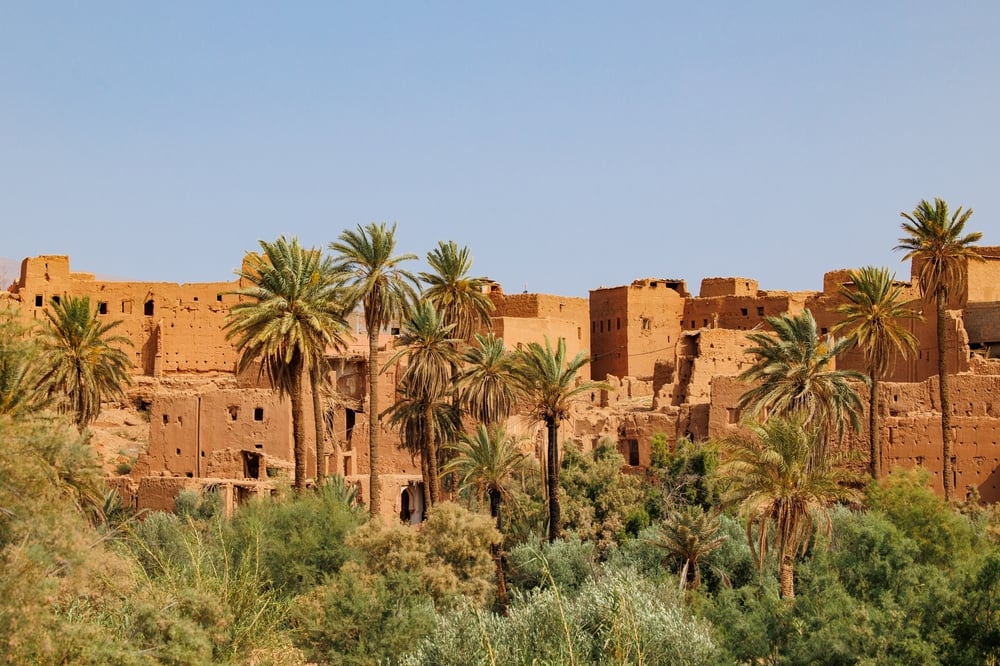
Best Time to Visit Morocco: A Season-by-Season Guide
Find inspiration, guides and stories for wherever you're going
Best Time to Visit Morocco: A Season-by-Season Guide
Plan Your TripThe best time to visit Morocco is during spring (March to May) or fall (September to November). Pleasant temperatures allow easy exploration of the cities, the mountains, and the desert. Given the country's size and varied landscapes, weather conditions vary region to region, so the best time to visit Marrakech is not the same for a desert trek or a beach break on Morocco's coast.
In this guide, we explore the seasons and what you can expect from the country's regions. We also tackle more practical considerations, such as when prices drop, how many days to spend in a place, and why trying to find the one 'perfect' time to visit across the whole country is fruitless.
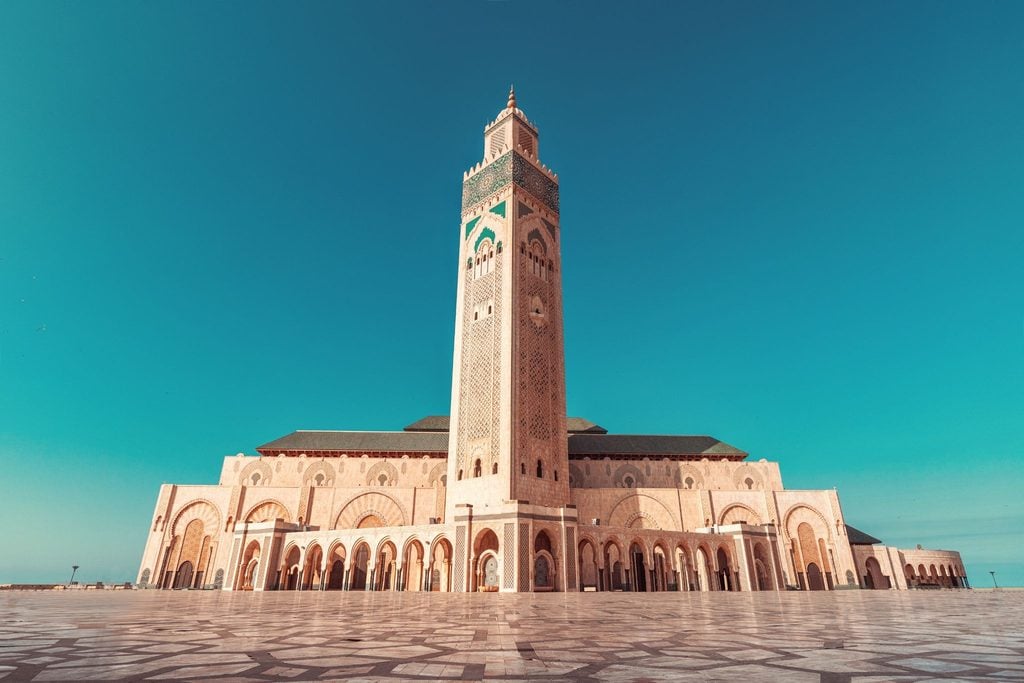
When Is the Best Time to Visit Morocco?
Spring and fall are the best times to visit Morocco, when daytime temperatures in Marrakech and the Imperial Cities average 64°F-79°F (18°C-26°C). Conditions are comfortable enough for a walk through medinas, ascending kasbahs, and lounging at rooftop cafes. These two seasons are also well-synced with the Sahara for optimal travel. While summers can become hazardous and winters very cold, spring and fall are ideal for a Marrakech-centric trip, as well as a visit to Fez or a jaunt into the desert.
Morocco Weather by Month: Quick-Reference Table
Here's a fast way to compare conditions across the year, useful alongside a deeper look at Morocco's weather patterns region by region. Temperatures reflect Marrakech and inland cities. Coastal towns like Essaouira run 10 to 15 degrees cooler in summer.
| Month | Avg. High | Crowds | Prices |
| January | 63°F (17°C) | Low | Low |
| February | 66°F (19°C) | Low | Low |
| March | 72°F (22°C) | Moderate | Moderate |
| April | 77°F (25°C) | High | High |
| May | 84°F (29°C) | High | High |
| June | 93°F (34°C) | Moderate | Moderate |
| July | 100°F (38°C) | Moderate | Moderate |
| August | 99°F (37°C) | High (domestic) | High (coast) |
| September | 90°F (32°C) | Moderate | Moderate |
| October | 82°F (28°C) | High | High |
| November | 73°F (23°C) | Moderate | Moderate |
| December | 66°F (19°C) | High (holidays) | High (holidays) |
Spring in Morocco (March-May)
Spring brings pleasant weather with verdant valleys and all the almond and rose trees across the country in full bloom. Temperatures graduate during the day from the low 70sF in March to mid-80sF by May, and, aside from a handful of occasional, short-lived showers, the skies are clear. At high altitude, snow melts and creates striking contrasts to the vistas below that are already open to trekkers and walkers. At night, it cools to comfortable temperatures, and with no extremes of heat, spring is one of two peak periods to visit Morocco.
What Spring Is Best For
Hiking, seeing wildflowers, and taking it slow in small towns are all things that you can do in spring. The Anti-Atlas region turns green and becomes quiet. The M'Goun Valley has a rose festival in May, which is a local celebration, and the bird migration reaches its peak along the coast. For example, in Oualidia, a small coastal village, the lagoon is full of birds during spring, a nice pocket of Moroccan nature and wildlife tucked into a spring itinerary.
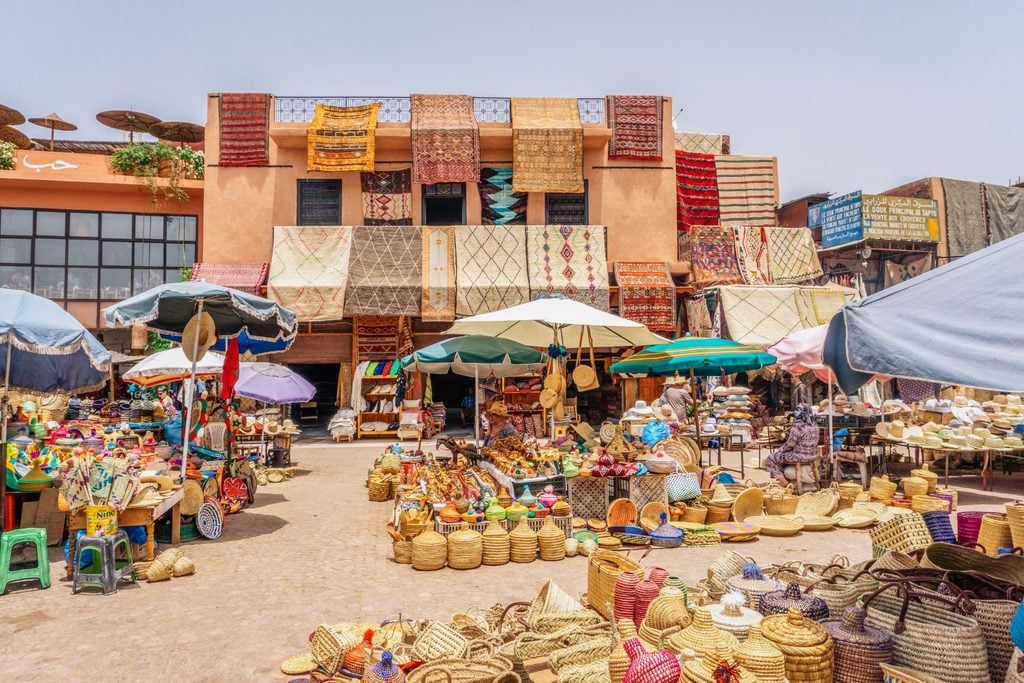
Fall in Morocco (September-November)
Fall in Morocco is much the same as spring in terms of temperatures, but after the heat of summer it's a welcome change. September is warm, with temperatures often reaching the low-90s°F during the day and falling to around 60F-65F at night. By October and November, temperatures have dropped further to the mid-70s°F during the day and cool right down at night. It's a beautiful time to visit Morocco, and although it's still very much a dry season, the skies are generally clear of dust, and rain is still very rare.
Why September Might Be the Single Best Month
In September, after the mass departure of summer tourists and before the rush returns in October, it makes for a wonderful trip. Warm, sunny days, cool nights, and the coastal waters are still warm enough to take a dip. The cities of Essaouira and Rabat are less congested than in spring, and all the sights and cafes are less crowded.
Summer in Morocco (June-August)
Summer is without a doubt the most intense season in Morocco. Temperatures are extreme and can shoot up quickly during the day. And yet, in just a few hours, one can travel from a sizzling hot interior to a cool, ocean-breeze-laden coast. Summer is the season of extreme contrast throughout Morocco, determining the destination of choice and what activities can be most suitably enjoyed.
Inland Heat vs. Coastal Relief
Marrakech and Fez can experience temperatures over 100°F (38°C) in July and August and can be quite unbearable during the day. In the desert, it can get even worse, which is why most of the desert camps are closed during the summer and only reopen in October. On the coast, the temperatures are entirely different. In June and July, temperatures only reach the high 70s°F and drop at night. In Essaouira and Agadir, it can get chilly with a fog rolling in during the summer months.
When Summer Actually Makes Sense
A coastal trip is where summer makes the most sense. The beach trip might also coincide with festivals and fairs held throughout Morocco in June. Major events, such as Rabat's Mawazine World Music Festival or Essaouira's Gnaoua World Music Festival, fill the summer with countless parties, all day long, every day of the week. Morocco's beach towns get packed with domestic tourists during July and August. Reserve your hotel early to ensure availability.
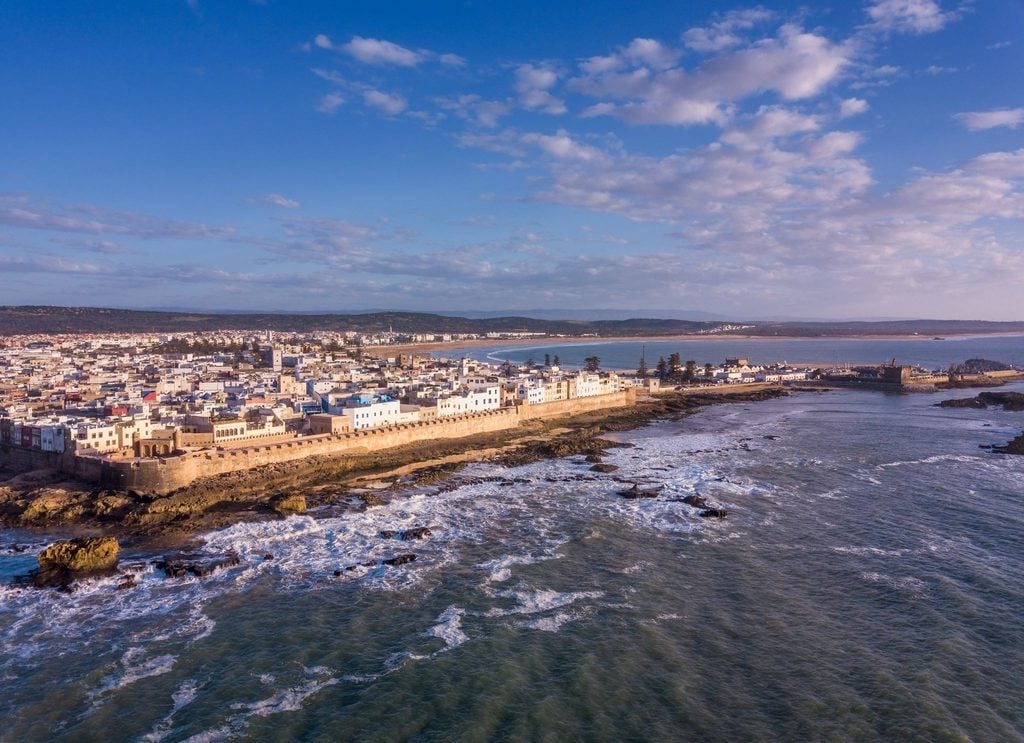
Winter in Morocco (December-February)
In the cities of Morocco, winter is typically quite mild during the day, with lows in the 60sF, and can be cold at night. In riads without heating, this can be a problem. The north of Morocco experiences more rainfall in the winter than at any other time of year. A rainy day or so can be expected from time to time, but it is not usually a problem for travelers. The desert can have very mild days and very cold nights, so preparation for extremes is necessary.
Skiing, Surfing, and Desert Nights
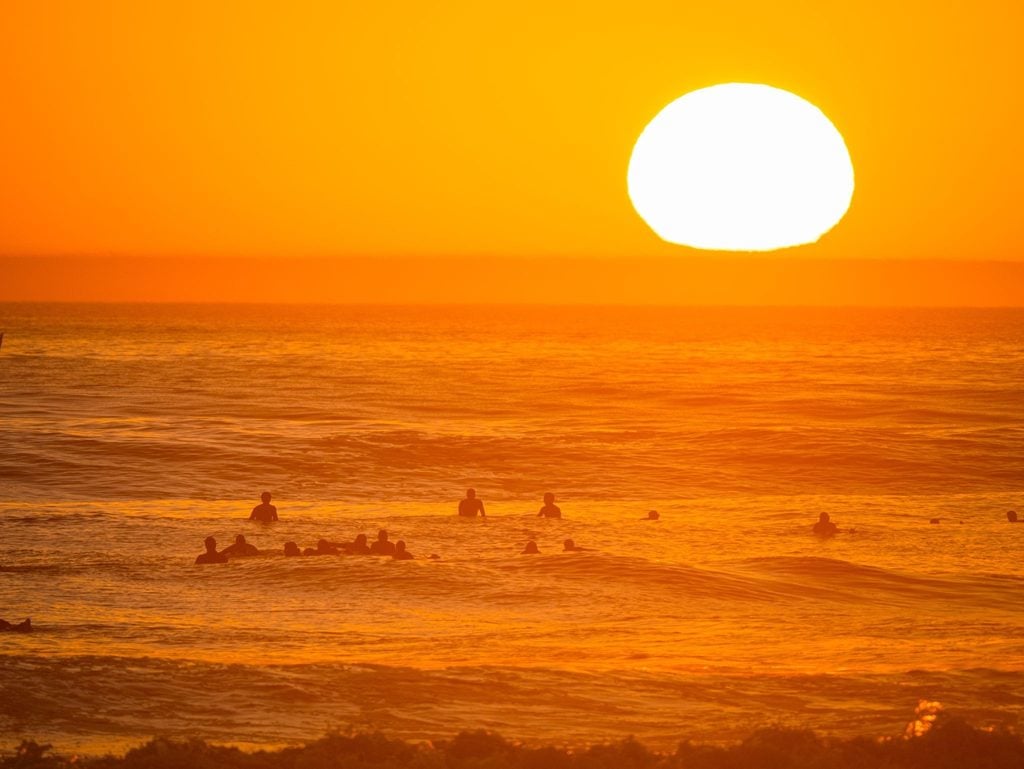
The High Atlas gets real snow in winter, making Oukaimeden a small but perfectly formed ski resort and an easy add-on for Morocco adventure travel. Meanwhile, the Atlantic swells peak between December and February, drawing surfers to Taghazout and Mirleft. In the Sahara, Oases are beautiful in the day but can get very cold at night, so make sure you have lots of layers to keep you warm for your camping adventure.
Best Time to Visit by Region
Morocco is made up of many regions, and thus it doesn't have a single best month. For example, while Marrakech can be wonderful in the spring and fall, the Sahara Desert can feel scorching hot during the same time, or the coast can be too cool. Below we have outlined the best time to visit each region. Remember to look at the individual destinations that you are interested in visiting to plan your trip.
Marrakech and the Imperial Cities
The best time to visit the Imperial Cities is spring and fall. During these months, Marrakech enjoys pleasant temperatures, and there is plenty of time to explore the souks and other highlights of cultural and historical Morocco. Summer can be extremely hot, even at night, while winter is mild during the day but cool at night, and you will need to wear warmer clothing in the evenings as riads do not have central heating.
The Sahara Desert
It is spring and fall in the desert when it is warm enough during the day to enjoy the outdoors, and cool enough at night to sleep comfortably outside of a tent. It is perfectly possible to go camping in the desert in December and January, as long as you have the proper clothing for the very cold nights. Summer, however, is a very different story. It is extremely hot, and the heat can be dangerous. Desert camps are generally closed for the summer, and long-distance trekking is rarely possible.
The Atlas Mountains
The Atlas Mountains are a year-round destination with different conditions during the seasons. For hiking, April to June and September to November are best. Winter is very cold, with deep snow on the high peaks making Oukaimeden a small but good ski resort. Summer is hot at lower levels but ok for hiking with an early start. If a trip to Morocco is on your mind, Tailored By Locals can match you with a local expert who builds your itinerary around the season and pace you want.
The Atlantic Coast (Essaouira, Taghazout, Agadir)
Summer is high season for Essaouira and along Morocco's Atlantic beaches. Cool sea breezes make it one of the few places in Morocco where the summer months are pleasant. The biggest surf of the year rolls in during the winter months, drawing experienced surfers to Taghazout and its surrounding beaches. During the spring and fall months, the beaches are quiet, with smaller crowds of tourists than in the summer and warmer weather than in the winter, making this a comfortable window for Morocco family travel.
You Can't Optimize for Everything at Once
No single month is ideal for all regions of Morocco. September is a great month for Marrakech and the Sahara Desert, but it is before the fall colors in the Atlas Mountains. A summer trip is best for the coast but rules out the desert. So, the best way to approach this is to list out the regions of Morocco that you are interested in visiting and then determine which region you can prioritize and plan your trip around that.
The Cheapest Time to Visit Morocco
Flights and hotel prices decrease in January, February, and parts of November as they are outside of the peak travel seasons for the spring and fall. They also do not coincide with the winter holidays. This time of year is warm during the day in the coastal and desert regions and cold at night. You can save a lot of money by visiting a couple of weeks outside of the peak season.
What Drives Price Spikes (Christmas/New Year, Easter, Eid)
The final week of December and the first week of January are another very expensive period of the year. International and Moroccan travelers flock to Marrakech in search of end-of-year celebrations. Easter is another very expensive time for flights and hotels as European travelers in particular flock to Marrakech. Fortunately, the dates of Eid al-Fitr and Eid al-Adha are fixed on the Islamic lunar calendar and are therefore identifiable in advance as to whether they coincide with your trip.
Traveling During Ramadan
Ramadan is a month that usually starts about 11 days earlier each year. This means you will have to check the current year's calendar before booking your trip. Restaurants and cafes usually close during the day in Ramadan, and people return to their homes in the evening to break their fast and then go out to enjoy the rest of the evening. It's a lovely time to visit Morocco, a little less touristy than the usual months of summer, but worth weighing against the country's general safety picture before you commit to those dates.
How Many Days Do You Need in Morocco?
A short trip from Marrakech to one nearby region, such as the Atlas Mountains or a short desert trip can be done in 5 to 7 days. A trip that wants to cover more ground, such as Marrakech, Fez, the Sahara, and the coast, generally needs 10 to 14 days to avoid spending too much time on the road. Even a short trip can be worthwhile, but most places will require more time to properly explore than a short trip allows.
Light, Photography, and the Season You Won't Read About Elsewhere
Air quality and light conditions change greatly throughout the seasons of Morocco. In spring (March to April), the air is hazy with dust and sand from the Sahara, making the views blurry and the sunsets less colorful. The winter months (November to February) are known for the clearest air of the year. The views of the mountains are sharper, and the golden hour light over the dunes is richer and more intense.
Finding Your Best Time to Visit Morocco
The best time to visit Morocco really depends on how you want to spend your time here. For the majority of travelers, spring and fall are the best times to visit Morocco. For those looking for a beach vacation in Morocco, summer is best. And for the surfers, skiers, and all others looking for a quiet time with great light, winter is the best time to visit.
Talk to a local Tailored By Locals expert to build an itinerary around the season that actually fits your trip, timed and sequenced using current, on-the-ground conditions rather than generic averages.