Is Croatia Expensive? A Complete 2026 Cost Guide
Is Croatia Expensive? A Complete 2026 Cost Guide
Plan your Croatia tripIs Croatia expensive? To some extent, it can be agreed that the country is a moderately expensive European destination, especially along the coast. Although it still is generally more affordable than Western European countries like Italy or France, prices during the peak summer season can be at the level of major Mediterranean hotspots.
Areas such as Dubrovnik, Hvar, and Split experience huge price hikes from June to September, especially in the case of luxury accommodation, seafood restaurants on the waterfront, and private boat excursions. On the contrary, cities located inland and traveling during the off-season usually provide better overall value for money without losing the quality.
In this article, we will explain what kind of expenses on luxury hotels, gourmet restaurants, private car tours, exclusive activities, and island holidays you can reasonably expect to have as well as how prices differ from one region to another. We will also directly compare Croatia to Italy, so you get an idea of its position in the Mediterranean luxury travel scene.
Planning a Croatia getaway? Get a tailor-made itinerary designed by locals. See all of our Croatia Vacation & Tours!
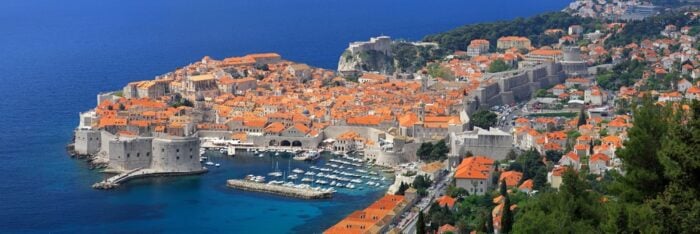
How Expensive Is Croatia Overall?
Croatia is nowadays a mid-to-high level price European destination, especially after the euro adoption and with the growing demand for Adriatic travel. If you are looking for a luxury travel experience in Croatia, in upscale hotels, private transfers, yacht charters, and fine dining in Croatia, the country is priced equally to the well-established Mediterranean countries. Prices differ a lot depending on the area and season, with summer in the main coastal cities being the most expensive.
Here's an approximate idea of how daily expenses generally work out:
- Traveling on a budget: 50-80 per day
- Traveling on a mid-range budget: 100-180 per day
- Luxury travel: 250+ per day
Several factors such as Croatia's euro adoption, strong international demand for the country, limited luxury accommodation on the islands, and a growing reputation as a premium Mediterranean destination are pushing prices up gradually. It is the coastal tourism, especially in Dubrovnik, Hvar, and parts of Split, which causes the sharp increase in prices during the peak season, whereas the prices in the inland ones are still fairly moderate.
Now, let's examine how these costs are allocated to accommodation, dining, transportation, and curated experiences.
Is Croatia Expensive for Tourists? Cost Breakdown by Category
The overall cost of planning a Croatia vacation depends pretty much on the type of trip you want to have. For example, if you are looking for more bespoke and luxurious experiences, then Croatia can be very similar to other Mediterranean countries. High-end accommodations or coastal destinations like Dubrovnik are much more expensive than inland mid-range hotels.
Let’s take a more detailed look.
Accommodation Costs
Accommodation accounts for the biggest variations in prices when it comes to Croatia. Apart from hostels (€20-40 per dorm bed) and budget hotels (€70-120), the majority of visitors looking for comfort tend to go for highly-rated boutique or waterfront hotels in the €130-250 range. Luxury hotels and private villas will normally set you back €300 per night and can easily exceed €800+ during the peak season, especially if you are getting a sea view or are located in a prime area.
In July and August, prices can sometimes be 30 to 50 percent more expensive than the shoulder months. Dubrovnik and Hvar have always been the most expensive places to get accommodation, especially in the old centers and on the waterfront where there is a very limited supply of rooms compared to the demand.
Is Food Expensive in Croatia?
Croatia has developed into a strong Mediterranean food and wine destination, with prices depending on the region as well as the kind of restaurant.
A straightforward bakery meal can go for about €3-6, whereas a meal at a casual restaurant would usually be around €15-25 per person. In good restaurants, a two-course dinner usually starts at €30-50+, and in addition, tasting menus and wine pairings can be quite expensive in coastal holiday resorts.
Places where tourists are concentrated usually have high prices for average products, while traditional konobas located just outside main squares offer better prices and more authentic food.
Grocery prices are a bit cheaper than Western Europe.
Transportation Costs
Traveling in Croatia is safe, easy, and doesn't cost a fortune compared to the rest of the trip. Intercity buses are usually priced at around €10-30 depending on how far the destinations are and they quickly link the major cities. Ferry rides to the islands cost about €5-25 per passenger. If you want to take your car, the price will go up.
Car rental prices go up significantly during the summer as it is the peak demand period, especially on the islands and the Dalmatian coast. In touristic cities, Uber and taxis are almost everywhere and their prices are fairly okay when compared to Western European standards, although you should expect to pay more for short Old Town trips during the high season.
Activities & Attractions
Activity costs can really pile up fast, especially if you are heading to some of the best places to visit in Croatia during peak season.
Going on a private guided tour around Dubrovnik and Dubrovnik City Walls costs around €35+, which makes it one of the most expensive single sights in the country. The National Parks like Plitvice Lakes National Park have seasonal pricing, with the summer peak tickets being significantly higher than those of the shoulder months.
Boat tours cost between €40 and 100+ depending on the duration and exclusivity, whereas private charters usually have higher prices.
Still, many of the top things to do in Croatia's most iconic and picturesque spots are free, such as beaches, historic old towns, waterfront promenades, and hiking trails offering stunning views.
Planning a Croatia getaway? Get a tailor-made itinerary designed by locals. See all of our Croatia Vacation & Tours!
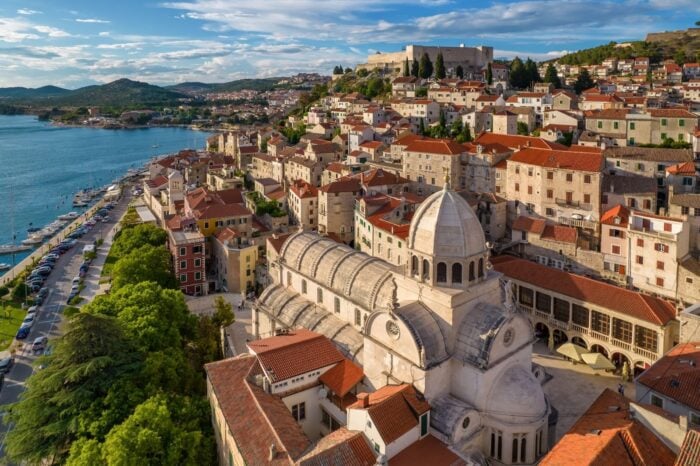
Is Dubrovnik Expensive?
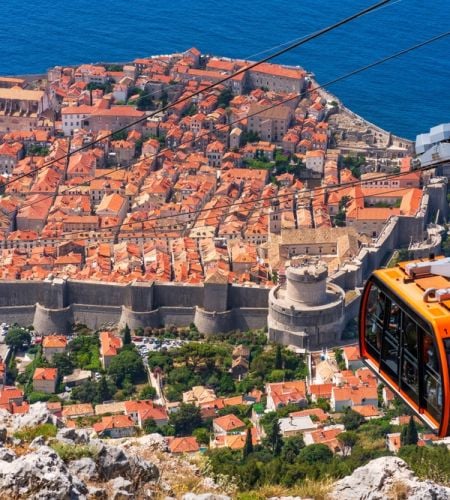
Indeed, Dubrovnik is the priciest city in Croatia. Its worldwide recognition, the scarcity of space in the Old Town, and the constant arrival of cruise ships ensure a very high demand, especially from May to September. The price of accommodation is undoubtedly at a premium, with boutique hotels and sea-view properties fetching some of the highest nightly rates in the country.
Similarly, restaurant prices are higher, particularly on Stradun and near the harbor, where the location greatly affects the menu and pricing. Dubrovnik is also one of the most sought-after destinations in Croatia for honeymoons, particularly in summer when sea-view boutique hotels and private sunset dinners create a romantic setting
Major attractions, which are often listed among the top things to do in Dubrovnik, have some of the highest ticket prices in Croatia. Cruise ship arrivals may at times cause an increase in both the number of people and prices in the very central parts.
Is Split Expensive?
Split is moderately expensive, especially in summer, but overall it is usually cheaper than Dubrovnik. Being the second largest city in Croatia and a big ferry hub, it has a large selection of accommodation to cater for different tastes and budgets, from boutique heritage hotels inside the old town to luxury seaside hotels. Prices go up considerably from June to September, particularly around the historic center and the waterfront promenade. This is why choosing the best time to visit Split can make a noticeable difference in your overall budget.
Food and drink prices depend on the location. Restaurants located inside and around the palace area will charge you more during the high season. On the other hand, the rest of the city offers you a lot more price options than the small island destinations. Split’s function as a gateway to the islands is another factor that affects seasonal demand, the highest prices correspond to ferry and yacht traffic.
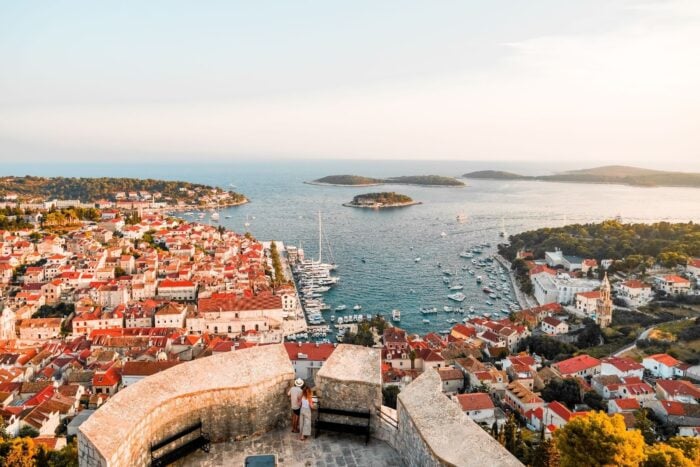
Is Hvar Expensive?
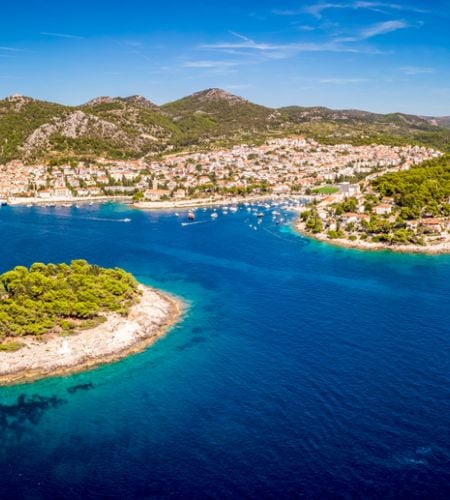
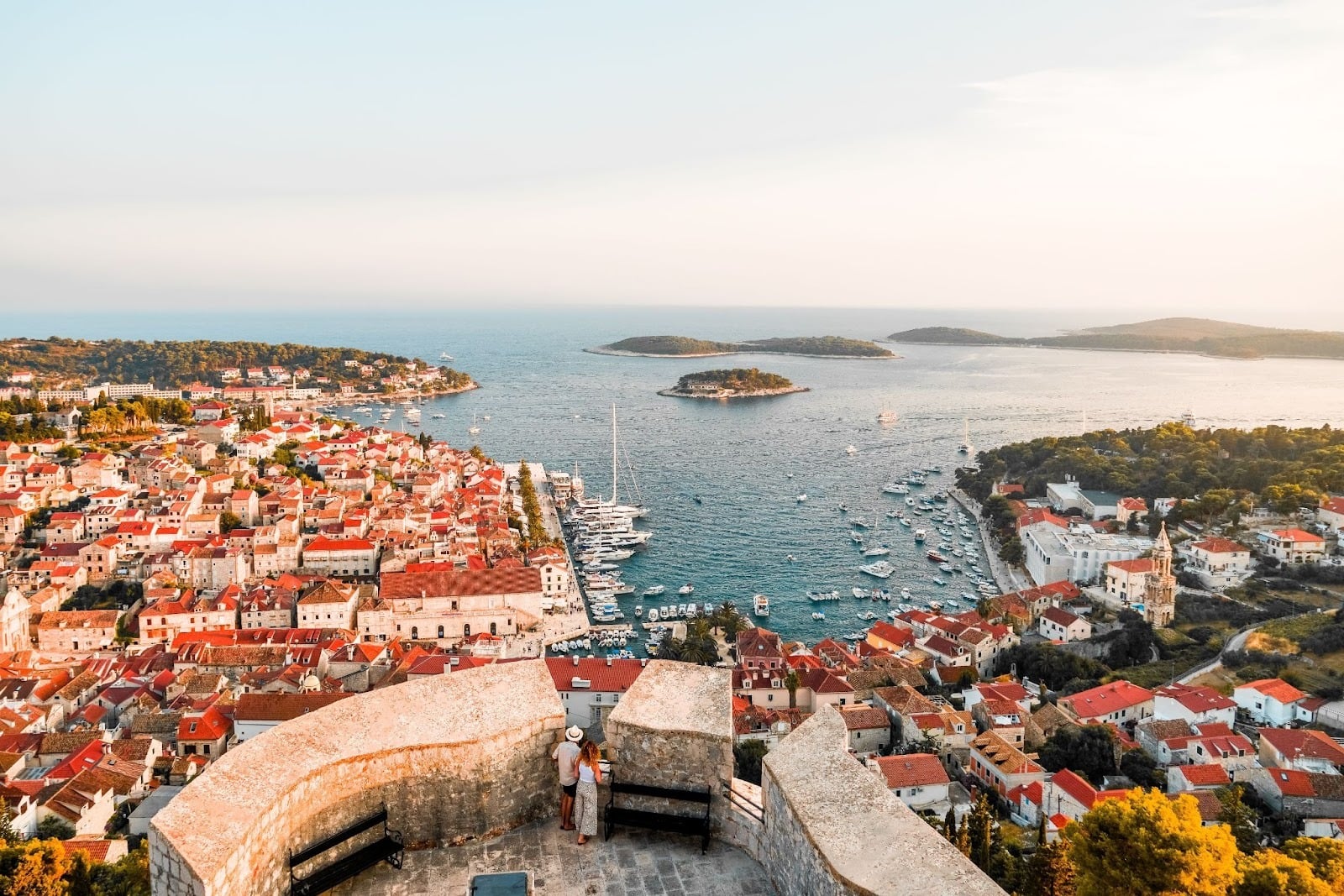
Hvar is among the priciest places in Croatia, especially during the summer peak. The island has a reputation revolving around exclusive beach holidays, nightlife and yacht culture, which is why it draws a wealthy international crowd. The cost of accommodation skyrockets from June to August, most notably in Hvar Town where boutique hotels and private villas are two of the main luxury options.
Restaurants and beach clubs on the island are a direct reflection of the area's luxury status, with prices for meals and experiences at the water's edge in line with this. During the busiest weeks, the demand significantly surpasses the supply resulting in prices that are even higher than those of many mainland cities. Opting for accommodation outside Hvar Town or planning your visit in the shoulder season is generally a great decision in terms of value without compromising the island's unique charm.
Planning a Croatia getaway? Get a tailor-made itinerary designed by locals. See all of our Croatia Vacation & Tours!
Plan your Croatia trip with a local
Tell us the trip you have in mind. A local expert sends you a personal proposal within 48 hours, free and with no obligation to book.
Is Croatia More Expensive Than Italy?
Overall, Croatia is slightly less expensive than Italy, although the difference in prices has become significantly smaller in the last few years. In the most beautiful beach locations, the difference can be almost non-existent.
Places to stay along the Croatian seaside, particularly in Dubrovnik and Hvar, have recently matched the prices of certain parts of the Amalfi Coast or Venice for boutique and sea-view properties. Meals are also becoming similar in price. Entrance fees in Croatia are less expensive than most Italian landmarks, especially if you compare them to Rome.
Central Croatia is still cheaper than Northern Italy, especially if you are out of the main towns. All in all, Croatia presents moderate savings, but in popular coastal holiday spots, the cost level is now well within the premium Mediterranean price range. This is the main reason why Croatia is worth visiting over other countries in the region.
When Is Croatia Most Expensive?
Croatia reaches its highest prices in July and August. These months are the most popular summer vacation period and therefore accommodation, dining and private experiences prices increase almost everywhere along the coast. In Dubrovnik, Hvar and parts of Split the prices can very much increase and the most luxurious premises often get fully booked weeks in advance. Moreover, Dubrovnik cruise ship days add to the already high visitor numbers and thereby temporarily boost demand for restaurants and also lead to their being more expensive, especially inside the Old Town.
Music festivals and large summer events, especially on the islands, also cause a rise in prices because of limited availability of rooms.
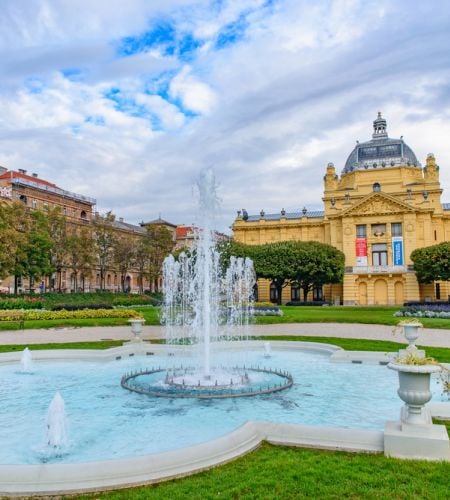
However, the best time to visit Croatia, meaning the shoulder seasons of May to June and September to October, as the weather is still warm and all destinations much quieter. These shoulder seasons are also ideal for senior travel. Winter is the most affordable time and visiting Croatia in January or February can be a smart option for travelers looking for lower accommodation prices and fewer crowds. This is why winter is a good time to plan city breaks in Zagreb or other places.
Sample Daily Budget Scenarios
Below are three hypothetical daily spend examples to show how costs vary depending on destination, season, and level of comfort.
Backpacker in Split (Shoulder Season)
- Accommodation: €30 (hostel dorm)
- Food: €25 (bakeries and casual dining)
- Transport: €10 (local buses)
- Activities: €15 (walking tours, small entry fees)
Total per day: ~€80
Mid-Range Couple in Dubrovnik (Summer)
- Accommodation: €150 (boutique hotel in or near Old Town)
- Food: €70 (seafood dinner + wine, light lunch)
- Transport: €20 (airport transfer + local taxis)
- Activities: €50 (city walls + guided experience)
Total per day: ~€290
Family of Four Island Trip in Hvar (Peak Season)
Croatia can be an excellent choice for family travel, especially when planning villa stays and private boat outings during the warmer months.
- Accommodation: €350 (private villa or premium suite)
- Food: €150 (restaurants + beach club lunch)
- Transport: €60 (ferry + car rental)
- Activities: €150 (private boat half, day)
Total per day: ~€810
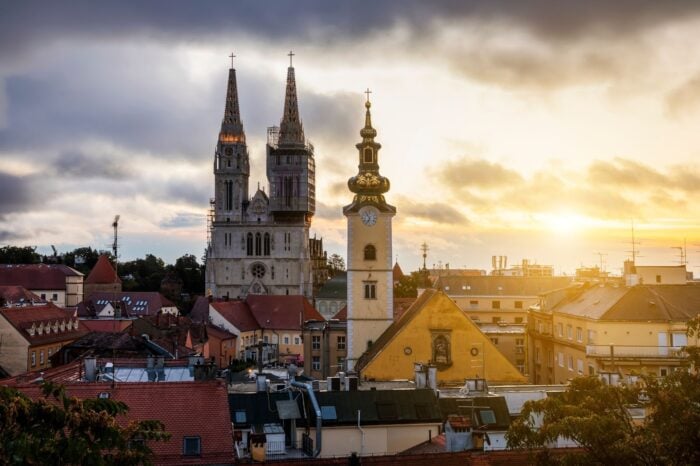
Alttext: Zagreb skyline at sunset featuring Zagreb Cathedral’s twin spires and historic church towers rising above red rooftops.
So, Is Croatia Expensive?
Is Croatia expensive? If we talk about the time of summer holidays and the coast, it can be a bit. The hotspots like Dubrovnik and Hvar are running their prices strictly on the level of the premium Mediterranean price range for the period between June and August, so you can expect high prices especially for staying in hotels on the waterfront, dining at the most high-end restaurants, and private boat experiences.
Apart from the summer months and especially if you go inland or during the shoulder season, the prices get a lot more reasonable, and you can still expect good service and an excellent overall experience. Croatia still tends to be relatively less pricey when compared to many Western European countries, even though the difference in price is definitely not as big as it used to be.
If you already know exactly what you want from your Croatia journey, share it with Tailored by Locals. A local expert will create a completely private trip plan just for you, based on your travel style, preferred pace, and the things you like most.
Planning a Croatia getaway? Get a tailor-made itinerary designed by locals. See all of our Croatia Vacation & Tours!
Tailor-made Croatia trips to start from
A starting point — every trip is fully personalized to you by a local expert.