
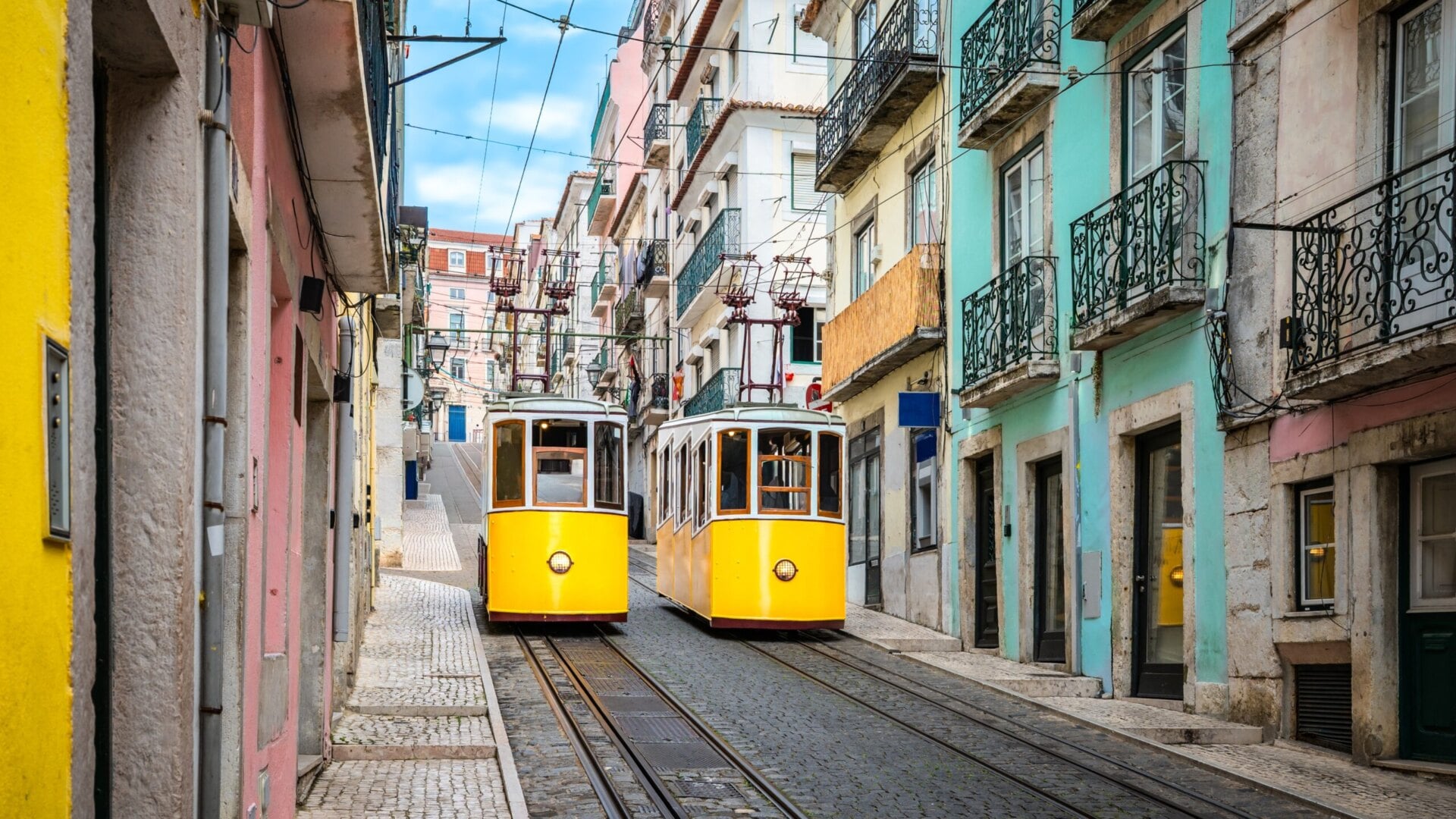
Is Portugal Safe? A 2026 Safety Guide for Travelers
Find inspiration, guides and stories for wherever you're going
Is Portugal Safe? A 2026 Safety Guide for Travelers
Plan Your TripIs Portugal safe? Yes. Portugal is one of the safest countries in the world. Most tourists have a safe and trouble-free visit to the country. The odd crowded tram or an overpriced airport transfer is about as hazardous as things get. Violent crime against tourists is rare and generally not a problem for visitors or locals.
Actually, most problems that occur with tourists are not related to crime. Roads, strong currents, and forest fires cause more trouble than pickpockets. In this guide, we bring you the most up-to-date information about the safety situation in Portugal. We offer tips and advice for Americans and solo women, a city-by-city view, info on tap water, local law, and the safest time to visit Portugal.
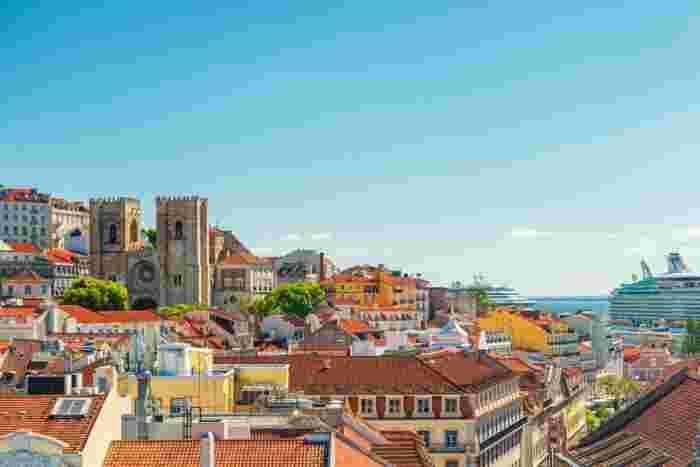
Is Portugal Safe to Visit in 2026?
Portugal is very safe for tourists in 2026. Every major government rates it at its lowest risk level. Currently, it ranks 7th out of 163 countries in the Global Peace Index for 2026.
Here are the key facts at a glance:
Yes, you can safely travel to Portugal in 2026. We explain the numbers behind this in the following article.
How Safe Is Portugal? What the Latest Data Shows
Portugal is a very safe country by any international measure. Three sources tell the story: global rankings, foreign government advice, and Portugal's own crime report.
Where Portugal Ranks Among the World's Safest Countries
Is Portugal a safe country compared with the rest of the world? The answer is clear. Portugal ranks 7th in the 2026 Global Peace Index, up one place from the year before. The index scores 163 countries on 23 measures, including crime, violence and political stability.
Portugal sits ahead of many popular destinations. Here is how it compares:
| Country | 2026 GPI rank |
| Iceland | 1st |
| Ireland | 5th |
| Portugal | 7th |
| Spain | 27th |
| Italy | 35th |
| United Kingdom | 39th |
| United States | 128th |
For American travelers, the gap is worth noting. The United States ranked 128th in the same index.
What Official Travel Advisories Say
Foreign governments confirm the rankings. The U.S. State Department ranks Portugal as Level 1, its lowest level. The last update was in December 2025. Canada and Australia suggest that travelers should take normal safety precautions.
Portugal’s national terrorism alert level is at 3 out of 5, or significant, in relation to events unfolding in other parts of Europe. There have been no attacks in Portugal in recent times.
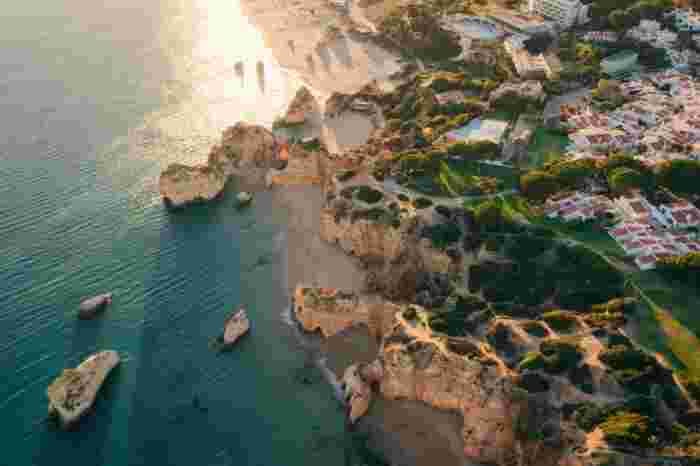
What Portugal's Own Crime Report Reveals
Portugal's Annual Internal Security Report for 2025 shows a stable picture. Police received 365,802 crime reports, up 3.1%. The government links most of that rise to more police checks, such as road controls.
Violent and serious crime moved the other way. It fell 1.6% and makes up only about 4% of all reports. Theft remains the most common crime, and property crime accounts for about half of the total.
The two cities most visitors see are improving too. Violent crime fell 3.4% in Lisbon and 8.4% in Porto in 2025.
The Real Risks in Portugal, Ranked
Crime statistics only tell part of the story. When something goes wrong for a visitor in Portugal, it is more likely to happen on the road or at the beach than on the street.
We ranked the main risks by how likely they are to affect you and how serious they can be:
| Risk | How likely | How serious | Where it happens |
| Pickpocketing and bag theft | High | Low | Trams, viewpoints, stations, beaches |
| Car and rental break-ins | Medium | Low | Tourist parking, coastal towns |
| Road accidents | Medium | High | Rural roads, fast highways |
| Rip currents and cliffs | Medium | High | Atlantic beaches, Algarve cliffs |
| Heat and wildfires | Low to medium | Medium | Interior, June to September |
| Strikes | Medium | Low | Public transport, nationwide |
| Violent crime | Low | High | Nightlife areas late at night |
Pickpocketing and Bag Snatching
Pickpocketing is the most common crime against tourists. It happens at popular tourist sites, on trains, at outdoor cafes, and on beaches. In Lisbon, for example, the Canadian government identifies Trams 15, 25, and 28 as places with a higher incidence of pickpocketing than elsewhere in the city.
These thefts typically occur when transit doors open, as thieves can then disappear into the crowd. Other common targets for pickpocketing include cruise terminal areas as well as tuk-tuk tours.
Car Break-Ins and Holiday Rental Thefts
Car break-ins happen frequently in tourist locations. Cars with rental stickers or foreign number plates are what thieves look for. If possible, ask your rental company for a stickerless car. Don’t keep any items in the car, including the boot.
There has also been an increase in thefts from apartments that tourists have rented. Lock all doors and windows when you leave, and at night, especially if you are on the ground floor. For a stress-free stay, Tailored By Locals can plan a trip to Portugal with well-located accommodation and local advice at every stop.
Common Scams to Know
Scams in Portugal are, for the most part, relatively trivial, and you can avoid them easily. Typically, these include:
When using Uber or Bolt, check the plate and car number before getting in.
Roads and Driving
Driving is the biggest physical risk most visitors take in Portugal. The country recorded 589 road deaths in 2025, or 55 deaths per million people. The EU average is about 43, according to the European Transport Safety Council.
Local drivers can be fast and tailgate, especially on rural roads. Drive defensively, keep to the limits, and remember these rules:
Most highways have electronic tolls, so set up a toll device or plan before you collect the car.
Beaches, Rip Currents and Cliffs
The Atlantic is cold and powerful. Many tourists underestimate it, even at the best beaches in Portugal, and there are drownings every year. Even good swimmers drown, partly because of the rip currents.
Follow the flags on the beach. A red flag indicates no swimming, and the Maritime Police can fine you. In winter, beaches are not patrolled, so take extra care in spring and autumn.
The cliffs in the Algarve can collapse at any time. Stay behind the barriers at viewpoints and don’t sit too close to the cliff face.
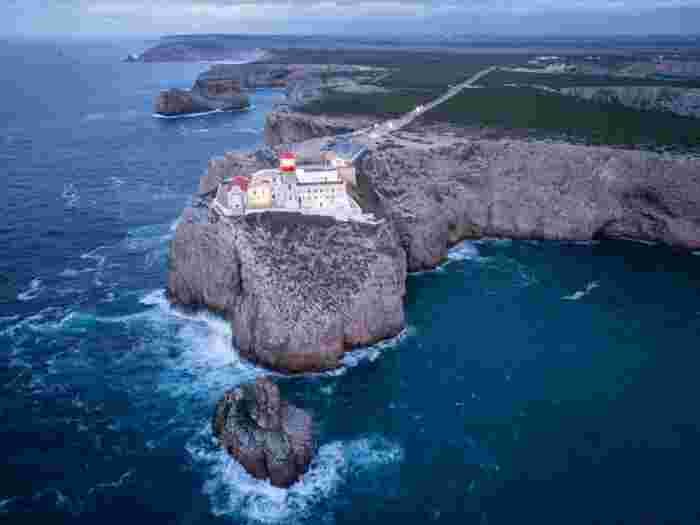
Wildfires, Heat Waves and Winter Storms
Weather in Portugal has become one of the more important factors to take into account when traveling. Wildfires covered 284,012 hectares of land in 2025, more than double than in 2024. The largest wildfire in the country’s history occurred in 2025.
High fire risk generally affects the forested areas, particularly between June and September. In the summer months of July and August, heat waves also strike Portugal. While most tourist areas are safe from fires, smoky conditions and occasional road closures can impact travel plans, especially Portugal nature and wildlife trips in the interior.
In contrast, in the winter months, heavy rainfall can cause significant problems on the country’s roads, with the risk of flooding. Storm Kristin in January 2026 was the costliest storm in Portugal’s history. Check the IPMA weather service for warnings before embarking on long road journeys from October to February.
Strikes and Demonstrations
Strikes are part of life in Portugal. They are usually announced in advance and are almost always peaceful. The main effect on travelers is delay, as buses, trains, metros, ferries and flights can all be affected.
Demonstrations in Lisbon and Porto tend to gather in central squares. They rarely turn violent, but it is still best to walk around them rather than through them.
If a strike is announced, build in extra time. A good local contact can also reroute your day, which leads us to what different travelers should know.
Is Portugal Safe for Americans?
Portugal is generally a safe place for Americans. The U.S. State Department rates Portugal a Level 1. Many Americans visit Portugal each year and feel welcome. In addition, many Portuguese speak English, particularly in cities and resorts.
Register with STEP (Smart Traveler Enrollment Program) to receive important safety and security-related information about Portugal. The U.S. Embassy Lisbon phone number is +351 21 770 2122.
Is Portugal Safe for Women and Solo Female Travelers?
Portugal is generally a safe country for women to travel to. Many women travel solo to Portugal each year and feel safe walking around in most places. The Portuguese are known to be polite and helpful.
Standard nightlife precautions apply in Portugal. These are particularly relevant in the cities of Lisbon, Porto, and the Algarve.
If you need help, call 112. For domestic or sexual violence, the 144 social emergency line has English-speaking operators.
How Safe Are Portugal's Most Popular Destinations?
Safety is similar across the best places to visit in Portugal, but each destination has its own small quirks. Here is a quick comparison before we look at each one:
| Destination | Main thing to watch | Best tip |
| Lisbon | Pickpockets on trams and viewpoints | Ride Tram 28 early or walk |
| Porto | Crowds in Ribeira and São Bento | Wear shoes with good grip |
| Lagos | Summer nightlife and cliff edges | Stay on marked cliff paths |
| Faro | Airport taxis | Use the official taxi rank |
| Madeira | Mountain weather and trails | Book trails and start early |
Is Lisbon Safe?
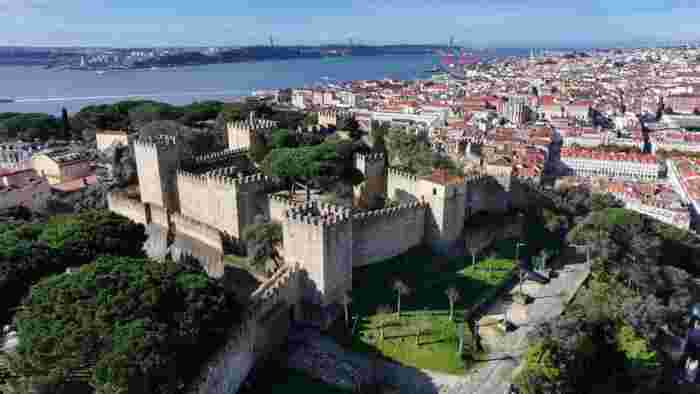
Lisbon, Portugal, is safe for visitors, and violent crime there fell in 2025. Pickpocketing in Baixa, Alfama, Chiado, and on tram lines 15, 25, and 28 is the main issue.
After the Glória funicular derailed in September 2025 and caused 16 fatalities, the historic lifts in Lisbon were closed to the public. So far, there is still no reopening date for the Glória, Bica and Lavra lifts and the Santa Justa elevator. However, the modern Graça funicular has recently reopened. A completely new Glória lift is planned to open in 2029.
At night, Bairro Alto and Cais do Sodré are lively and safe, and a big part of what to do in Lisbon after dark. Pay attention to your open bottles and order a ride through an app to get back to your accommodation.
Is Porto Safe?
Porto is one of the safest cities in Portugal, with an 8.4% drop in violent crime in 2025, more than in Lisbon.
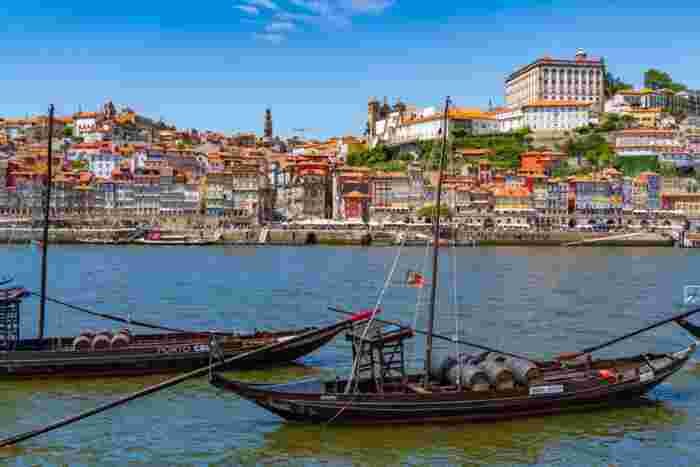
Be mindful of your belongings in the crowded Ribeira area, close to São Bento station, and on the iconic Dom Luís I Bridge. Porto’s hilly streets and slippery stones can be hazardous, so wear shoes with good grip to avoid slipping and falling.
In Porto, it’s easy to move around safely. All metro and train lines are clean and run frequently, all day and into the night. Taxis and ride apps are also easily available, so the top things to do in Porto are easy to reach. If you want a local expert to plan the safest routes for you, Tailored By Locals can build a trip to Portugal around the cities you choose.
Is Lagos Safe?
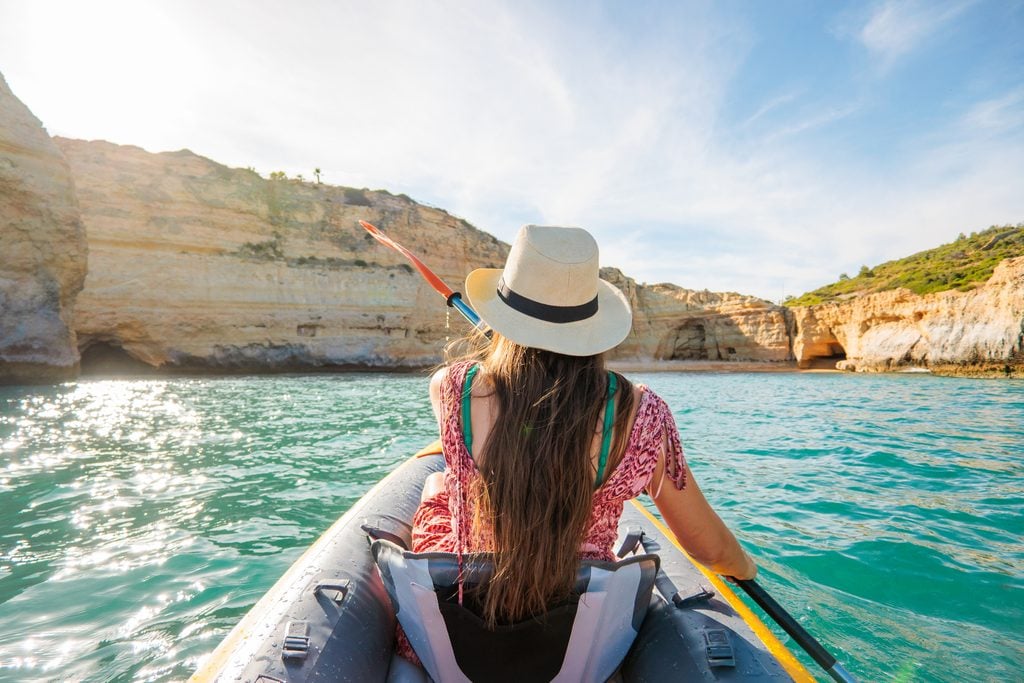
Lagos is safe and a favorite for family travel in Portugal, as well as for surfers and young travelers. Its nightlife can get loud in summer, and most trouble involves drunk tourists rather than locals. Lagos has its own tourist police station if you need help.
The cliffs along the coast are stunning but fragile, and Ponta da Piedade, one of the top things to do in Lagos, is no exception. Stay on marked paths and away from the edges, especially after rain.
Is Faro Safe?
Faro is the regional capital of the Algarve region and is a low-crime town. It is quiet and calm in the evening, with the old walled town a pleasant place to walk, one of the simplest things to do in Faro.
Most visitors flying into Faro Airport will travel to other locations within the Algarve. If traveling to Albufeira in particular, be aware that there is a public code of conduct in place and those found behaving in an unruly manner could face fines of €150 to €1,800. Boat trips to explore the Ria Formosa lagoon from the town’s shores can be booked with licensed tour operators. Make sure to wear the life jacket supplied.
Is Madeira Safe?
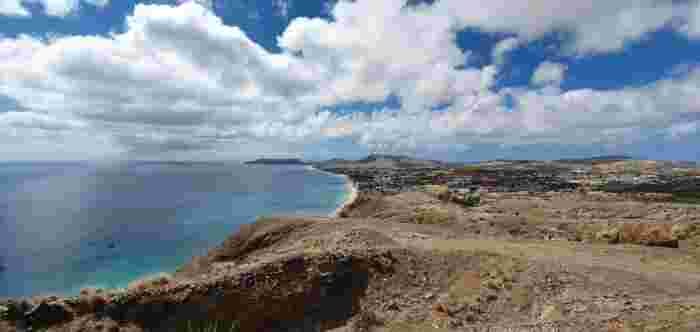
Madeira is a very safe place to visit. In fact, the crime rate is lower than in mainland Portugal.
Hiking has the greatest amount of risk for Portugal adventure travel, and since January 2026, all official PR trails have to be booked via the SIMplifica platform for a set time slot. The fee is approximately €4.50 per person, as stated on the Visit Madeira website. Accessing a closed trail can result in very high fines (up to €10,000 or more), and helicopter rescues on closed or unofficial trails are now charged.
Be prepared for rapidly changing weather conditions and set off early to allow for the worst. Also, keep in mind that strong winds can cause flight cancellations and delays to and from Madeira Airport. Allow for some slack in your travel plans.
Is Tap Water Safe to Drink in Portugal?
Drinking water from the tap is also safe in Portugal. For the 11th year in a row, 98.84% or almost 99% of drinking water met the requirements in 2025, as published by the national water regulator ERSAR.
However, many Portuguese are unconvinced of the quality of tap water and drink bottled water instead, mainly because of the chlorine taste. A few rural water supplies in the interior of the country, as well as some supplies in the Alentejo, score poorly from time to time. When staying in a rural house with its own well, it is best to ask if the water is safe to drink or to consume bottled water. Avoid drinking water from public fountains marked água não potável (non-potable water).
Portuguese Laws That Surprise Visitors
Most travel safety guides skip local laws, but these are the rules that most often catch visitors out. Fines can be steep:
| Rule | What to know |
| Pepper spray | Not allowed, and you can be fined |
| CBD and cannabis products | Illegal to bring in, with fines of €1,000 to €10,000 |
| Drinking in the street | Banned in most cities outside cafes and bars |
| Photo ID | You must carry it at all times |
| Photographing police | Not allowed, and filming people without consent is illegal |
| Beach flags | Ignoring them can lead to a fine |
| Starting a wildfire | A crime, even by accident |
| Albufeira code of conduct | Fines of €150 to €1,800 for rowdy behavior |
None of these rules are hard to follow. Knowing them in advance helps you avoid an awkward conversation with the police.
When Is Portugal Safest to Visit? A Seasonal Guide
Portugal is safe all year, but the risks change with the seasons. Spring and early autumn offer the best balance of good weather, fewer crowds, and lower natural risks.
| Season | Crowds and pickpockets | Natural risks | Overall |
| Spring (March to May) | Moderate | Low | Excellent |
| Summer (June to August) | Highest | Heat waves, wildfires | Good with care |
| Autumn (September to November) | Moderate | Rain and storms from October | Excellent until mid-October |
| Winter (December to February) | Lowest | Storms, flooding, rough seas | Good for cities |
For most travelers, April to June and mid-September to October are the best time to visit Portugal. You get warm weather and calmer seas with fewer crowds for pickpockets to hide in.
How Locals Stay Safe in Portugal
People who live in Portugal rarely think about safety, but they do follow a few quiet habits. These are worth copying:
Save these numbers before you travel:
| Service | Number |
| Police, ambulance and fire | 112 |
| Social emergencies, including domestic violence | 144 |
| APAV victim support | 116 006 |
| U.S. Embassy Lisbon | +351 21 770 2122 |
Plan Your Safe Trip to Portugal With a Local
Portugal is safe, welcoming, and one of the easiest countries in Europe to explore. Violent crime is rare, and the main risks are petty theft, busy roads, and the power of the Atlantic. A few simple habits take care of almost all of them.
The best way to travel with peace of mind is to have someone on the ground. Share with Tailored by Locals the trip you have in mind, and a local expert will send you a personal itinerary within 48 hours. Planning is free, with no upfront fee and no obligation.