
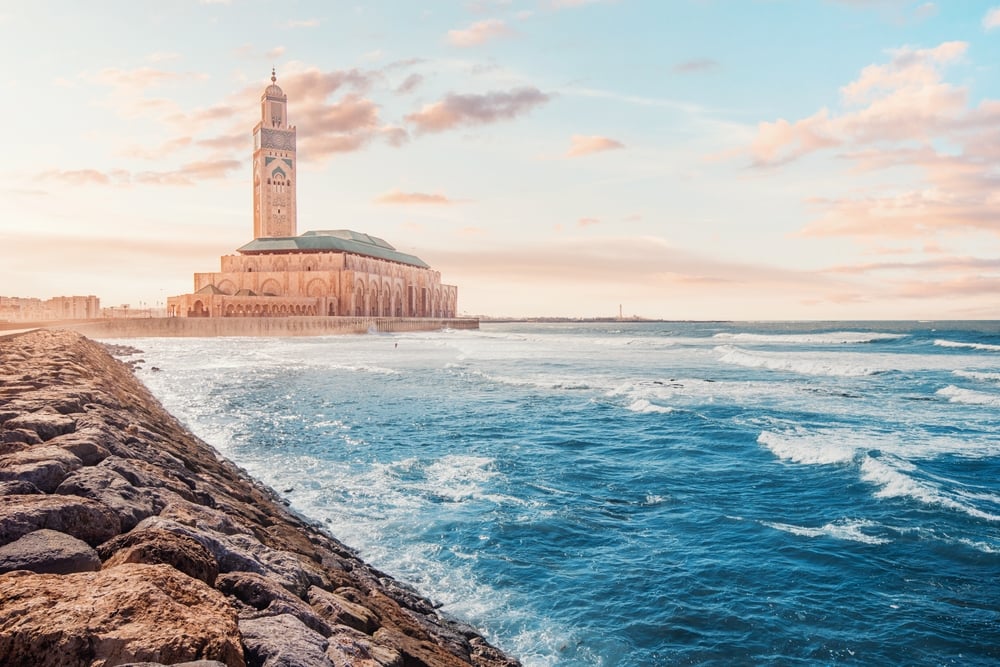
Morocco Weather: A Month-by-Month, Region-by-Region Guide
Find inspiration, guides and stories for wherever you're going
Morocco Weather: A Month-by-Month, Region-by-Region Guide
Plan Your TripMorocco weather can change rapidly from one place to another. A cool ocean breeze on the coast can provide mild temperatures during summer months, while bringing relatively mild temperatures in winter months. The interior, with cities like Marrakech and Fez, feels as much as 20 degrees hotter. The Atlas Mountains experience snowfall even though Morocco is famous for its desert landscapes and extremely high temperatures.
This guide details the weather you should expect in Morocco by season, month, and region. In it, we detail the four main climatic variations that exist across the country and provide tips on which is the best time to visit Morocco per traveller type.
Why Morocco Has Four Climates in One Country
Morocco sits at the end of the Atlantic right on the edge of the Mediterranean. It's also a gateway to the Sahara, with the backbone of the mountain range running through its middle. Four climates are spread throughout the country within a few hours' travel, so it is worth doing some research into the weather for your destination.
Coast, Interior, Mountains, and Desert. What Sets Each Apart
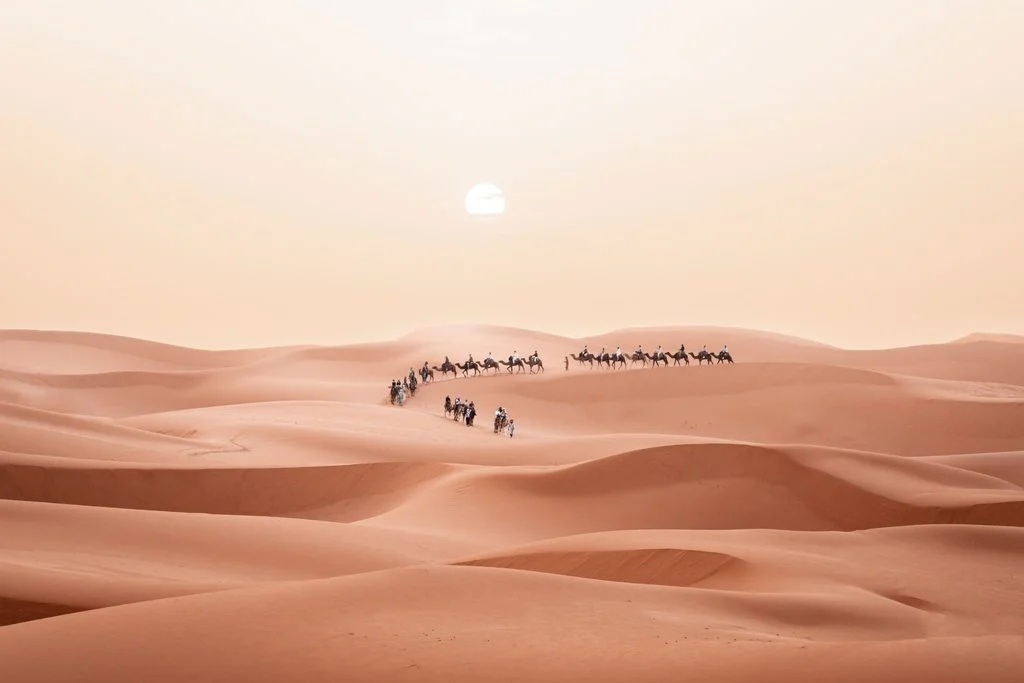
While the coastal regions experience mild temperatures throughout the year, the interior regions of Morocco, such as Marrakech and Fez, have hot, dry summers and cool winters. The Atlas Mountain range runs down the center of Morocco, bringing snow and very cold temperatures in the winter, while the lower regions experience warmer temperatures. To the south and east of the Atlas Mountains lies the Sahara Desert, which is extremely hot during the day and cold at night.
The Chergui, Morocco's Hidden Desert Wind
The Chergui is a phenomenon that few tourists take into consideration, as it brings extremely hot and dry air from the Sahara. The Chergui crosses the Atlas Mountains, and then gets pushed down to the lowlands and coastal cities in Morocco. While it is most common in the summer months, it can occur during the winter months too, bringing a short but extremely hot surprise. And a cool Marrakech day can quickly turn into a scorching 43°C (or 110°F) day within hours!
Morocco Weather by Month
All of the temperature averages on this page are for Marrakech, the country's best-known interior city. Average temperatures for cities on Morocco's coast are several degrees lower than for Marrakech. Desert cities like Merzouga and Erg Chebbi are very hot by day and cold by night. Use Marrakech as a base for average temperatures and then adjust up or down depending on where you actually are.
Winter in Morocco (December-February)
During winter, Morocco is cool and sometimes wet, but the lower temperatures make for a great time to travel. The rain falls mainly in the north of Morocco as well as in the Atlas Mountains, where it can fall as snow. It's the quietest time of year for tourists and therefore the lowest prices for flights and hotels.
Morocco Weather December
December brings Morocco's coolest days and its heaviest northern rainfall, with the Atlas Mountains starting to pick up snow. Marrakech stays pleasant by day but chilly after sunset, so evening layers matter more than sun protection.
| Avg. High | Avg. Low | Rainfall |
| 66°F (19°C) | 45°F (7°C) | ~30mm |
Morocco Weather January
January is typically Morocco's coldest and wettest month, with mountain passes above 6,500 feet occasionally closing after snowfall. It's also the quietest month for tourism, with the lowest accommodation prices of the year.
| Avg. High | Avg. Low | Rainfall |
| 64°F (18°C) | 43°F (6°C) | ~30mm |
Morocco Weather February
February holds onto winter's cool temperatures, but rainfall starts to ease. Almond trees blossom across the valleys south of the Atlas, adding pink and white color to an otherwise quiet travel month.
| Avg. High | Avg. Low | Rainfall |
| 68°F (20°C) | 45°F (7°C) | ~25mm |
Spring in Morocco (March-May)
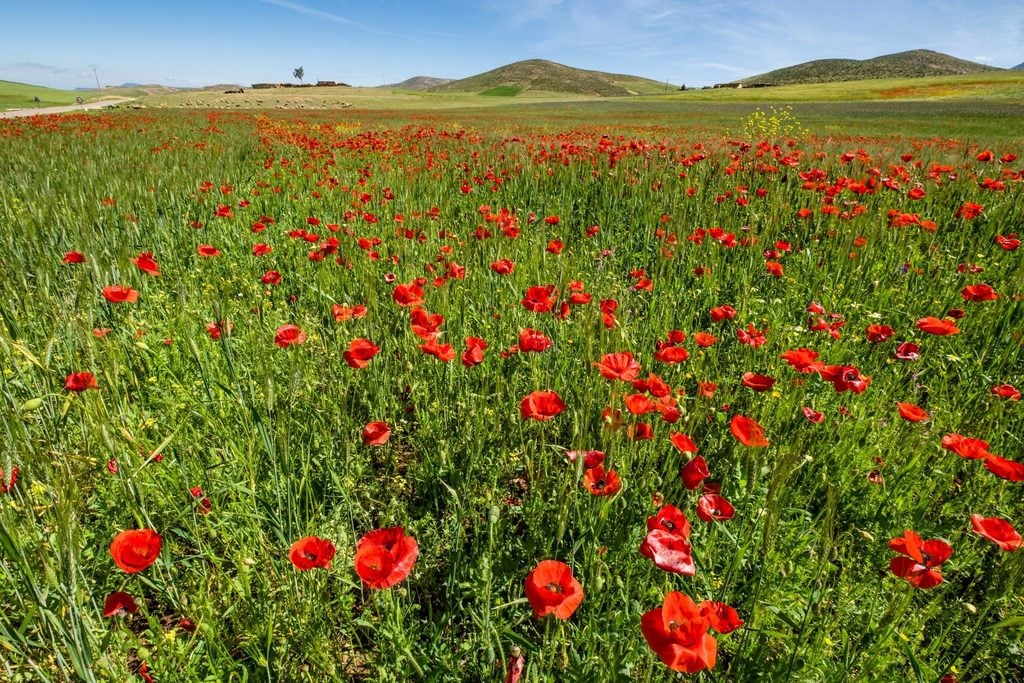
Morocco in the Spring is a very balanced time to visit the country, with pleasant warm temperatures, little rainfall, and the Sahara becoming an awesome place for a comfortable desert trip. The lower slopes of the Atlas Mountains are painted with colors of wildflowers in full bloom as days get longer with plenty of sunshine. Very popular time to visit, with all accommodation and desert camps filling up well in advance.
Morocco Weather March
March marks spring's arrival, with warmer days and fading rain. The Sahara becomes comfortable for daytime excursions again, and wildflowers begin covering the Atlas foothills and valleys, a good early window for Morocco nature and wildlife before the summer heat sets in.
| Avg. High | Avg. Low | Rainfall |
| 73°F (23°C) | 50°F (10°C) | ~20mm |
Weather in Morocco in April
April brings warm, reliably sunny days across most of the country, and Atlas mountain passes stay open. Note that Ramadan's dates shift yearly on the Islamic calendar, which can affect restaurant hours if it overlaps with your trip.
| Avg. High | Avg. Low | Rainfall |
| 79°F (26°C) | 54°F (12°C) | ~15mm |
Weather in Morocco in May
May is the last comfortable month for full days of interior sightseeing before summer heat sets in. Coastal cities stay especially pleasant, cooled by steady Atlantic breezes.
| Avg. High | Avg. Low | Rainfall |
| 86°F (30°C) | 59°F (15°C) | ~10mm |
Summer in Morocco (June-August)
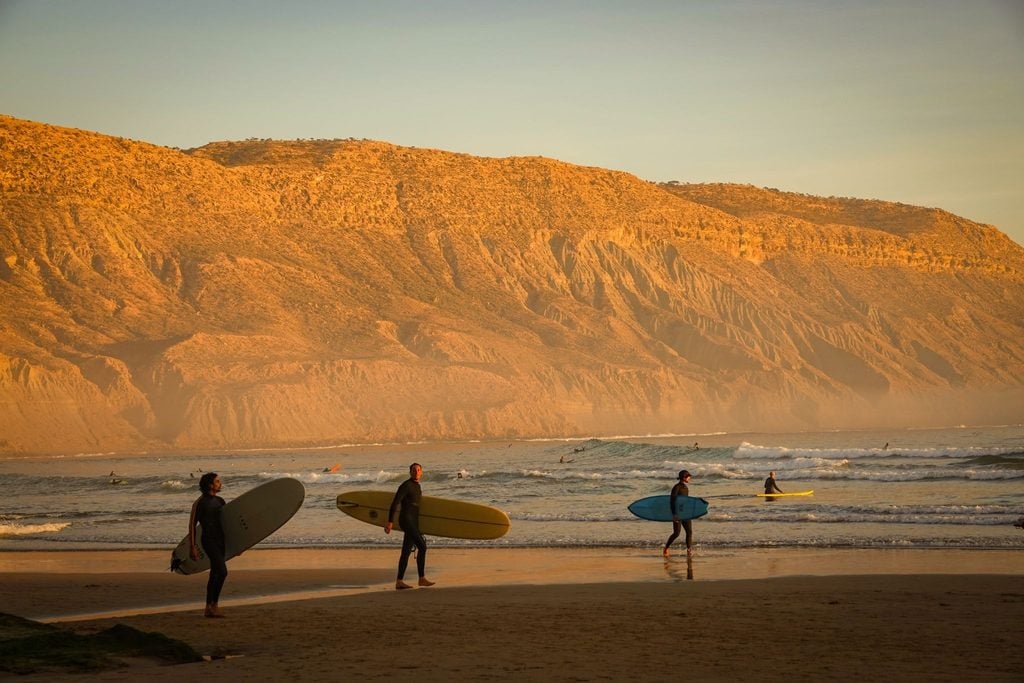
During summer in Morocco, interior and Sahara areas tend to become extremely hot, but coastal towns like Essaouira and Agadir stay pleasant. The temperature can be pushed up by a degree or two for a day or so by the chergui wind, but otherwise cooler air comes in at night. Early morning excursions to interior sites can be very pleasant in summer.
Morocco Weather June
June marks the start of serious interior heat, with the Sahara regularly climbing past 100°F. The coast remains the exception, staying comfortable thanks to constant ocean breezes.
| Avg. High | Avg. Low | Rainfall |
| 93°F (34°C) | 64°F (18°C) | ~5mm |
Morocco Weather July
July is typically Morocco's hottest month, with desert travel best avoided altogether. Coastal towns like Essaouira and Agadir offer the most livable conditions during this stretch.
| Avg. High | Avg. Low | Rainfall |
| 100°F (38°C) | 72°F (22°C) | ~1mm |
Morocco Weather August
August holds close to July's peak heat, though low humidity keeps it feeling dry rather than oppressive. The north coast, including Tangier, stays noticeably milder than the interior.
| Avg. High | Avg. Low | Rainfall |
| 99°F (37°C) | 72°F (22°C) | ~2mm |
Autumn in Morocco (September-November)
Autumn is characterized by cooler weather than the hot summer months. While September can still be warm, October is possibly the best month to visit Morocco, and November sees the first heavy rainfall in the north. As the peak tourist season is over in autumn, there are fewer tourists on the road, and you can travel around comfortably.
Weather in Morocco in September
September's heat starts easing, making desert camps and stargazing trips comfortable again. Evenings become pleasant for open-air dining, with little rainfall to interrupt plans.
| Avg. High | Avg. Low | Rainfall |
| 91°F (33°C) | 64°F (18°C) | ~5mm |
Weather in Morocco in October
October is frequently cited as Morocco's best all-round month, combining warm days, cooler nights, and thinning crowds. The Sahara becomes ideal for camel treks and overnight camps.
| Avg. High | Avg. Low | Rainfall |
| 82°F (28°C) | 57°F (14°C) | ~15mm |
Morocco Weather November
November brings the first real rainfall of the wet season, mostly in the north and the Atlas Mountains. The south and Marrakech typically stay dry and comfortable for walking.
| Avg. High | Avg. Low | Rainfall |
| 73°F (23°C) | 50°F (10°C) | ~25mm |
Morocco Weather by Region
Morocco's regions have different average temperatures for each month, sometimes even differing by as much as twenty degrees on the same day! What matters most, though, is where you'll spend most of your time during your trip, since each of Morocco's main cities carries its own microclimate. We've outlined Morocco's main regions and what makes their weather different from the others.
| Region | Summer High | Winter High | Winter Low | Notes |
| Marrakech & Interior | 100°F (38°C) | 66°F (19°C) | 43°F (6°C) | Hot, dry, minimal rain |
| Casablanca & Atlantic Coast | 79°F (26°C) | 63°F (17°C) | 48°F (9°C) | Mild year-round, ocean-moderated |
| Tangier & the North | 84°F (29°C) | 62°F (17°C) | 49°F (9°C) | Wettest region, Mediterranean pattern |
| Atlas Mountains (Ifrane) | 77°F (25°C) | 46°F (8°C) | 30°F (-1°C) | Cold winters, regular snowfall |
| Sahara (Merzouga/Zagora) | 108°F (42°C) | 68°F (20°C) | 39°F (4°C) | Extreme day-night swings |
Marrakech and the Interior Plains
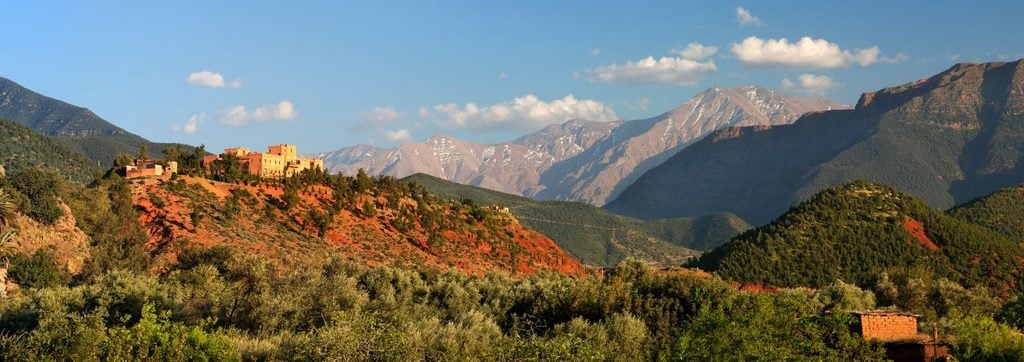
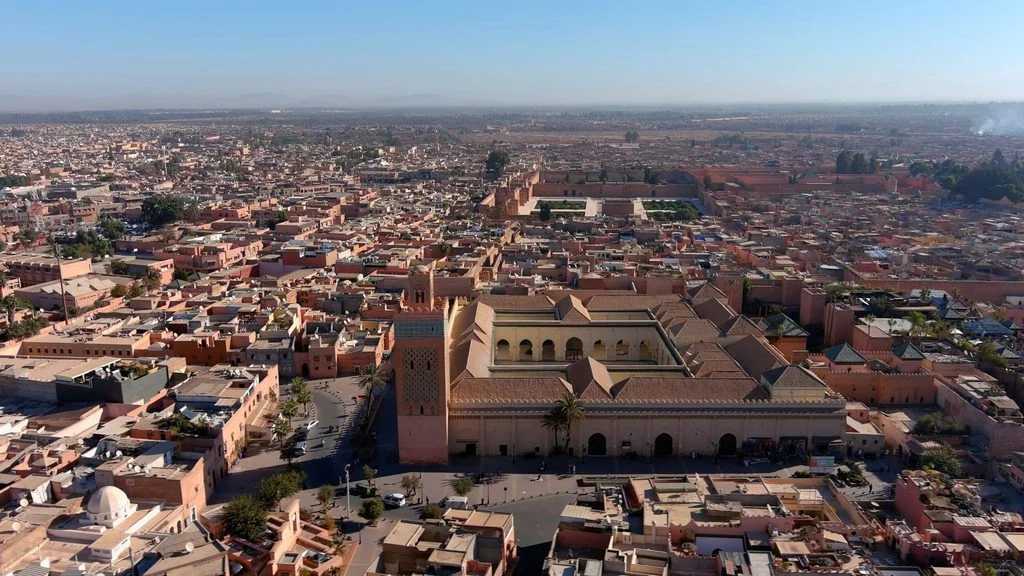
Marrakech and the interior of Morocco have a distinct climate which is affected by the Atlas Mountains that run north of the city. The weather is hot in the summer with temperatures reaching over 100°F/38°C and mild in the winter. Average rainfall in Marrakech is very low and usually falls between November and March, with the highest amounts of rainfall in March.
Casablanca, Rabat, and the Atlantic Coast
Morocco's Atlantic coast enjoys the mildest climate in the country, with temperatures cooled year-round by the Canary Current running just offshore. Summers are warm but never hot while winters are cool but never cold. This stable climate makes good traveling weather and is part of why Casablanca and Rabat suit Morocco family travel well.
Tangier, Chefchaouen, and the North
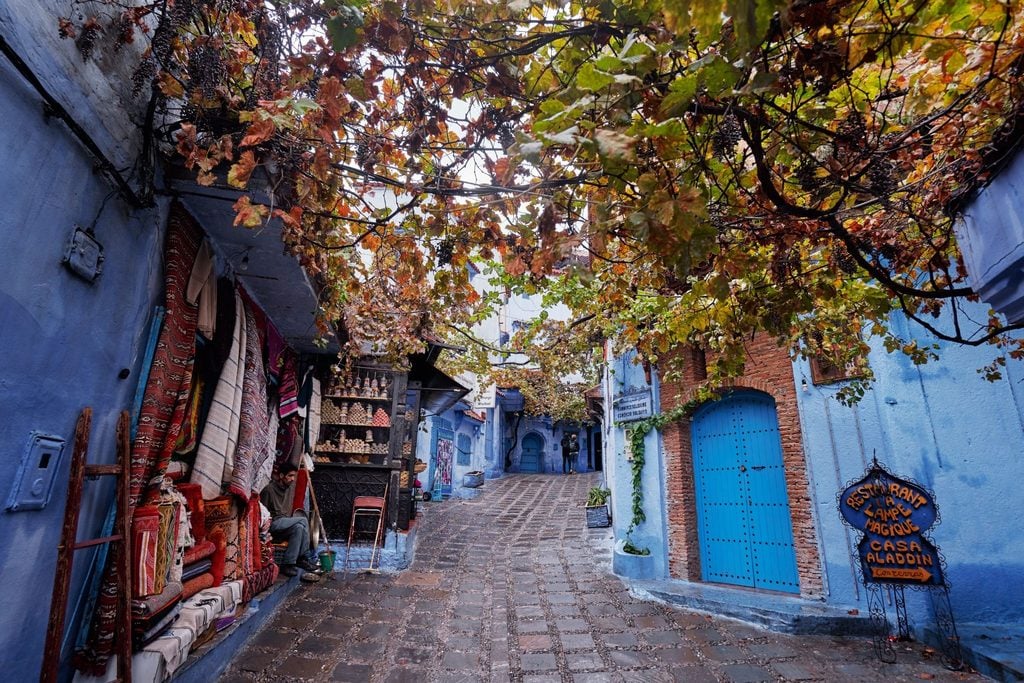
The North, around Tangier, has a Mediterranean climate with hot, dry summers and mild, wet winters. In this region, Morocco receives its highest amounts of rainfall, with the wettest months being from November to March. This region is generally a couple of degrees warmer than the south and can have cool evenings in the higher towns such as Chefchaouen, where you will need a warmer layer for the evenings throughout the year.
Snow in the Atlas Mountains: Ifrane and Oukaimeden
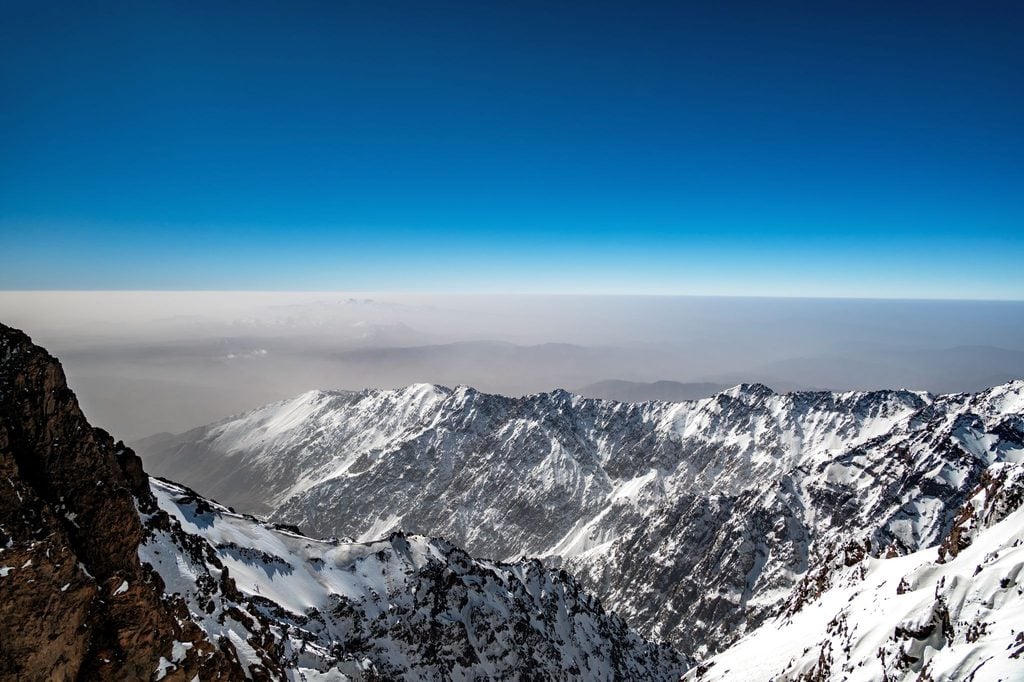
Ifrane, often called the "Switzerland of Morocco" because of its very high mountains (often covered with snow in winter) and cold nights during the winter months, is only a few hours from Marrakech and Fez. Oukaimeden, just outside of Ifrane, is home to Africa's highest ski resort and offers a great "snow day" off from traveling around Morocco.
The Sahara: Merzouga and Zagora
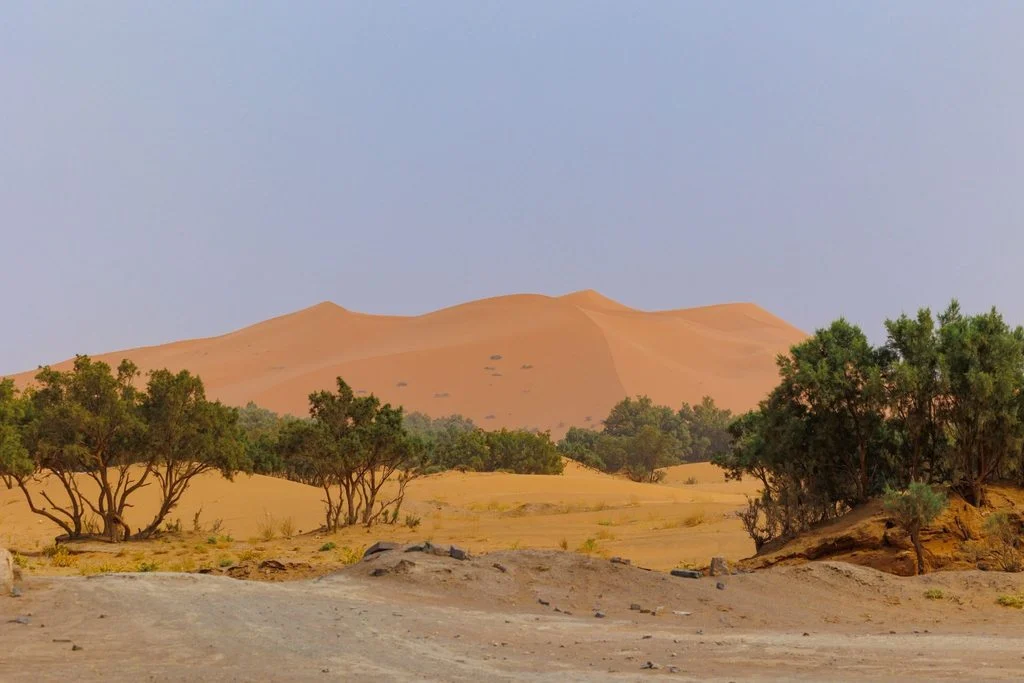
The Sahara region varies the most in terms of temperatures throughout the year. Daytime temperatures reach as high as 110°F in summer, while nighttime temperatures drop to close to 32°F in winter. Spring and autumn are by far the best times to take a camel trek and to sleep in the open. Summer is best avoided as the sand can become too hot to walk on during the day.
How Hot Does Morocco Get?
Temperature in Morocco can vary widely depending on location. Marrakech and other cities in the interior average about 100°F (38°C) in July and August. The desert, which includes Merzouga and Zagora, can be above 110°F (43°C) on some afternoons. In contrast, the Atlantic coast is rarely hot, and even in the middle of summer it rarely gets above the high 70s°F (mid-20s°C) or below 64°F (18°C). Record temperature extremes have been recorded in the desert and interior when the chergui wind has pushed temperatures above what would be expected. If details like this make you want to time your trip right, Tailored By Locals can build a trip to Morocco around the regions and season that fit you best.
| Region | Typical Summer Peak | Extreme Highs Recorded |
| Marrakech & Interior | 100°F (38°C) | 118°F (48°C) |
| Sahara (Merzouga/Zagora) | 108–113°F (42–45°C) | 122°F (50°C) |
| Atlantic Coast | 77–79°F (25–26°C) | 95°F (35°C) |
| Atlas Mountains | 77°F (25°C) | 90°F (32°C) |
Best Time to Visit Morocco Based on Weather
For a variety of reasons, it's not possible to give a definitive answer to the question of the best month to visit Morocco, especially once you factor in more than just temperature. Depending on your own plans and priorities, October or March might both be equally good, although for very different reasons. The main difference is between the needs of a trip that covers several areas and a single location.
Best Weather for a First Morocco Trip
For a first trip to Morocco, including the desert and the Atlas Mountains, the best months to travel are October and March. These two months present warm but mild temperatures, great for traveling to higher elevations, while avoiding the hot summer weather and wet winter months. Also, the crowds of tourists are fewer in these months than in spring.
Best Weather for the Sahara
Late October through April is generally the best time to visit the Sahara. Daytime temperatures reach into the 70s and 80s°F. But it gets cool enough at night to sit outside and stare up at the stars under warm blankets at your camp. Spring and autumn are therefore generally the best times to visit the desert. Avoid summer.
Best Weather for the Coast and Surfing
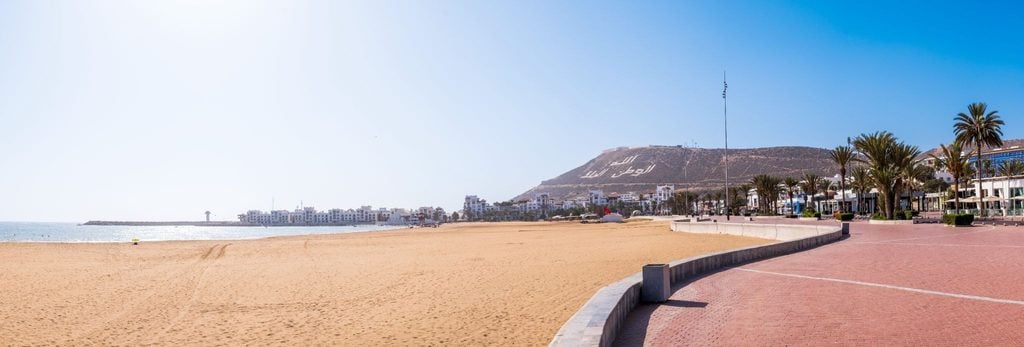
June until September is the best time to visit Morocco's Atlantic coast. While the interior is hot, cities like Agadir and Essaouira have nice, cool air. This is why Essaouira has become a favorite destination for many travelers, and one of several strong options along Morocco's coastline.. For surfers, Morocco's coast is especially great, because there are consistent Atlantic swells all year round. The best time to visit Taghazout and to hit the waves is from September until April, whereas the rest of the coast has its peak season in summer.
Best Weather for Trekking the Atlas Mountains
April to June and September to October are the best seasons for Morocco adventure travel in the High Atlas, allowing hikers to access routes such as that to the summit of Mt. Toubkal. Summer brings a very hot sun at lower levels. Winter snow closes higher passes and requires proper mountaineering gear. Shoulder-season trekking avoids both extremes.
Morocco Weather and Ramadan: What to Know Before You Book
The Islamic holy month of Ramadan, one of the more significant moments in cultural and historical Morocco, usually falls within the period of 10-11 days earlier each year on the Islamic calendar. So while it can fall within the relatively cooler winter months in some years, it can also fall within the relatively hot spring months. This makes a difference for planning.
It means that desert and trekking excursions are best done in the early morning or evening hours. And while fasting tourists can manage in the cold winter months, in the hot summer months, they need to especially plan and research in order to confirm the Ramadan dates for the year prior to their trip and check the seasonal weather forecast as well.
Is Morocco's Weather Changing? What 2026's Rains Mean for Travelers
Seven years of drought came to an end in Morocco in early 2026 as exceptional winter rainfall and the subsequent mountain snowmelt refilled the country's dams to above-average levels. For the traveler, the biggest change is in the Atlas Mountains, where there has been sufficient and regular snowfall to extend the season at places such as Oukaimeden, a world-class ski resort in the summer months. This is, however, a country where the weather can change dramatically from year's end to the following year, so do check current weather and travel conditions before you travel.
What to Pack for Morocco's Weather
When it comes to Morocco weather, take a regional approach, and pack around what you'll actually be doing each day. Coastal locations such as the resorts and cities enjoy pleasant temperatures throughout the year, while the interior of Morocco can get very hot. The Atlas Mountains experience snow in the winter, while the Sahara Desert needs to be approached with temperature extremes in mind. For the most balanced weather, October and March are the best months to visit.
Planning a Morocco itinerary around all of this can get complicated fast. That's exactly what Tailored By Locals helps with: local expertise on Morocco's regions and seasons, built into a custom itinerary designed around when you're actually traveling. Get in touch to start planning a trip timed to Morocco's best weather, not around guesswork.