
15 Best Places to Visit in Argentina: Complete 2026 Guide
Find inspiration, guides and stories for wherever you're going
15 Best Places to Visit in Argentina: Complete 2026 Guide
Plan Your TripThe best places to visit in Argentina cover four climate zones, two UNESCO World Heritage glacial parks, the biggest waterfall system in the world and over 1,000 wineries, making it the most diverse country in South America.
In this travel guide we will cover the best destinations across Argentine Patagonia, Buenos Aires, Mendoza, Iguazú Falls and the colorful Northwest. We will also discuss the best time to visit the country, the best places for traveling in December and the most popular Chile-Argentina combination trips.
Best Places to Visit in Argentina: Quick Answer
Travelers planning a trip to Argentina usually focus on iconic destinations like Iguazú Falls, the world's largest waterfall system with 275 waterfalls, the Perito Moreno Glacier in Patagonia, the country's capital Buenos Aires, El Chaltén, gateway to Mount Fitz Roy and the trekking center of Argentina, and Mendoza, Argentina's winemaking region which includes over 75% of all Argentina vineyards.
Best Places to Visit in Patagonia, Argentina
Patagonia, in the south of Argentina, is the rural wilderness heartland of the country and one of the best regions for nature and wildlife experiences in Argentina, stretching for more than 1 million km², from Lakes District southwards to Tierra del Fuego. The best places to visit in Patagonia spread across two regions: the southern glacier region near El Calafate and El Chaltén, or the northern Lakes District around Bariloche. The best months for trekking are from November to March, offering up to 17 hours of daylight in the south.
1. Perito Moreno Glacier & El Calafate
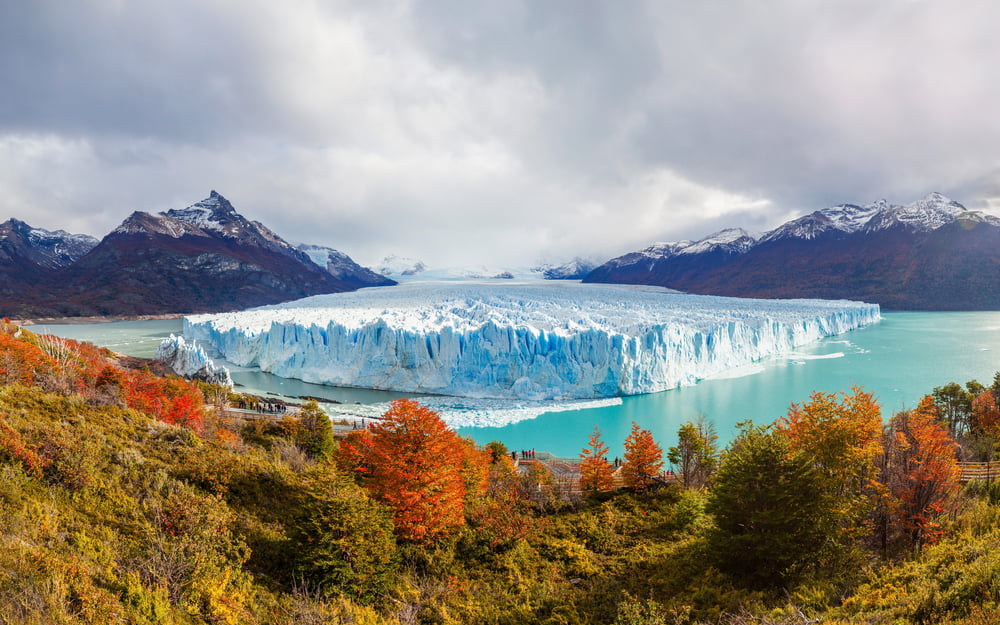
The Perito Moreno Glacier is one of the most breathtaking sights in Argentina. It spans 250km², and is 30km long, with an average height of 74m over Lago Argentino, and an ice depth of 170m. It is just one of three glaciers in the whole of Patagonia to be advancing, gaining 2m per day.
Located 78km from El Calafate in Los Glaciares National Park (UNESCO World Heritage Site) the glacier is fed by the Southern Patagonian Ice Field, the third-largest freshwater reserve on Earth outside of the polar regions. Fly from Buenos Aires directly to El Calafate. Walkways are wheelchair-accessible, and Big Ice treks and boat tours run daily.
2. El Chaltén & Mount Fitz Roy
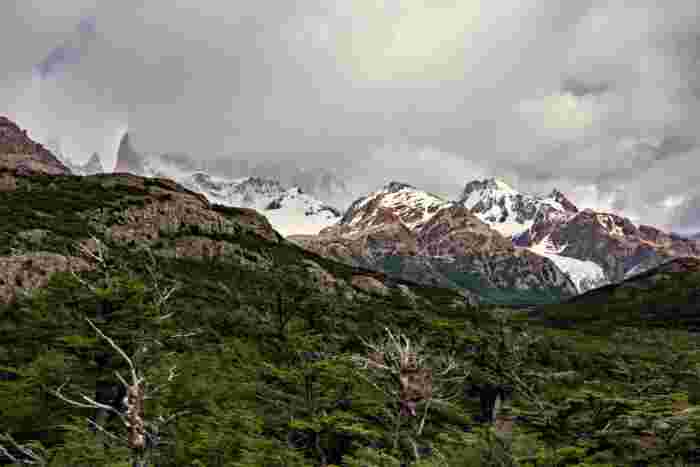
El Chaltén is the trekking capital of Argentina and a major destination for adventure travel in Argentina. It is also one of the best places to visit in Patagonia for avid hikers. This car-free village is located at the bottom of the Fitz Roy massif and every major trailhead is located within the town itself (no shuttles, permits or entrance fees).
The classic trek is Laguna de los Tres, one of the best things to do in Argentina, with a 22km round-trip trail leading to a glacial lake below Mount Fitz Roy. Other notable trails include Laguna Torre and a less difficult one known as the Mirador de los Cóndores. It is possible to access El Chaltén by a three-hour bus ride from El Calafate.
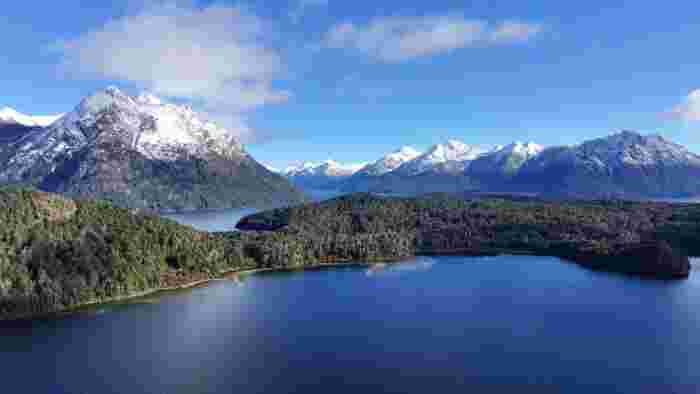
3. Bariloche & the Lake District
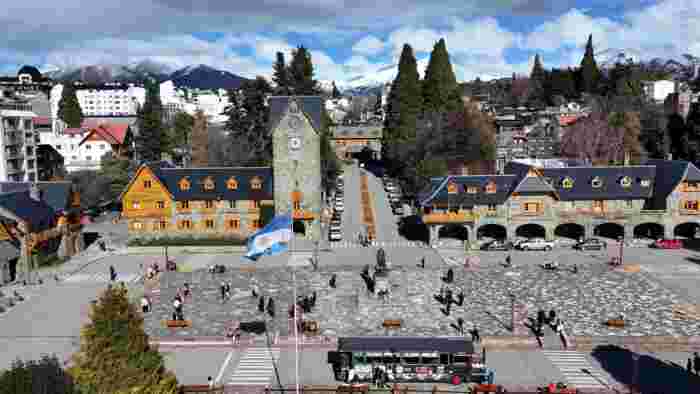
Entering the Lake District, Bariloche is the most beautiful city in Argentina and a picturesque place to visit no matter when you come. Situated by the lake Nahuel Huapi within the national park of the same name, the city boasts a style typical of the Alpine settlements from Switzerland and Germany where the Europeans came from in the 19th-century.
Try the artisan chocolate, craft beer, and smoked trout that are a specialty of the region. Don't miss out on the 7 Lakes Route, the Circuito Chico bike ride, and Cerro Catedral, the biggest ski area of Argentina with the longest season of the Southern Hemisphere (June - September).
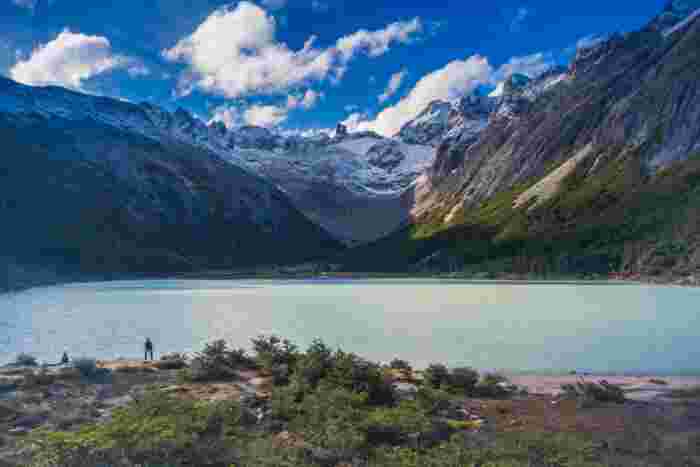
4. Ushuaia & Tierra del Fuego ("The End of the World")
Ushuaia is the world's most southerly city and Argentina's gateway to Antarctica. Ask for a tailor-made trip to Ushuaia to combine wildlife cruises, mountain scenery, and Tierra del Fuego adventures in one unforgettable itinerary. Ice-edge conditions and whale/marine mammal migrations make November - March (summertime in the south) the best window for Antarctic expedition cruises from the city. Situated on the Beagle Channel at the edge of the Martial Mountains and bordered by the Tierra del Fuego National Park, the city is home to dozens of navigable channels and a haven for wildlife-enthusiasts and history buffs.
You can take excursions at the Les Eclaireurs Lighthouse to see sea lions and cormorants, trekking to the Martial Glacier, and the Maritime Museum in the prison. Even when the cruise ferries aren't running, Ushuaia still boasts some of South America's most spectacular coastal-mountain views.
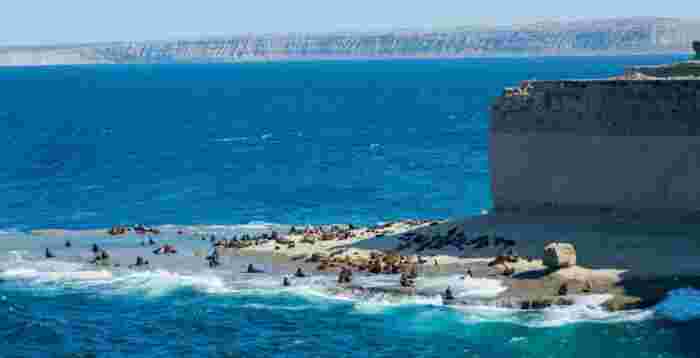
5. Península Valdés
Peninsula Valdés is a UNESCO World Heritage Site on the Atlantic coast of Argentina, and arguably South America's most popular wildlife destination. The protected peninsula extends out into the South Atlantic Ocean from Puerto Madryn, providing a refuge for one of the world's largest marine breeding grounds.
Southern right whales visit the sheltered islands for calving between June and December, and Magellanic penguins make their nests at Punta Tombo from September to March. All year round, there are the sea lions, elephant seals and the famous orcas, who deliberately beach themselves on the shoreline in their pursuit of sea lion young animals, a hunting strategy that is practically unparalleled on the globe.
Best Places to Visit in Buenos Aires, Argentina
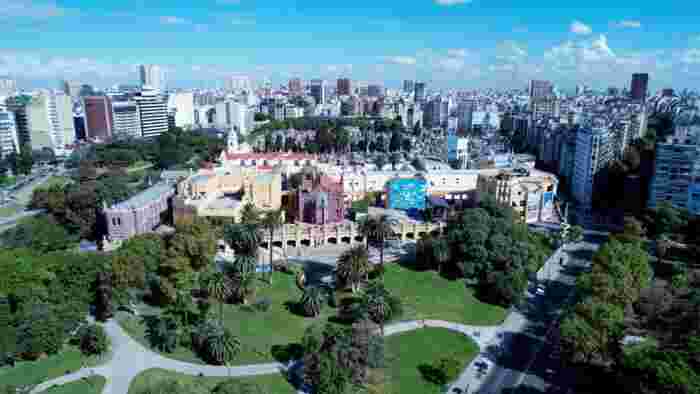
Located on the southern cone of South America is the capital, Buenos Aires, one of the top destinations for cultural experiences in Argentina and reflects much of what Argentina is known for. The lively feeling and grand European style architecture has led to the nickname of "Paris of South America", with its wide tree-lined streets. The best things to see in Buenos Aires, Argentina are in a few distinct neighborhoods. The best time to go to Buenos Aires is spring (September - November) and fall (March - May).
6. Recoleta & Palermo
The two most refined neighbourhoods in Buenos Aires are Recoleta and Palermo. Characterized by fine Beaux-Arts and French Neo-classical style, Recoleta is centered around the sprawling marble mausoleum-strewn Recoleta Cemetery that includes the grave of Eva Perón. This neighborhood also contains MALBA (Museo de Arte Latinoamericano de Buenos Aires), with one of the most impressive Latin American art collections in all of the continent.
The city's largest and most fashionable barrio, Palermo sprawls out into several sub-neighborhoods, such as Palermo Soho and Palermo Hollywood and offers designer retail stores, artisan coffee bars, roof-top cocktail saunas, lush botanical gardens of the Bosques de Palermo, and the most fashionable restaurants and clubs.
7. San Telmo & La Boca
San Telmo and La Boca are the two most historic and colourful Buenos Aires barrios, epitomising the city's tango heritage and street-level soul. San Telmo is the city's oldest inner city area with cobblestone streets, 19th-century architecture, and a bohemian atmosphere. The Feria de San Telmo, Sunday antiques market stretches along Defensa street with resell stalls, street performers and wild live tango on Plaza Dorrego.
La Boca is right on the southern waterfront, and its main attraction is Caminito, a narrow alleyway with brightly painted tin houses. La Boca is widely regarded as the birthplace of tango as well as being home to the famous La Bombonera stadium of Boca Juniors.
Places to Visit in Mendoza, Argentina (Wine Country)
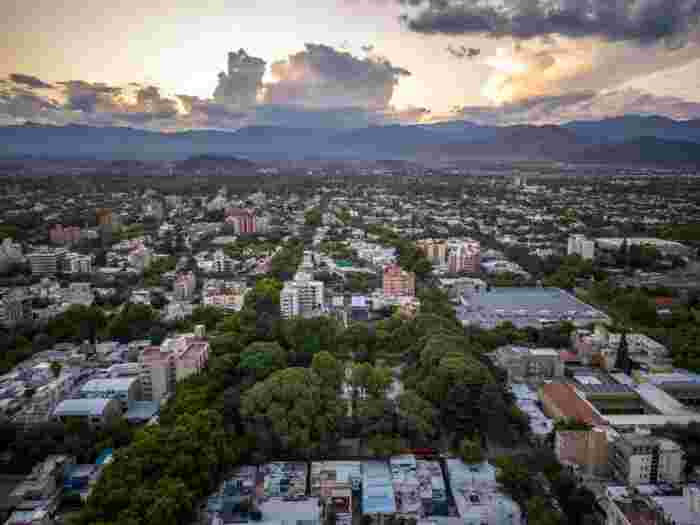
A trip to Mendoza is one of the highlights of Argentina for wine lovers and anyone interested in the culture of food in Argentina, thanks to its vineyards, mountain scenery, and world-famous Malbec wineries. With 75% of the nation's vineyards and more Malbec growing there than anywhere else in the world, the top destinations in Mendoza Argentina are surrounded by the Andes and offer more than 300 days of sunshine annually and vineyards at an altitude of 900 - 1,500m.
8. Mendoza City & the Three Wine Sub-Regions
The gateway to Argentinian wine country is Mendoza City, from which three geographically separate sub-regions radiate. Maipú to the east, about 15km away, is the wine's significant historical home, at 650-850m, the lower altitude vineyards turn out richer, rounder Malbecs, made at historic bodegas such as Trapiche and Bodegas López.
To the south, 20km away, is Luján de Cuyo, where vineyards at 900 - 1100m are renowned for producing sculpted wines full of black fruit and spice. 80 - 130km south of Mendoza, Uco Valley has lofty 1,000 - 1,500m altitude vineyards with great views of the giant Andes. Notable estates include Salentein, Catena Zapata and Andeluna.
9. Aconcagua Provincial Park
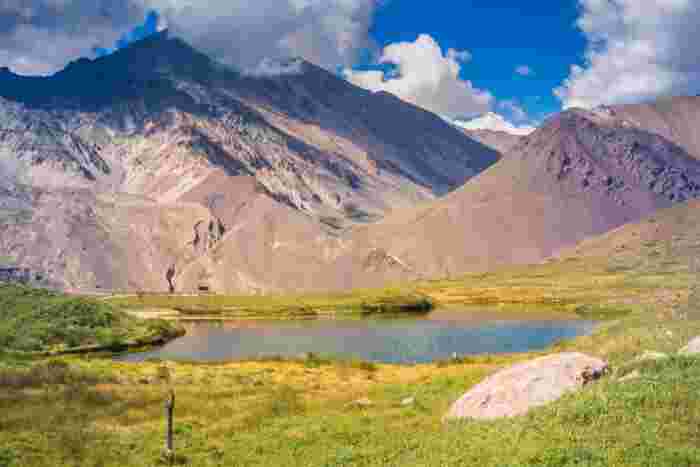
Aconcagua Provincial Park is one of the most easily accessed high-elevation attractions in South America and makes an impressive day trip from the city of Mendoza. The park features Mount Aconcagua at 6,961m (22,838ft), it's the world's highest mountain outside of Asia and the highest point in the Western Hemisphere. It takes about two weeks and a guided expedition to the summit, but most visitors visit on a day trip to witness its spectacular Andean landscapes. The traditional route from Mendoza passes through Puente del Inca, Laguna de los Horcones, and several vistas of the south face to Aconcagua's summit.
Iguazú Falls & the Northeast: Famous Places to Visit in Argentina
The Northeast of Argentina offers the country's best natural attraction and one of the highlights of any trip to Argentina: Iguazú Falls. It also contains the biggest wildlife secret in Argentina, the Iberá Wetlands. The two make the ideal 4-5 day extension to a north trip.
10. Iguazú Falls
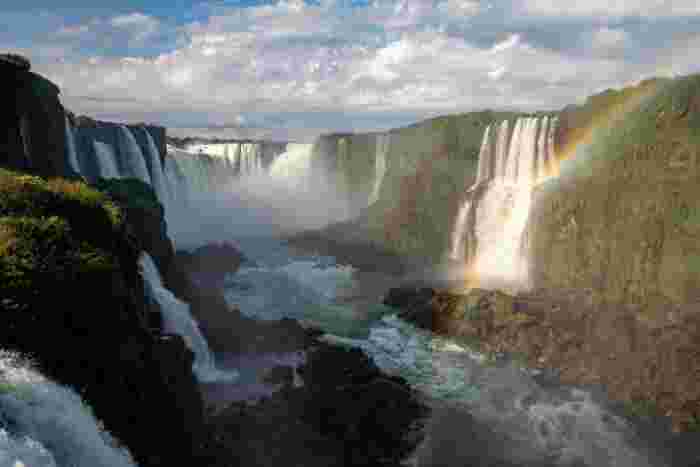
The Iguazú Falls is the largest system of waterfalls in the world and by far the most popular destination to visit in Argentina. The system is 2.7km wide and consists of 275 cascades up to 82m (269ft) high (higher than Niagara Falls and wider than Victoria Falls). About 80% of the falls lie on the Argentinean side.
In 1984 the park was admitted to the UNESCO World Heritage site and in 2011 was named a "New 7 Wonder of Nature". The main attraction is the Garganta del Diablo ("Devil's Throat") where 50% of the river falls in one tremendous roar. You will want to dedicate at least 2 days to explore both sides.
11. Iberá Wetlands (Esteros del Iberá)
The biggest hidden wildlife secret of South America and a far more peaceful alternative to Brazil's Pantanal are the Iberá Wetlands. Nearly 13,000km² in extent, it is South America's second largest wetland and one of the continent's most biodiverse ecosystems. The reserve is home to deer, caimans, anacondas, capybaras and over 400 bird species, plus jaguars, re-introduced after decades of local extinction.
Most visitors stay at the quaint town of Colonia Carlos Pellegrini, on the shores of Laguna Iberá, where boat safaris and horse rides give a fantastic up close encounter. Take 2 - 3 days.
The Northwest (NOA): Argentina's Most Colorful Region
The Northwest includes Salta, Jujuy and Tucumán is known for its dry mountains and desert plains, Quechua-speaking indigenous peoples and wines from high up in the Andes. Despite being the most picturesque and culturally distinctive of Argentina's regions, you'd be best coming here in the dry season of April to November, when the sun shines and roads are open.
12. Salta & Cafayate
The cultural center of the Northwest and the natural base for exploring the region, Salta is a charming city with plenty of colonial architecture around the 9 de Julio square. The pink Salta Cathedral is worth visiting, and the same applies to the MAAM museum, which contains the Llullaillaco mummies found at 6,700 meters altitude on the volcano of the same name.
The classic day trip from here is to Cafayate in the Quebrada de las Conchas. The Atacama wine town, at 1,700 meters elevation, produces some of the world's best Torrontés white wines.
13. Quebrada de Humahuaca & Purmamarca
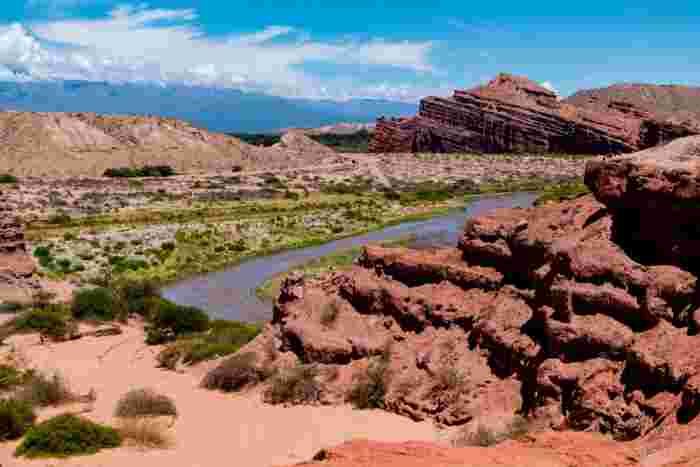
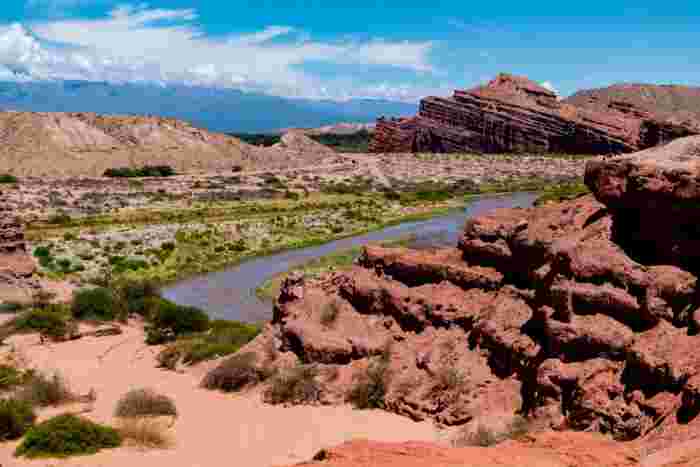
The Quebrada de Humahuaca is a 155km mountain valley in Jujuy, listed as a World Heritage Site by UNESCO in 2003, recognised for its over 10,000 years of continuous human settlement. Purmamarca, the tiny adobe village sitting beneath the Cerro de los Siete Colores (Hill of Seven Colors) is the main feature in this valley. The striated hill glows in pinks, ochre and green, and along the north, above the settlement of Humahuaca, Hornocal named the 'Hill of 14 Colors' is a farrowed rocky formation best sensed with an afternoon photo from the height of 4,350m.
14. Salinas Grandes
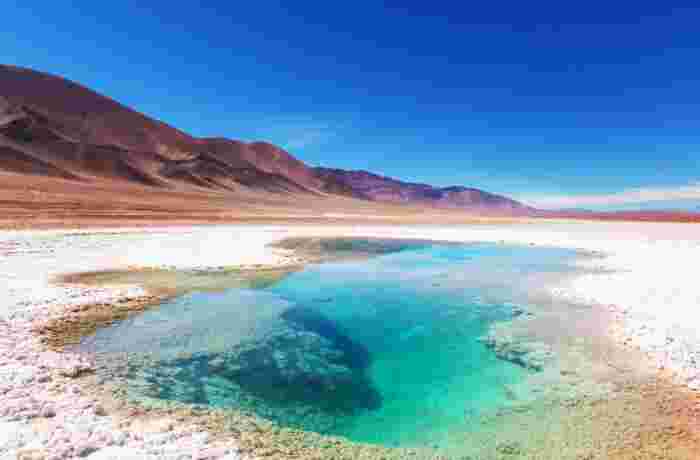
Salinas Grandes is easily the most surreal of Argentina's high-altitude salt flats, and an interesting alternative to Bolivia's more-recognized Uyuni. The expanse covers 212km² and sits 3400m high on the Puna plateau of northwestern Argentina, between the provinces of Salta and Jujuy. The white salt crust creates an unusual display of hexagon-shaped formations, and the highly visible horizon offers some of the country's best perspective photography. Only a handful of tourists arrive here every day.
Most book a day trip out of Purmamarca on the scenic Cuesta de Lipan mountain pass, which rises to 4170m before beginning its descent into the salt flats.
15. Córdoba & the Jesuit Block
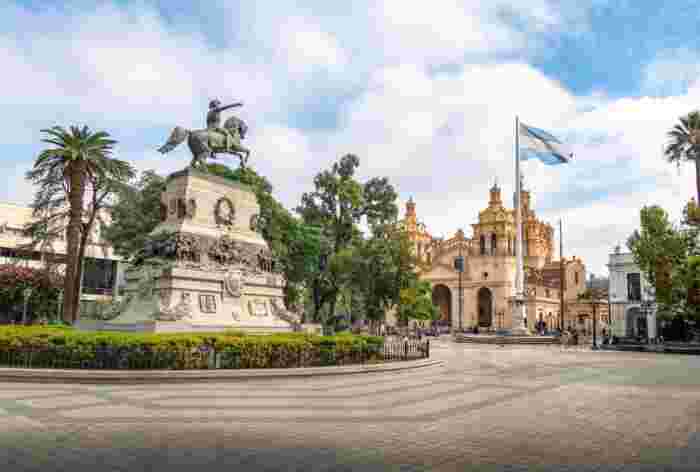
Córdoba is the second largest city in Argentina, founded in 1573, and a major cultural counterpoint to Buenos Aires. UNESCO-listed, the first thing you'll want to visit in the city is the Jesuit Block (Manzana Jesutica), a 17th-century university and church complex, and the site of the first university in Argentina and second in South America.
Heading north out of the city, you'll find a few excellent excursions into the scenic Sierras de Córdoba region, making it a strong option for family travel in Argentina, to Villa General Belgrano, a small, Bavarian-influenced town founded by German immigrants, and host to South America's largest beer festival: the Oktoberfest.
Best Time to Visit Argentina
As a general rule, regional Argentina weather patterns make November to March (austral summer) best for Patagonia and the south, while April to November suits the Northwest and Iguazú.
The table below breaks it down by destination.
| Region | Best Months | Why |
| Patagonia (hiking) | November - March | Trails open, mild temperatures, 16 - 18 hours of daylight |
| Patagonia (skiing) | June - September | Bariloche and Cerro Castor in peak ski season |
| Buenos Aires | September - November / March - May | Mild temps, jacarandas bloom in November |
| Mendoza (wine country) | March - April | Grape harvest and the Vendimia Festival |
| Iguazú Falls | August - October | Less rain, comfortable temps, fuller flow than dry season |
| Northwest (Salta & Jujuy) | April - November | Dry season, clear skies, accessible roads |
| Ushuaia & Antarctica cruises | November - March | Antarctic cruise season, wildlife at its peak |
| Península Valdés (whales) | June - December | Southern right whale calving season |
Best Places to Visit in Argentina in December
December signals the beginning of summer in Argentina and high season in Patagonia. In Buenos Aires there is daylight until 8:30 PM, and in southern Patagonia there is more than 17 hours of daylight. Perfect for long hikes, days on the beach and outdoor adventuring. We recommend visiting these sites in Argentina in December:
Best Places to Visit in Chile and Argentina (Combo Trips)
If you're planning a trip to Argentina and Chile together, Patagonia, Mendoza, and the Atacama region combine especially well in longer South America itineraries. It becomes clearer why the two countries are often paired after seeing the most popular combinations to visit the best places in Chile and Argentina:
Conclusion
The best places to visit in Argentina don't fit in one only trip. The country stretches from tropical jungles in the north to sub-Antarctic glaciers in the south, so you'll need several months to see it all. Patagonia is ideal for nature escapes, soak up the culture and dance the night away in Buenos Aires, sample the wines of Mendoza and the lowland Andes, marvel at the world's highest waterfall at Iguaz Falls, or discover the colorful high country of the Northwest.
Want to experience Argentina the way locals do? Design your trip with Tailored by Locals and get matched with a verified Argentine expert who will craft a fully custom itinerary built around your style, pace, and passions.The best places to visit in Argentina cover four climate zones, two UNESCO World Heritage glacial parks, the biggest waterfall system in the world and over 1,000 wineries, making it the most diverse country in South America.