
Portugal Islands: Azores, Madeira and Hidden Gems
Find inspiration, guides and stories for wherever you're going
Portugal Islands: Azores, Madeira and Hidden Gems
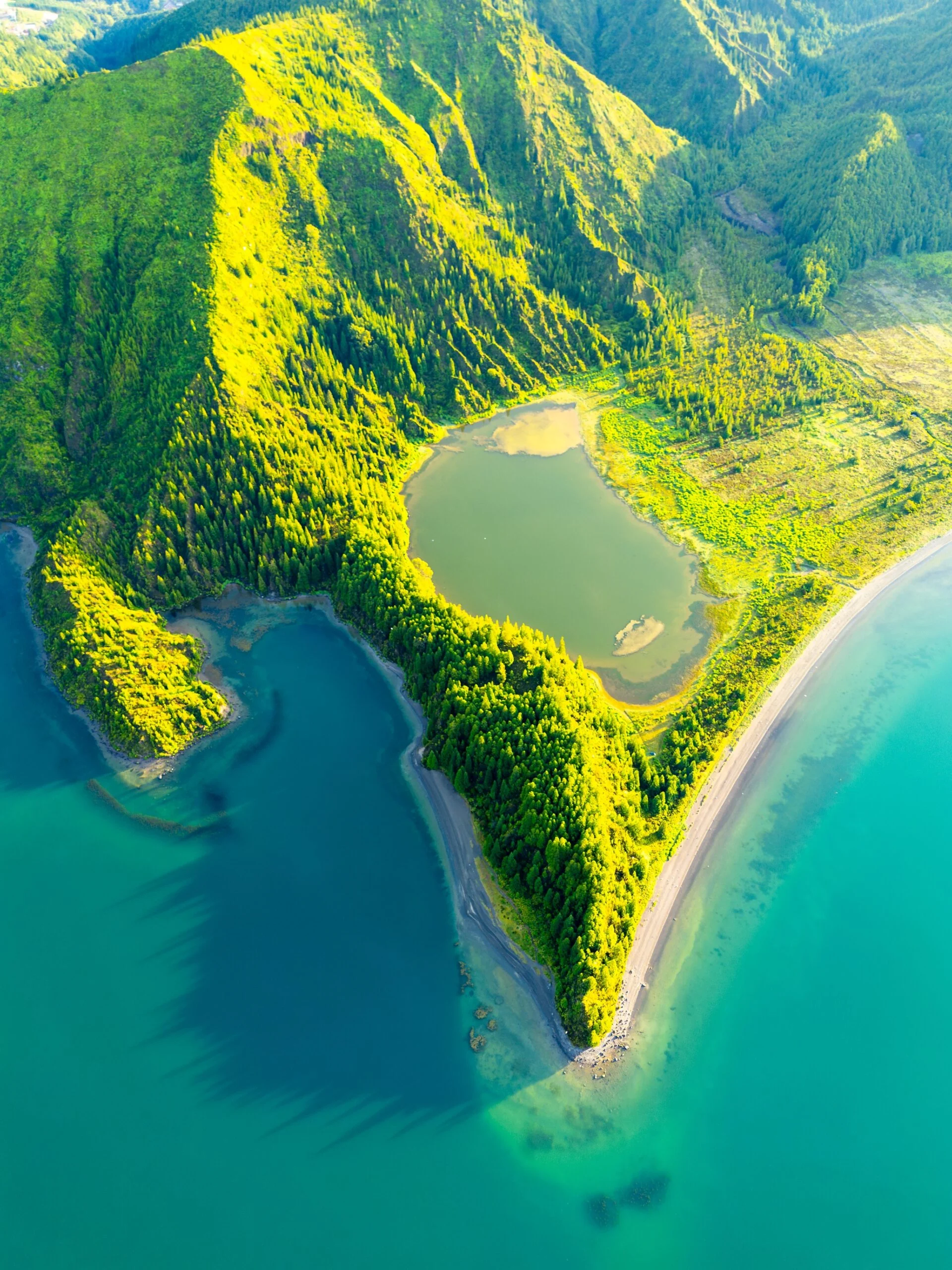
Plan Your TripPortugal islands come in two groups: the Azores and Madeira archipelagos in the Atlantic, plus several smaller islands off the coast of the mainland. Within a short flight or boat ride, you have beautiful volcanic landscapes, with crater lakes, tropical vegetation, golden sandy beaches, and colonies of seabirds.
In this guide, you will find out how many islands are in Portugal and where they are all located. We also compare the Azores and Madeira to see which islands are best for you, and offer some practical local tips to help plan your trip.
How Many Islands Does Portugal Have?
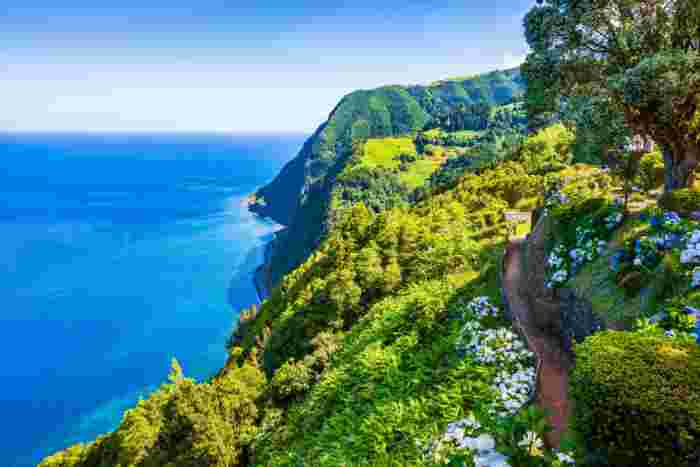
Portugal has 11 permanently inhabited Atlantic islands. 9 of these are part of the Azores, and 2 are in the Madeira archipelago. The country also has some uninhabited islands, like the Desertas and Selvagens islands, or the Berlengas, located off the coast of Peniche. There are also a few barrier islands in the Algarve region. Finally, Portugal also has some rocky islets and sandbars in the middle of rivers. In total, there are more than two dozen named islands in Portugal.
Portugal has no single official total number of islands. It depends on what you count as an island. For tourists, however, only the islands where they can stay are of interest.
| Island group | Main islands | Inhabited? | Where it is |
| Azores | São Miguel, Santa Maria, Terceira, Pico, Faial, São Jorge, Graciosa, Flores, Corvo | Yes, all nine | About 1,450 km west of Lisbon |
| Madeira | Madeira, Porto Santo | Yes, both | About 970 km southwest of Lisbon |
| Desertas | Deserta Grande, Bugio, Ilhéu Chão | No, nature reserve | Off Madeira's southeast coast |
| Selvagens | Selvagem Grande, Selvagem Pequena, Ilhéu de Fora | No, wardens only | Between Madeira and the Canary Islands |
| Berlengas | Berlenga Grande, Estelas, Farilhões | No permanent residents | About 10 km off Peniche |
| Ria Formosa | Barreta, Culatra, Armona, Tavira, Cabanas | Small communities on Culatra and Armona | Algarve coast, near Faro and Tavira |
The most famous Portuguese islands are Madeira, São Miguel, Pico and Porto Santo. Madeira draws the most visitors, and São Miguel is the gateway to the Azores. Pico has Portugal's highest mountain, while Porto Santo has the best-known beach.
Portugal Islands Map: Where Each Group Sits
On a map of Portugal, the Azores usually sit in the middle of the Atlantic Ocean about a third of the way to the American Continent. The islands of Madeira are far to the south near the coast of Africa. The mainland islands are all relatively close to each other, and you can visit them in a day from the coast.
All of these islands are in very different locations. Madeira is only about 350 miles from the coast of Morocco, and its weather is far milder than the rest of Portugal all year round. The Azores sit at the boundary of three tectonic plates, accounting for the volcanoes, hot springs, and several crater lakes that can be found on the islands.
Here is how long it takes to reach each group from Lisbon.
| Destination | Travel time from Lisbon | How to get there |
| Madeira (Funchal) | About 1h 45min by air | Daily direct flights |
| Porto Santo | About 1h 30min by air | Direct flights, or fly to Madeira and take the 2.5-hour ferry |
| São Miguel (Ponta Delgada) | About 2h 20min to 2h 35min by air | Daily direct flights |
| Terceira, Faial and Pico | About 2h 30min to 3h by air | Direct flights, less frequent than to São Miguel |
| Berlengas | About 1h drive plus 20 to 45 min by boat | Boats from Peniche, March to October |
| Ria Formosa islands | About 2h 30min drive plus a short ferry | Ferries from Faro, Olhão and Tavira |
Keep the time zone in mind too. Very important, since the Azores run one hour behind mainland Portugal and Madeira, so your flight from Lisbon lands earlier on the clock than you might expect.
The Azores Islands of Portugal
The Azores are nine volcanic islands situated in the center of the Atlantic Ocean, about 600km apart from each other. They are an autonomous region of Portugal and follow their own relaxed way of life.
The 9 islands of the Azores are divided into 3 groups. Each of these groups has its own identity, so it’s worth getting to know them before planning your trip.
Eastern Group: São Miguel and Santa Maria
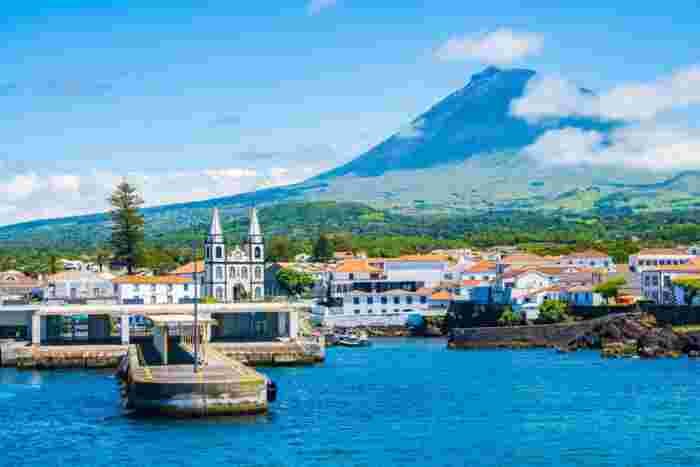
The largest of the Azores Islands, São Miguel is typically where people start their Azores journey. The capital city of Ponta Delgada is home to the main airport of the Azores and features the greatest number of hotels.
A small island with much to offer, São Miguel has the twin lakes of Sete Cidades and the iron-rich pools at Furnas. In Furnas, cooks bury pots of cozido stew in the volcanic ground and let the earth's heat cook it for hours.
Lagoa do Fogo, a big volcanic crater lake, is the wilder one. The Gorreana tea estate in the north of the island is one of the oldest tea plantations in Europe and offers free entrance and a tour, a taste of cultural and historical Portugal.
Santa Maria is very different. It is the oldest island, warm, dry, and sandy. It's home to Praia Formosa, one of its finest sandy coves, and feels like the Azores of decades past.
Central Group: Terceira, Pico, Faial, São Jorge and Graciosa
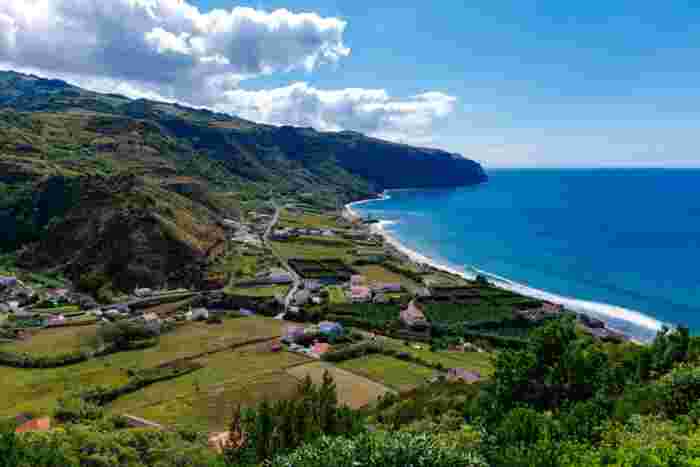
The central group has five islands, close enough to see each other on a clear day. Each one has its own character.
Faial, Pico and São Jorge make an easy three-island trip. Ferries link all three, and the crossing from Horta to Madalena takes about 30 minutes.
Western Group: Flores and Corvo
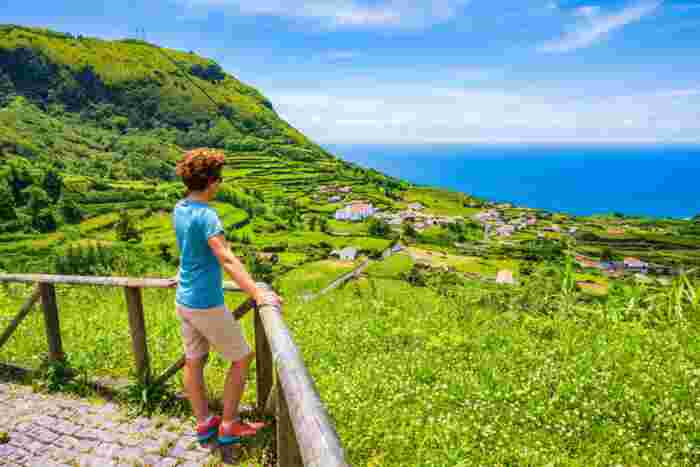
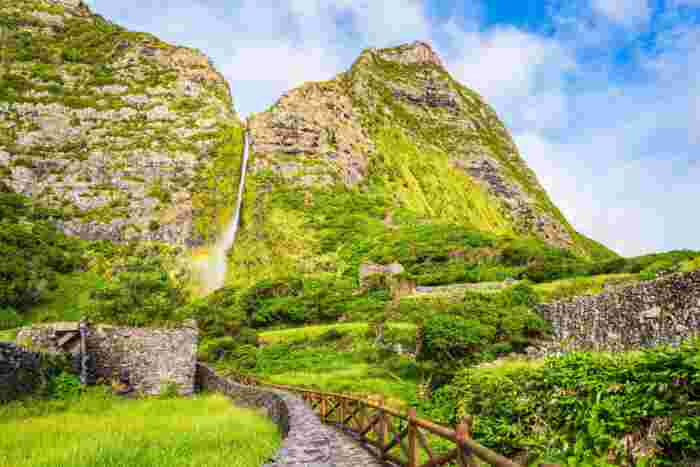
These two islands sit far in the west, on the North American plate. Flores is a green island with waterfalls and crater lakes. The western side of the island has cliffs facing the open ocean. A small rocky islet off the coast of Flores marks the westernmost point of Europe.
Corvo is the smallest of the Azores with only one village and a few hundred inhabitants. It is a popular day trip for hikers, along with the stunning Caldeirão crater. Each autumn, birdwatchers arrive to try to locate some of the rare species that have crossed the Atlantic from America, a draw for Portugal nature and wildlife fans.
Getting Around the Azores
SATA Air Açores local flights connect all 9 Azores Islands. In the central group of islands, ferry services link Faial, Pico and São Jorge.
You might consider renting a car on each island (buses on São Miguel are decent). As for your first trip to the Azores, one island is not enough to get a good sense of what this archipelago is like. A great first trip would be to pair São Miguel with 2-3 central islands over 10 days or so.
The Madeira Islands, Portugal
The Madeira archipelago is located ca. 970km WSW of Lisbon. The archipelago comprises two populated islands (Madeira and Porto Santo) and two groups of islands that are protected and uninhabited.
Madeira’s good weather all year round attracts visitors to Funchal and the surrounding areas. Last year Madeira welcomed over two million overnight stays, and figures are increasing.
Madeira Island: Levadas, Laurel Forest and Funchal
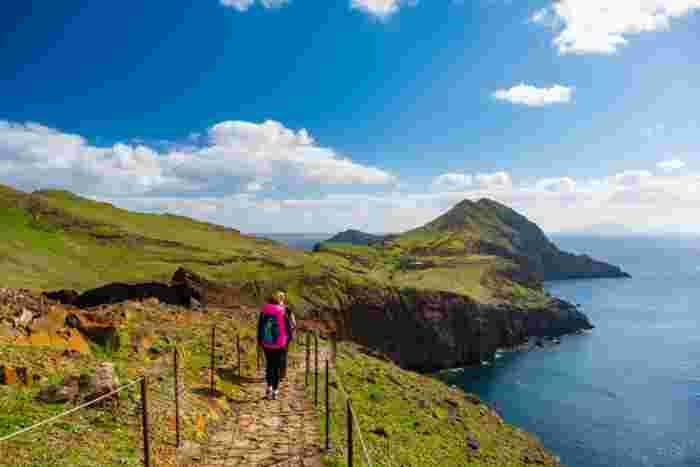
Madeira is a steep volcanic island with rugged, mountainous landscapes rising straight from the sea. The island’s tallest peak, Pico Ruivo (1,862m), is a classic hike for Portugal adventure travel along with Pico do Arieiro.
Above all, Madeira is famous for its levadas, ancient irrigation channels, which cover more than 2,000km. They form the basis for many easy walks, often alongside the channels through the Laurisilva laurel forests.
However, Funchal offers a completely different kind of experience. It is possible to wander around the Mercado dos Lavradores, visit a Madeira wine lodge and taste some of the world’s best fortified wines. The wicker toboggans are also a lot of fun as they speed down the hills in the town of Monte. For New Year’s, Funchal hosts one of the biggest fireworks displays in the world.
Porto Santo: The Beach Island Next Door
Porto Santo is small, sunny and golden. Its main draw is a beach of soft sand that runs about 9 km along the south coast, something Madeira itself does not have, and among the best beaches in Portugal.
Christopher Columbus lived here for a time, and his house in Vila Baleira is now a museum. Most people arrive on the Lobo Marinho ferry from Funchal, which takes about 2.5 hours. A flight from Madeira takes about 15 minutes.
Desertas and Selvagens: Islands Seen Only by Boat
The Desertas Islands are located off the south-east coast of Madeira, near Funchal. Desertas Islands – Grandes and Pequenas – are home to a large colony of Mediterranean monk seals, which are one of the rarest species of seals in the world. The Desertas are often visited on boat trips from Funchal.
Located even further south of Madeira are the Selvagens Islands. A strict nature reserve for the many species of seabirds that inhabit the islands, permission is required to land on them.
Islands Off the Coast of Mainland Portugal
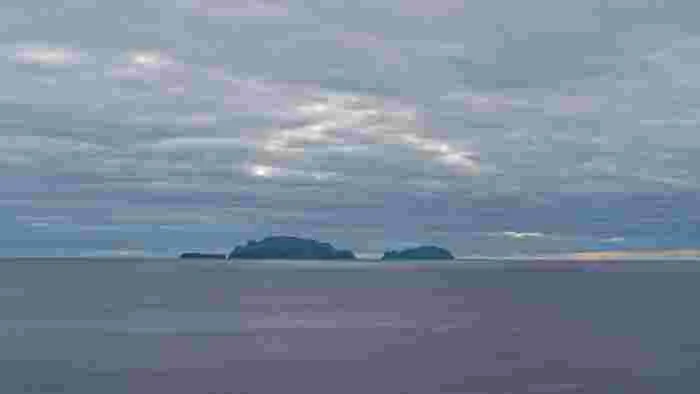
You do not need a flight to reach every Portuguese island. Several islands off the coast of Portugal fit easily into a mainland trip, from a nature reserve near Lisbon to car-free beaches in the Algarve.
Berlengas Islands, Portugal
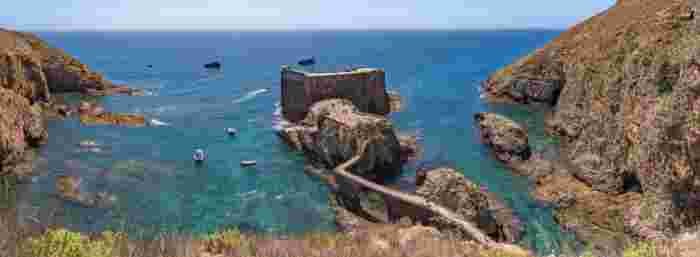
The Berlengas are a small granite archipelago about 10 km off Peniche, roughly an hour's drive north of Lisbon. Only Berlenga Grande is open to visitors, and boats from Peniche take between 20 and 45 minutes.
The island is a nature reserve and a UNESCO Biosphere Reserve. To protect its nesting seabirds, authorities limit visits to 550 people per day, and trips run from March to October.
Once there, you can hike up to the lighthouse, walk down to the 17th-century Fort of São João Baptista on its rocky islet, or take a glass-bottom boat through the sea caves. Book your boat early in summer, since seats sell out fast.
Ria Formosa Islands in the Algarve
The Ria Formosa lagoon shelters a chain of sandy barrier islands along the eastern Algarve. There are no cars, and short ferries connect them with the coast.
Almourol: A Castle on a River Island
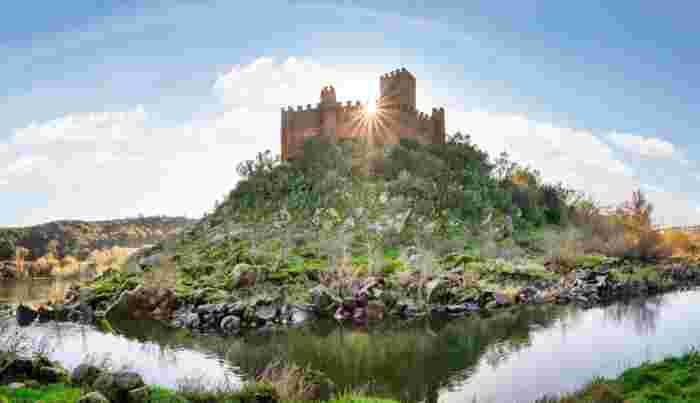
Almourol is a tiny island in the Tagus River, about 1.5 hours by car from Lisbon. A Templar castle covers most of it, and a short boat ride takes you across. It is one of the more unusual places to visit in Portugal and a memorable stop on a road trip through the central region. If you would rather not juggle ferries and flights yourself, Tailored By Locals can build a trip to Portugal that combines the islands and mainland stops you like.
Azores or Madeira: Which Is Better?
Neither is better overall. Madeira is better for reliable sun and easy logistics, while the Azores are better for wild volcanic nature and quiet trails. The right choice depends on the trip you want.
The table below sums up the main differences.
| Factor | Azores | Madeira |
| Weather | Changeable, often four seasons in one day | Mild and stable, especially on the south coast |
| Islands to explore | Nine, spread over 600 km | One main island plus Porto Santo |
| Landscape | Crater lakes, hot springs and green pastures | Steep mountains, sea cliffs and laurel forest |
| Hiking | Crater rims and coastal trails, few people | Levadas and ridge walks, more popular |
| Beaches | Black sand and natural pools, sandy bays on Santa Maria | Few sandy beaches, with the best on Porto Santo |
| Best months | May to September | All year |
| Ideal trip length | 7 days for one island, 10 or more for several | 5 to 7 days |
Madeira is great for a winter break, with short transfers and a lively capital with loads of great restaurants. The Azores are great for relaxing in hot springs, whale watching, and long-distance hiking with not another soul in sight.
Whale watching is possible in both regions. The Azores have the greatest number of sperm whales all year round and also experience occasional sightings of blue whales in the spring.
Can You Visit Both in One Trip?
Yes, direct flights from Funchal to Ponta Delgada take approximately 1h 45min. With a 10- 14-day trip to Madeira and São Miguel, you have plenty of time to get to know both locations in due course.
As flights on this route operate only a few times a week, it is wise to organize your travel schedule around the flights.
What Is the Best Island to Visit in Portugal?
For a first visit, São Miguel is the best all-round island, with the most variety in one place. If you want dependable mild weather, Madeira is the safer pick. The best match depends on who you are traveling with.
| Traveler type | Best island | Why it works |
| First-time visitors | São Miguel | Lakes, hot springs, tea and whales on one island |
| Honeymooners | Madeira | Cliffside hotels, fine dining and year-round warmth |
| Families | Madeira or São Miguel | Short drives, natural pools and gentle walks |
| Seniors | Madeira | Stable weather, good roads and easy levada walks |
| Hikers | Madeira or Flores | Ridge trails and levadas, or waterfalls and empty paths |
| Beach lovers | Porto Santo | About 9 km of golden sand and calm water |
| Whale watchers | Pico or Faial | Lookouts and boat trips in prime whale waters |
| Short break from Lisbon | Berlenga Grande | An easy day trip by car and boat |
What Is the Most Beautiful Island in Portugal?
Flores is known as the most beautiful island of Portugal. The island has many waterfalls, a few crater lakes, and many high sea cliffs. It is also a UNESCO Biosphere Reserve.
Pico Island is almost as good as Flores, with the volcano Monsarete rising from its center, covered in black stone vineyards. The north coast of Madeira has some of the best cliffs in the world, plunging straight down to the sea.
Islands Near Portugal That Aren't Portuguese
Some islands near Portugal often get mistaken for Portuguese territory. Knowing the difference helps you plan the right trip.
If you love the Atlantic mix of volcanoes and beaches, the Portuguese islands give you plenty of it without leaving the country.
Local Tips for Visiting the Portugal Islands
A few practical details make island trips run more smoothly. These are the tips local experts share most often with first-time visitors.
Plan Your Portugal Island Trip With a Local
The Portugal islands range from the volcanic Azores and subtropical Madeira to quiet nature reserves just off the mainland. São Miguel suits most first-timers, and Madeira wins for year-round sun. Flores and Pico reward travelers who want wild, empty landscapes.
The best island trips start with the right mix of islands, flights and ferries. Share what you have in mind with Tailore by Localst, and you will get a free, personal proposal within 48 hours from a local expert!