
Things to Do in Ecuador: Complete Guide to Its Four Worlds
Find inspiration, guides and stories for wherever you're going
Things to Do in Ecuador: Complete Guide to Its Four Worlds
Plan Your TripThe best things to do in Ecuador span four separate worlds, packed into a country the size of Nevada: the wildlife-rich Galápagos Islands, the snow and volcano-covered Andes highland, the wildly diverse Amazon jungle and the surfing paradise of the Pacific coast. Ecuador was actually identified as the 6th most biodiverse country in the world by Conservation International. In one holiday, you can walk up an active volcano, snorkel with sea lions, and explore Amazon jungle lodges.
In this guide, we cover the best experiences in each of Ecuador's four regions, the country's most famous foods, the best time to visit, and useful information to know before you go.
What Is Ecuador Best Known For?
Ecuador is famous for the Galápagos Islands - the volcanic archipelago which inspired Charles Darwin's concept of evolution and still rates as one of the world's best wildlife destinations.
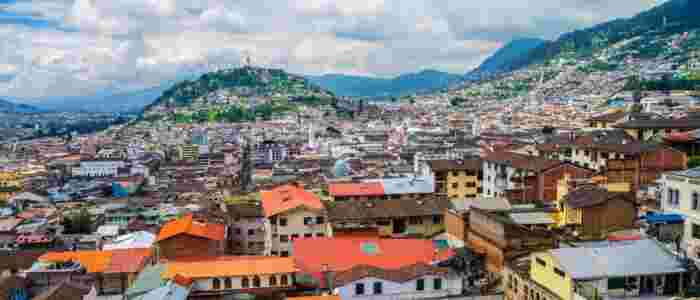
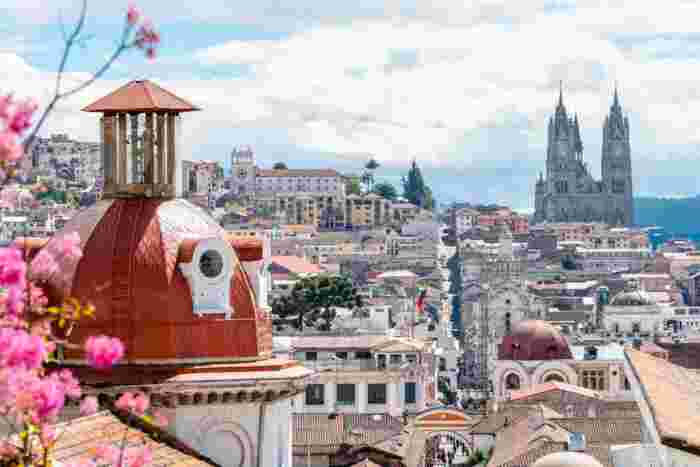
The country is also well known for sitting directly on the Equator (which is where its name comes from), the visible lines of which are marked by the Mitad del Mundo monument to the north of Quito. Quito Old Town was the first world heritage city declared by UNESCO, in 1978.
Finally, Ecuador is one of only 17 megadiverse countries in the world and is the true origin of the misnamed Panama hat.
What to Do in Ecuador as a Tourist?
The top things to do in Ecuador as a tourist are:
Top Things to Do in Ecuador's Four Worlds
Ecuador is officially divided into four geographic regions these are often referred to as its "four worlds": the Galápagos Islands, the highlands of the Andes (Sierra), the Amazon basin (Oriente), and the Pacific coast (Costa). All of them have a very different scenery, climate and available activities, yet thanks to the small size of the country, you can cover off each one in one trip. Here's a sneak-peek.
1. The Galápagos Islands: Wildlife Like Nowhere Else
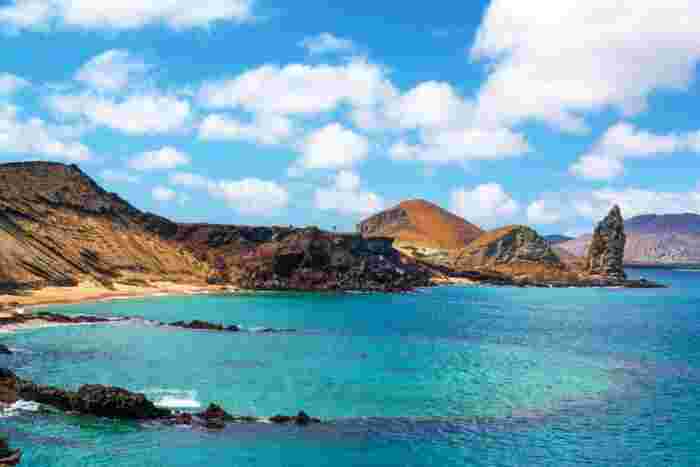
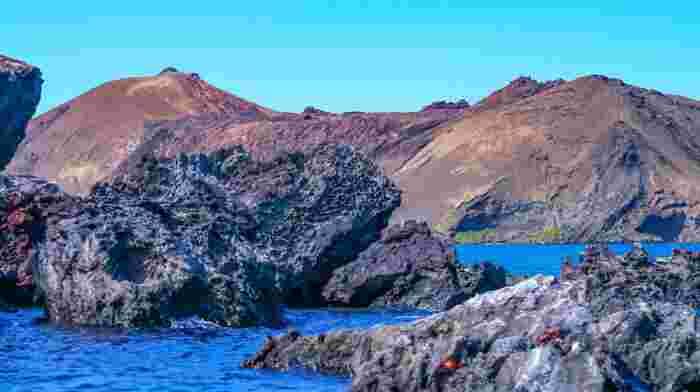
A trip to the Galápagos Islands is one of the highlights of nature & wildlife in Ecuador, especially for nature lovers and photographers. The animals on these isolated islands have no natural predators and don't fear humans, so you will be able to come close to giant tortoises, marine iguanas, blue-footed boobies, sea lions and even penguins, the only ones in the world to live north of the Equator.
Many of the best activities are spread out across the different islands. You can snorkel with hammerhead sharks at Kicker Rock off San Cristóbal or take a walk along the white sands of Tortuga Bay on Santa Cruz. You can even trek the rim of Sierra Negra volcano on Isabela, one of the world's largest active calderas. On Santa Cruz, visit the Charles Darwin Research Station at Puerto Ayora to see what conservation efforts are underway and giant tortoises.
Most visit the Galápagos for a 5 - 8 day cruise. This will give you enough time to visit remote islands otherwise inaccessible. Or you can go on island hopping tours from a hotel base (cheaper and more flexible, but restricted to inhabited islands). Cruises attract more wildlife, land-based excursions are less expensive.
So when is the best time to come? Well if it's wildlife you're after, then the cool, windswept and stormier climates from June - November are for you. If you're interested in warmer seas and snorkeling, December - May would be ideal.
2. The Andes Highlands: Volcanoes, Colonial Cities & Markets
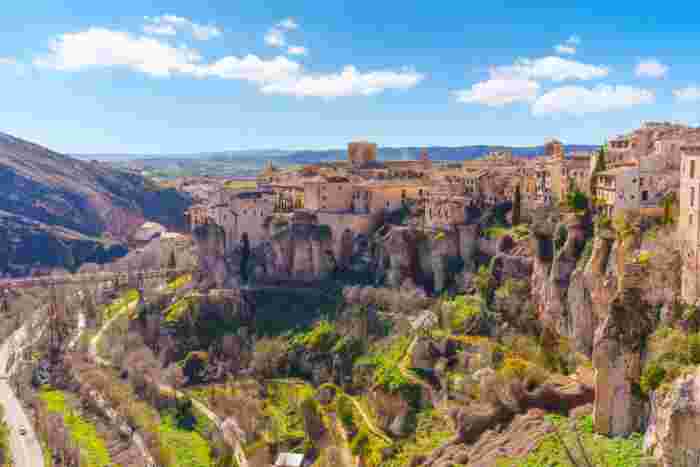
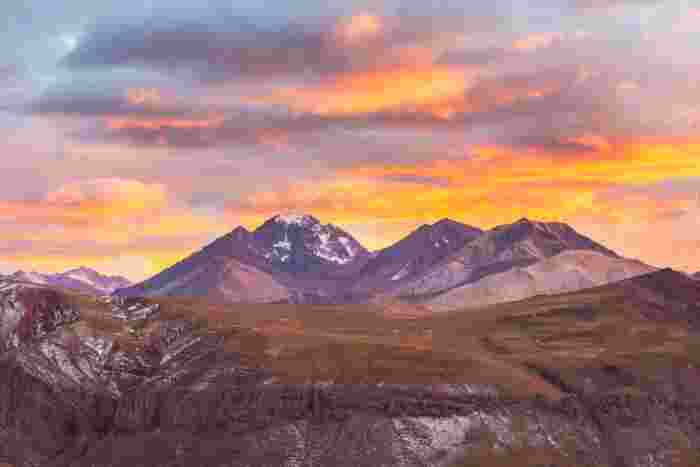
Halfway through Ecuador and splitting it clear in half are the soaring Andean peaks and the renowned Avenue of the Volcanoes, a highway lined with over a dozen snow-capped summits. This is where to find some of the best places to visit in Ecuador, including historic cities, enormous indigenous markets and the country's best mountain activities.
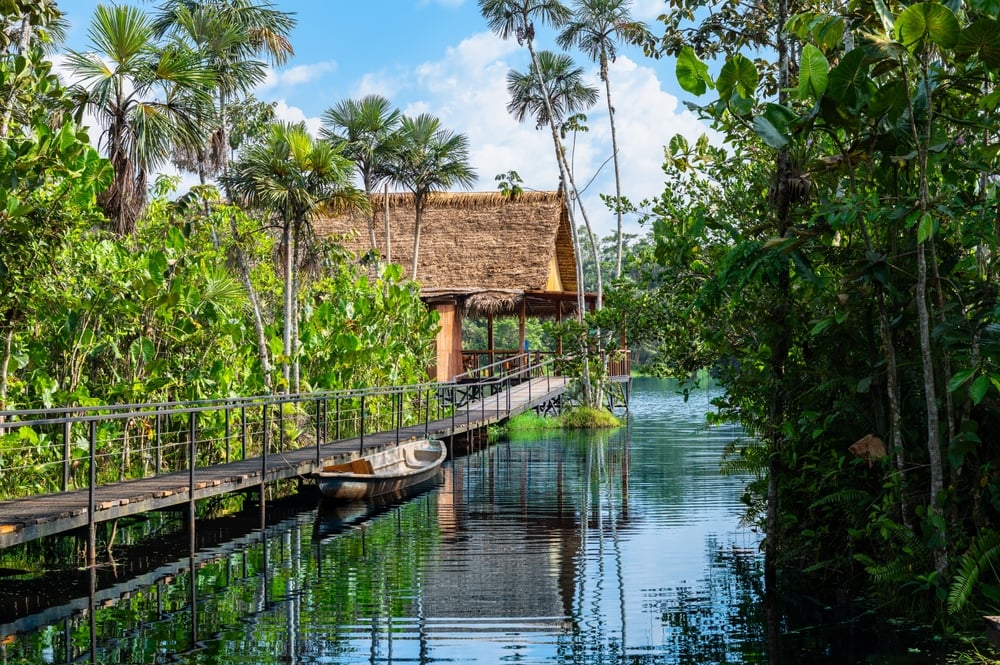
3. The Amazon Rainforest: The World's Most Biodiverse Ecosystem
Ecuador's portion of the Amazon, known as the Oriente, is among the most biologically diverse areas of the world. The Yasuní National Park is regarded as the most species-rich ecosystem globally, with over 596 bird species, 200 mammal species, 150 amphibian species, and an estimated 100,000 insect species per hectare. There are more species of trees in a hectare here than in all of the North American continent.
The traditional Amazon experience is to stay deep in the jungle at a remote eco-lodge that is accessible by canoe. Sacha Lodge and Napo Wildlife Center are two of the most renowned, both built with the input of local Kichwa communities and both featuring canopy walkways over 30m above the jungle floor.
Popular activities are night walks around the observing towers to see caimans, frogs and huge tarantulas, fishing piranhas on blackwater lagoons, climbing to the observation towers early in the morning to see parrots and toucans or visiting Kichwa and Huaorani communities to discover the medicinal plants used by that ancient tribe and traditional ways of life.
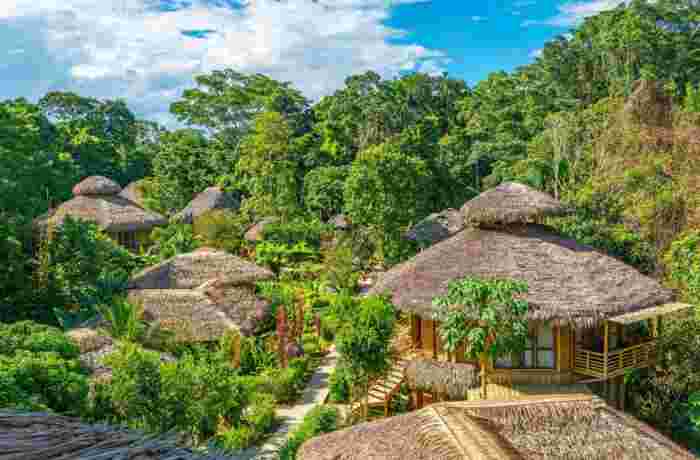
Reaching the jungle takes a short flight from Quito to one of the gateway airports to either Coca, which brings access to Yasuní and the Napo River, or Lago Agrio, gateway to Cuyabeno, followed by a 2 - 3 hour motorized canoe ride to your lodge.
Region selection is important. Yasuní offers the most pristine wilderness and greatest biodiversity for serious nature enthusiasts. Cuyabeno Reserve is less expensive and famed for its flooded forests and pink river dolphins. Tena is the whitewater rafting capital of Ecuador and the easiest Amazon experience to add to a short trip.
4. The Pacific Coast & Cloud Forest: Beaches, Surf & Wildlife
Ecuador's coast and cloud forest comprise the country's fourth world, a gorgeous blend of biodiverse mountain rainforest, surf beaches, and relaxed little fishing towns that hardly make it onto most travelers' maps. This is where you'll find the best wildlife outside of the Galápagos, often at a fraction of the cost.
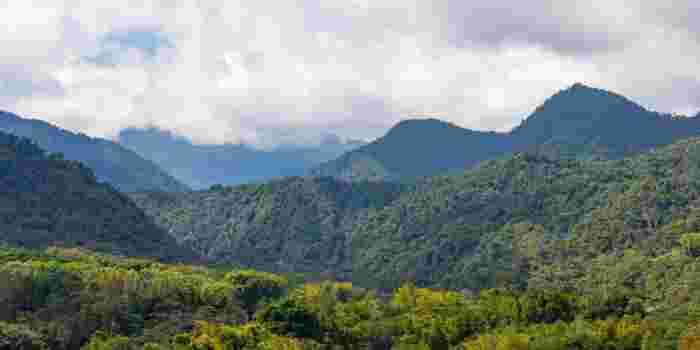
Mindo cloud forest, 2 hours northwest of Quito, is situated in a transitional zone between the Andes and the coast and boasts the greatest biodiversity for its size, of any place in the world. Over 400 species of birds reside within the area, including many hummingbirds and the rare Andean cock-of-the-rock. Must-dos include hummingbird sanctuary visits, the bean-to-bar chocolate tour, river tubing through the jungle, and zip-lining through the treetops.
Montañita, the most well-known surf town in Ecuador, attracts surfers willing to risk the ever-present offshore winds for the world-class waves between December and May, and hordes of partygoers are drawn to its busy nightlife strip. The biggest swells hit between December and May. Even non-surfers come for the beach culture, ceviche carts, and budget-friendly vibe.
Puerto López and Isla de la Plata are nicknamed the "Poor Man's Galápagos" for good reason. The island is home to blue-footed boobies, frigatebirds, and sea turtles, easily reached in a day's trip from the mainland. The coast is also one of South America's best for humpback whale watching from June -September, when thousands of whales make their annual northward migration in search of breeding grounds.
Salinas, on the Santa Elena peninsula, is one of the top destinations for family travel in Ecuador, thanks to its calm waters and wide sandy beaches. This is the weekend escape for Ecuadorians from Guayaquil and Quito.
Guayaquil, Ecuador's largest port city and major coastal center of activity, can merit a day or two by itself. Walk the Malecón 2000, a 2.5km riverside promenade along the Guayas River that is lined with gardens, museums, and restaurants. Climb the 444 steps of the colorful Las Peñas district for the most stunning views and live music at sunset.

Best Time to Visit Ecuador
Because of its position on the Equator, temperatures in Ecuador are fairly constant all year. Still, each region has its own wet and dry season. The best time to visit Ecuador depends on the area you are heading to, as most travelers get to experience the 'four seasons in one day' in the highlands with sunny mornings quickly turning to afternoon rain.
| Region | Best Months | Why |
| Andes / Highlands | June - September | Dry season, clear volcano views, ideal for hiking |
| Galápagos | June - November | Cooler weather, most active wildlife |
| Galápagos (snorkeling) | December - May | Warmer water, calmer seas, better visibility |
| Amazon | October - December | Lower rainfall, easier jungle access |
| Pacific Coast | December - May | Warm, sunny, best beach weather |
When planning your trip to Ecuador, June through September is usually the best period for combining the Andes, Amazon and Galápagos in one itinerary. It's the peak dry season in the highlands and Amazon, and conditions are great for wildlife viewers in the Galápagos. Just expect cooler temperatures and the occasional shower on the coast during these months.
Practical Things to Know Before You Go
Let’s see now some tips that will make visiting Ecuador simple and much easier than it already is, especially for North American tourists.
How Many Days Do You Need in Ecuador?
You need a minimum of 7 to 10 days to experience the best of Ecuador without rushing. If you have only 5 days, do a Galápagos cruise plus a quick visit to Quito. 10 days will get you a little side trip to Cotopaxi, Otavalo or Baños.
If you're planning a trip to Ecuador and want to experience all four regions properly, allow at least 14 days for a more complete itinerary. With three weeks or more, you can fully explore the Avenue of the Volcanoes, Cuenca, and several Amazon lodges at a comfortable pace.
Conclusion
To find the best things to do in Ecuador, you need to first decide which of the four worlds you are most attracted to. The Galápagos have rich and unique wildlife that in many cases might be a once-in-a-lifetime opportunity to encounter. The Andes have colonial cities and volcano hikes, while the Amazon will allow you to really immerse yourself into the Ecuadorian nature. And finally, if you want beaches, surf, whale-watching and relaxed beach towns, then the Pacific coast is for you. All that is packaged with amazing local cuisine and a stable US-dollar economy.
So, are you ready to experience Ecuador without the guesswork? Talk to Tailored by Locals and share your needs, wishes and expectations. A local expert will then design an itinerary that will bring your vision of a trip to Ecuador into reality!