15 Best Things to Do in Spain: A First-Timer’s Guide (2026)
15 Best Things to Do in Spain: A First-Timer’s Guide (2026)
Plan your Spain tripFinding the best things to do in Spain is not as easy as it sounds. Spain is a large country with almost 50 million inhabitants and around 100 million yearly visitors. The country offers so much to do and see, that it is easy to get overwhelmed from the options.
Moorish palaces, Andalusian culture, delicious food and beautiful coastlines dot Spain and no single trip can cover it all. So, in this guide, we will give you our top choices of things to do in Spain to help you when designing an itinerary.
Let’s get into it!
How to Choose What to Do in Spain
A trip to Spain is much more enjoyable when you focus on one or two regions instead of trying to see the entire country at once. For newcomers, it is advisable to divide Spain into four major areas and choose one or two.
Which region matches your trip?
| If you're mostly here for… | Go to |
| History and architecture | Andalusia (Granada, Seville, Córdoba) |
| Food and wine | Basque Country (San Sebastián) and Catalonia |
| Beaches and coastline | Costa Brava, Costa del Sol, the Balearics |
| Nightlife and city energy | Barcelona, Madrid, Ibiza |
| Nature and hiking | The Canary Islands, the Pyrenees, Picos de Europa |
| Art museums | Madrid (Prado, Reina Sofía, Thyssen) |
The 15 Best Things to Do in Spain
Spain offers more variety than most countries of Europe can manage. From the palaces of the Moors and the basilicas in the Gothic style, to the flamenco bars, the pintxo counters with the Michelin stars, and beaches across two oceans and two seas, it is hardly surprising that the first-time visitors who discovered the experiences listed below keep coming back.
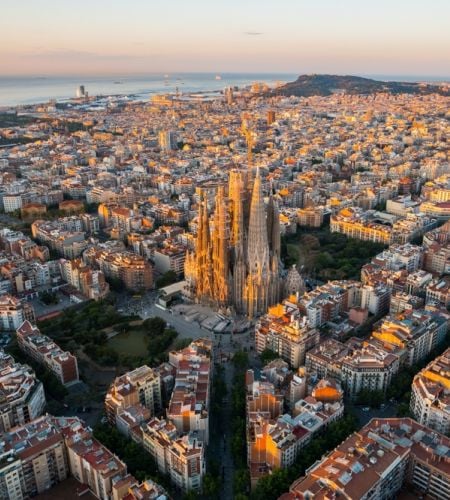
See the Sagrada Família: Barcelona
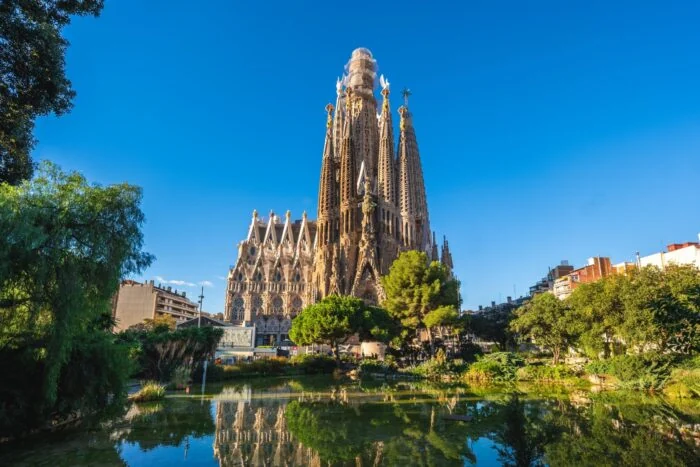
A trip to Barcelona feels incomplete without seeing Gaudí's Sagrada Família, one of the most iconic landmarks in Europe. Antoni Gaudí's basilica stands as the most visited monument in Spain, and 2026 is the perfect year to witness it. On 20 February 2026, the final piece of the upper arm of the cross was placed on the Tower of Jesus Christ and the Sagrada Familia reached a height of 172.5m and was declared the tallest church in the world. The achievement coincided with the centenary of Gaudí's death, 144 years since the commencement of the construction. While the interior, the Glory Façade, and the monumental staircase will still see changes till the 2030s, the famous outline that Gaudí designed is at last finished.
Plan ahead: Purchase your admission tickets from the official website (sagradafamilia.org) at least 2 - 3 weeks ahead for the high season. A ceremony of dedication is set on 10 June 2026, the centenary of Gaudí's death so anticipate a surge of demand during the summer.
Visit the Alhambra: Granada
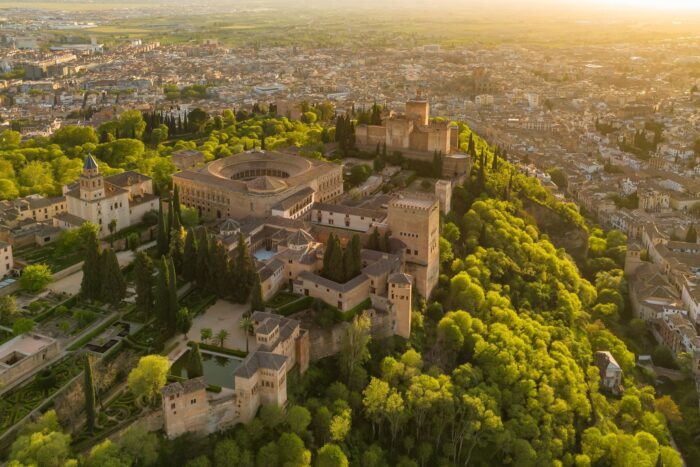
The Alhambra, a UNESCO World Heritage Site, is a palace-fortress complex and one of the highlights of cultural and historical travel in Spain. Built by the Nasrid sultans in the 13th and 14th centuries on a hill overlooking the city of Granada, the Alhambra is surrounded by mountains and forest. It is most famous for the Nasrid Palaces (the stucco work, the Court of the Lions, the Hall of the Ambassadors), the Alcazaba, a military fortress, and the Generalife, a summer palace used by the sultans to escape the city in the hotter months of the year. Schedule 3 to 4 hours min. To have the most peaceful visit and the best natural light book the first Nasrid Palaces time slot at 8:30am.
Preparation for the visit: Tickets for the Alhambra can be booked up to 3 months in advance on the website tickets.alhambra-patronato.es. The quickest sell-out occurs from April to August. The Nasrid Palaces have a set time slot for entry, which cannot be changed once booked.
Explore Madrid's Golden Triangle of Art
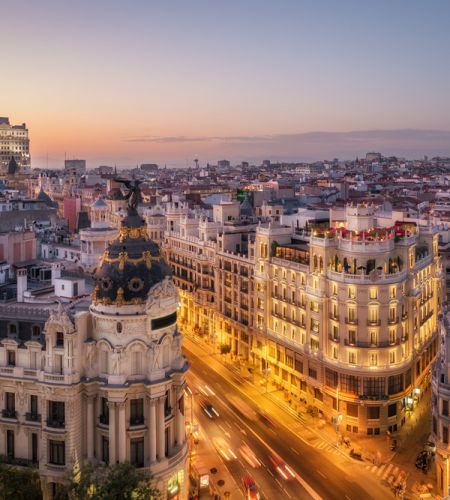
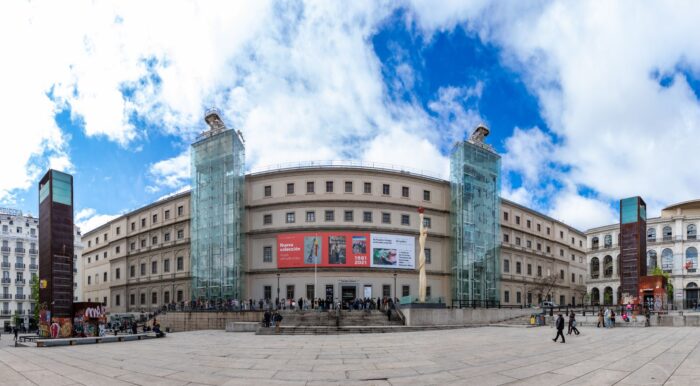
A trip to Madrid is perfect for travelers interested in world-class museums, historic plazas and late-night tapas culture. Madrid’s three principal museums are just a 15 minute stroll along the Paseo del Prado from each other. They are referred to as the Golden Triangle of Art. The Prado Museum houses Spain’s definitive collection of Spanish Old Masters including Velázquez’s Las Meninas, Goya’s Black Paintings, and El Greco. The Reina Sofía is the modern alternative, housing Picasso’s Guernica as well as works by the Spanish surrealist Dalí and the abstract expressionist Miró. The Thyssen-Bornemisza Museum of Art fills in the blanks with a private collection that spans eight centuries of art from medieval painting to the Pop Art of America. It is one of Europe’s strongest concentrations of art.
Plan your time: It is not feasible to visit all three in one day. In reality, two museums per day is the maximum you can expect to do. As both the Prado (6–8pm) and the Reina Sofía (7–9pm Mon, Wed–Sat) offer free entry in the evenings this can help you pack in more to your trip.
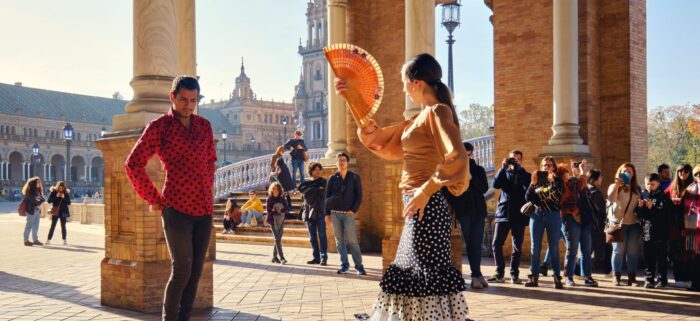
Watch Live Flamenco: Seville
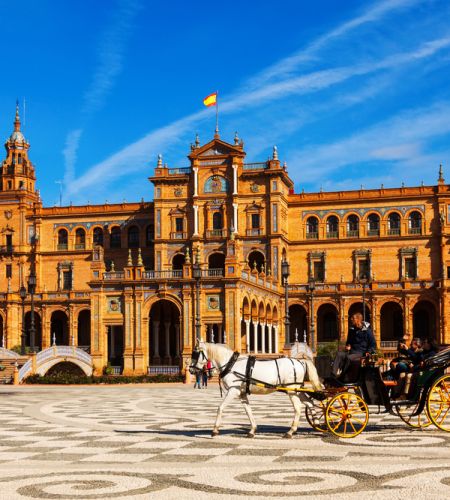
Travel to Seville to experience authentic flamenco culture and Andalusian traditions.Flamenco was born in the 18th century in Andalusia from the music of the Romani, Moors and Jews and Seville is the cradle of this art. A complete flamenco show is made of three parts: cante (singing), toque (guitar) and baile (dance) with palmas (hands) and footwork. There are two forms to enjoy it: in a tablao, in a very intimate environment and where the spectator is only a few meters from the dancers or in a theater venue like Teatro Flamenco Sevilla where there is a bigger and more polished production.
Plan ahead: Shows are every night. If you’re traveling in summer, book a couple of days in advance. Flamenco was declared a UNESCO Intangible Cultural Heritage of Humanity in 2010. If you can time your visit to come to Seville for the Bienal de Flamenco, which takes place every two even-numbered years in September, it will be worth it.
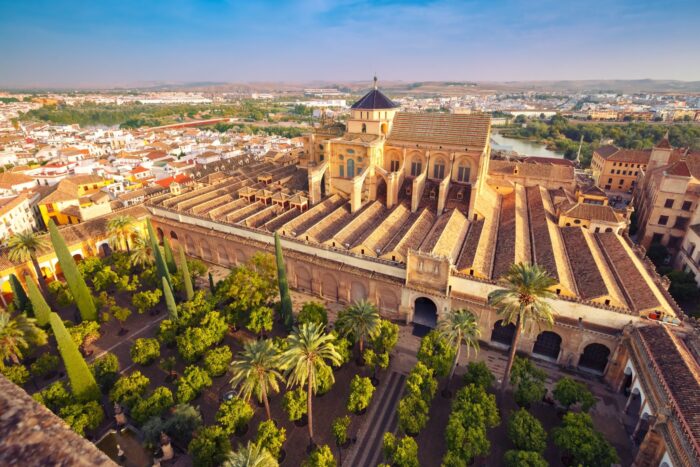
Wander the Mezquita-Catedral: Córdoba
The Mezquita-Catedral is one of the few buildings in Spain which so clearly display their history. Construction of the Great Mosque of Córdoba began in 785 and it was gradually enlarged over the course of two centuries to form one of the largest mosques of the Islamic world. It was converted into a cathedral after the Reconquista in 1236 and its greatest innovation, the full Renaissance nave that was built into the very heart of the mosque’s vast prayer hall, was created in the 16th century. Today this forest of 856 red-and-white double arches in striped jasper, marble and granite is dramatically opened up to reveal the cathedral’s altar. The Mezquita-Catedral was declared a UNESCO World Heritage Site in 1984 together with the historic centre of Córdoba.
Plan your visit: Free admission on Monday to Saturday from 8:30 am to 9:30 am. No groups, no large bags. 90 minutes minimum to visit the Mezquita-Catedral.
Eat Your Way Through San Sebastián
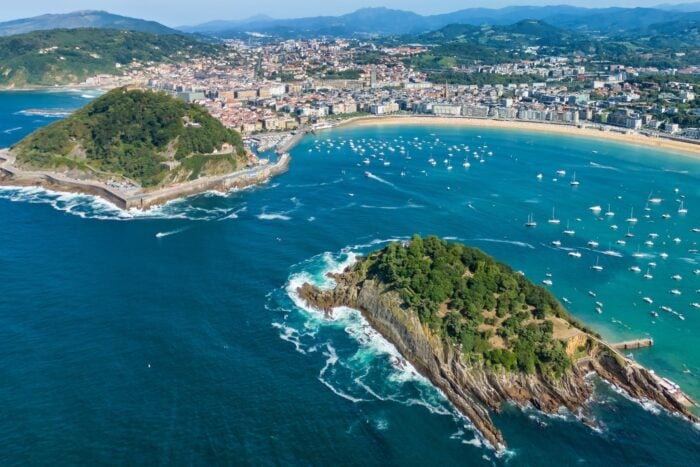
San Sebastián is the city in Spain that takes food most seriously. Its 19 Michelin stars are spread across 11 restaurants within a 25km radius, including the 3 three-starred Arzak, Akelarre and Martín Berasategui. But it is the city’s street food, the pintxos, that is the real focus of the city’s food scene. In the Parte Vieja, the Old Town, every bar has its own selection of pintxos (small snacks held together with a cocktail stick) and the local custom is to go from bar to bar, have a zurito (small beer) and a few pintxos in each.
Reserve 2-3 months in advance for the three starred restaurants. No reservations required for pintxos, just turn up. A good starting point for any pintxos crawl is Bar Néstor (famous for the simple yet amazing tomato salad & grilled steak), Borda Berri & Atari for a taste of the classic circuit.
Wine Tasting in La Rioja
The wines from La Rioja, in the north of Spain on the banks of the Ebro River, are Spain’s most well-known and the first to earn Spain's top wine classification, DOCa (Denominación de Origen Calificada). The region is also celebrating its 100th anniversary in 2026, as it was in 1925 when it became the first of Spain’s Designations of Origin. La Rioja covers an area of 65,000 hectares with 600 bodegas producing mostly red wines with Tempranillo.
There are three sub zones within the Rioja region: the Rioja Alta (more elegant and long in the bottle), Rioja Alavesa (lighter wines, usually sold as single vineyard wines) and Rioja Oriental (warmer, fruitier). The Vivanco Museum of Wine Culture, in the town of Briones, spans over six floors and covers 8,000 years of wine culture, is one of the best wine museums in the world.
Book in advance: many cellars require booking sometimes up to one week in advance, especially in peak season. Make Logroño (the capital, walkable with great pintxos on Calle Laurel), or Haro (at the heart of the wine trade, 7 historic cellars in the Barrio de la Estación, all within walking distance of each other).
Day-trip to Toledo from Madrid
A trip to Toledo offers one of the best introductions to Spain's medieval Christian, Jewish and Moorish heritage. 70km south of Madrid, on a hill overlooking the Tagus River, is the easiest day trip from the capital. The walled city has been a UNESCO World Heritage Site for nearly a thousand years.
You can see all its influences on foot: The Gothic Cathedral, the Synagogue of Santa María la Blanca (from 12th century with some of the most beautiful Moorish horseshoe arches), the old Mosque of Cristo de la Luz from 999 CE and the Church of Santo Tomé with its famous painting by El Greco, The Burial of the Count of Orgaz. For centuries, Toledo was the capital of Spain, before it was moved to Madrid in 1561.
Book in advance: The AVE trains run about hourly from Madrid Atocha station. Book ahead a few days online. Allow a full day. Although Toledo is a small and dense town, the hills are a lot steeper than they look.
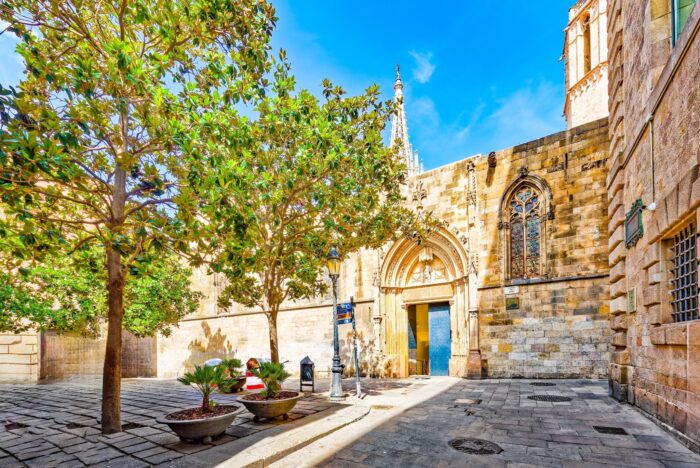
Park Güell + Gothic Quarter: Barcelona
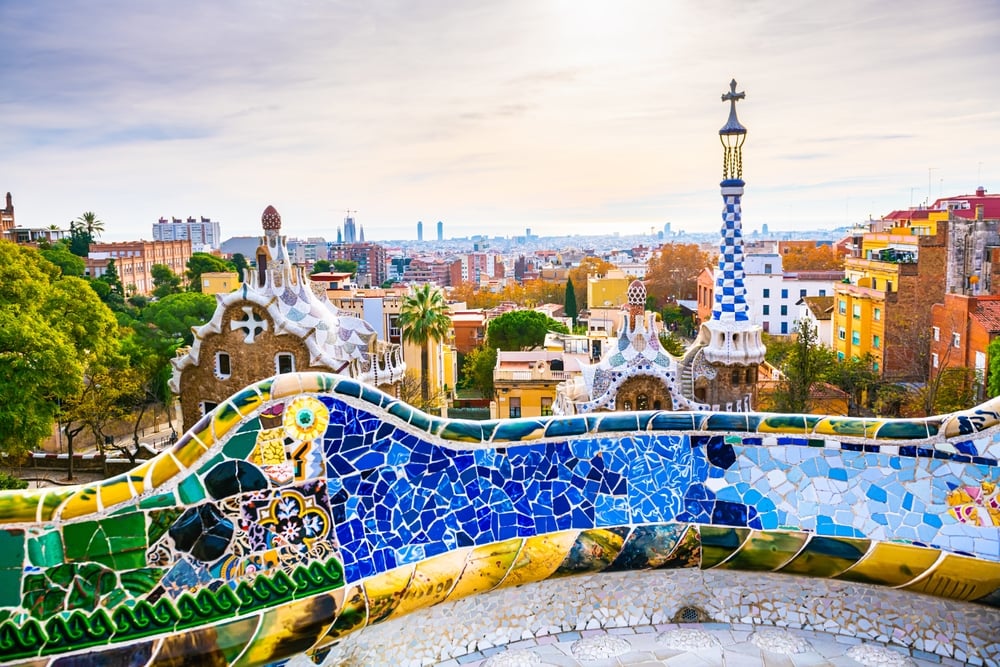
The Sagrada Família gets the headlines, but you shouldn't ignore the Gothic Quarter (Barri Gòtic) and Park Güell in Barcelona. The Gothic Quarter is the medieval heart of the city: a small and very winding street with medieval buildings in between Plaça de Catalunya and the harbor, with the Barcelona Cathedral right in the middle. It is possible to see Roman wall fragments throughout the street.
Park Güell, a large public park designed by Gaudí between 1900 and 1914, is also a UNESCO World Heritage Site and is known for its trencadís mosaic serpentine bench, the El Drac lizard fountain and the views of the city from the upper terraces. The Monumental Zone of the park (where the famous mosaics are) needs a ticket that can be booked online. The rest of the park is free to visit. Early morning or late in the afternoon is the best time to visit to get the best light.
Plan ahead: The ticket to the Monumental Zone of Park Güell is time-stamped and has to be bought online in advance. It is best to book it up to a week in advance. The rest of the park is free to visit.
Explore the White Villages of Andalusia
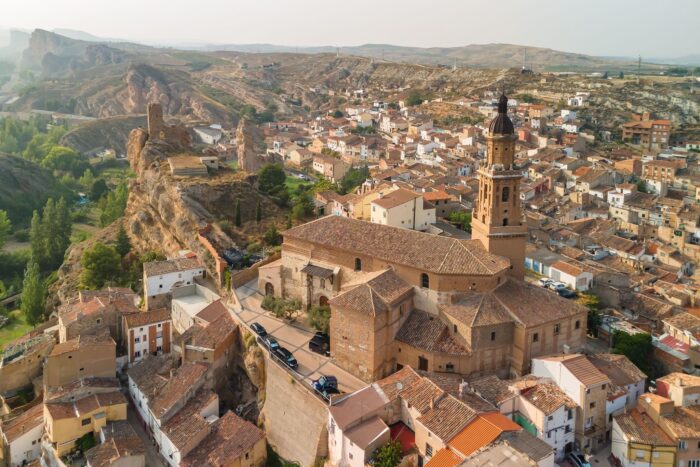
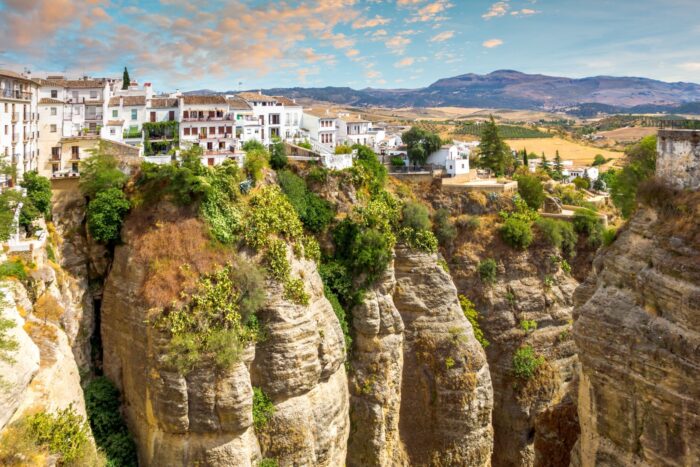
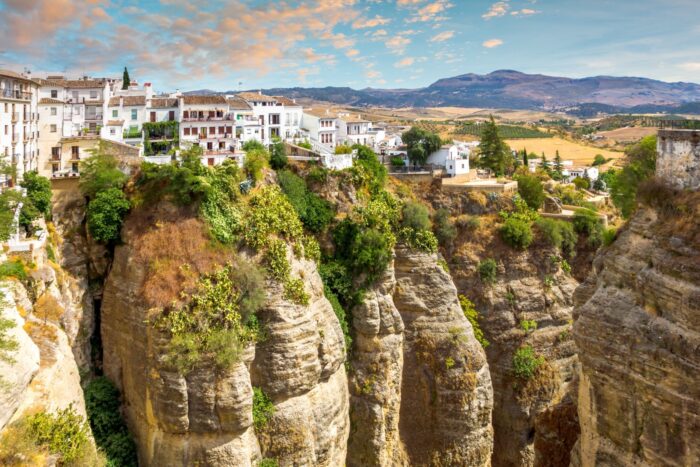
The pueblos blancos (white villages) of Andalusia in the Sierra de Cádiz and the mountains of Málaga province, are far removed from the bustling cities of Andalusia. Here we will look at the three most essential.
Ronda is cut in two by the deep El Tajo gorge, which is crossed by the 18th-century Puente Nuevo (New Bridge). The bridge, 98m above the river, was completed in 1793, after a previous attempt at building a bridge collapsed, killing around 50 builders.
Arcos de la Frontera, perched on a sandstone cliff above the Guadalete River, is a maze of narrow streets, culminating in great views from the various miradores (viewpoints) around the town.
Vejer de la Frontera, on the other hand, is a walled town with Moorish origins and an increasing number of restaurants, bars, and hotels.
You can get to each of the pueblos blancos by public transportation, but it is much easier with a car, as the towns are not close to each other. The classic route for visitors is the Ruta de los Pueblos Blancos (Route of the White Villages), which takes in 19 of the pueblos blancos. It is recommended to visit the three features here in two to three days, at a leisurely pace.
Beach Time on the Costa del Sol or Costa Brava
Beach Time on the Costa del Sol or Costa Brava
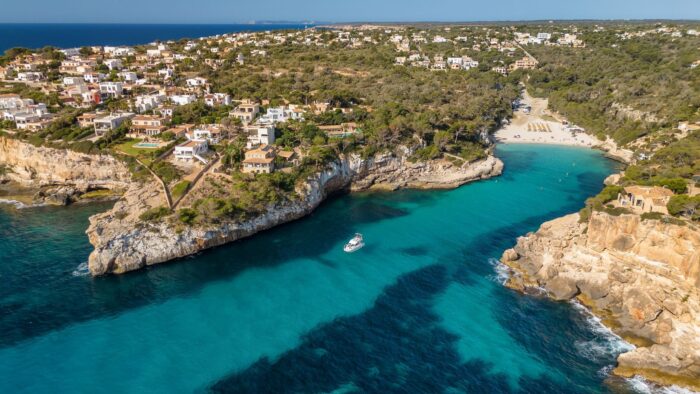
Two of the most well-known coastlines on mainland Spain are found on opposite sides of the country. The Costa del Sol in the south of Andalusia (stretching along the Mediterranean from Málaga to Estepona) is the warmer of the two. The coastline has 320+ days of sunshine per year and contains a wide variety of sandy beaches with lively resort towns, such as Marbella and Nerja. This region is commonly used as an add-on to the Granada-Seville-Córdoba leg of any Spanish itinerary.
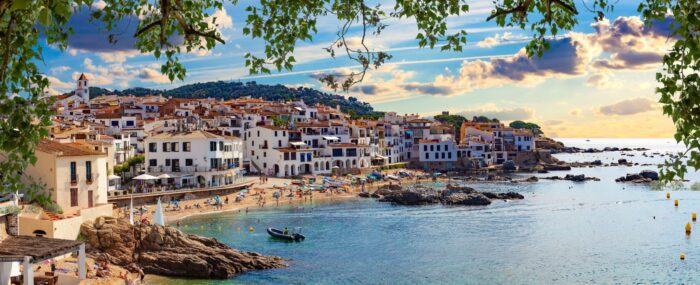
A trip to Costa Brava, located in the north of the Catalonia region, is a wilder alternative. A region of rocky coves and pine-backed cliffs, home to a variety of small fishing towns, such as Cadaqués (the home of Dalí) and Tossa de Mar. The water is cool and ideal for those looking for scenery and atmosphere.
Plan ahead: Although both coasts are very busy in July and August, the weather is also nice in June and September, with fewer people as well. Cadaqués has a very limited parking space, so it’s better to go there in the middle of the week.
Island hop in the Balearics: Mallorca and Ibiza
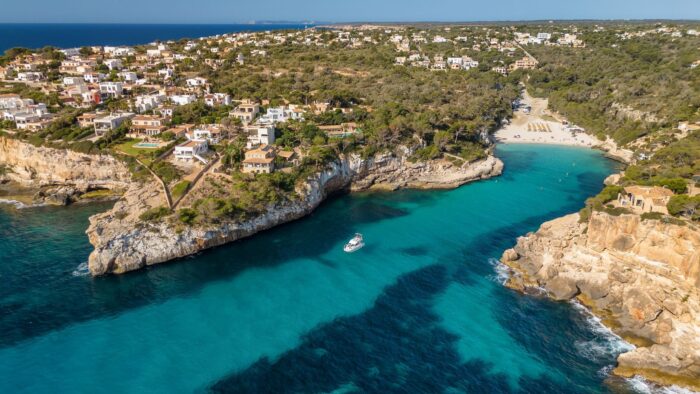
The Balearic Islands are more rewarding towards a slower trip than most first-time visitors would believe, especially for family travel in Spain. On Mallorca there’s the ‘must-do’ triangle of Port de Sóller, a small port town on Mallorca’s northwest coast (backed by the Serra de Tramuntana mountains and connected by a 1912 wooden tram from Soller town), the Caves of Drach near Porto Cristo (a 2.4km long network of limestone caves with a daily classical music concert on the 117-metre-long Lake Martel since 1935), and the old town of Palma. In Ibiza, avoid the nightclub stereotype and head to Dalt Vila, the historic fortified walled town in the upper streets of Ibiza Town’s harbor, with its Phoenician roots, 16th-century Renaissance walls and great restaurants.
Book ahead: ferries from Palma de Mallorca to Ibiza Town take between 2 and 4 hours (but there are flights too). Tickets for the Caves of Drach sell out fast for same day entry, particularly in peak season (book for 9am, 12 noon or 3pm slots in July and August). Go to Dalt Vila at sunset.
Hike in the Canary Islands
Go to the Canaries, a Spanish archipelago off the coast of Africa, for some of the best adventure travel experiences in Spain and year-round hiking opportunities. The main stage for hiking in the Canaries is Teide National Park on Tenerife, home to 3,718m tall Mount Teide, the highest peak in Spain and the third largest volcanic cone in the world, after Mauna Loa and Mauna Kea. Teide National Park has been a UNESCO World Heritage Site since 2007 and is one of the top destinations for nature and wildlife experiences in Spain. For a very different experience, there’s Timanfaya National Park on Lanzarote with its 18th-century lava fields, where NASA uses the island for astronaut training.
Book in advance: A free permit has to be booked several months in advance. Only 200 people per day are allowed to reach the highest point of Teide, so the tickets for the cable car (that takes you most of the way up) are often sold out fast.
Walk Part of the Camino de Santiago
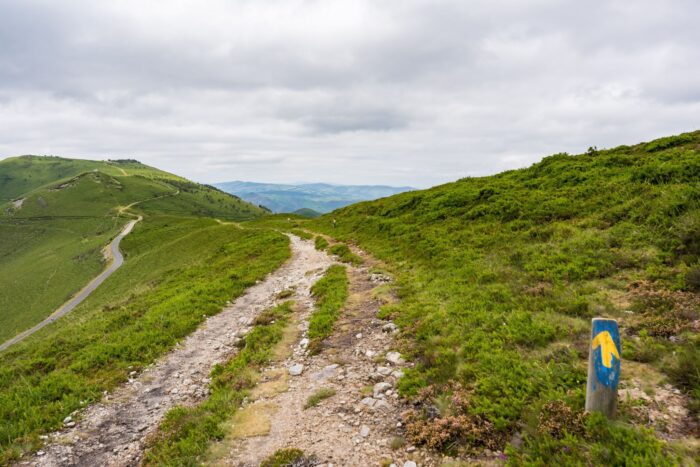
The Camino de Santiago is the medieval pilgrimage network that converges on the cathedral in the Spanish city of Santiago de Compostela. There, the remains of Saint James the Apostle are believed to rest. 530,919 pilgrims completed the route in 2025. You don't need to walk the full route. The minimum to pick up a Compostela certificate is 100km on foot or 200km by bike and the most popular starting point is Sarria on the Camino Francés (the French Way). The Sarria to Santiago section is a seven night trek through a verdant green countryside, with numerous refuges and pilgrim hostels along the route. The Portuguese route from Porto is gaining fast in favor.
Book your accommodation in advance. To start your pilgrimage, pick up a free ‘credenzial’ (pilgrim passport) at an official starting point. Have your stamps signed along the way. May, June and September are the best months to start your pilgrimage. July and August are very hot and very crowded.
Time Your Trip to a Major Festival
Here we detail the five major festivals held each year, which can be a defining experience for the visitor.
- Las Fallas, 15–19 March in Valencia: Las Fallos are five days of fireworks, giant sculptures, processions and the burning of the 700 plus satirical sculptures (ninots). The final night is the main event and is attended by millions.
- Feria de Abril, Seville, 21–26 April 2026: A week of flamenco, sherry, horse parades and dance. While some of the individual casetas (tents) may be private, many are open to visitors alike, and they contain all manner of entertainment, from children’s games to live music and dancing, not to mention plenty of food and drink.
- San Fermín (Running of the Bulls), Pamplona, 7–14 July 2026: The famous running of the bulls takes place every morning at 8 AM with the rest of the day and night turning into a huge party. Controversial, intense, world-famous.
- La Tomatina, Buñol, August 26th, 2026: The world’s biggest food fight with up to 20,000 participants (all ticketed) for one hour of organized tomato throwing.
- Semana Santa, Holy Week, 29 March - 5 April 2026: Held all over Spain but nowhere near as good as in Seville. It is a time of dark night processions, of solemn silence, hooded penitents, and of decorated and candle-lit religious floats, all very different from the fiestas of summer.
Book in advance: Hotels, hostels and apartments during the festival period will be all booked up 3 to 6 months in advance. Booking a hotel or apartment in a nearby town or village and going in by train or bus every day can be an effective alternative.
Plan your Spain trip with a local
Tell us the trip you have in mind. A local expert sends you a personal proposal within 48 hours, free and with no obligation to book.
How Many Days Do You Need in Spain?
A week can be enough to explore a region of Spain but not the whole country. Andalusia, which contains the cities of Granada, Seville and Cordoba, could be explored in 7 days or you could combine the three main cities of Spain: Madrid, Barcelona and Seville.
Traveling in Spain for 10 to 14 days is ideal for first time visitors as it allows you to experience some of the best cities to visit in Spain, including Madrid, Barcelona and the highlights of Andalusia. High-speed AVE trains allow for connections in 2.5 to 3 hours between each of the cities. If you have even longer time in Spain, you could add the Balearic or Canary Islands, or the food-and-wine north of Spain, with cities such as San Sebastian, La Rioja and Bilbao.
Best Time to Visit Spain for These Experiences
For most of the things to do and see in Spain, the best time to visit is in spring (April - June) or in autumn (September - October) when it is warm, but not too hot and there are not too many tourists. Summer (July - August) is the best time for the coastlines and the islands, but in the interior of the country the temperature can reach 40°C in summer.
Winter is mild in the Canary Islands (year-round 20°C+) and perfect for city trips to Madrid and Barcelona. Some experiences are seasonal, for example Las Fallas in March, Córdoba Patio Festival in May, the Camino in spring and autumn.
Conclusion
The best things to do in Spain cannot be all listed in a single itinerary. Spain is a huge country with a lot to offer like the Alhambra and the Camino de Santiago, the pintxo culture in San Sebastián, the underground lakes in Mallorca, the works of Gaudí in Barcelona or the white villages of Andalusia. To do Spain justice, you should focus on one or two regions per week, enjoy the local food and book the famous sights in advance.
So, are you ready for your trip to Spain? Share your wishes, interests and your image of a perfect vacation to Spain and a local expert will design an itinerary that will bring this vision to life!
Tailor-made Spain trips to start from
A starting point — every trip is fully personalized to you by a local expert.