Japan by Cultural Craft, Cuisine & Ancient Roads: A 13-Day Journey from Tokyo to Kyoto & Osaka

The Japan of contrasts, so much to see and experience on a 13 day tailored Japan journey through Tokyo, Mt Fuji, Nagoya, Kyoto, Osaka and the famous Kobe. On this Japan tour, Tokyo’s many facets of flavor, innovation, history, rugged landscape and spiritual depth will be brought to your attention. From there you will move to the fun izakaya’s, fresh fish markets, the mighty world of sumo wrestling and how to make the finest sushi to one of Japan’s oldest cities in existence, Kawagoe, a charming and atmospheric place to discover. Mt Fuji and its beautiful Lake will provide a scenic backdrop for experiencing a traditional hot spring and learning about the making of Japanese whisky at one of only a handful of distilleries in Japan. In the innovative city of Nagoya Japan’s cutting edge designs and engineering concepts will be on show and delving into the very traditional roots of Japanese food in particular hatcho miso, one of Japan’s most well known and highly revered condiments. Walk the famous trail of the Nakasendo, an ancient route which takes you along forested paths and through many post towns, some fully restored to their former glory. Of particular interest are the family-run inns, temples and beautiful gardens along the way. After your Nakasendo adventure, travel to the historic and cultural capital of Japan, Kyoto, to discover and experience famous temple and garden scenes, a traditional Japanese tea ceremony and sample some of Japan’s most delicate sweets, wagashi. Walk through a thousand or so famous shrines’ gates, the iconic red painted Torii gates and gain insight into the highly intricate and complex art of making swords at a traditional katana workshop. This unique Japan tour then moves onto the two food lover cities of Japan, Osaka and famous for its world class Wagyu beef and finest sake, Kobe. Finally, it culminates with a visit to the UNESCO World Heritage Site of Himeji Castle, a place of great beauty and refinement, often referred to as a jewel of Japanese architecture.
What's included
Itinerary
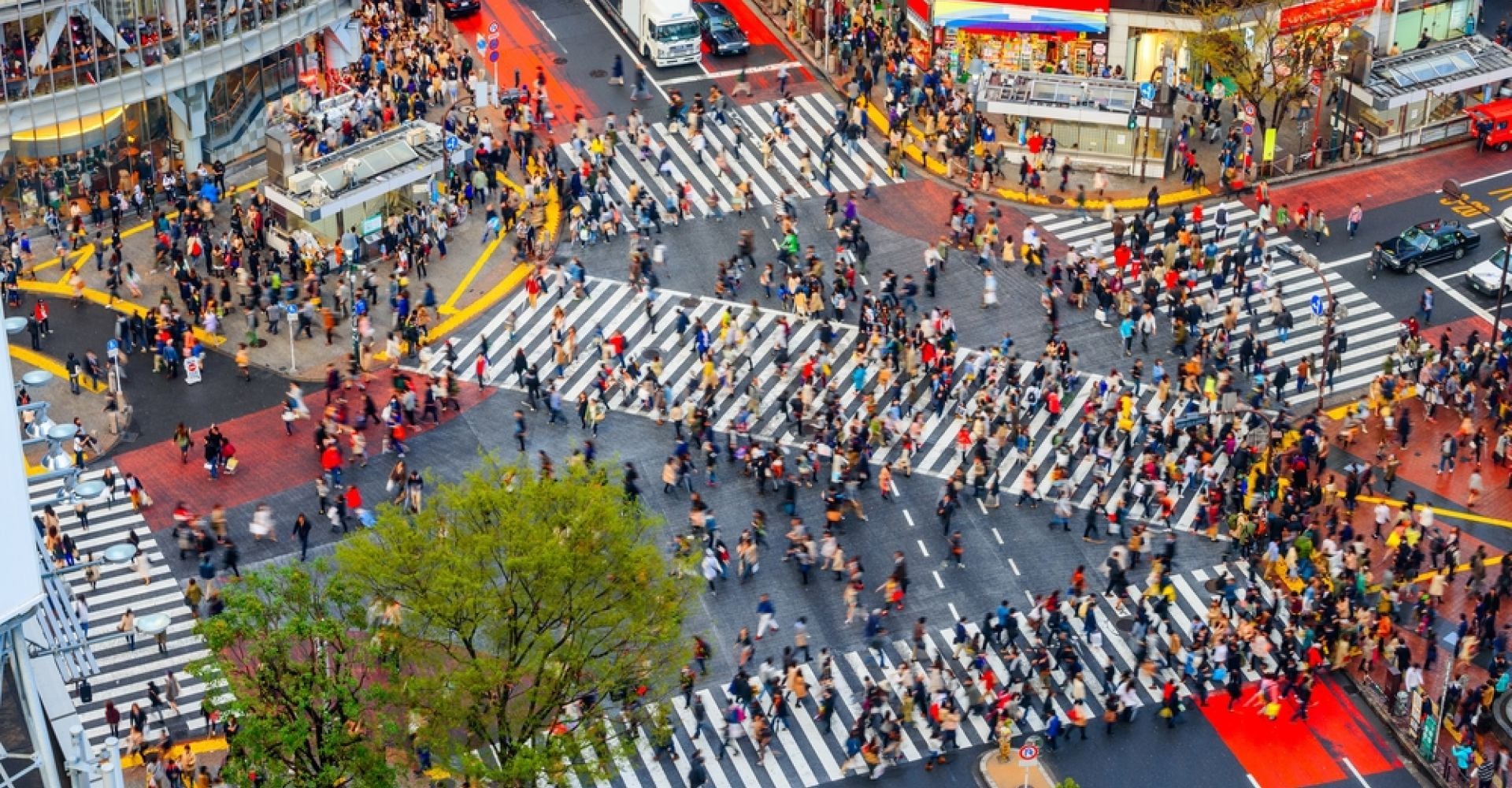
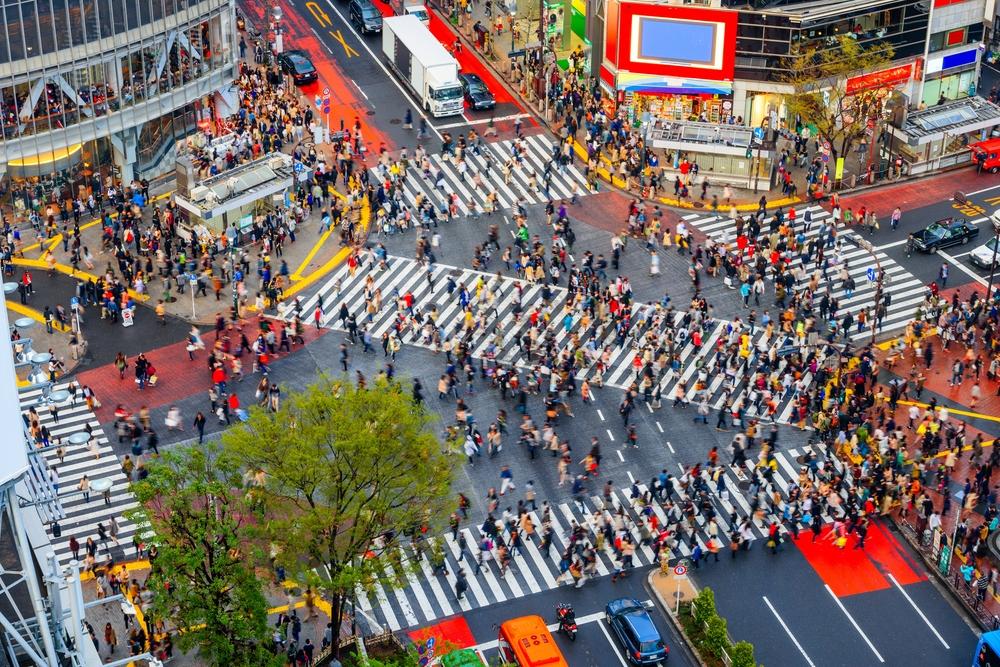
Tokyo is a cosmopolitan city made up of glass high-rise buildings, neon lights and ancient shrines and temples. There are so many restaurants and bars to choose from in all the different areas and this tour will allow you to experience local Tokyo. After arrival at Tokyo’s airport, your guide will meet you in the arrivals hall to take you to your hotel. After checking in at the hotel, take a stroll around Shibuya, one of the busiest train stations in the world. It is famous for the Shibuya Scramble, which is one of the world’s busiest crossing points. In the evening, join a guided food tour of the up and coming area of Monzen Nakacho and sample local favorites such as korokke, onigiri and kakigori. The food tour will end with a refreshing drink in a traditional izakaya. This tour will experience the real Tokyo culture, food and nightlife.
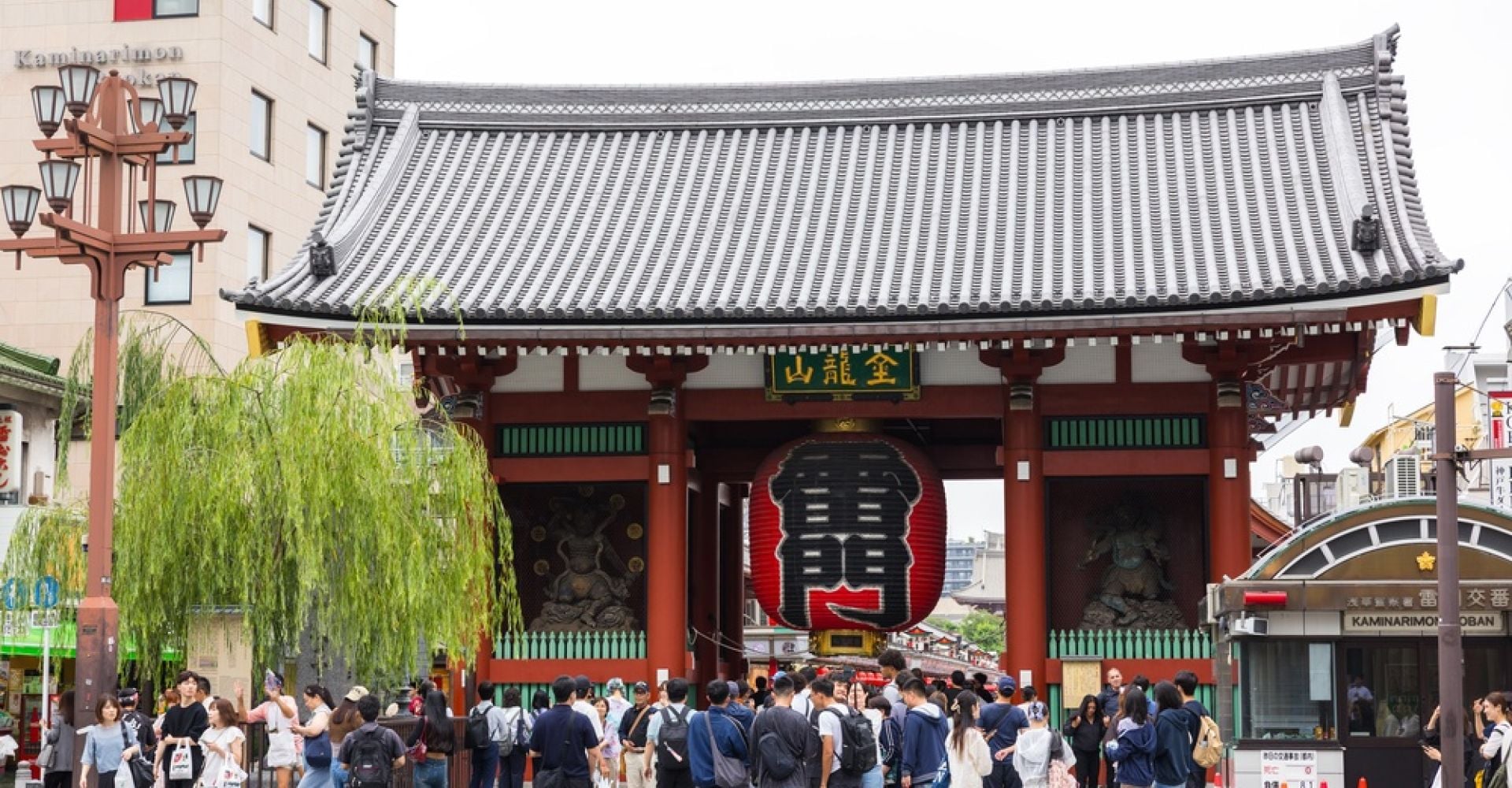
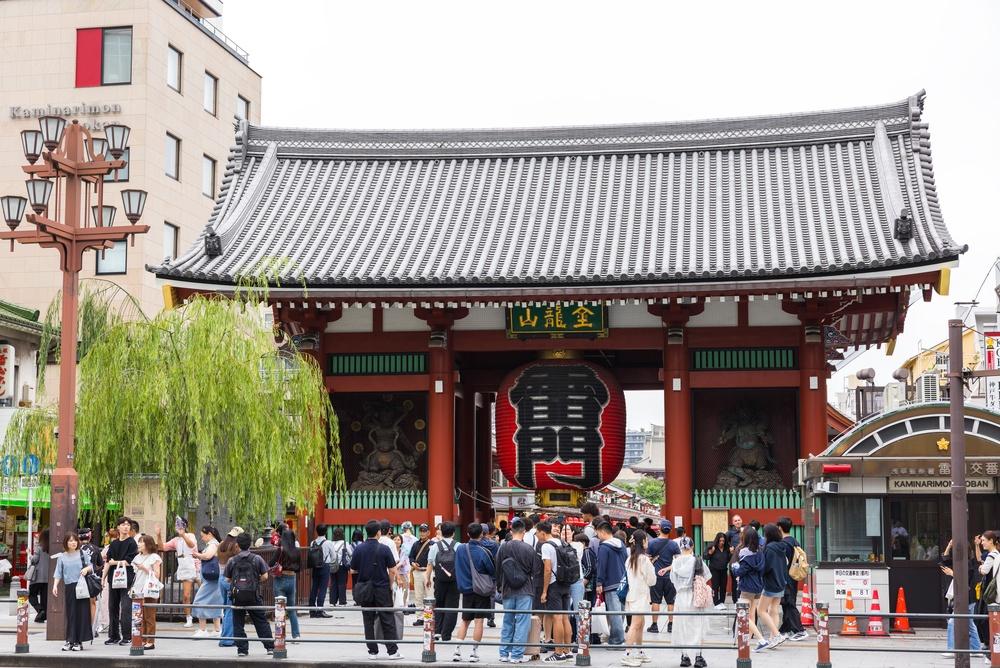
Tokyo has many alternative areas to explore and visit. Start your day at the Tsukiji Outer Market where you can purchase fish at a stall and eat it at a small eatery. There are also many vendors who offer to make fresh sushi right in front of you as well as other seafood dishes. Grilled scallops can also be found. After lunch, explore the famous Senso-ji Buddhist temple, which is in the old Tokyo area of Asakusa. Walk through the great big lanterns of Kaminarimon Gate then down the shopping street of Nakamise-dori where you can find all types of gifts and snacks. At the main hall of the temple you can receive an omikuji (your fortune) or a seal from the temple. In the afternoon, visit the Shinto shrine of Nezu which was built in 1705. It is a beautiful and peaceful spot. Then make your way to the old Tokyo area of Yanaka, which is one of the few areas that have managed to hold onto a lot of its old characteristics. Here you can see many of the wooden houses of old Tokyo as well as galleries, cafes and small streets and alleys to explore.
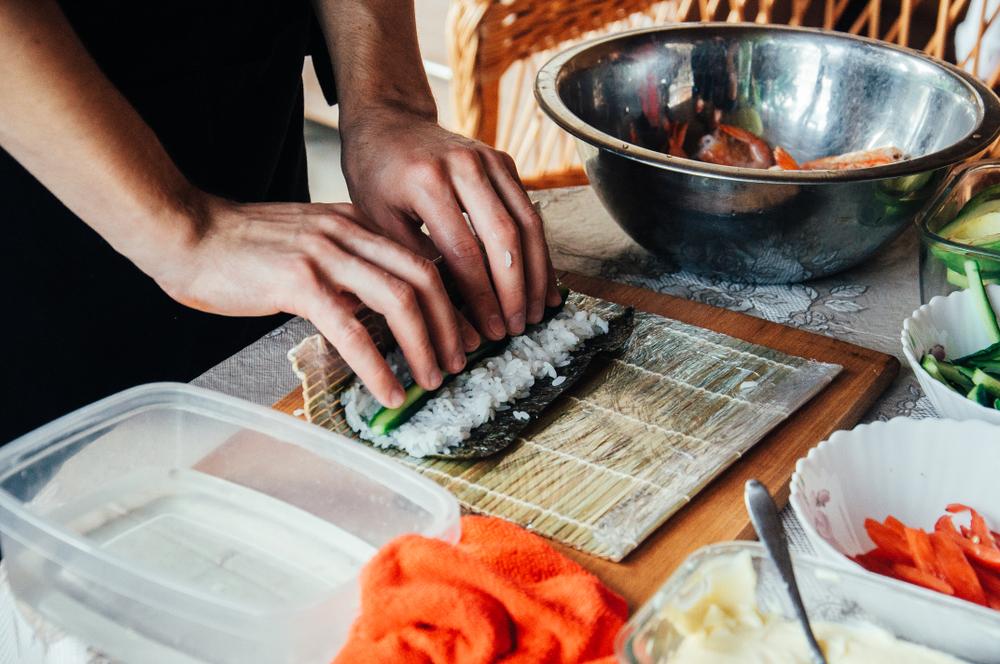
Today brings you closer to two treasured Japanese traditions. Begin in Ryogoku, Tokyo's historic sumo district, where your guide introduces you to the rituals, etiquette and discipline behind this deeply respected sport. Watch wrestlers during a practice session and gain a behind-the-scenes appreciation for the daily training and ceremony that shape sumo life. For lunch, enjoy chankonabe, the hearty hotpot associated with sumo wrestlers and made with rich broth, vegetables and protein. Later, shift from the sumo stable to the sushi counter during a hands-on nigiri workshop. Under the guidance of an expert instructor, learn how rice, fish, seasoning and technique come together in nigiri, inari and maki, turning one of Japan's most iconic dishes into a personal culinary memory.
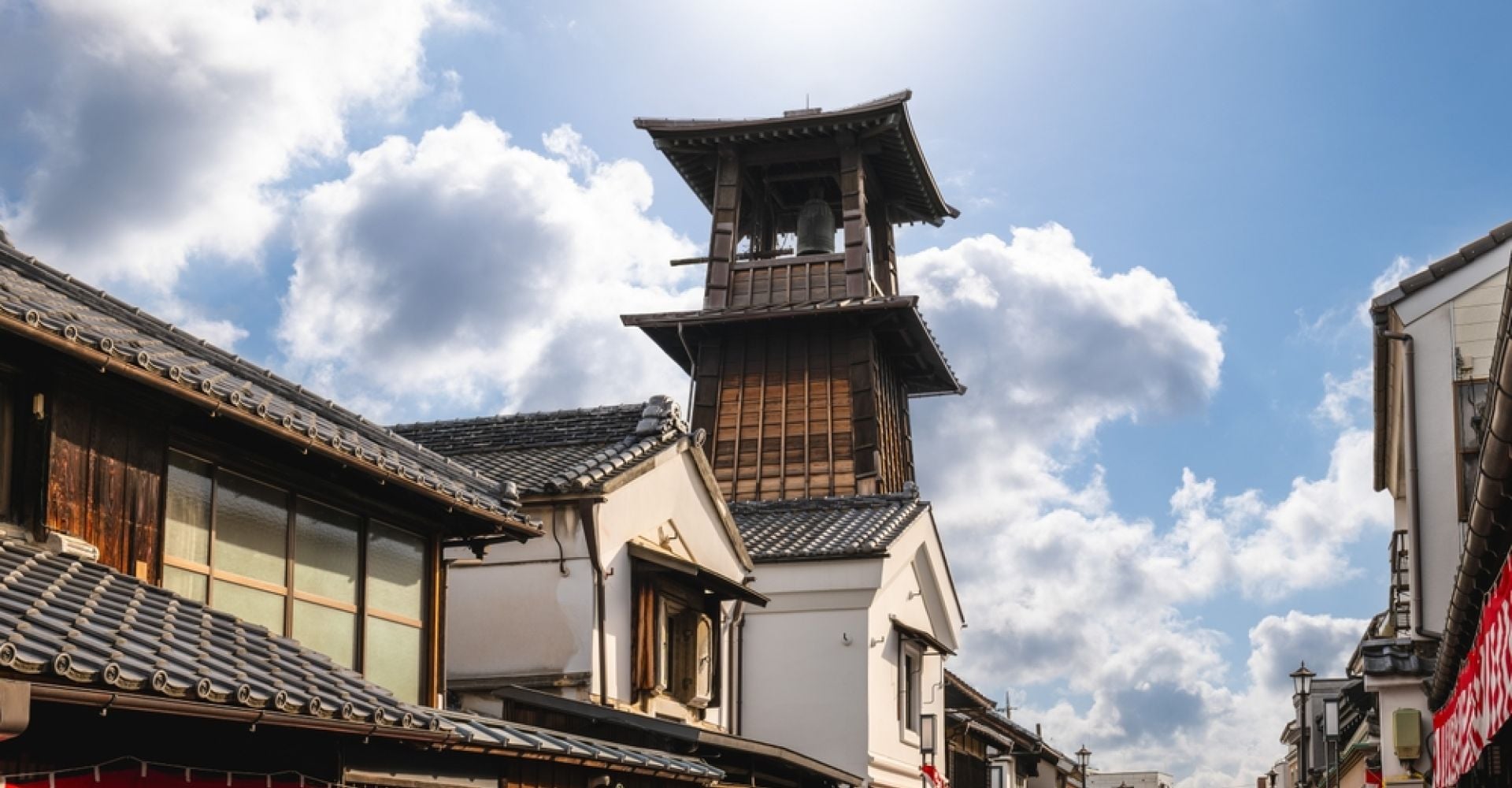
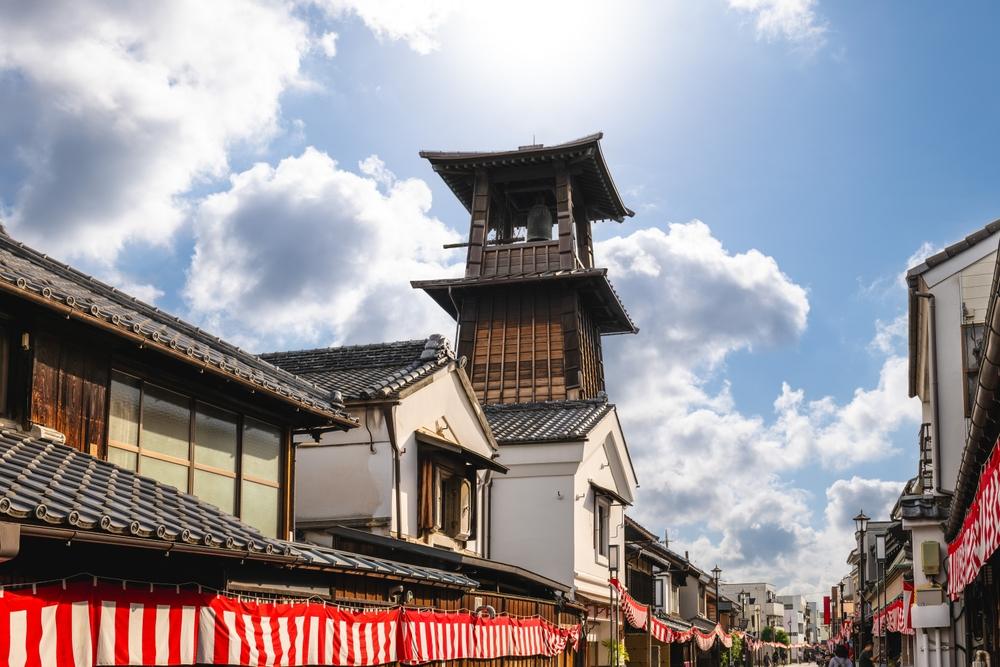
After breakfast, travel with your guide to Kawagoe, a charming town often called Little Edo for its preserved architecture and nostalgic streetscapes. Begin at Kitain Temple, the head temple of the Tendai sect in the Kanto region, where hundreds of stone statues dedicated to Buddha's disciples create a memorable and contemplative scene. Continue into the Warehouse District, where traditional kura-style buildings recall the prosperous merchant culture of the Edo period. After lunch at a local restaurant, stroll along Taisho-roman Street as your guide shares stories of the town's architectural layers and cultural history. The day ends sweetly in Candy Alley, where traditional Japanese confections make easy souvenirs before you return to Tokyo for your final evening in the capital.
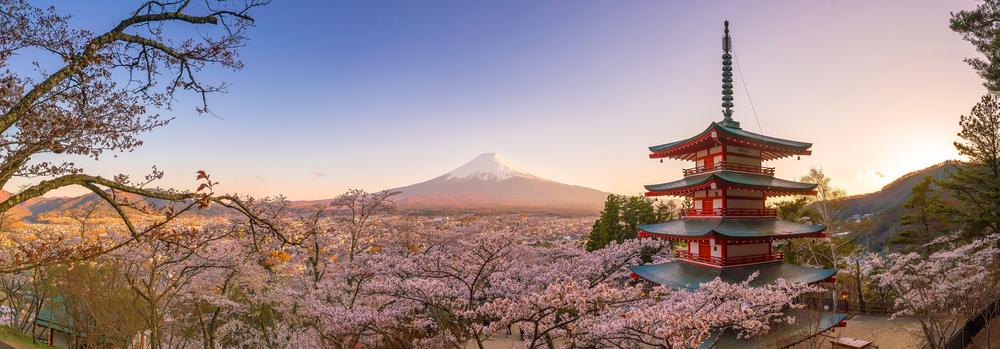
Leave Tokyo this morning and travel toward the Fuji Five Lakes region, one of Japan's most scenic gateways to Mount Fuji. Begin at Arakurayama Sengen Park, climbing to the Chureito Pagoda for one of the country's most photographed views: the pagoda, seasonal foliage and Mount Fuji aligned in a single dramatic frame. From there, you move to Oshino Hakkai, where clear ponds formed by snowmelt from Mount Fuji create a peaceful village setting, then enjoy Lake Kawaguchi by boat or from the Mount Fuji Panoramic Ropeway. As the day goes on, stop at Fuji Gotemba Distillery to learn about the production of malt and grain whiskies and enjoy a tasting. Your evening is spent in Fujikawaguchiko, where hot springs, ryokan hospitality, yukata robes and views of the lake and volcano offer a soothing end to a full day.
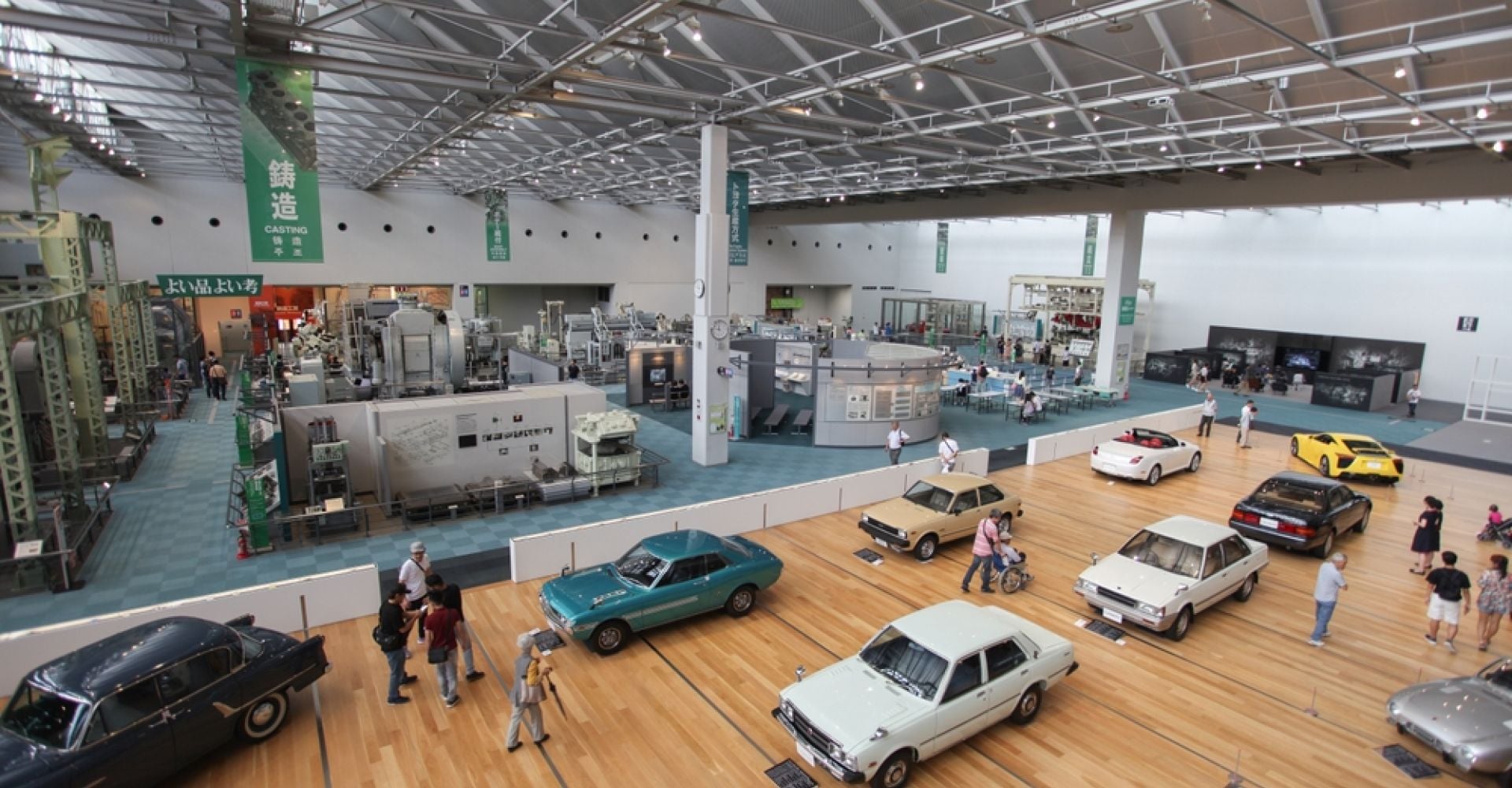
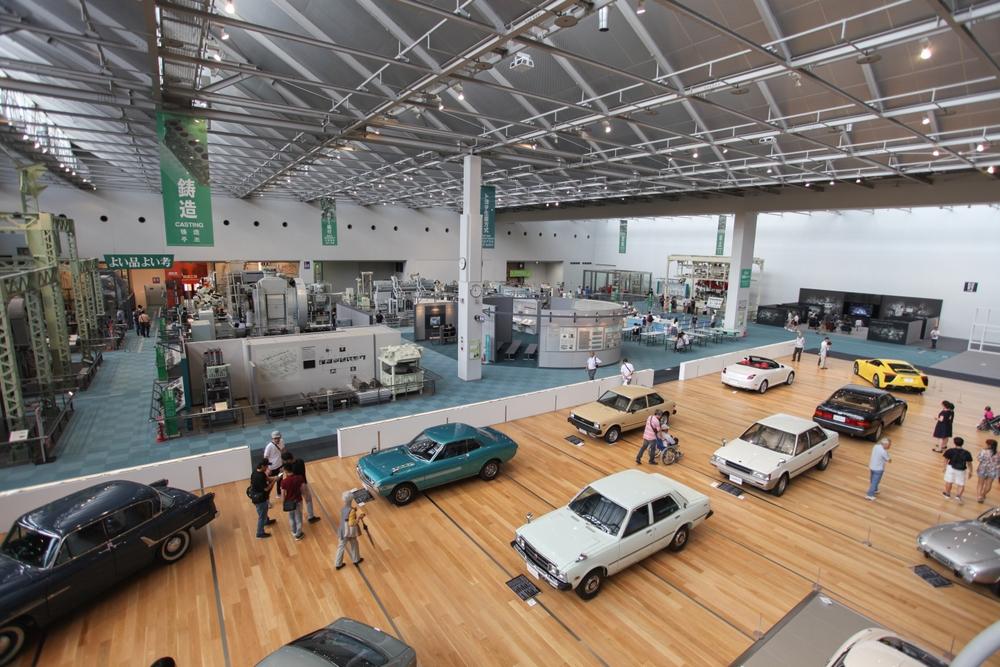
Travel by train to Nagoya, a city known for technology, manufacturing and one of Japan's most influential industrial legacies. After settling into your hotel, you may choose to explore this heritage independently at the Toyota Automobile Museum, where more than 120 vehicles trace the evolution of motoring across eras and countries. Later, meet your driver for a guided visit to the Maruya Hatcho Miso Factory in Okazaki. With nearly 700 years of history, this producer still follows time-honored methods to make hatcho miso, a rich red miso that is central to the region's food culture. Walk among the traditional vats, learn about fermentation and finish with a tasting that adds depth to your understanding of Japanese cuisine.
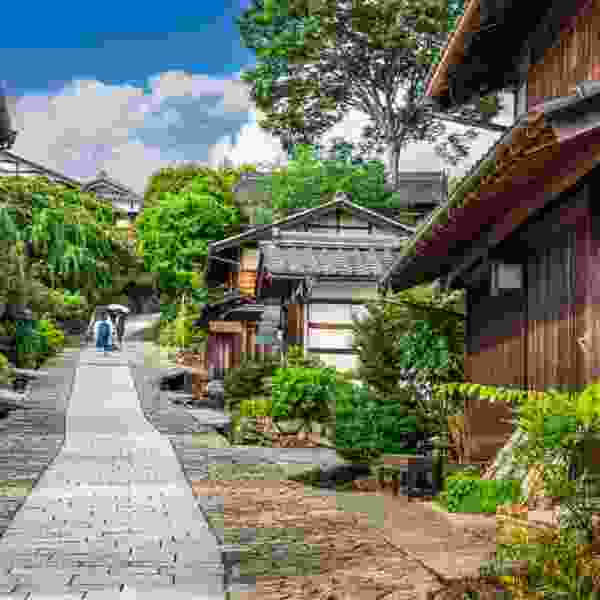
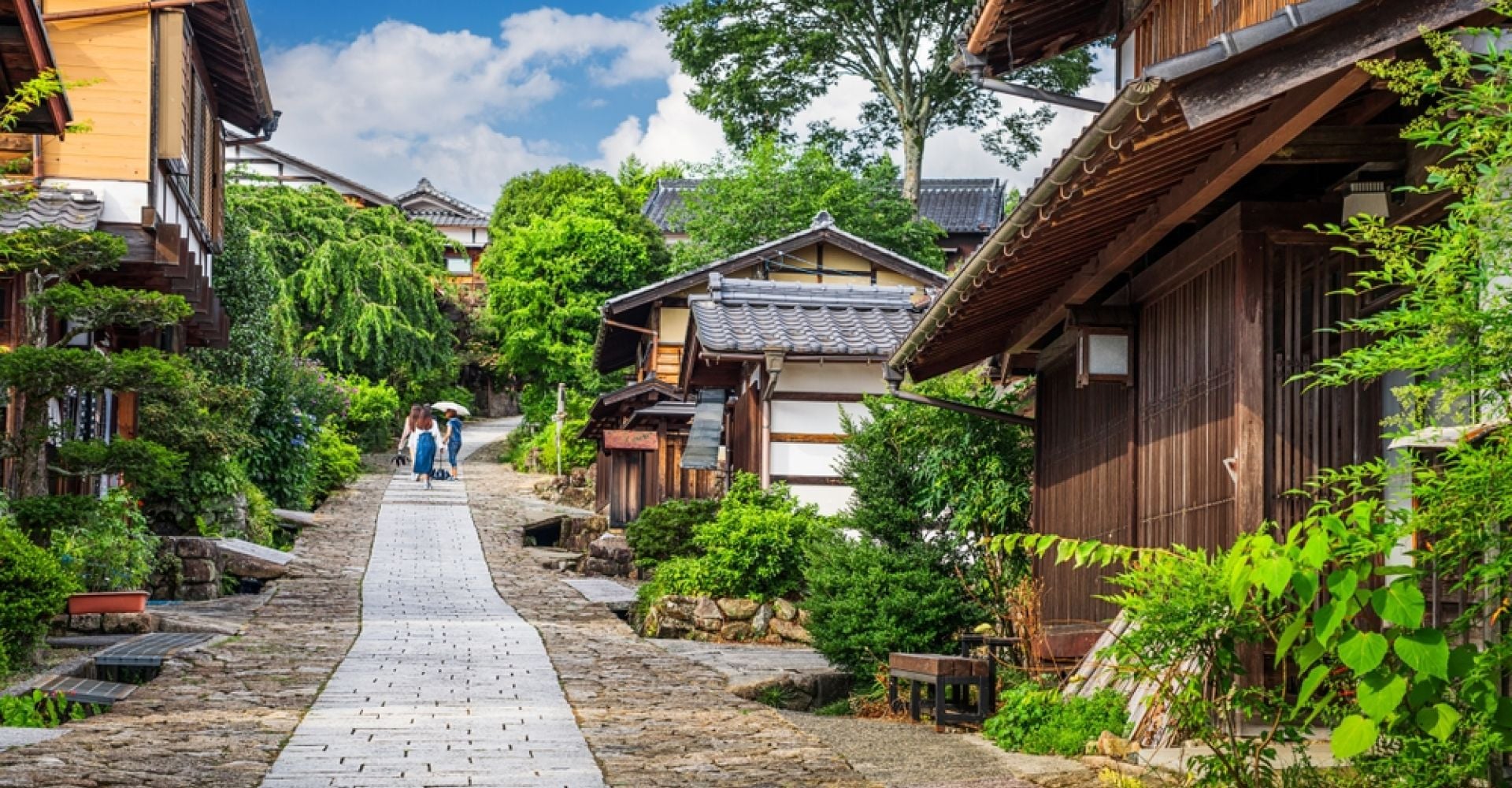
This morning, you transfer to Magome, one of the beautifully preserved post towns of the historic Nakasendo Trail. Once part of a major Edo-period route linking Edo and Kyoto, the Nakasendo now offers one of Japan's most evocative walking experiences through forested hills, village lanes and old resting stations. Set out on a self-guided hike of around 5 miles from Magome over the Magome Pass to Tsumago. The route is one of the most scenic and accessible sections of the trail, with mountain views, rural paths and a strong sense of old Japan. In Tsumago, cars are restricted and electrical wires are hidden, preserving the atmosphere of a living museum. Visit Kotoku-ji or the former Waki-honjin Inn before settling into a family-run minshuku for a home-cooked dinner and well-earned rest.
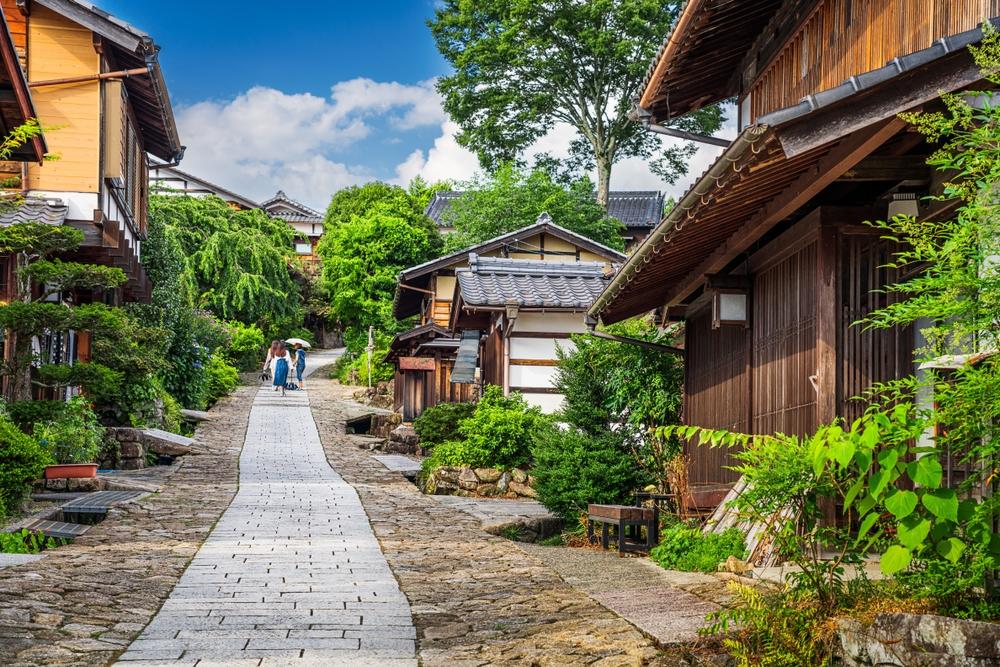
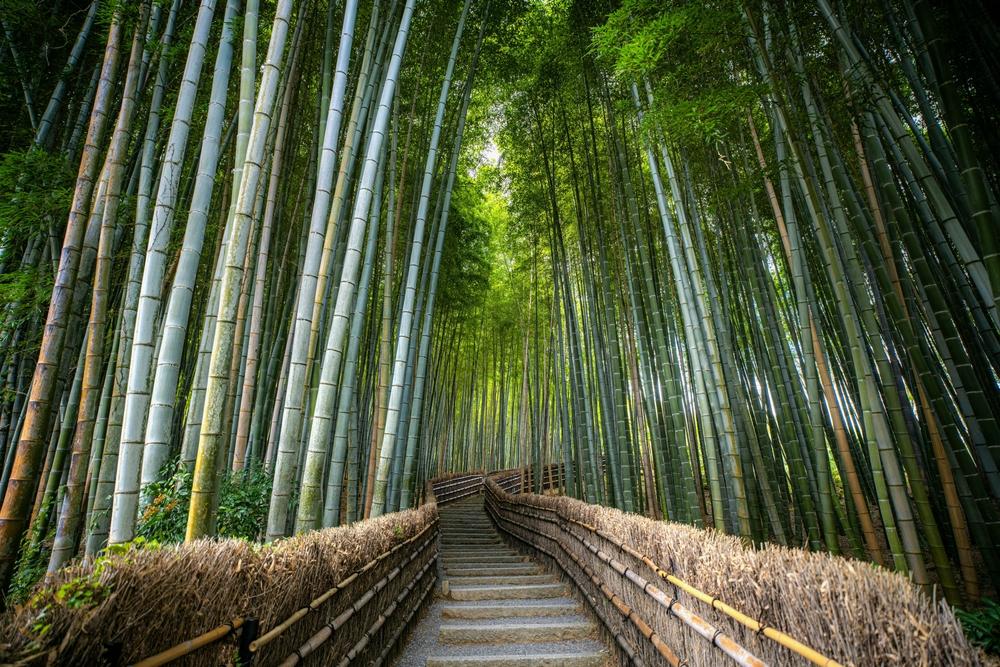
After an early night in Tsumago you continue your Nakasendo trek this morning. The main route is longer and more demanding than that to Nozawa Onsen and follows a valley floor through bamboo groves and large cedar forests before climbing steeply through some of the most remote and beautiful sections of the old road. The 11.5 miles long trek should take around 6 hours to complete and includes some very steep ascents. However an alternative 1 hour trek to Nagiso is available and your driver will collect you from there and transfer you to the local train station. From there you can catch a train to Kyoto, the cultural capital of Japan. Here you can check into your hotel and then spend the rest of the day as you wish to. Kyoto is famous for its centuries old temples, beautiful gardens and the high cultural standards of the population.
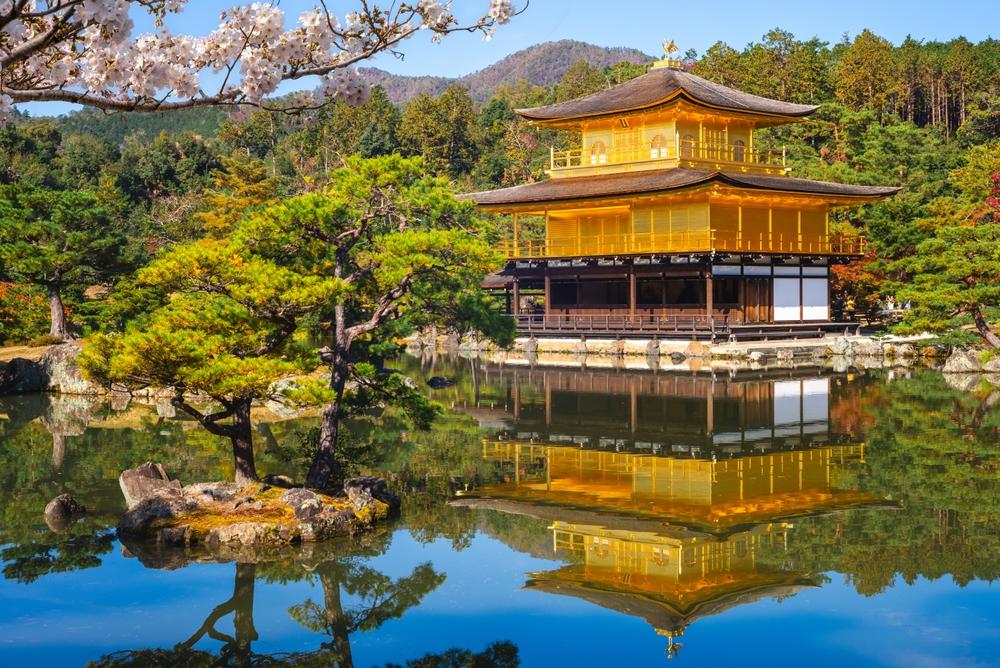
Kinkaku-ji Golden Pavilion is a must see in Kyoto that no tourist should miss. The Pavilion is a stunning landmark and is one of the most iconic sights in Kyoto. It is a short stroll from our hotel and after seeing the beautiful Golden Pavilion you make your way to the Ryoan-ji temple to see its beautiful Zen rock garden, an 11th century temple that is considered one of the best examples of the kare-sansui (empty garden) style of the Zen garden. After lunch at your hotel, you go to Kyoto Maikoya where you will be dressing up in a traditional kimono for the afternoon. Learn how to make traditional Japanese sweets called wagashi, typically filled with a sweet bean paste made from red mung beans. Then participate in a traditional Japanese Tea Ceremony, led by a Tea Master. In the evening you can take a walk around the famous Geisha District of Kyoto, Gion. This is a truly unique area of Kyoto with its cobblestone streets lined with traditional wooden houses and shops. You will see traditional life in old Kyoto along the famous Hanami-koji Street and visit the legendary Ichiriki Ochaya teahouse.
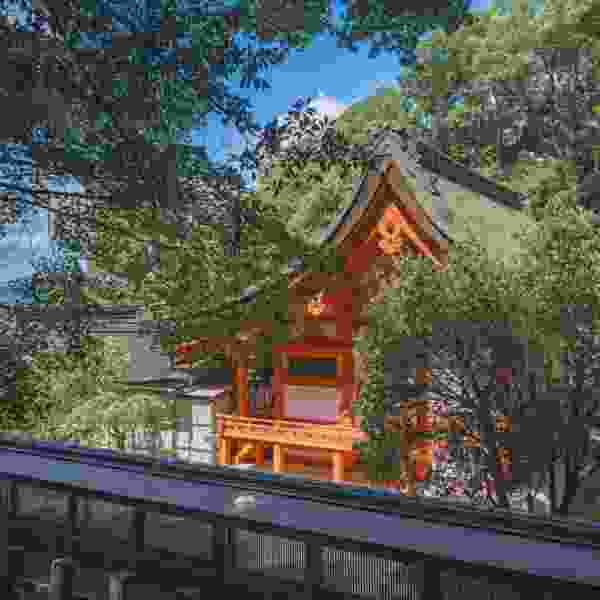
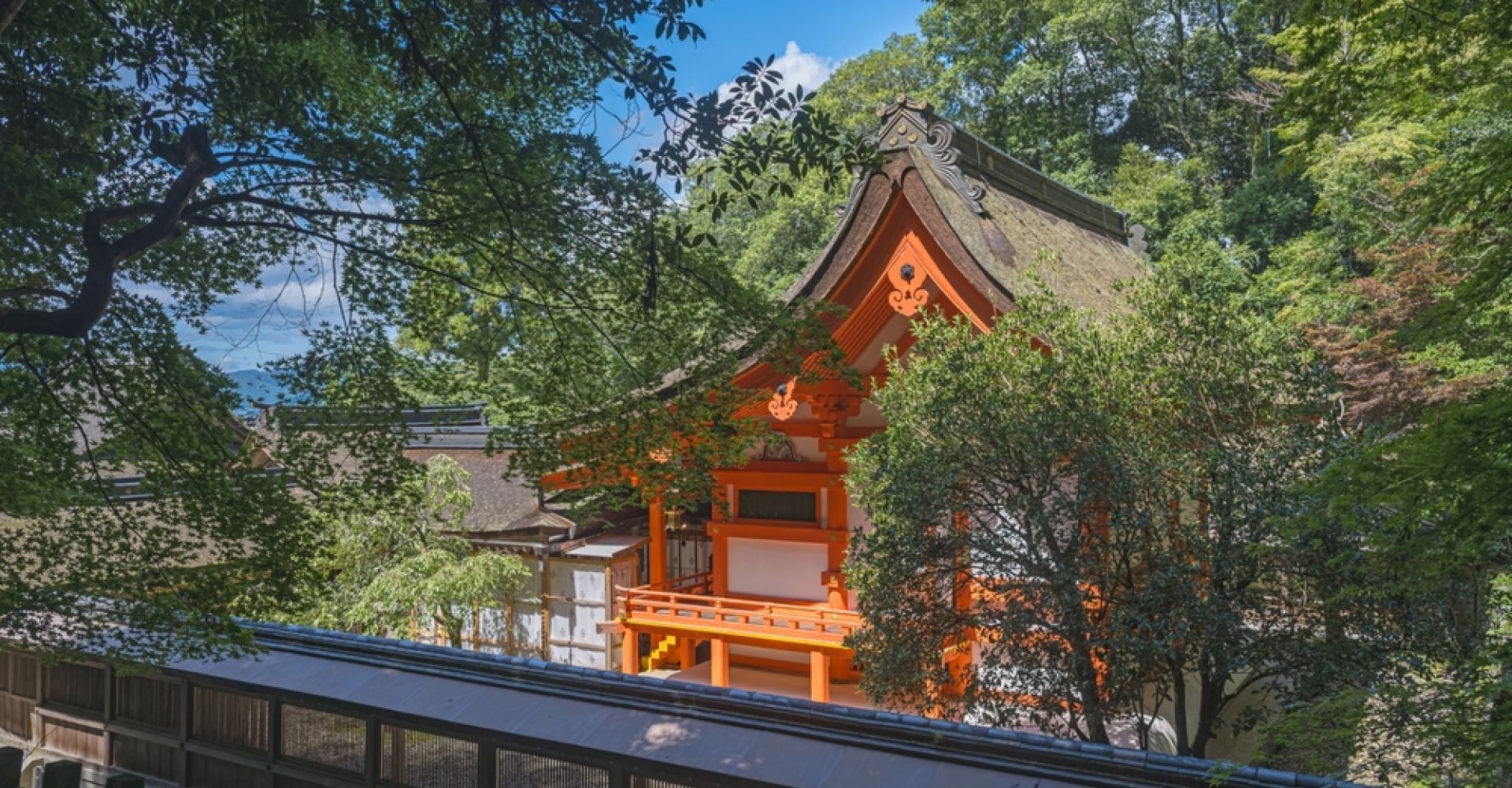
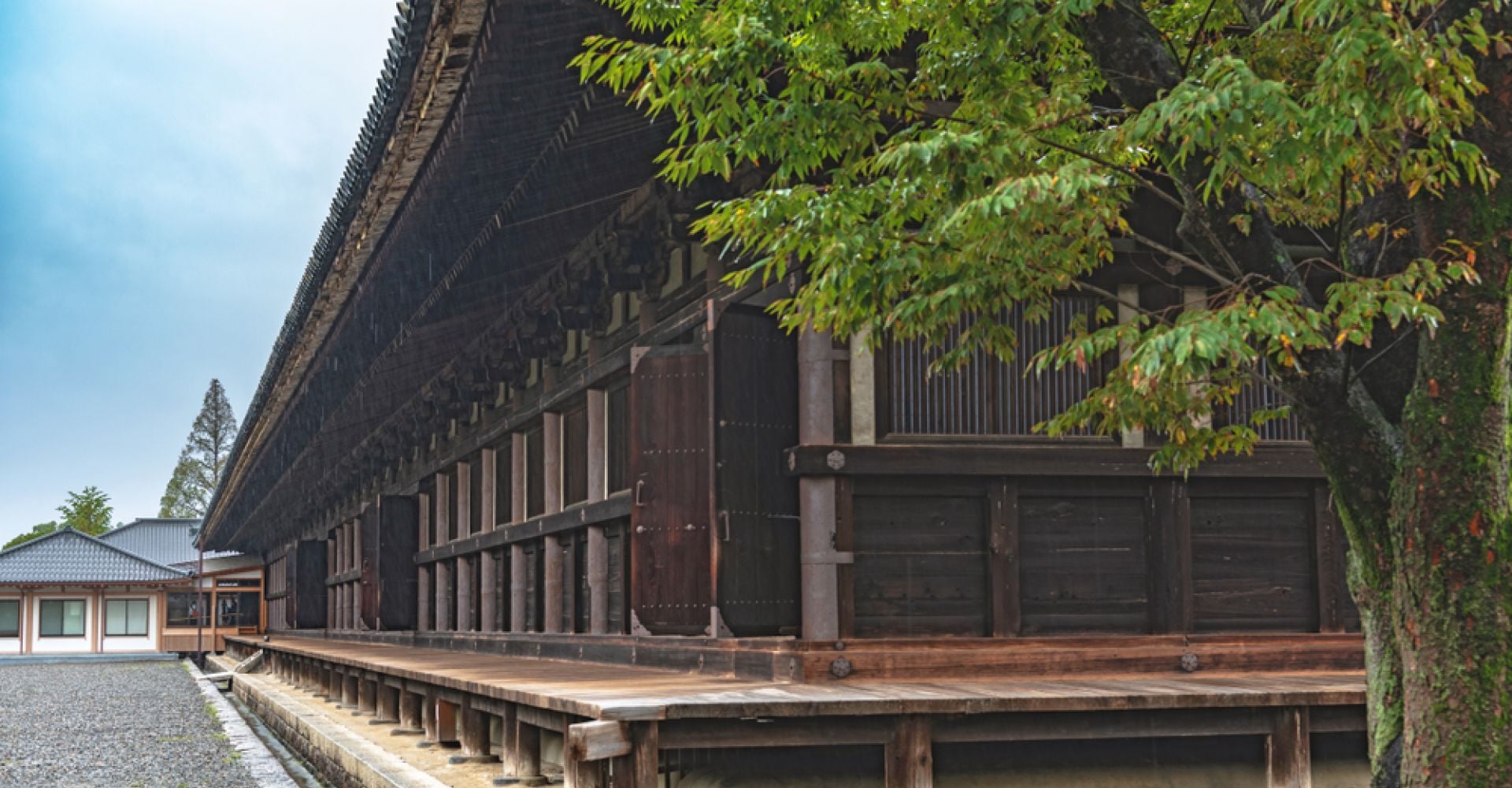
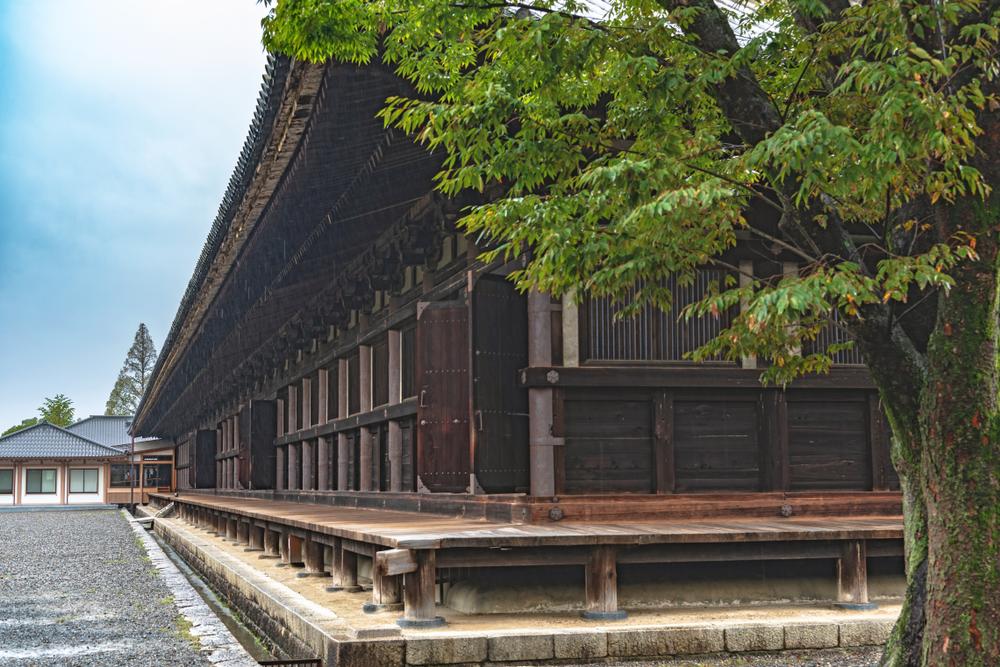
Today's guided exploration begins at Sanjusangendo, home to Japan's longest wooden temple hall and an extraordinary collection of 1,001 statues of Kannon, the goddess of mercy. Continue to Fushimi Inari-taisha for an unforgettable walk beneath thousands of vermilion torii gates, following the path up Mount Inari through forest, smaller shrines and ancient stone markers. In the afternoon, explore Higashiyama, one of Kyoto's best-preserved traditional districts. Visit Kiyomizu-dera, founded in 780 and set on wooded hills with sweeping views over the city, then wander the narrow lanes of Ninenzaka and Sannenzaka, lined with shops and snack stalls. Your walk may also include Kodai-ji, with its elegant gardens and architecture, and Chion-in, whose massive Sanmon gate is among the largest wooden temple gates in Japan.
Pack your bags this morning and travel with your driver to Kameoka for a rare hands-on katana crafting workshop. Guided by a skilled Japanese swordsmith, learn about the materials, heat, hammering, shaping and precision behind Japan's legendary samurai swords. Taking part in the process offers a memorable appreciation for the discipline and artistry behind this historic craft. Move on to Osaka, a lively city known for food, humor and street-level energy. After check-in, join your guide for a half-day introduction beginning at Sumiyoshi Taisha, one of Japan's oldest shrines and a classic example of sumiyoshi-zukuri architecture. End in Hozenji Yokocho, a lantern-lit stone alley near Dotonbori and Namba, where traditional restaurants and bars create an inviting setting for local dishes such as kushikatsu, okonomiyaki or meoto zenzai.
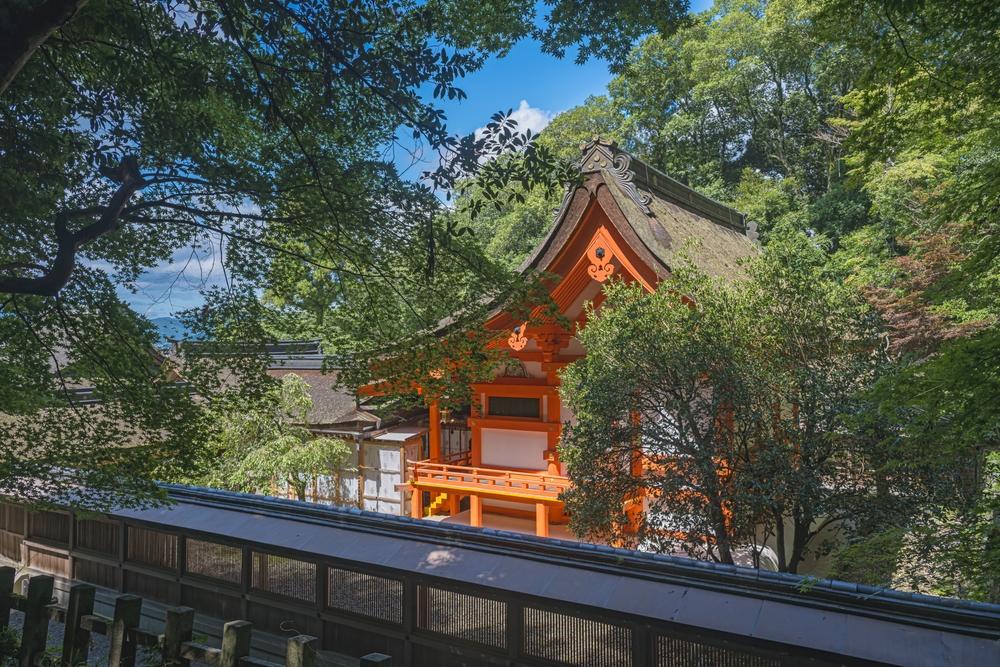
Today, you set out on a guided day trip to Kobe, a port city celebrated for sake production and exceptional Wagyu beef. In the Nada district, visit the Hakutsuru Sake Brewery Museum, a former brewhouse that now explains the traditional methods behind Japan's famous rice wine. Later, explore Kobe Harborland, where cafes, shops, restaurants and waterfront views give the city a relaxed coastal feel. This is also the perfect place to try Kobe beef, made from the locally raised Tajima-gyu breed of Japanese black cattle and prized for its tenderness. In the afternoon, visit the UNESCO-listed Himeji Castle, nicknamed the White Heron Castle for its elegant white silhouette. Explore its defensive passages, architectural details and beautifully preserved grounds before returning to Osaka for your final night in Japan.
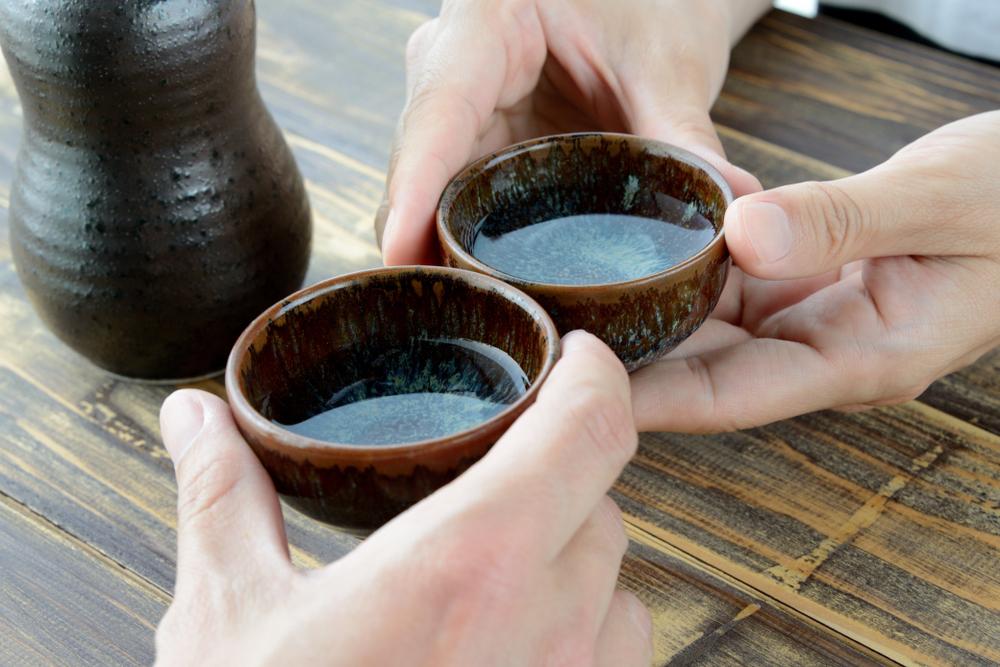
The end of your journey is near! Depending on your flight time you will have time to get back to Dotonbori, do some last minute shopping or even get another view of the castle. You will be picked up by your driver at the time of your flight and brought to Kansai International Airport. As you leave Japan behind, you will have to say goodbye to this beautiful country and you will take many wonderful memories with you. You will remember the food in Tokyo, the impressive Mount Fuji and the old post towns of the Nakasendo. You will remember the rituals and temples of Kyoto and last but not least the flavors and art of Kansai!