Japan Through Time: A 15-Day Cultural Adventure from Tokyo to Kyoto & the Japanese Alps
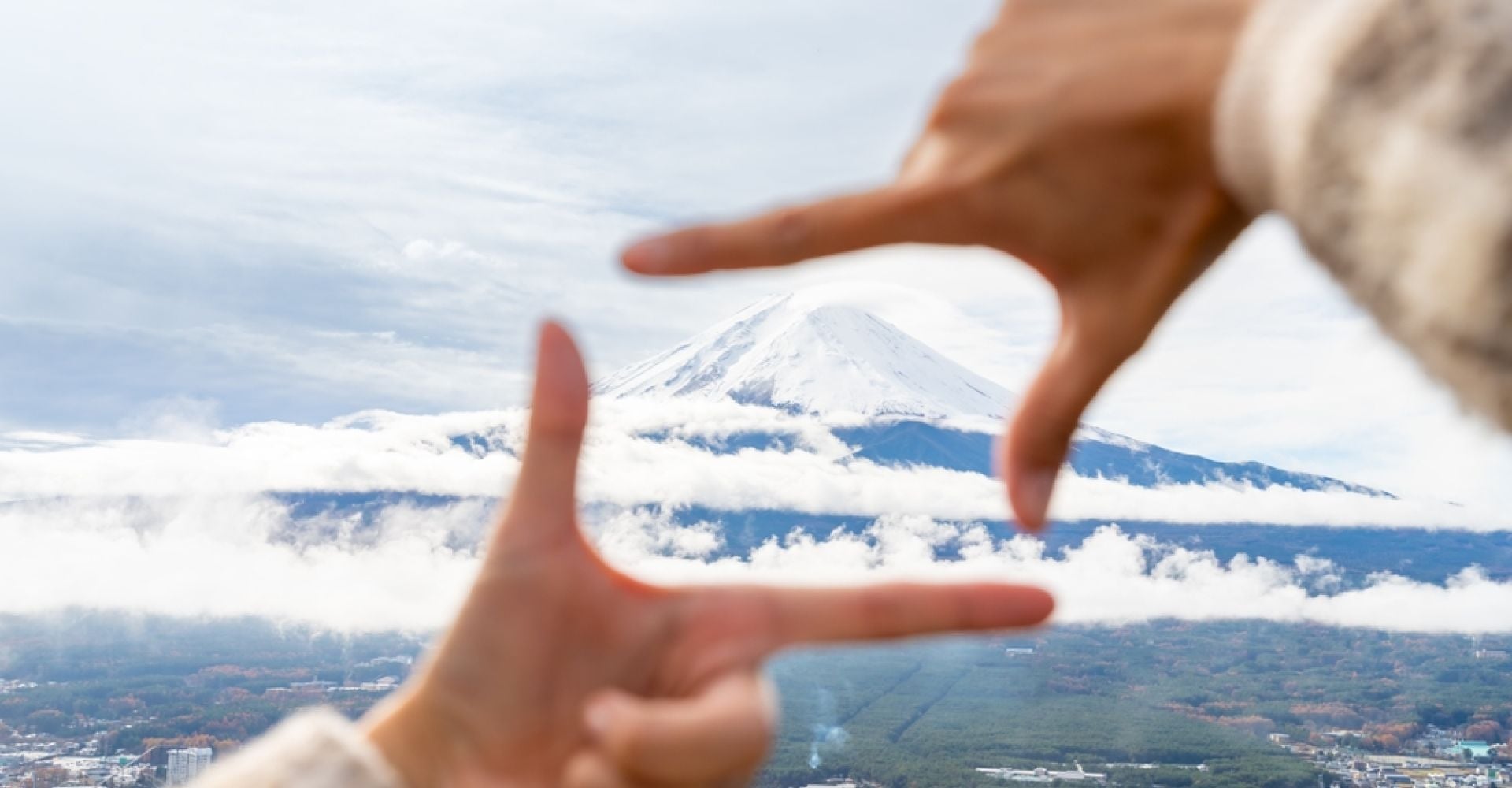
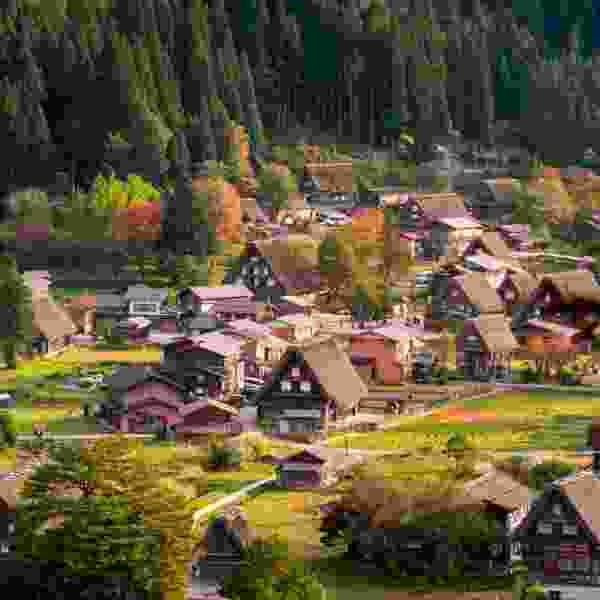

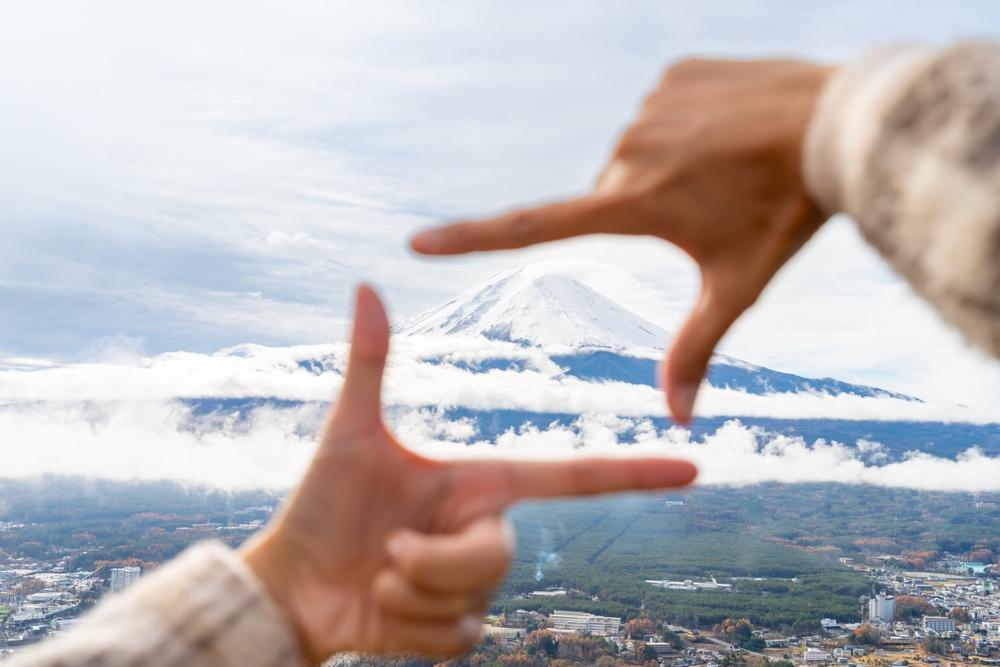
In this 15 Days Japan visit, you will see the best of Japan from modern to traditional rural life. From cosmopolitan Tokyo with its many gardens, temples, department stores, fashion shops and residential streets to Japan’s first pleasure resort of Hakone with its lake, shrines, many hot springs, an active volcano and stunning views of Mt. Fuji, if the weather is kind. Historical Kyoto and Nara, two of the legendary cities of Japan with World Heritage temples and many of Japan’s greatest gardens. From there on you travel to modern Kanazawa with its beautiful Kenrokuen garden and old samurai quarter and on to idyllic rural mountain town of Takayama, often called the “Alpine town” before you end our tour in UNESCO World Cultural Heritage Site of Shirakawa-go with many old houses, temples and an alpine landscape. You will use the efficient rail network of Japan as well as guided tours and selected cultural stops on your way to show you Japan in all its diversity from modern cities to rural areas of Japan.
What's included
Itinerary
Welcome to Japan! On arrival at Tokyo Haneda Airport, a local assistant will meet you and help you collect your JR Passes before accompanying you to your hotel by public transport. This practical introduction is designed to make the rest of the journey feel smooth from the very beginning. Your assistant can explain how Japan’s rail and public transport systems work and, where needed, help you organize your next high-speed train reservation. After check-in, enjoy your first hours in Tokyo at your own pace, whether you prefer a relaxed walk, an easy dinner or an early night after the flight.
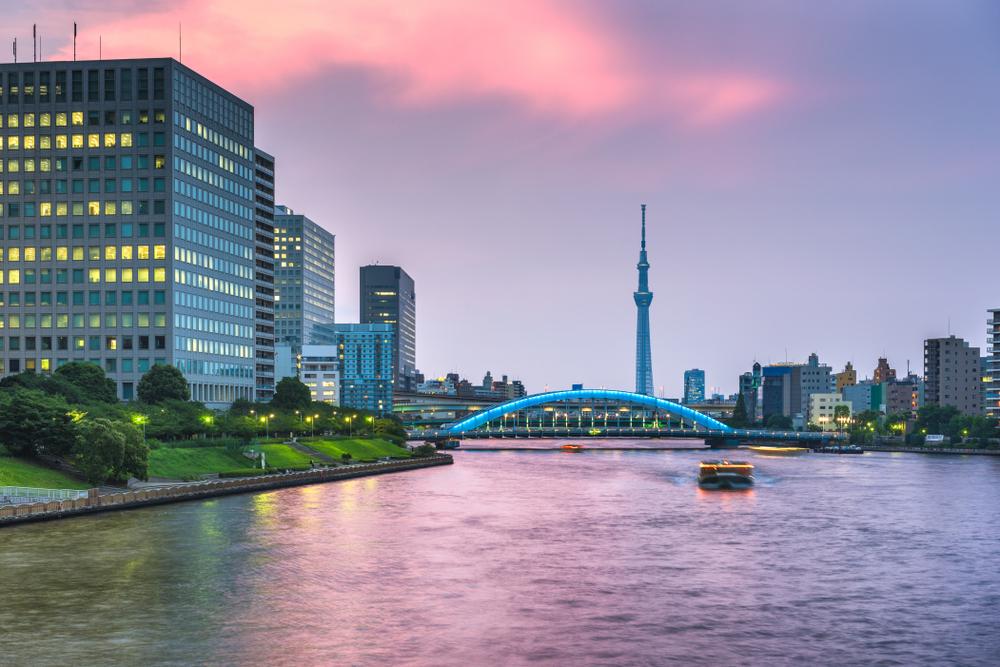
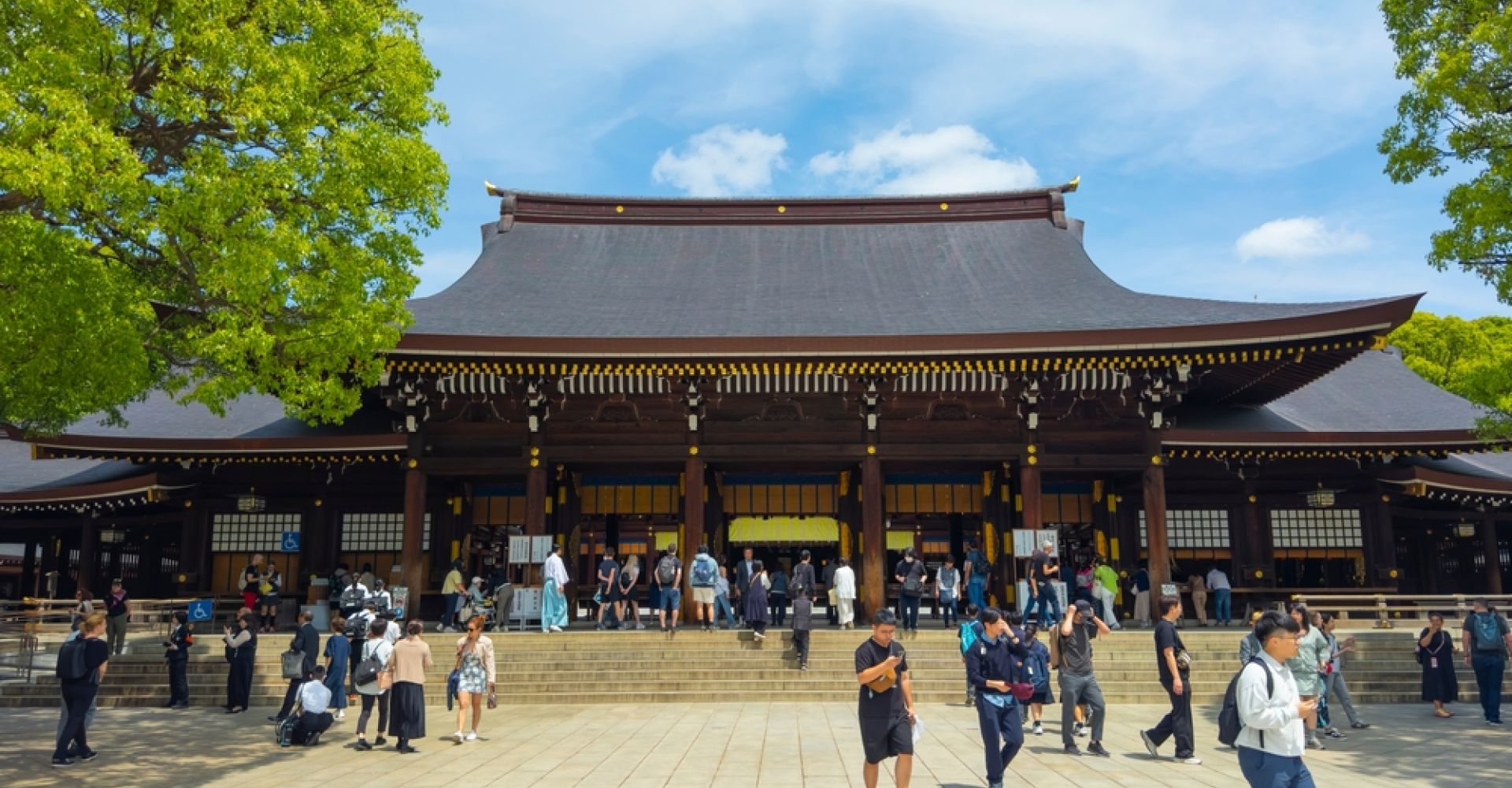
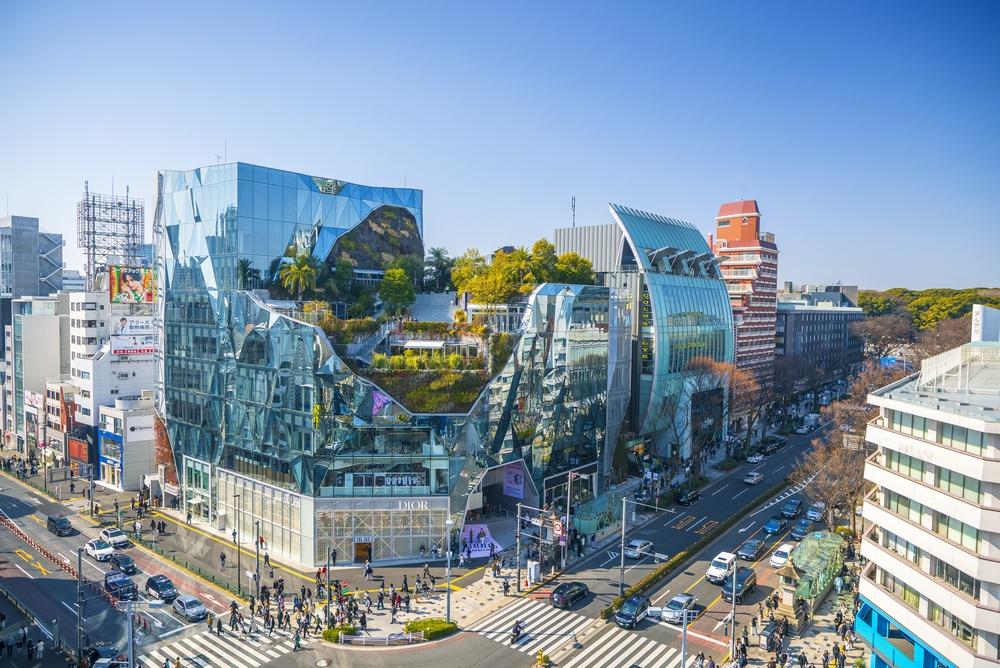
Hama Rikyu Garden. Hie Jinja Shrine. The beautiful gardens of the Imperial Palace. The stylish shops and strange youth culture of Harajuku and Omotesando. A day trip to explore some of the most interesting contrasts in the world’s most interesting city. First, visit the stunning and tranquil Hama Rikyu Garden. This historic and impressive garden, with its large ponds and tea houses, is a world away from the crowds of Tokyo’s skyscrapers and a treat to explore during any season. Next, visit the largest and most important gardens in Tokyo, the gardens of the Imperial Palace. Then, climb the small hill that leads to the peaceful shrine of Hie Jinja, a beautiful contrast to the modern city that swirls around it. And finally, take a walk through the fashionable Harajuku and Omotesando districts, with their expensive boutiques, their strange fashion, and the cutting edge cafes that line their streets.
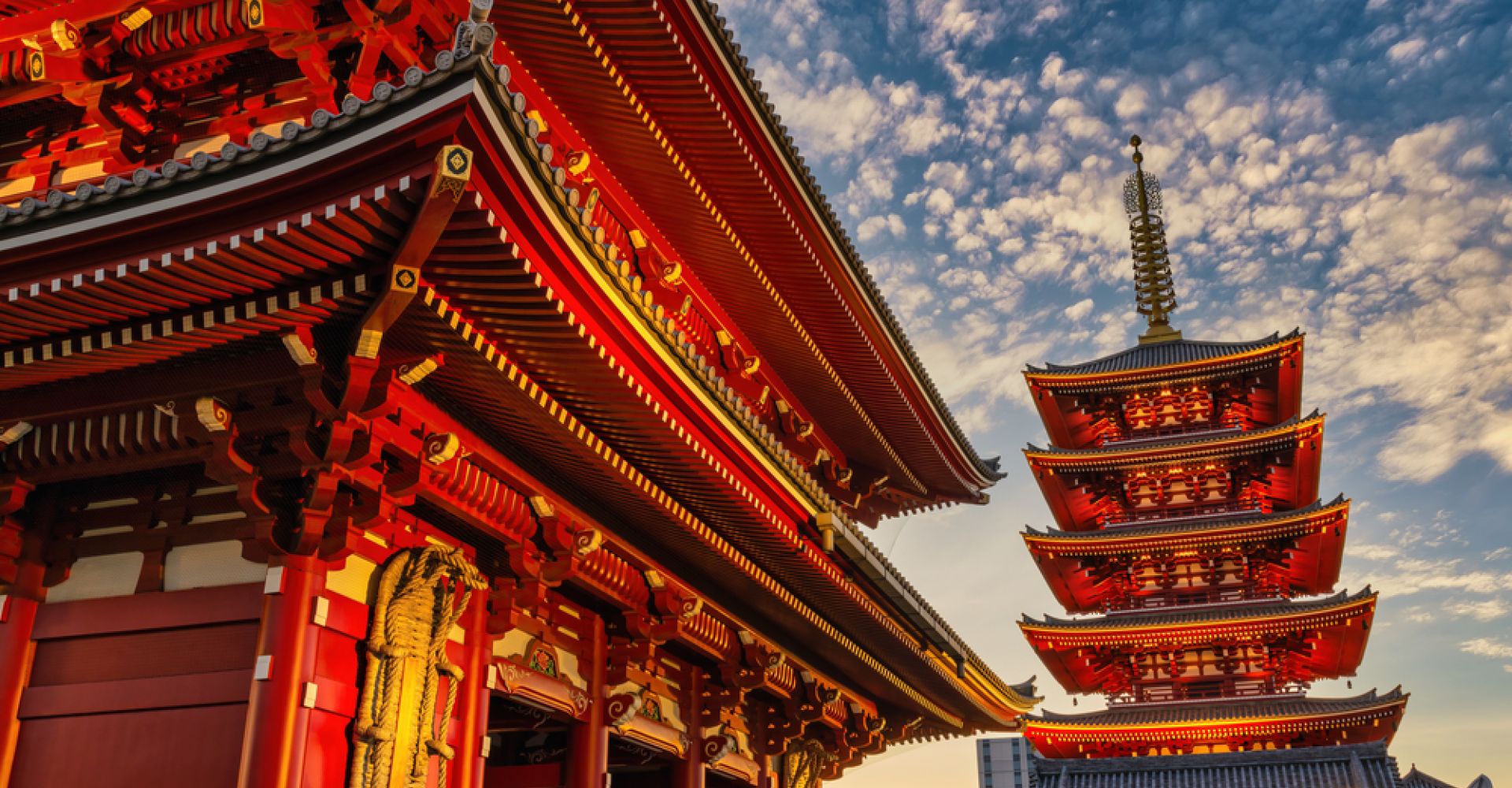
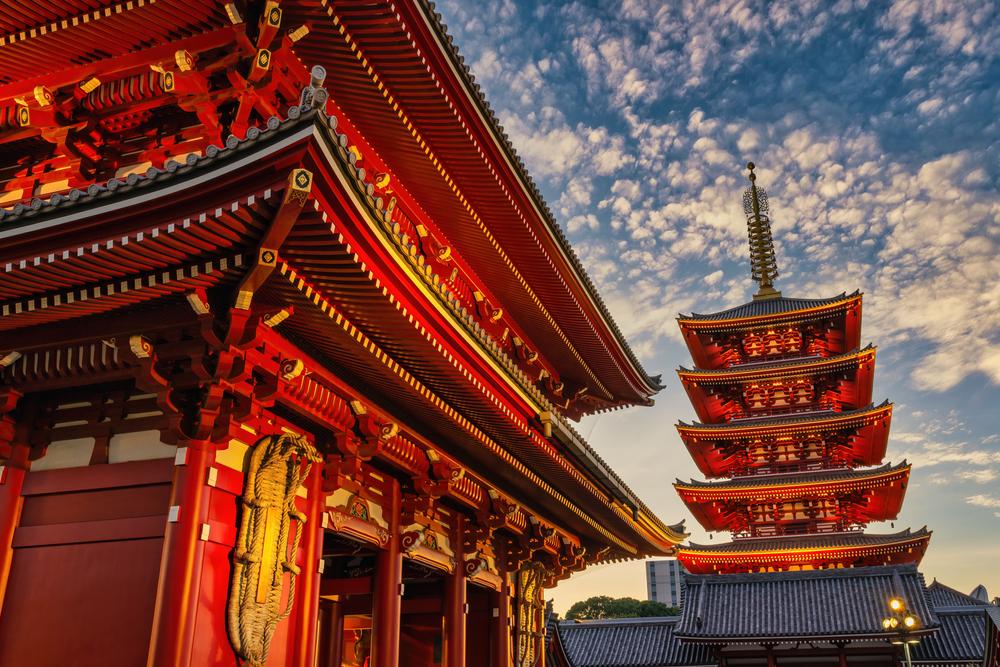
This morning, discover Asakusa, one of the best places to feel the atmosphere of old Tokyo. Walk along Nakamise Street, a lively pedestrian lane lined with small shops selling regional snacks, traditional souvenirs and everyday objects with a distinctly local character. Continue to Senso-ji Temple, one of Japan’s most revered Buddhist temples and a spiritual landmark for both locals and visitors. You may also enjoy time in Ueno Park, known for its museums, temples, shrines and easy walking paths. Later, continue toward Hakone for a change of pace in the mountains.
Begin with Hakone Shrine, a Shinto site founded in the 8th century and set among towering cedars on the edge of Lake Ashi. Its lakeside torii gate is one of the region’s most memorable scenes, especially when Mount Fuji appears beyond the water. Continue around Lake Ashi, a crater lake known for its tranquil views and, on clear days, beautiful Fuji panoramas. You can also take the cable car toward Owakudani Volcanic Valley, where steaming vents, hot springs and mineral-rich landscapes reveal the active geology that shaped this area.
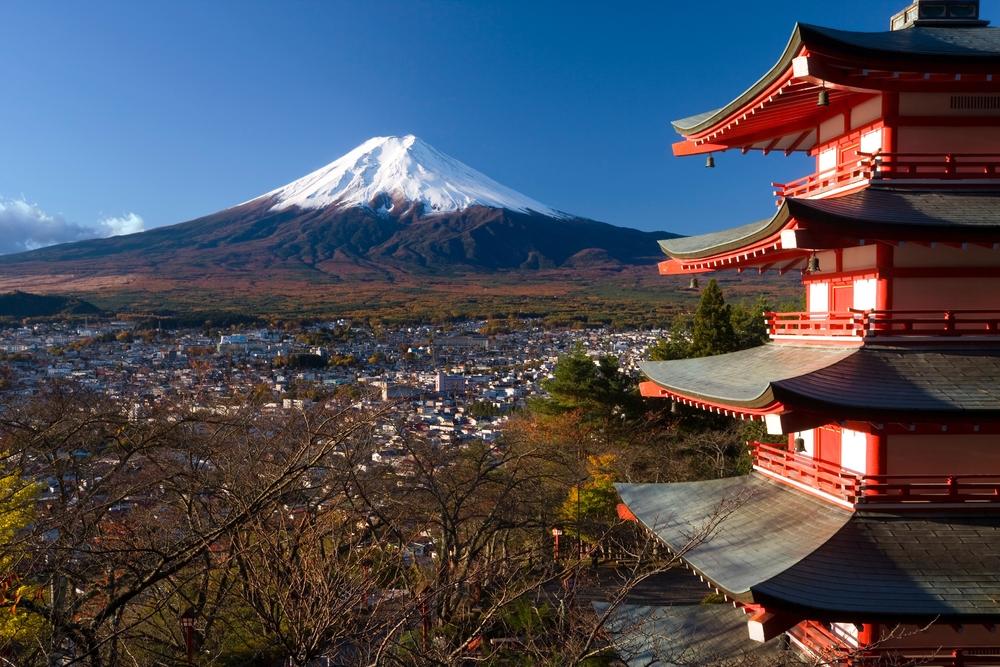
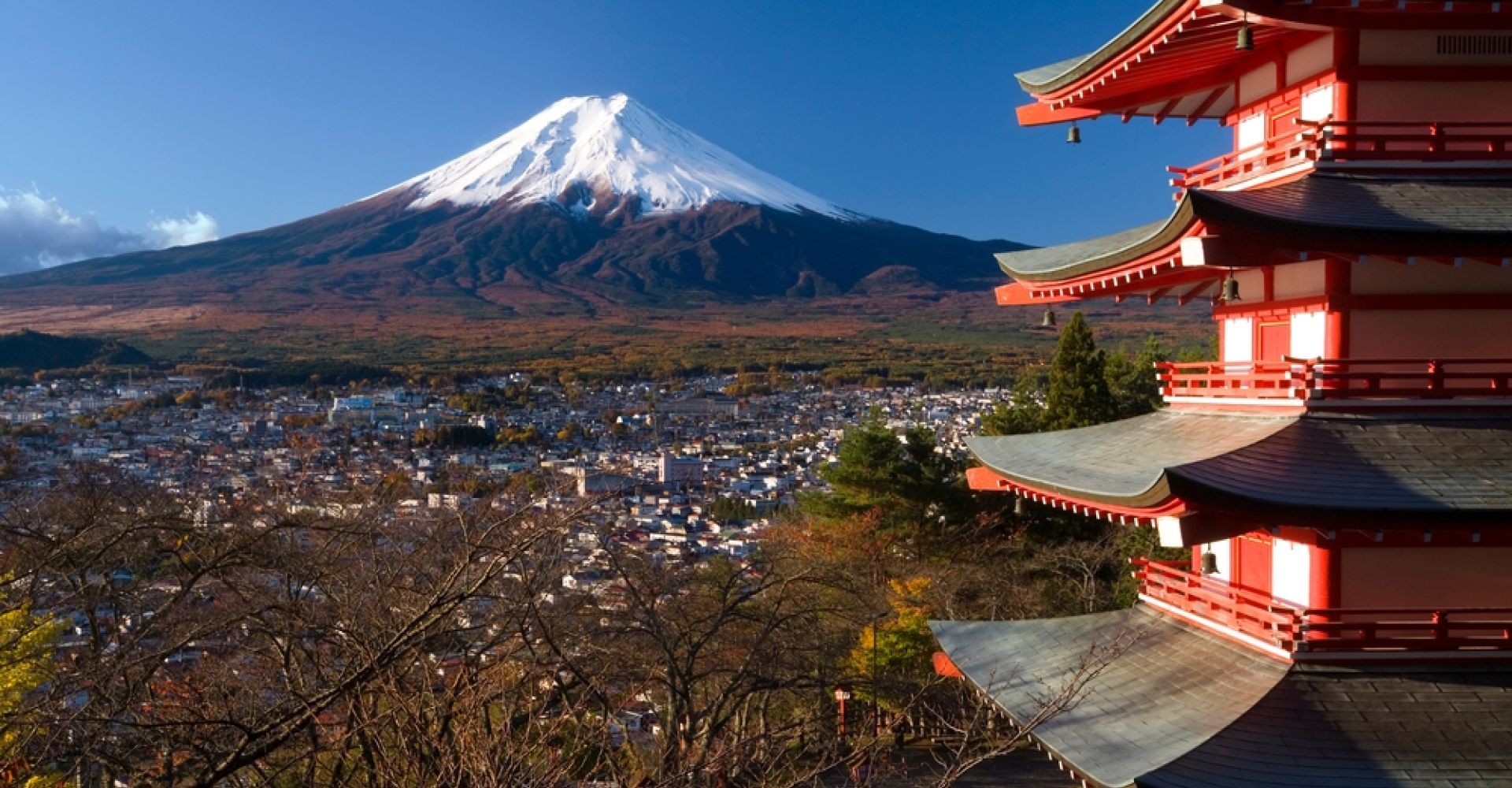
Today, there’s a bit of space left over before you head to Kyoto and spend as much time as you like in Hakone and the surrounding areas of Mt. Fuji. The Shinto shrine of Arakura Fuji Sengen Jinja at the base of Mt. Arakura is definitely worth a visit. It’s located on a raised platform with a two story pagoda and has good views. From here you’ll take a hike to the top of Mt. Arakura from Arakurayama Park, with good views of Mt. Fuji. This is also a great spot to view the cherry blossoms. Also worth visiting is the historic shrine of Kitaguchi Fujisan Hongu Sengen Taisha which is at the south base of Mt. Fuji. It is set in a beautiful grove of ancient cedar and cypress trees. After this you continue on to Kyoto.
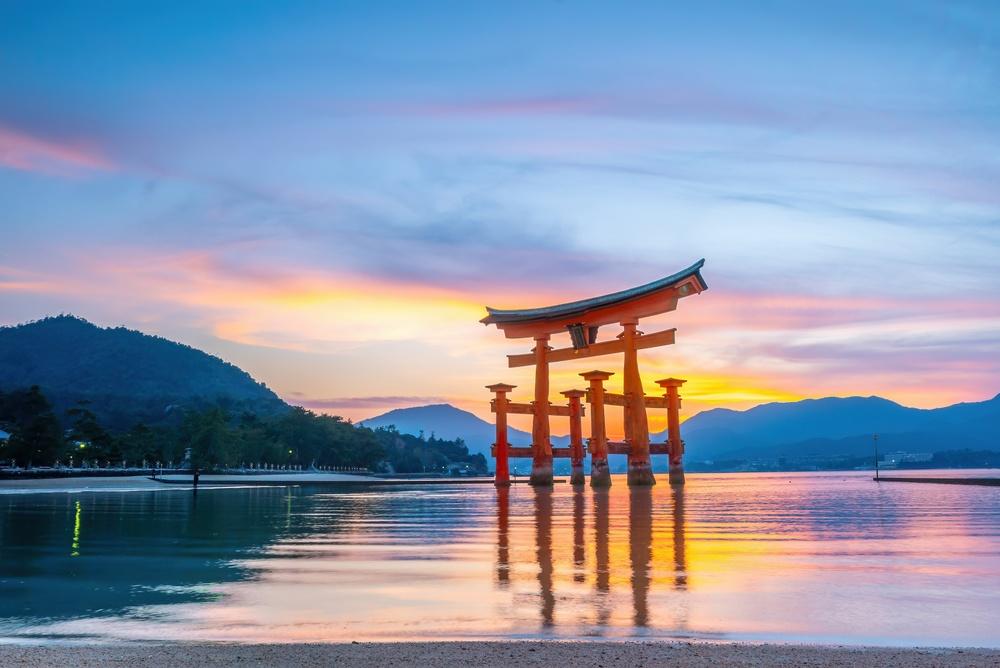
Today introduces Kyoto’s spiritual and historic grace. Visit Yasaka-Jinja Shrine, a landmark of the Gion district with a vivid vermilion gate that becomes especially atmospheric in the evening light. Continue to Maruyama Park, a beloved local gathering place and one of Kyoto’s most famous cherry blossom settings. Later, explore Kodai-ji Temple, founded by the widow of Toyotomi Hideyoshi. Its bamboo, maple trees, gardens, museum spaces and serene temple grounds offer a thoughtful window into Kyoto’s layered history and Buddhist traditions.
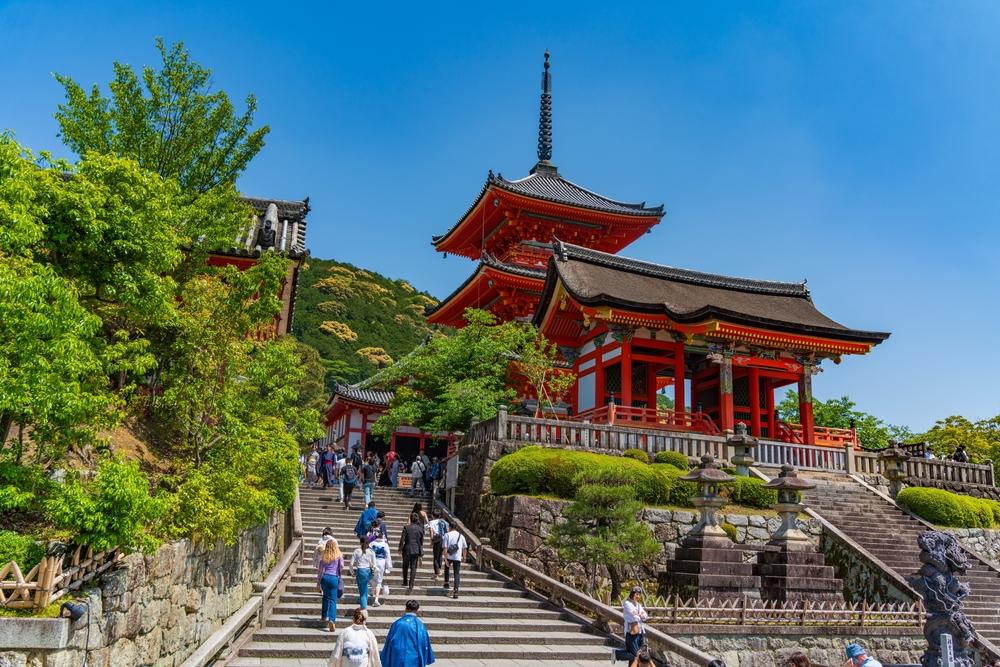
Set out with your guide for a gentle hiking day in Takao, northwest of Kyoto. As the city gives way to forested hills and winding roads, the atmosphere becomes quieter and more contemplative, offering a refreshing nature escape within easy reach of the ancient capital. Follow moss-covered steps toward Kozan-ji Temple and pause to admire the view over the river valley, where it is easy to imagine the area as it would have felt centuries ago. At the end of the day, if you want to, you can continue toward Arashiyama for a bamboo grove walk or a quiet moment beside the Zen garden of Tenryu-ji Temple.
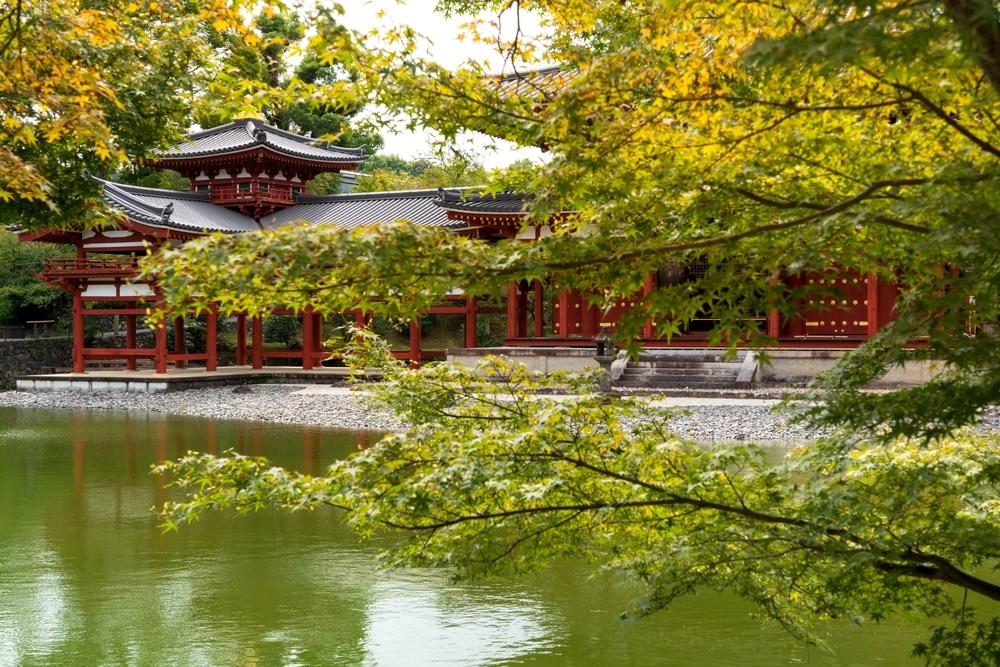
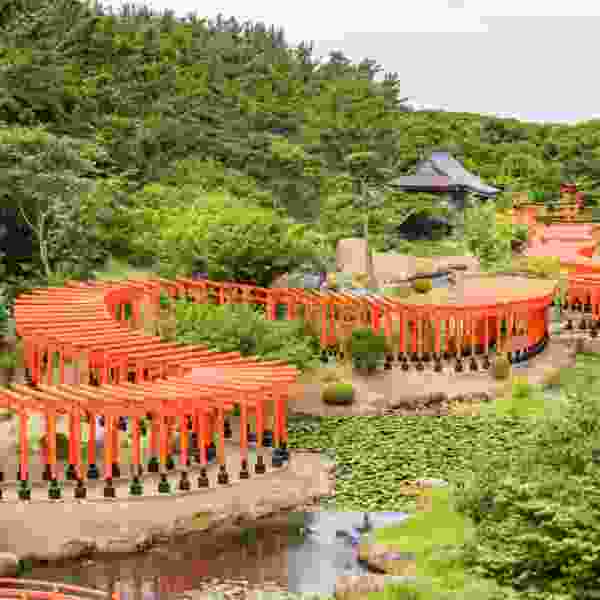
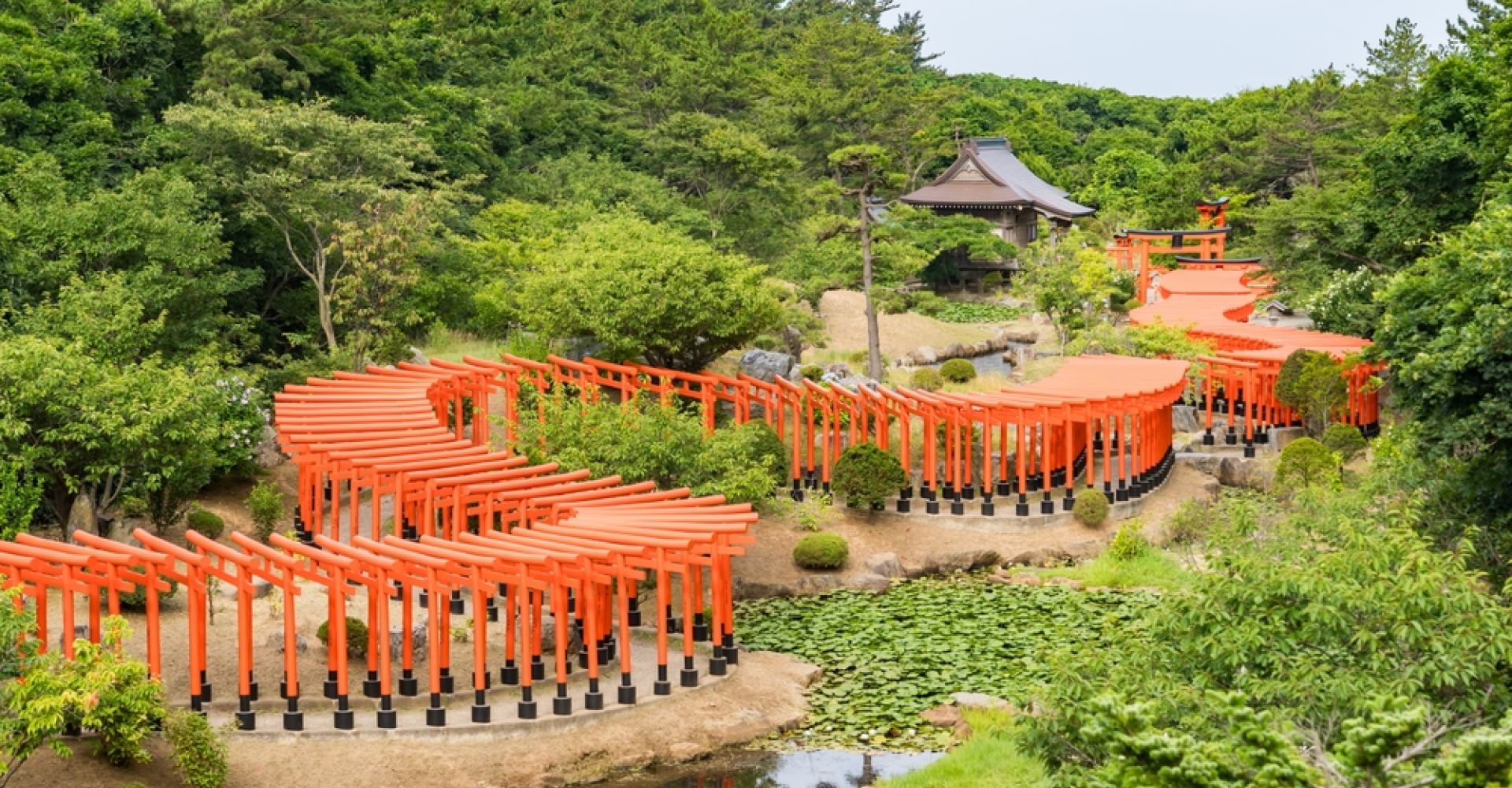
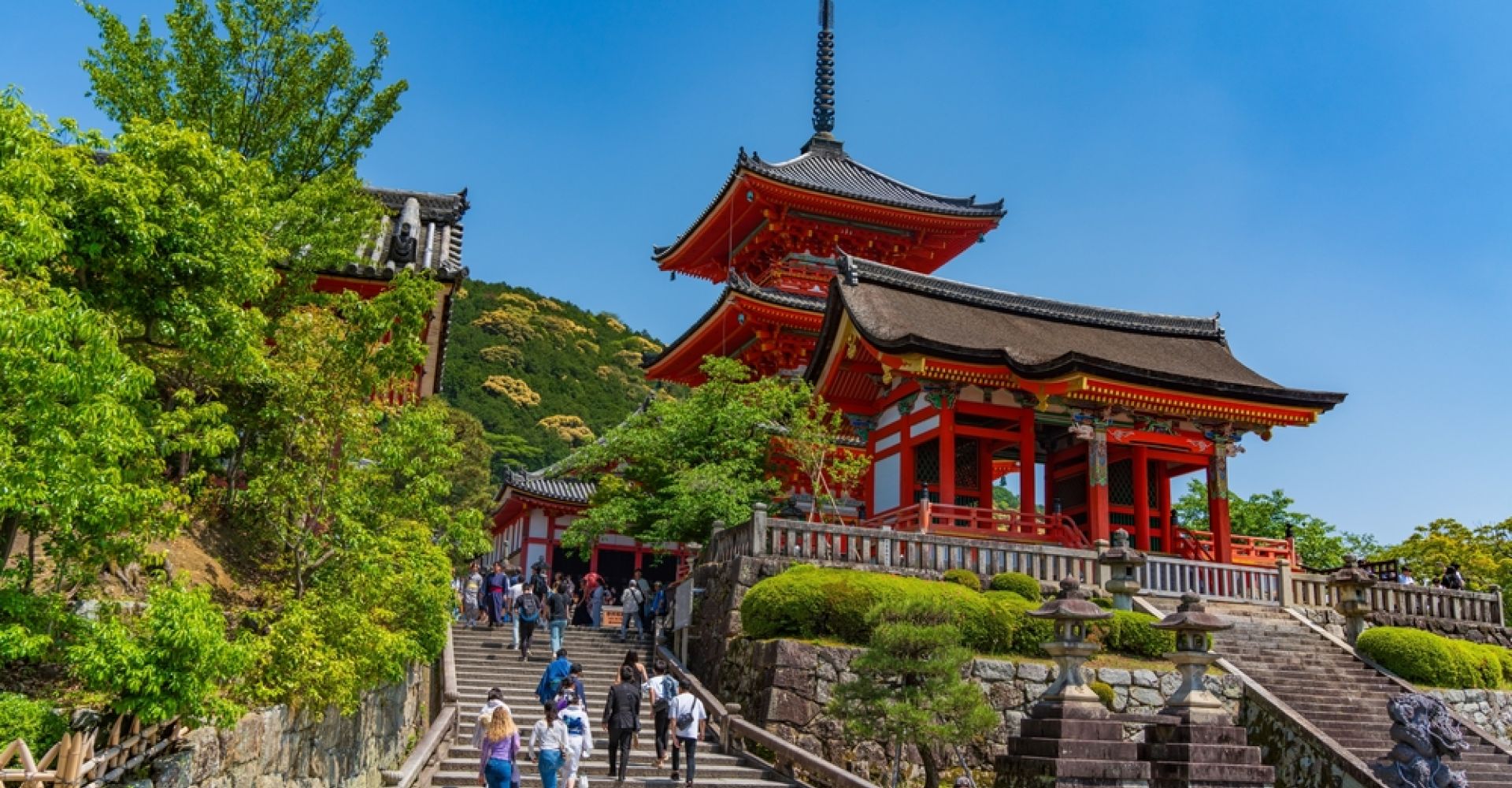
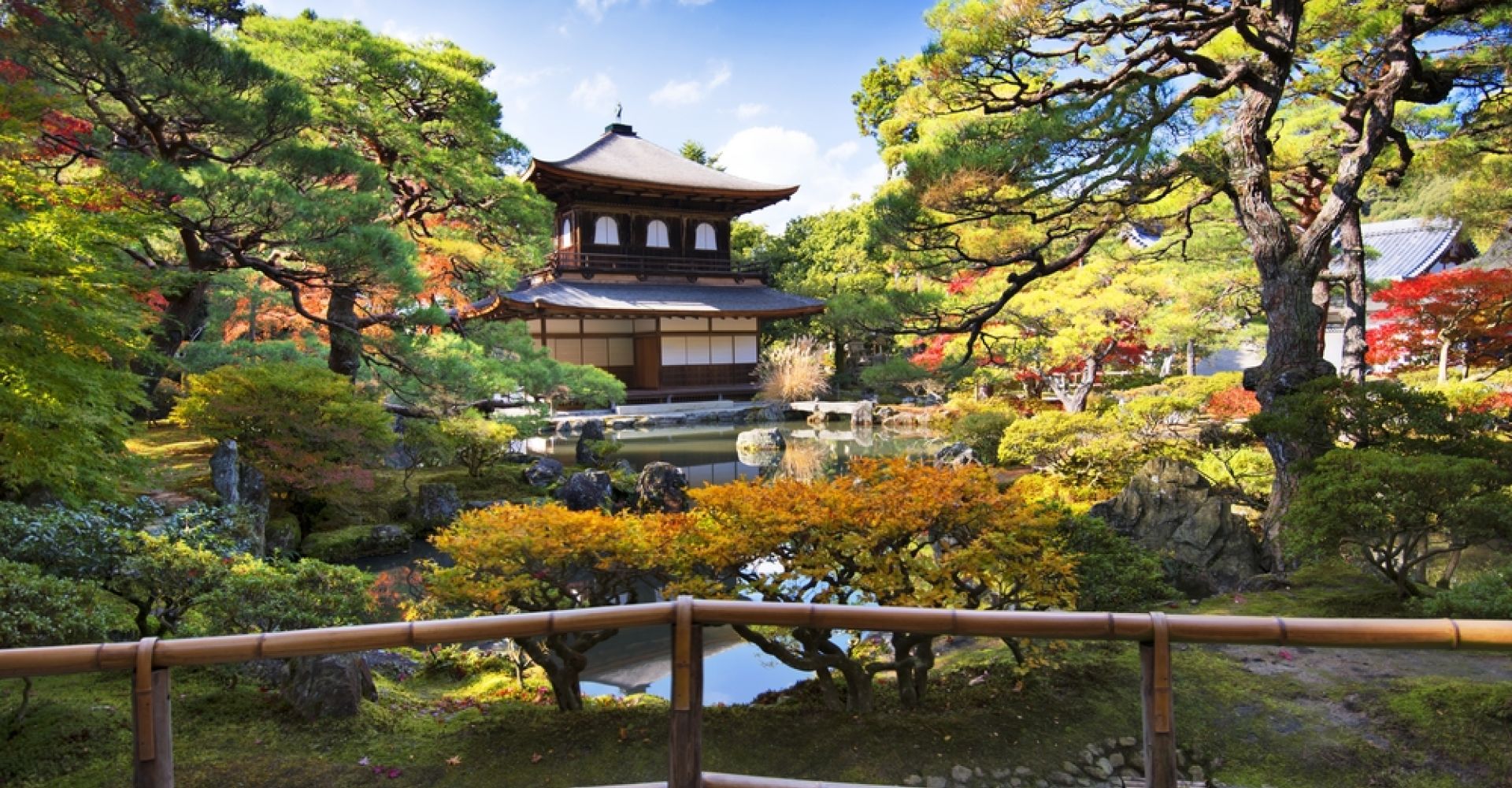
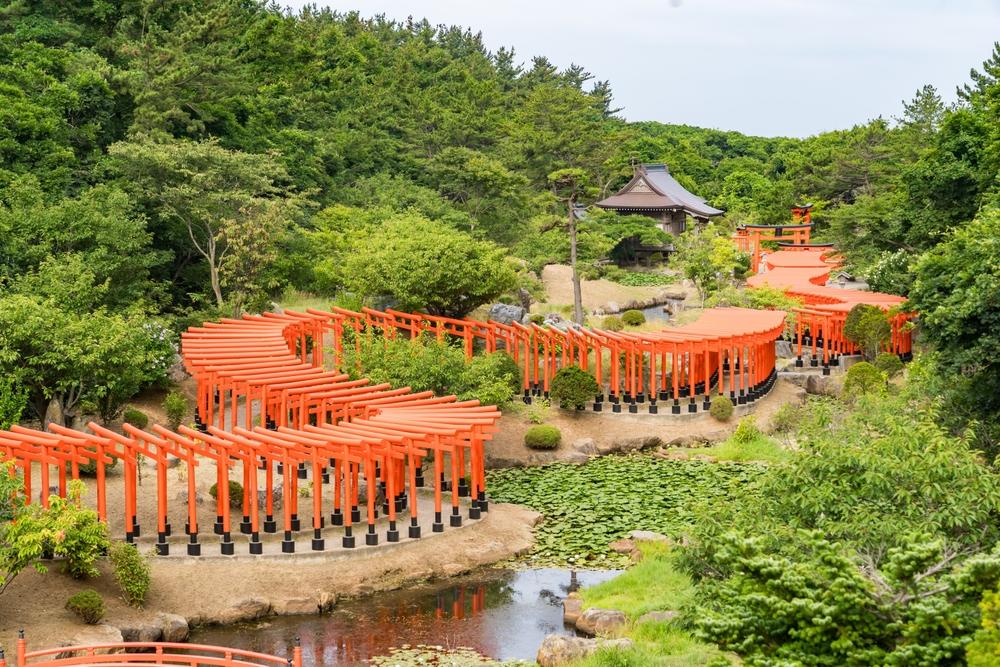
Visit Fushimi Inari Taisha, Kyoto’s celebrated shrine of thousands of vermilion torii gates. The pathway passes through forested slopes and creates one of Japan’s most iconic walking experiences. Established in the 8th century, the shrine is dedicated to Inari, associated with rice, prosperity and good fortune. Continue to Ginkaku-ji, the Silver Pavilion, a UNESCO-listed temple known for its refined gardens, moss, pines and the beautifully composed “Sea of Silver Sand.” In the evening, stroll through Pontocho, where narrow lanes, lanterns and traditional teahouses create one of Kyoto’s most atmospheric settings.
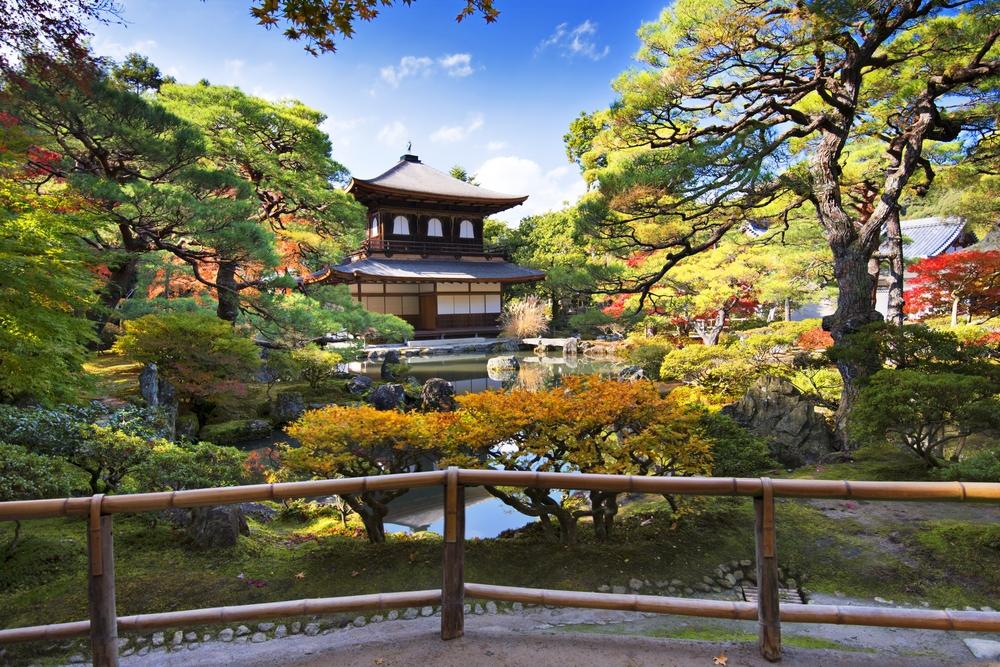
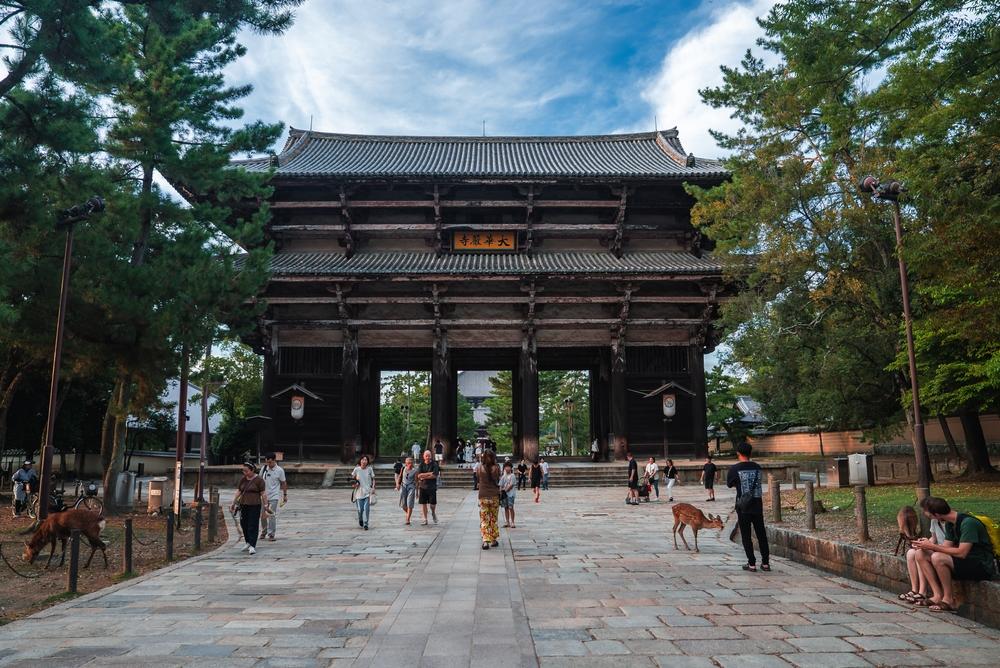
Today, you walk with a local in Japan’s ancient capital Nara: many temples of special architecture and National Treasures of Japan. Kasuga Taisha is an impressive Shinto shrine, composed of many beautiful vermilion buildings as well as of thousands of stone and bronze oil lanterns, donated by followers over the centuries. A highlight of this temple is the Daibutsu-den Hall of Todai-ji Temple, the largest in the world, that contains the Great Buddha, a National Treasure so powerful that it led to the move of the imperial capital from Nara. Last but not least, Nigatsu-do, a temple built on stilts, which is also worth a visit before you continue to Kanazawa.
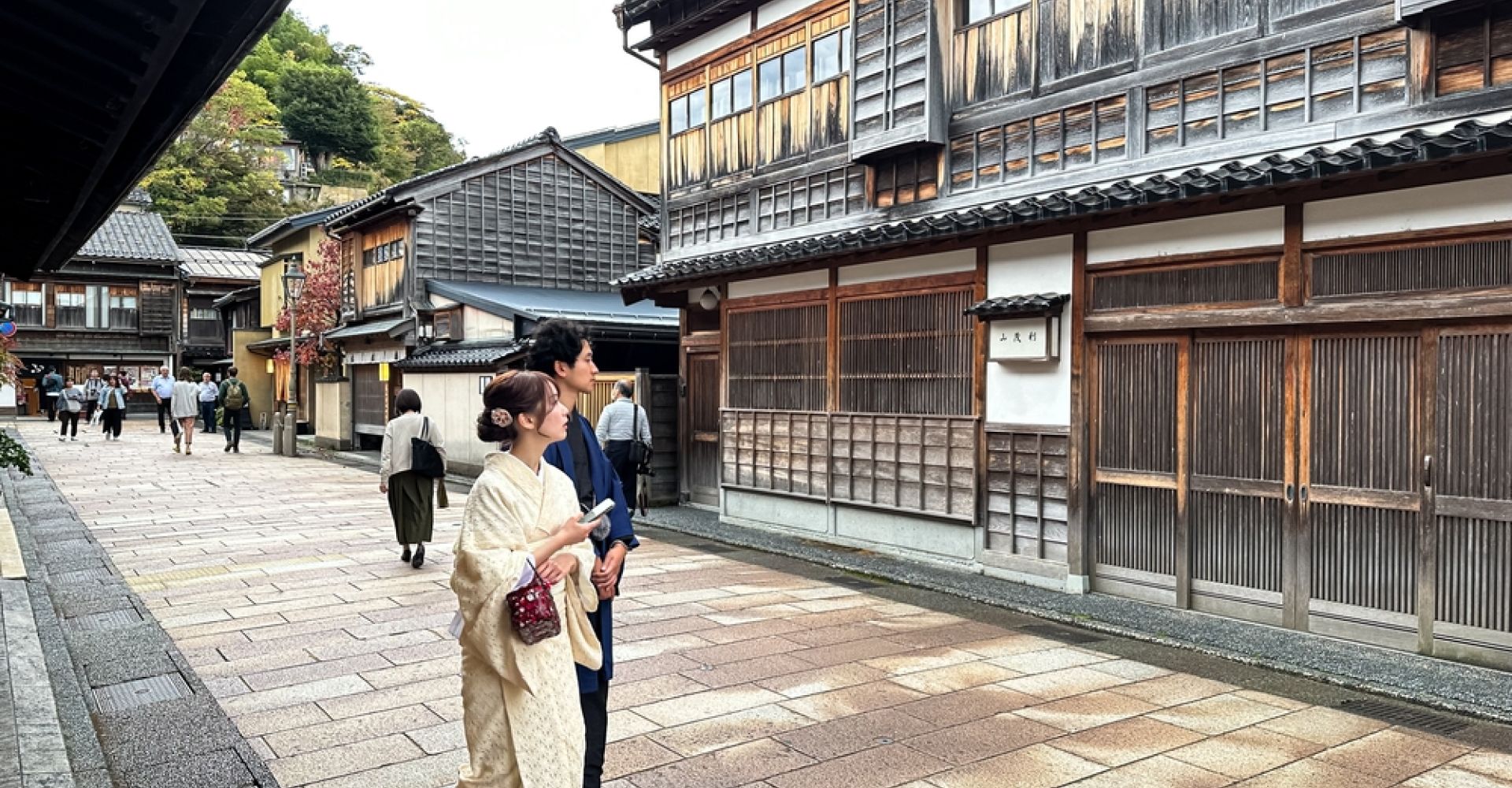
Explore Kenrokuen, considered one of Japan’s great landscape gardens. Developed over centuries, it brings together streams, ponds, waterfalls, bridges, stone lanterns, sculpted trees and carefully composed viewpoints to create a living artwork that changes with every season. Afterward, walk around Kanazawa Castle, once the seat of the powerful Maeda clan, who ruled the region for generations. Although much of the original structure was lost to fire, the restored gates and castle grounds still convey the city’s samurai-era importance and elegance.
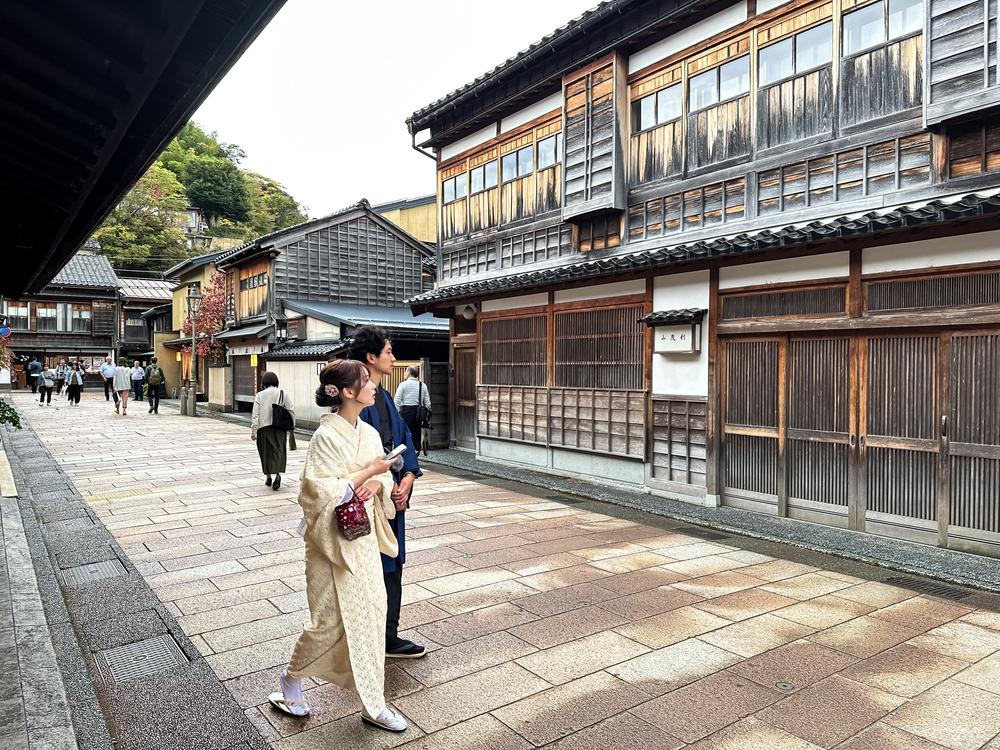
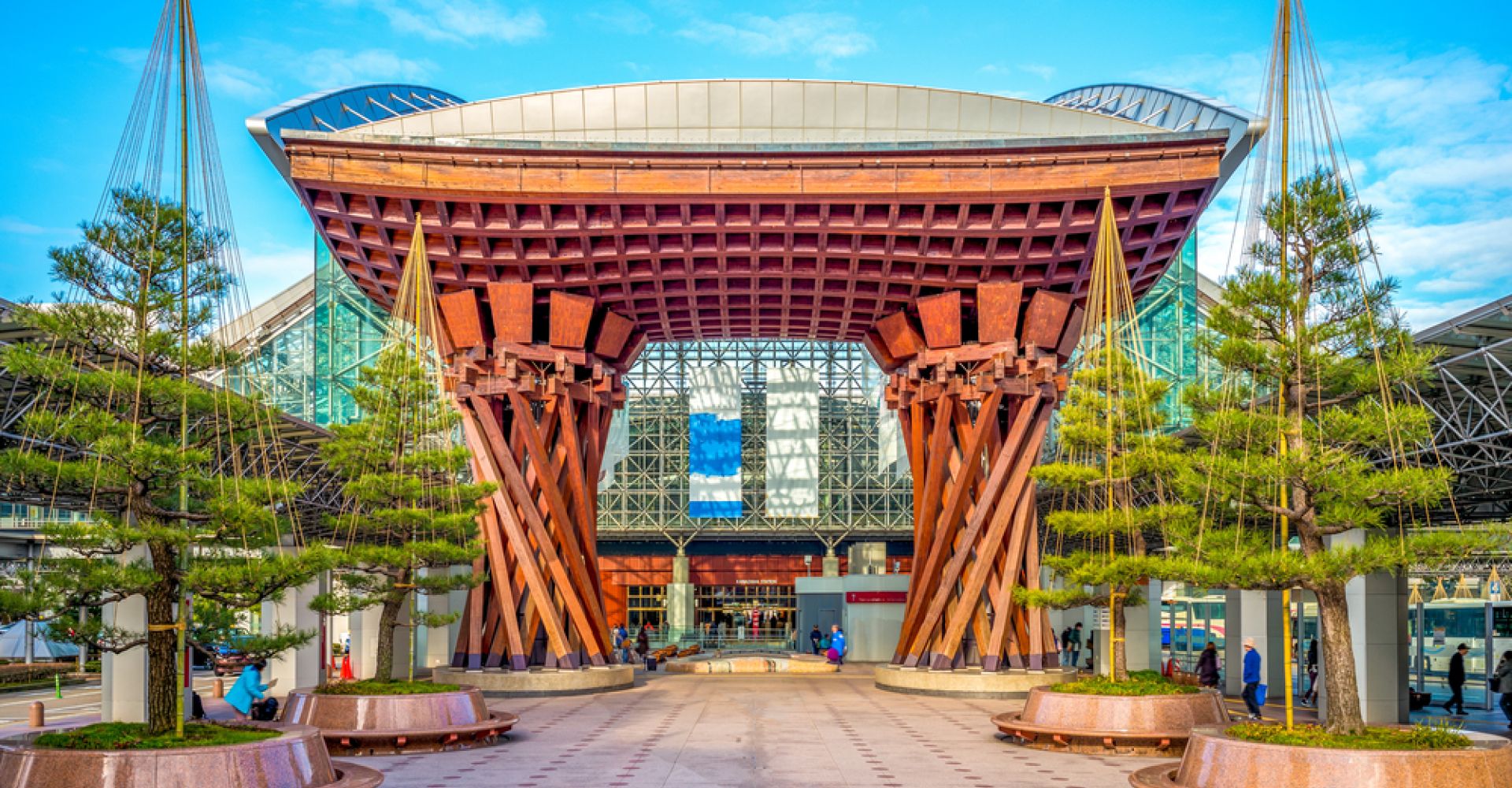
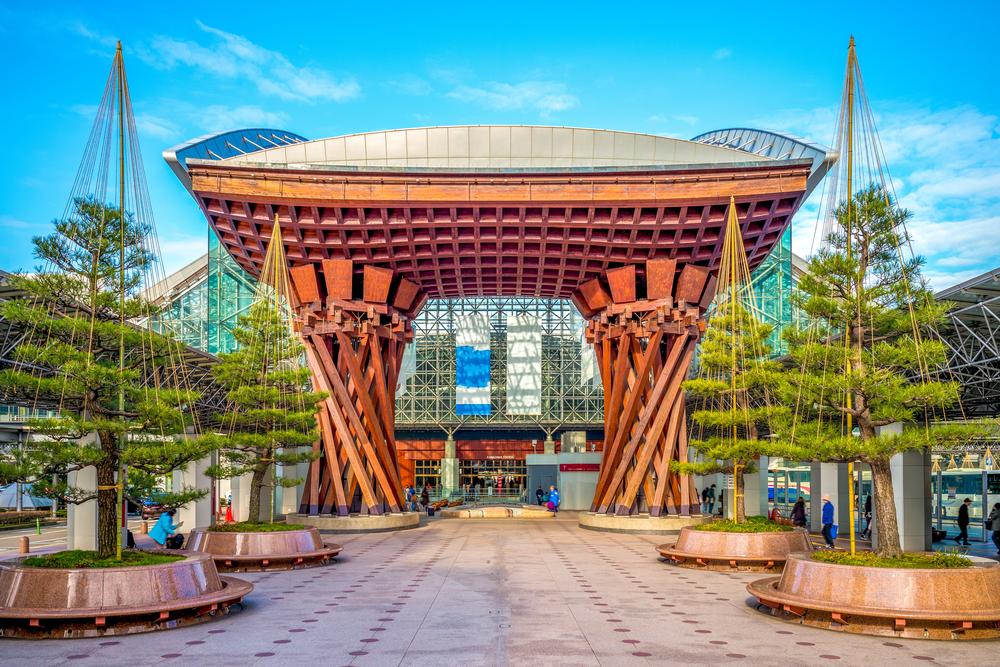
Enjoy a slower morning in Kanazawa, allowing time for independent exploration, a final garden walk or a visit to one of the city’s historic districts. This is a good moment to absorb Kanazawa’s calm rhythm before changing landscapes once again. At the scheduled time, board the train to Takayama, a mountain town in the Japanese Alps known for its preserved streets, festival traditions, sake breweries and warm local character. On arrival, settle in and enjoy dinner as the pace of the trip becomes more rural and atmospheric.
Spend the day exploring Takayama’s historic corners. Begin along the Higashiyama walking route, a peaceful hillside path where you can find temples, shrines and greenery. The route offers a gentle way to experience the town’s spiritual heritage away from the busier center. Continue toward Sakurayama Hachimangu Shrine, associated with Takayama’s famous autumn festival, then visit Takayama Jinya, a rare surviving government building from the Edo period. Once a residence, administrative office, court and tax collection center, it offers a fascinating look at regional governance under the Tokugawa shogunate.
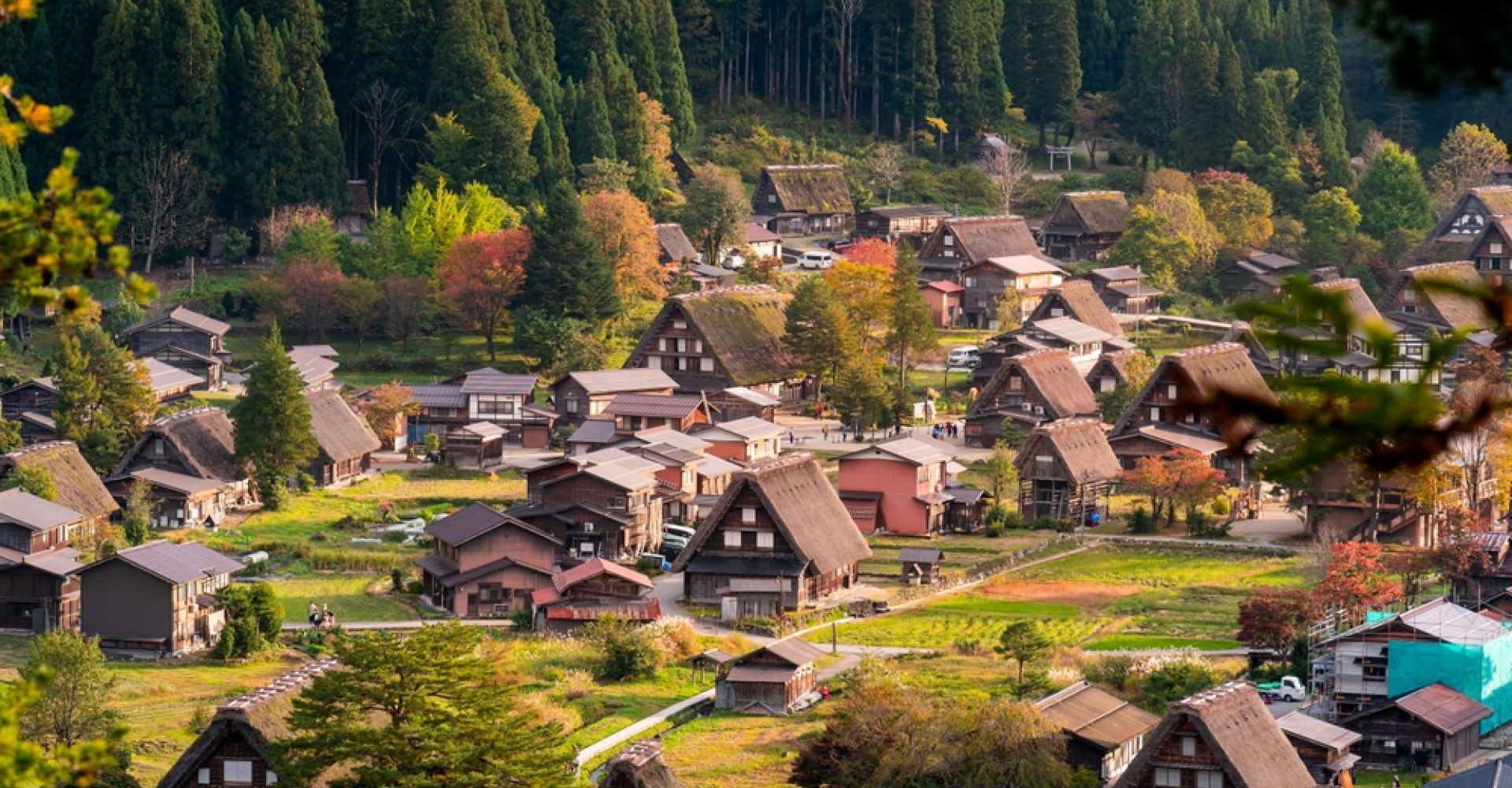
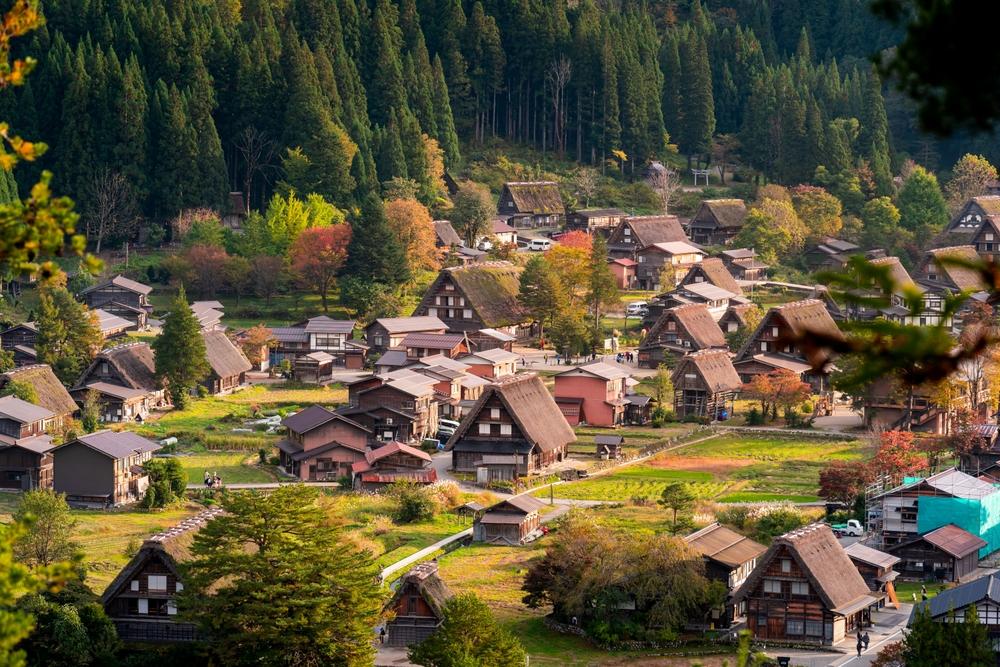
Step into one of Japan’s most distinctive rural landscapes with a day trip to Shirakawa-go, a UNESCO World Heritage village known for its steeply pitched gassho-zukuri farmhouses. Designed to withstand heavy snow, these thatched-roof homes are among the most recognizable examples of traditional mountain architecture. Some houses can be visited during the day, giving insight into the large communal living spaces and the practical simplicity of village life. After time among the lanes, viewpoints and wooden homes, return to Takayama for another evening in the Japanese Alps.
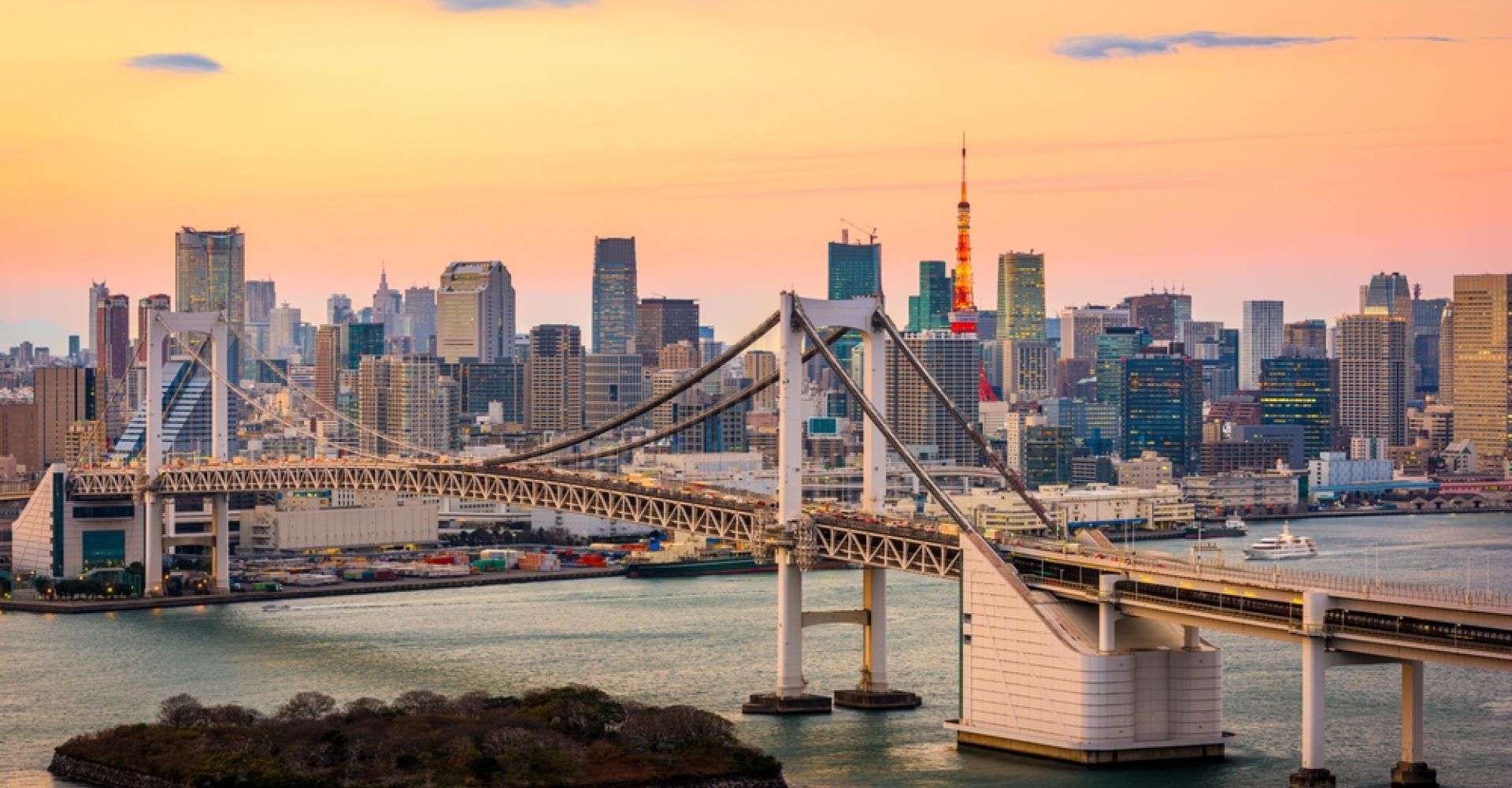
Return to Tokyo and enjoy more time in this bustling city from a different perspective. You could return to East Shinjuku with its many small bars, restaurants and live entertainment in the streets and back streets of this famous “neon district”. An alternative would be to return to the West Shinjuku area with its very modern skyscrapers and high up city views. Additionally, you could return to the chic shopping district of Ginza with its high-end contemporary architecture and sophisticated and refined urban atmosphere. On your last night in Tokyo you can enjoy it as you like, be it a relaxed evening or a wild night!
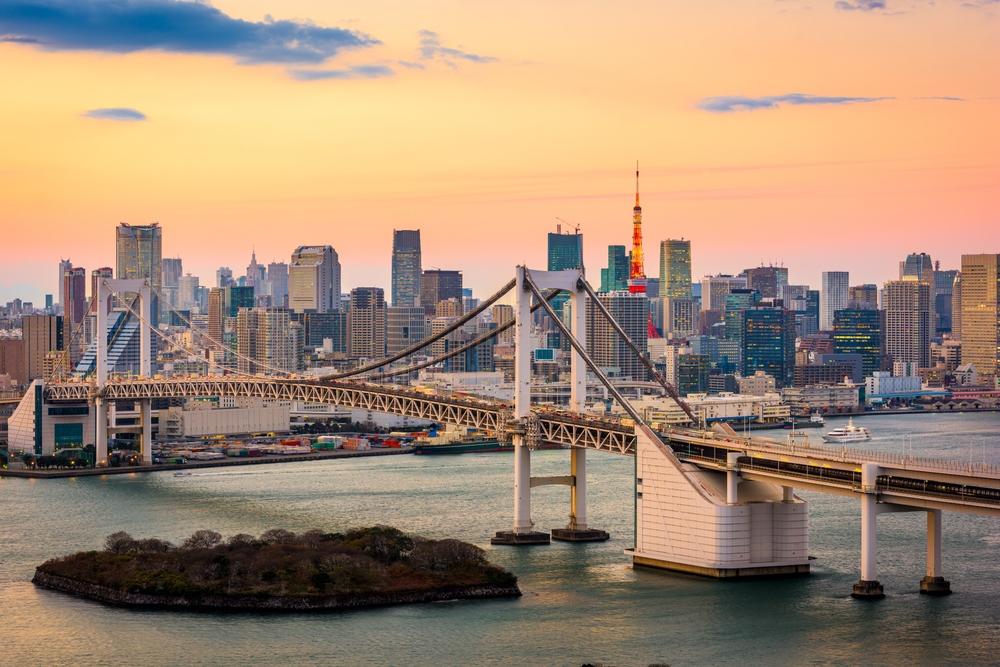
Enjoy a final half-day in Tokyo, perhaps returning to a favorite neighborhood, visiting one last attraction or simply taking time for a quiet breakfast and a final stroll before departure. At the appropriate time, take the train to the airport for your onward flight. We wish you a safe journey home and hope this cultural route through Japan leaves you with lasting memories of its cities, mountains, temples, gardens and traditions.