Sacred Shikoku: A 13-Day Pilgrimage & Cultural Journey from Kyoto to Osaka
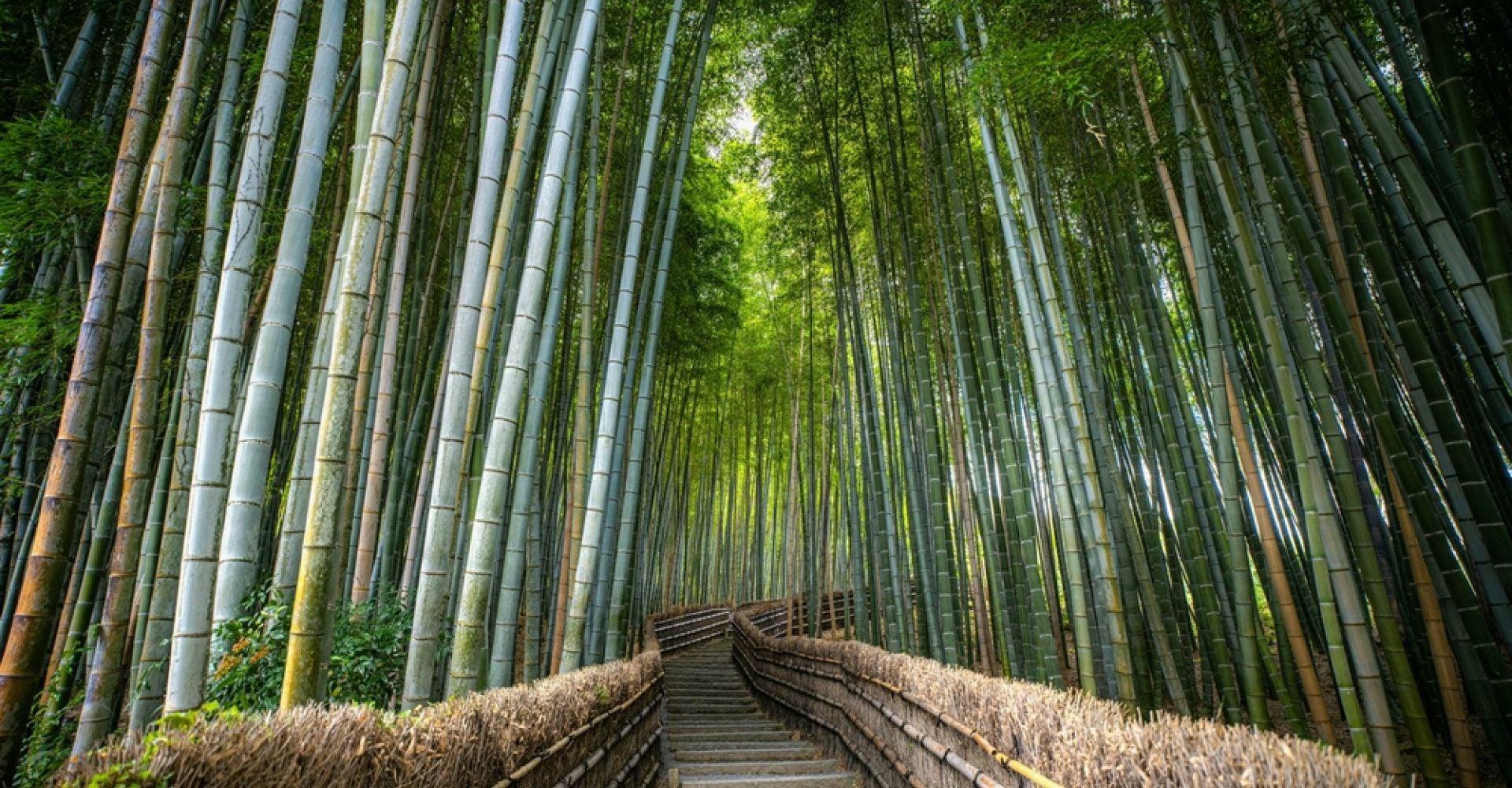
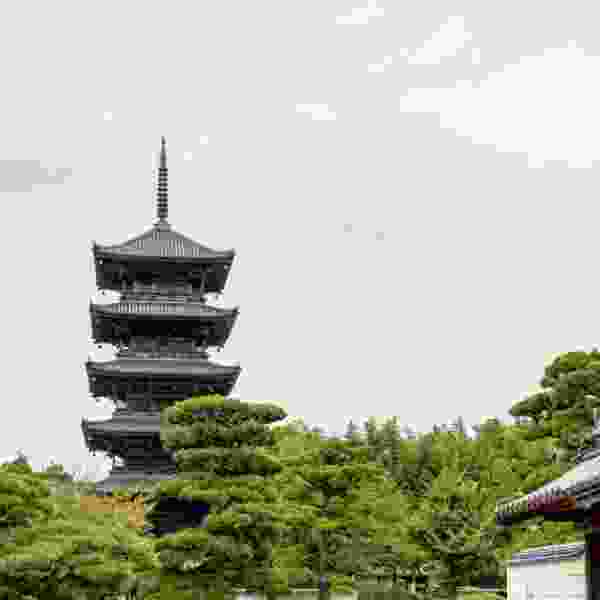
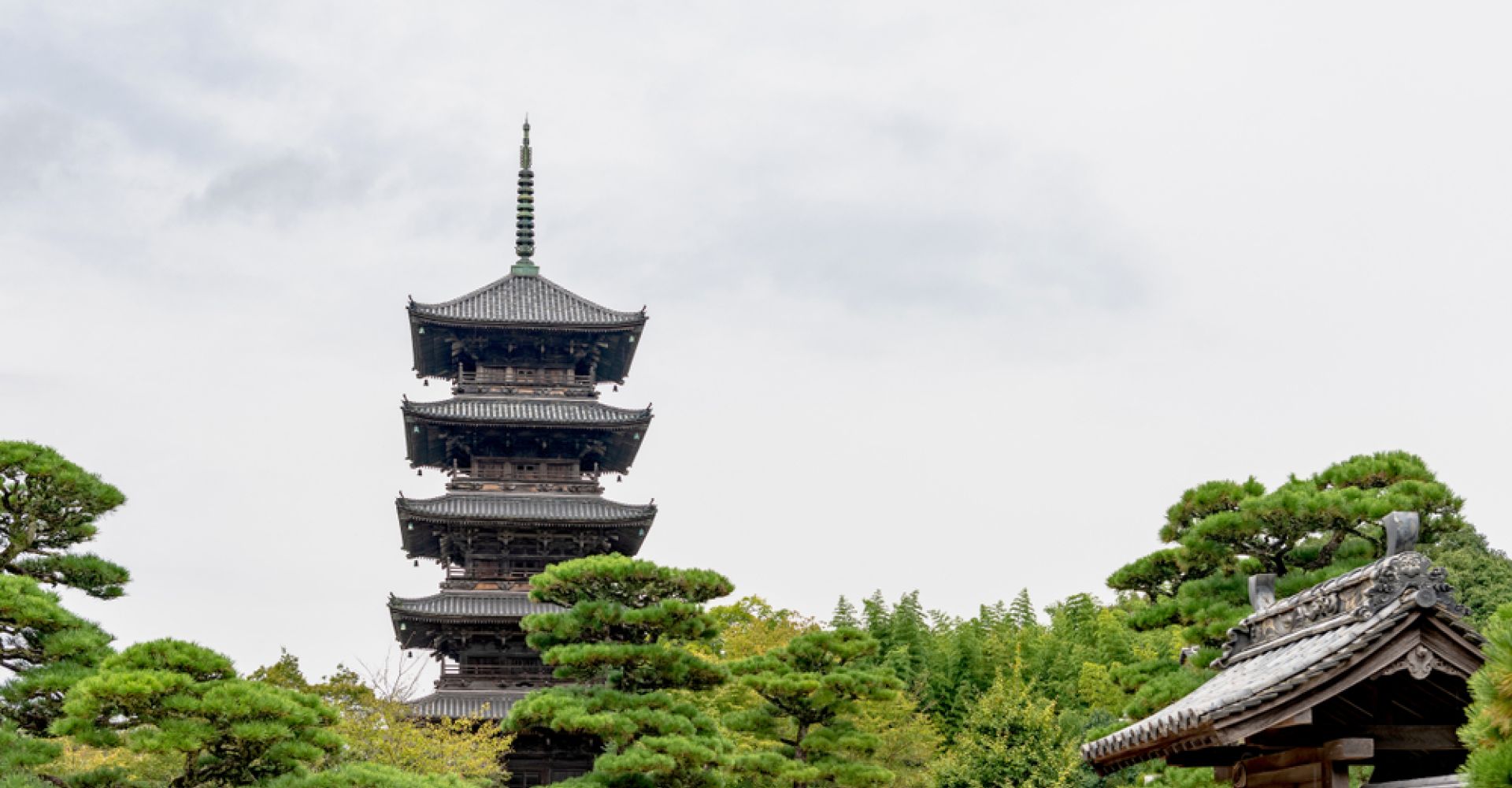
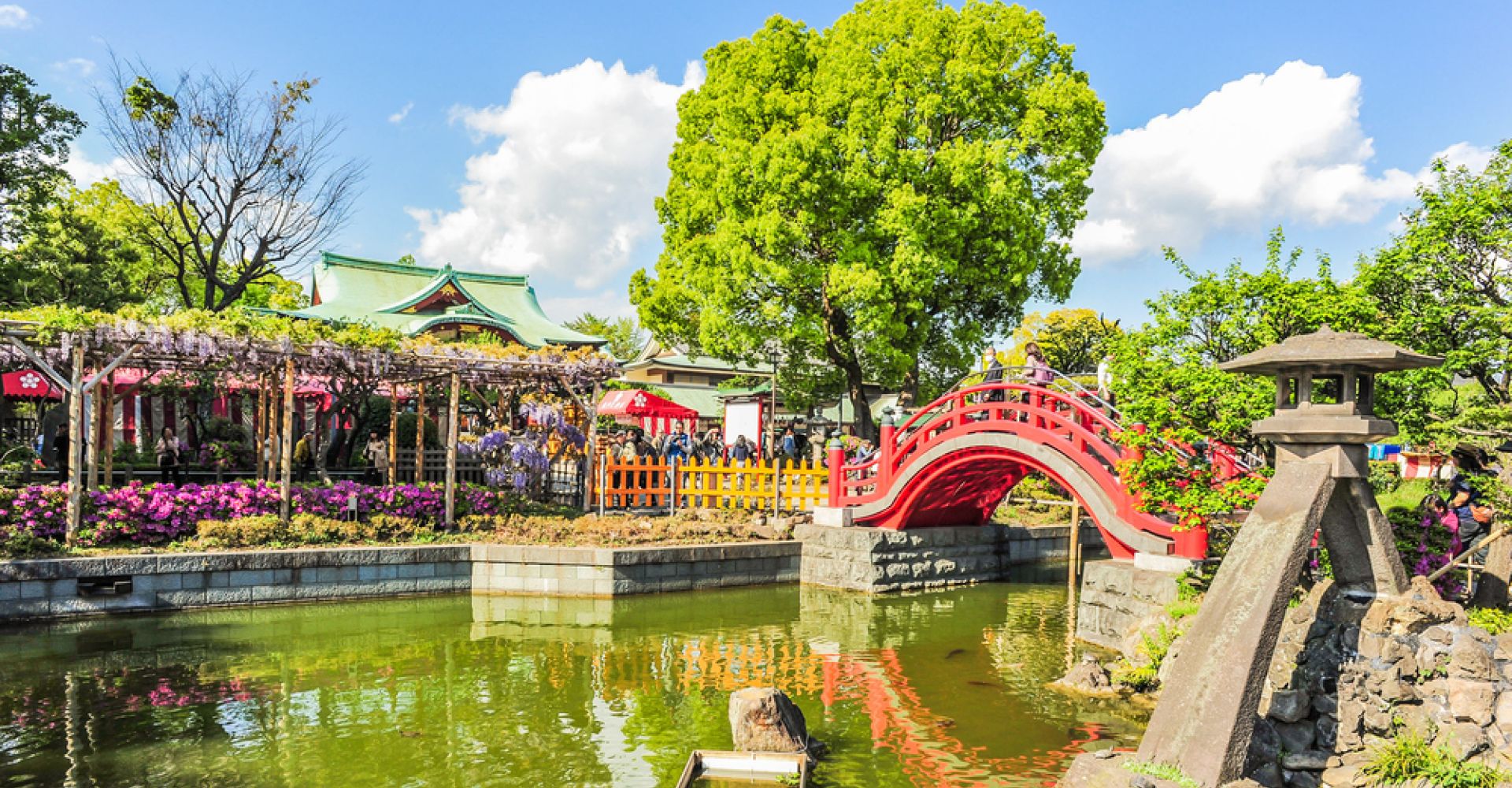
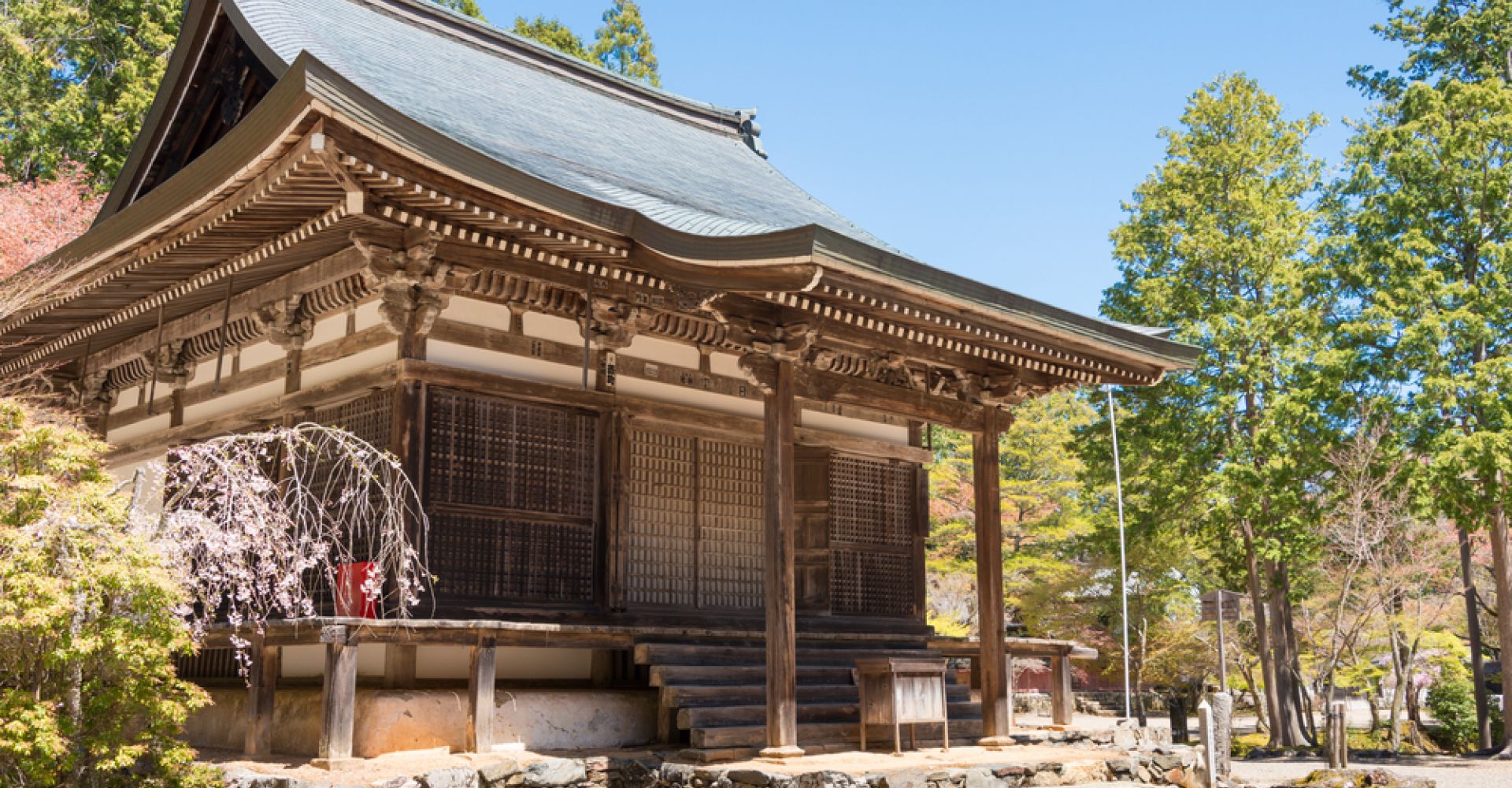
Step beyond the neon of Japan’s modern cities and into the more spiritual and culturally historic regions of the country. This 13-day Tailored by Locals tour dives into some of the most beautiful and unspoiled areas of Japan and includes sections of the famous 88-temple Shikoku Pilgrimage, as well as quieter nature walks and explorations of stunning vine bridges, incredible castles and rejuvenating onsen (hot springs). The tour begins in historic Kyoto, where you can trek up some of the sacred mountain temples including the famous Tenryu-ji with its stunning and peaceful bamboo grove in the scenic Arashiyama district. From there, head to the start of the Shikoku Pilgrimage in Tokushima, before traveling through the four prefectures of Shikoku, Ehime, Kagawa, Tokushima and back again. You will have the help of local guides who have a deep and broad knowledge of the temple routes, whether mountain or coastal, as well as the vast networks of cedar forest and rural villages that stretch between them. Returning to the city, experience historic temples, beautiful gardens and landmarks in Osaka and take an once-in-a-lifetime day trip to the incredible Mount Koya, a holy place of Zen Buddhism that is home to over 1,000 monks in a massive and incredible monastery. We can also plan this deeply spiritual tour to include as much or as little temple visiting, walking and city time as you like, with plenty of relaxing time along the way.
What's included
Itinerary
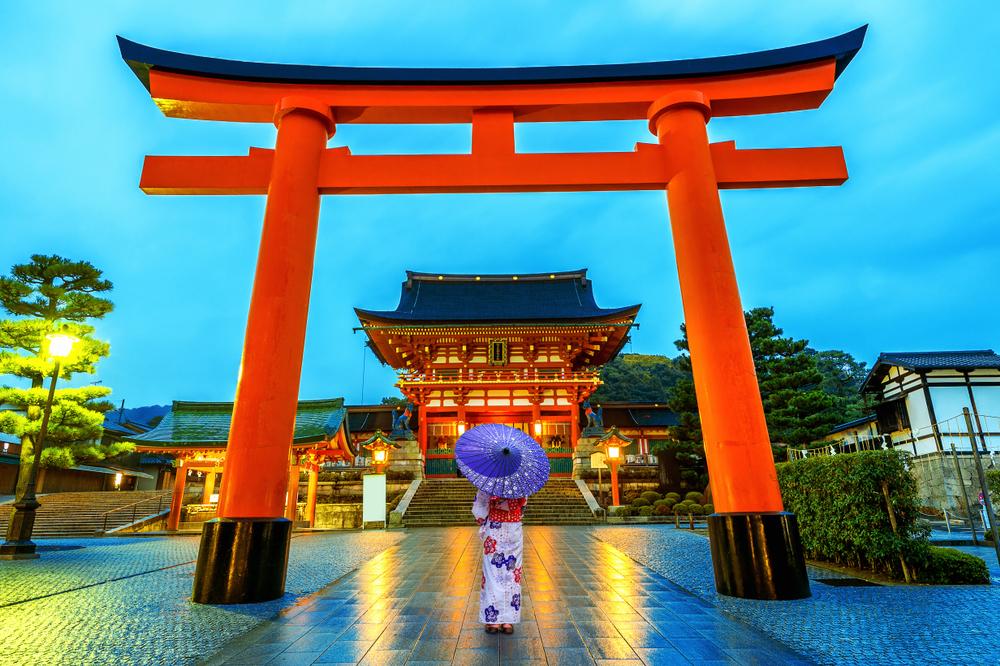
Upon arrival at the Kansai International airport, in the lobby of the arrival gate, you will meet your private transfer driver. It will take about one hour to get to your hotel in Kyoto. Compared with the frenetic pace of life in Tokyo, Kyoto is a traditional and less hectic city, with great culture to experience. On arrival at your Kyoto hotel, you will get to explore the local surroundings. The main places of interest in Kyoto are its shrines!. The most famous of all the large shrines is probably Fushimi Inari-taisha. This is a truly unique site that consists of thousands of vermillion colored torii gates which lead to the summit of a very large hill in a peaceful forest. On the way to the summit, there are many smaller shrines as well as several large statues and lots of large wooden plaques. It is a great place for a long stroll, with great views from the top. Just a short walk from Inari is the very large Tofuku-ji Temple, one of the largest Zen temples in Japan. This temple has a very peaceful atmosphere and has many points of interest, such as carvings, large statues, gardens and a large pond. After a long day, it’s back to your hotel where you can wear a yukata (a form of traditional Japanese clothing) and relax, with traditional Japanese hospitality of omotenashi (with careful consideration to ensure your stay is as good as possible).
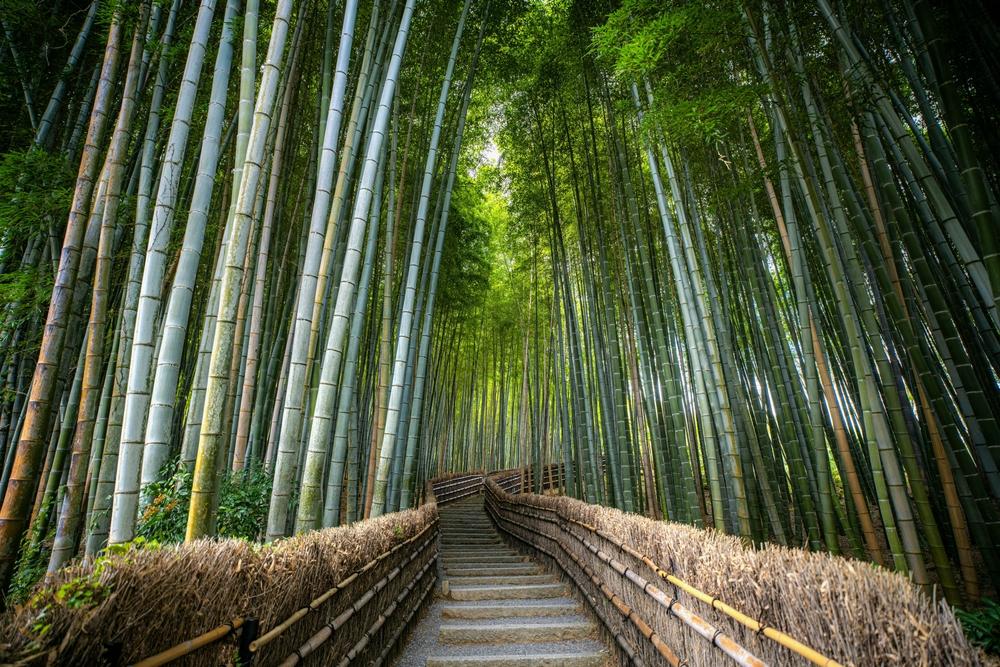
Today leads you beyond central Kyoto to the forested slopes of Mount Takao and the sacred grounds of Jingo-ji Temple. Reached by a climb of around 350 stone steps, this 1,200-year-old temple is closely connected with Kukai, the priest who founded the Shingon school of Buddhism. During your visit, admire Bonsho, one of Japan's great temple bells and the Yakushi Nyorai healing Buddha. You can also take part in kawarake-nage, a local ritual in which small clay disks are thrown from the mountainside as a symbolic act of casting away misfortune. Continue to Arashiyama, Kyoto's scenic western district. Walk through the Sagano Bamboo Grove, where soaring green stalks create one of Japan's most atmospheric natural corridors. If time allows, cross the Togetsukyo Bridge, the poetic 'Moon Crossing Bridge,' or continue toward Iwatayama Monkey Park before returning to Kyoto for the evening.
Your pilgrimage chapter begins with a scenic drive of around three hours from Kyoto to Tokushima Prefecture on Shikoku Island. Here, you will start walking in the footsteps of Kukai, later known as Kobo Daishi, whose legacy is known through the island's celebrated 88-temple pilgrimage. Begin at Ryozen-ji, also known as Vulture Mountain Temple. Many pilgrims start here by gathering traditional items such as white garments, walking staffs, sedge hats and prayer beads. From this symbolic starting point, continue on foot through quiet neighborhoods and open rice fields toward Gokuraku-ji, and Konsen-ji, known for its red pagoda and bridge. Today's walk covers approximately 3.7 miles (6 km) over mostly flat terrain, giving you a gentle and meaningful introduction to the pilgrimage. At the end of the day, your driver transfers you to your hotel to rest before the next section of the trail.
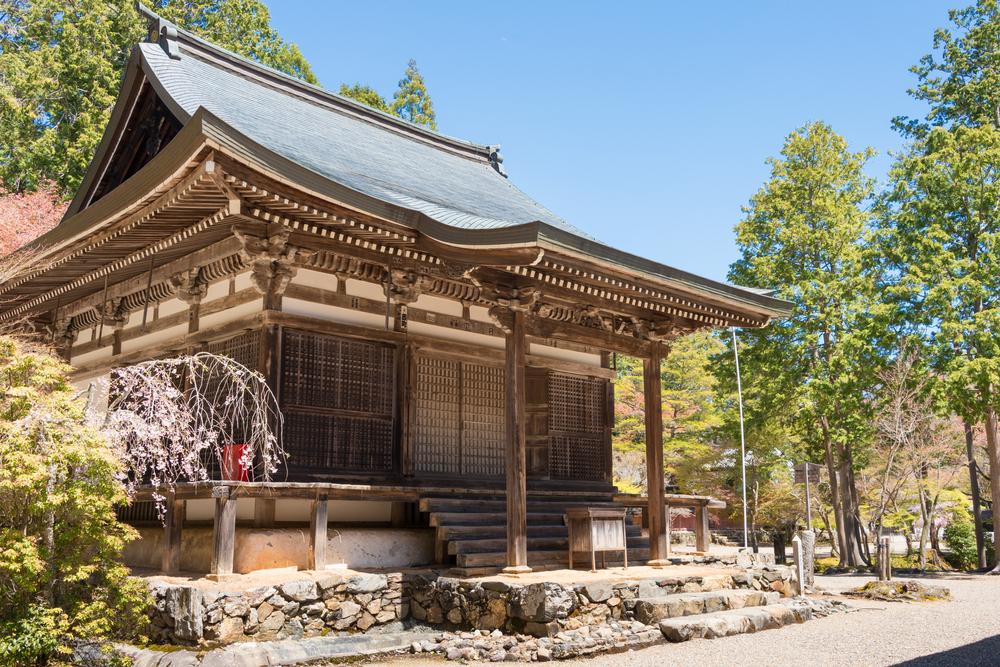
After breakfast, prepare for the most demanding walking day of this journey. Start with the climb to Fujii-dera, a mountainside temple whose name means Wisteria Temple and whose flowers are traditionally linked to Kukai. From there, continue along a rugged forest route toward Shosan-ji. This section is often called henro-korogashi or 'the pilgrim tumbler,' because of its steep gradients and physical challenge. The trail covers about 7.4 miles (11.9 km), with an elevation gain of more than 3,800 feet (1,185 m), passing small shrines, mountain forests and quiet farming communities. However, the rewards are memorable: ancient sugi cedars, wide mountain views and the deep satisfaction of reaching Shosan-ji, perched high on Mount Shosan-ji. After approximately seven hours of walking, return to your hotel for a well-earned evening of rest.
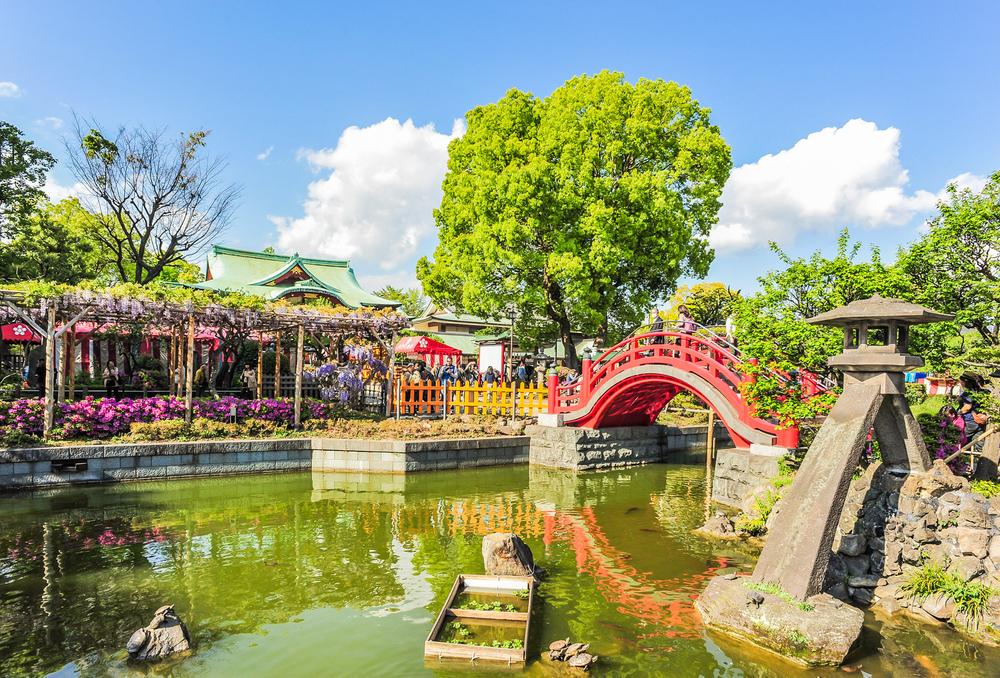
This morning, travel with your guide to Hiwasa, a peaceful harbor town on the Pacific coast. Here you will visit Yakuo-ji, the final temple in Tokushima Prefecture and a site long associated with prayers for protection, healing and relief from unlucky years. A short walk of around 2.5 miles (4 km) leads up the temple steps to the red-and-white pagoda, where sweeping views extend over Hiwasa Bay and the surrounding town. Pause at the temple's gong, said to help misfortune, and take time to absorb the calm atmosphere of this coastal pilgrimage landmark. Later, follow winding cliffside paths through forested areas, with occasional openings toward sandy coves, offshore islands and the wide blue Pacific. Return to your hotel after a day that balances temple culture, coastal scenery and gentle reflection.
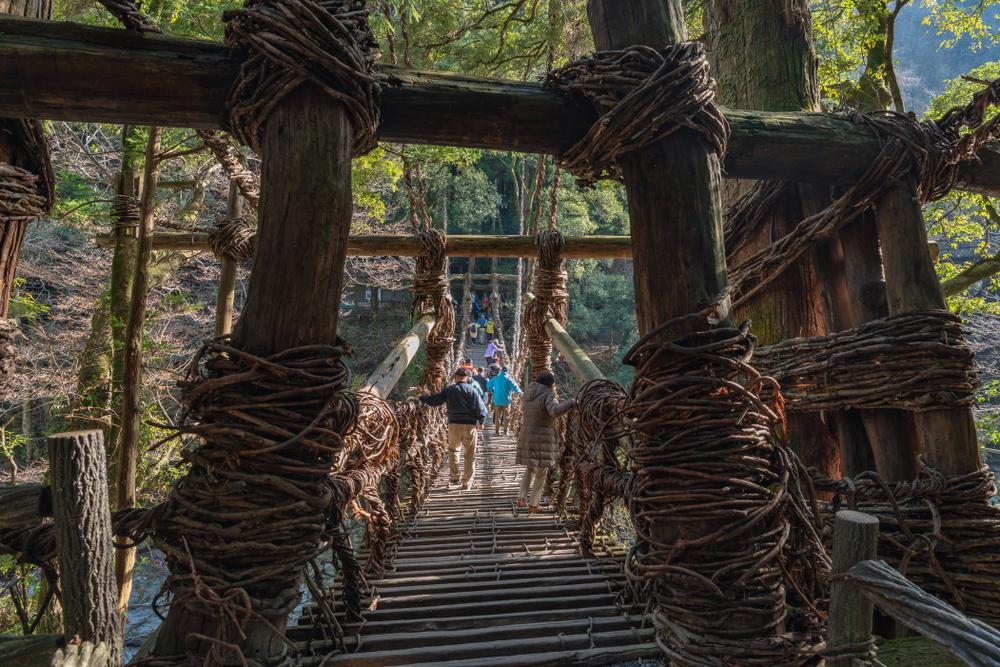
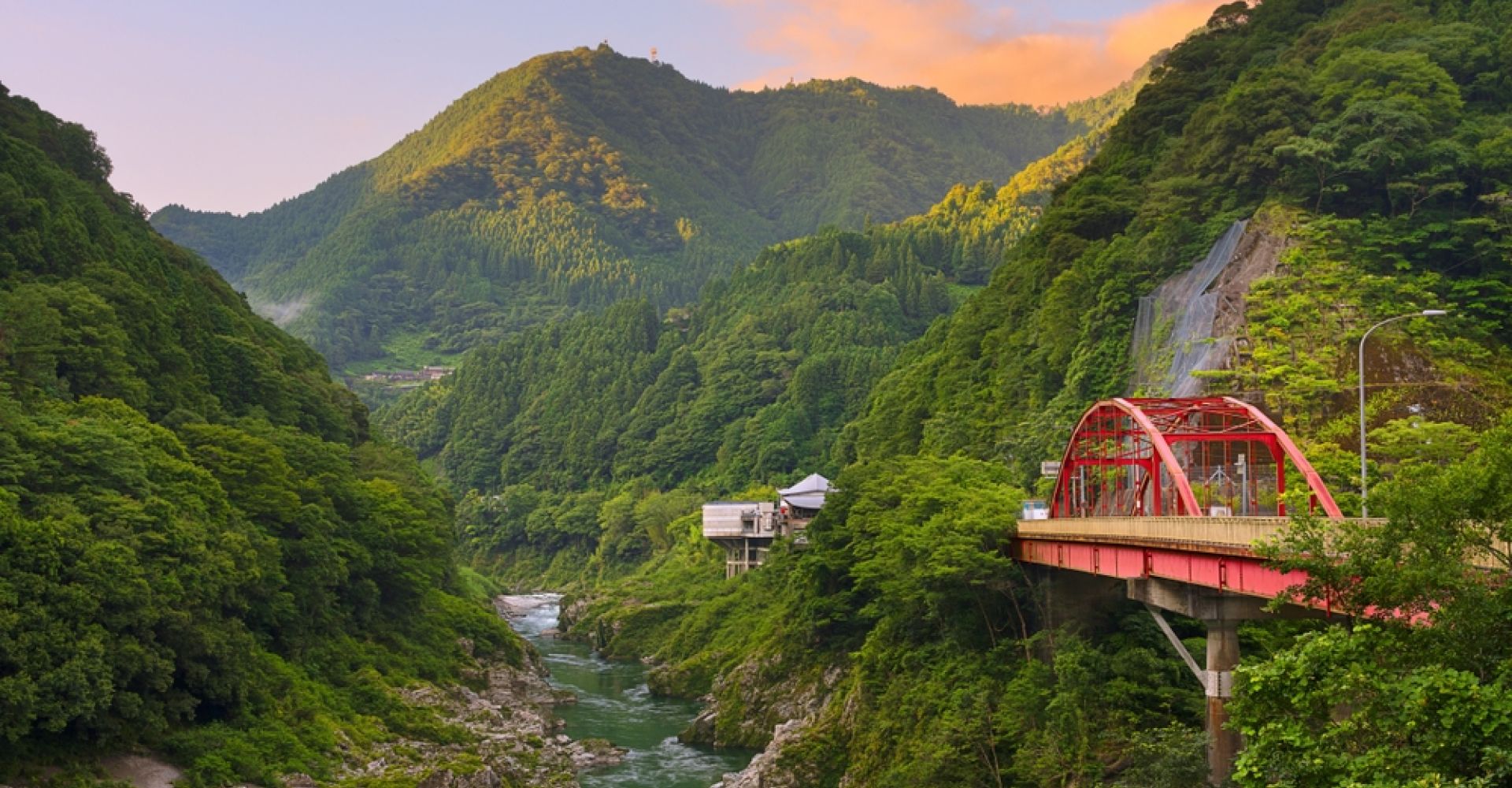
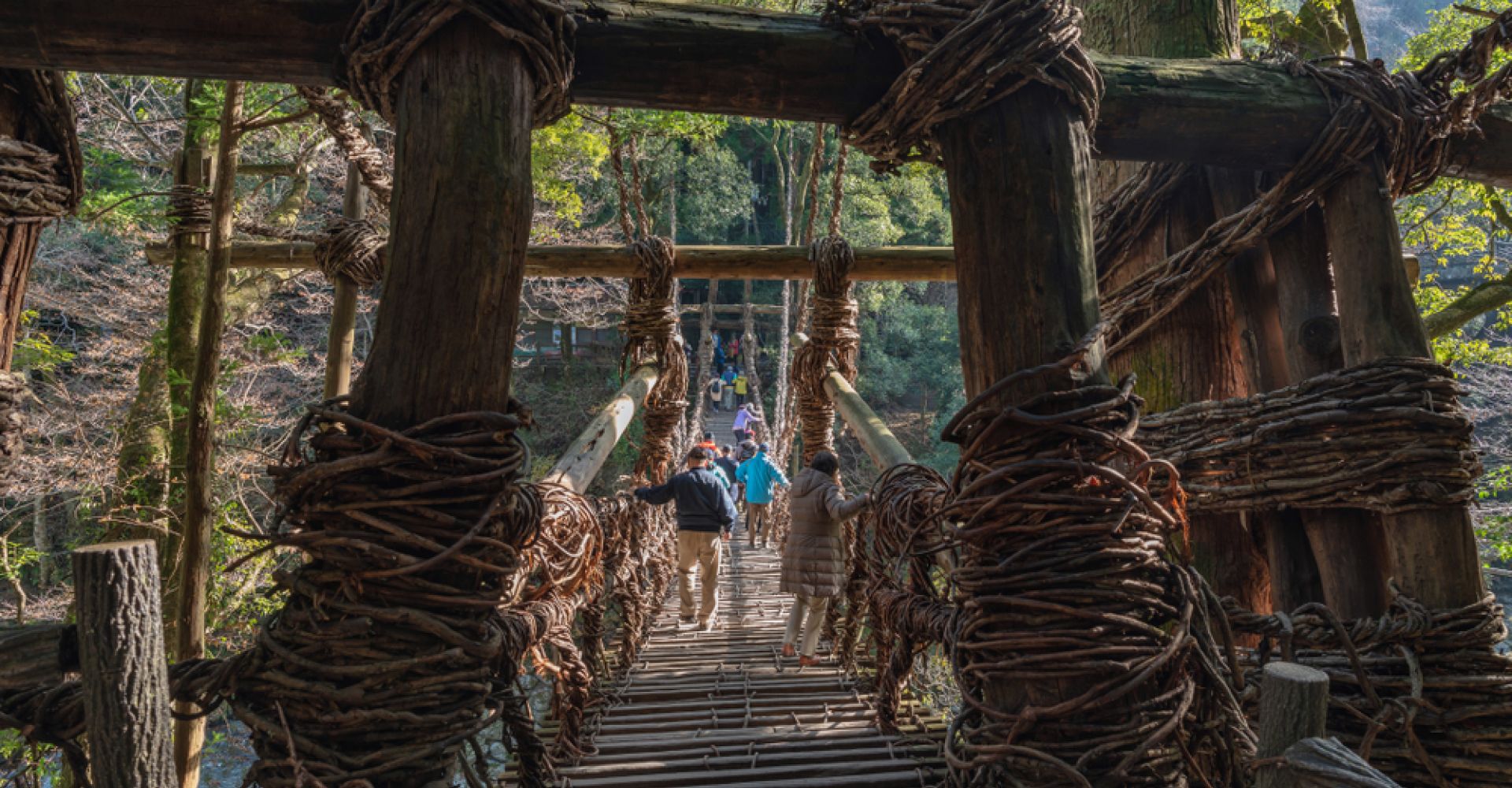
Today shifts from pilgrimage paths to one of Shikoku's most dramatic natural landscapes: the remote Iya Valley. Set deep in the island's interior, this region is known for rocky gorges, steep forested slopes and clear rivers. Explore the valley's famous vine bridges, once practical crossings and now among Shikoku's most distinctive heritage features. The Oku Iya Niju-Kazurabashi or Husband and Wife Bridges, sit roughly 329 feet (100 m) apart in dense forest. As you cross, the bridges sway gently, offering just enough thrill while remaining reinforced and carefully maintained. You may also try the yaen, a wooden cart that slides across the river on wires. After time to walk forest trails, admire waterfalls and experience the Iya River from close range, meet your driver for the onward journey of around three hours to Ehime Prefecture, where you will settle in for the next stage of your Shikoku journey.
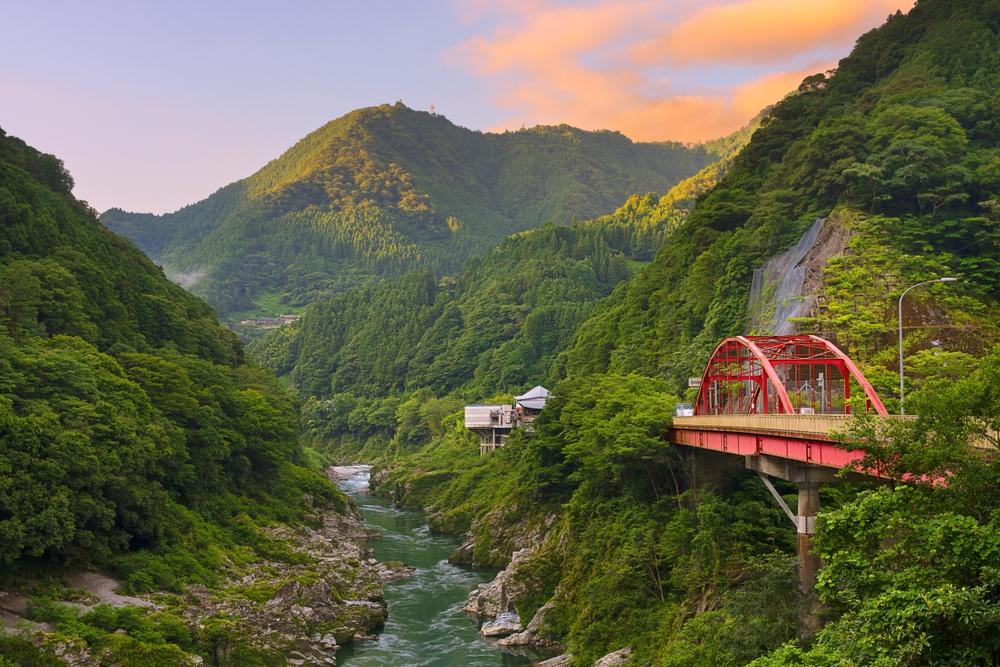
With your guide, travel by local transport to the Kumakogen Highlands in central Ehime, where today's walking route begins. Your first destination is Daiho-ji known as the Great Treasure Temple and celebrated as the halfway point of the Shikoku 88-temple pilgrimage. From there, continue through dense sugi forests and over a steep mountain pass toward Kawai, an old village that once served as a stopping place for pilgrims. The route covers approximately 7.3 miles (11.7 km), with a total elevation gain of about 2,130 feet (650 m). Your destination is Iwaya-ji founded in 805 CE and dramatically set among rock formations. Inside the temple complex, a wooden ladder leads to a secluded cave where Kobo Daishi is said to have meditated and chanted. After taking in the views and sacred atmosphere, return to your hotel in Ehime.
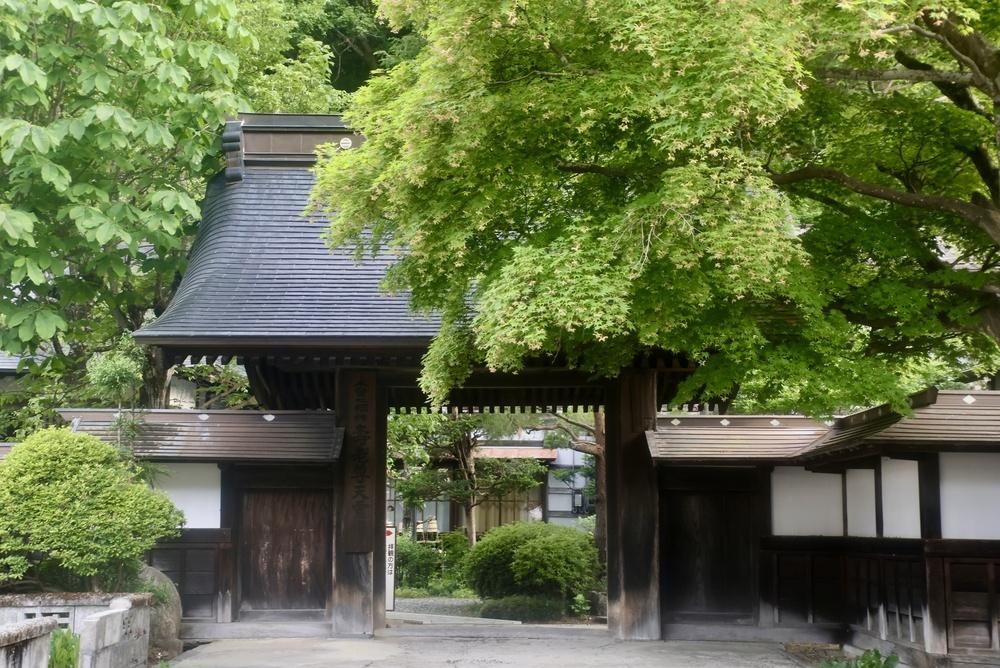
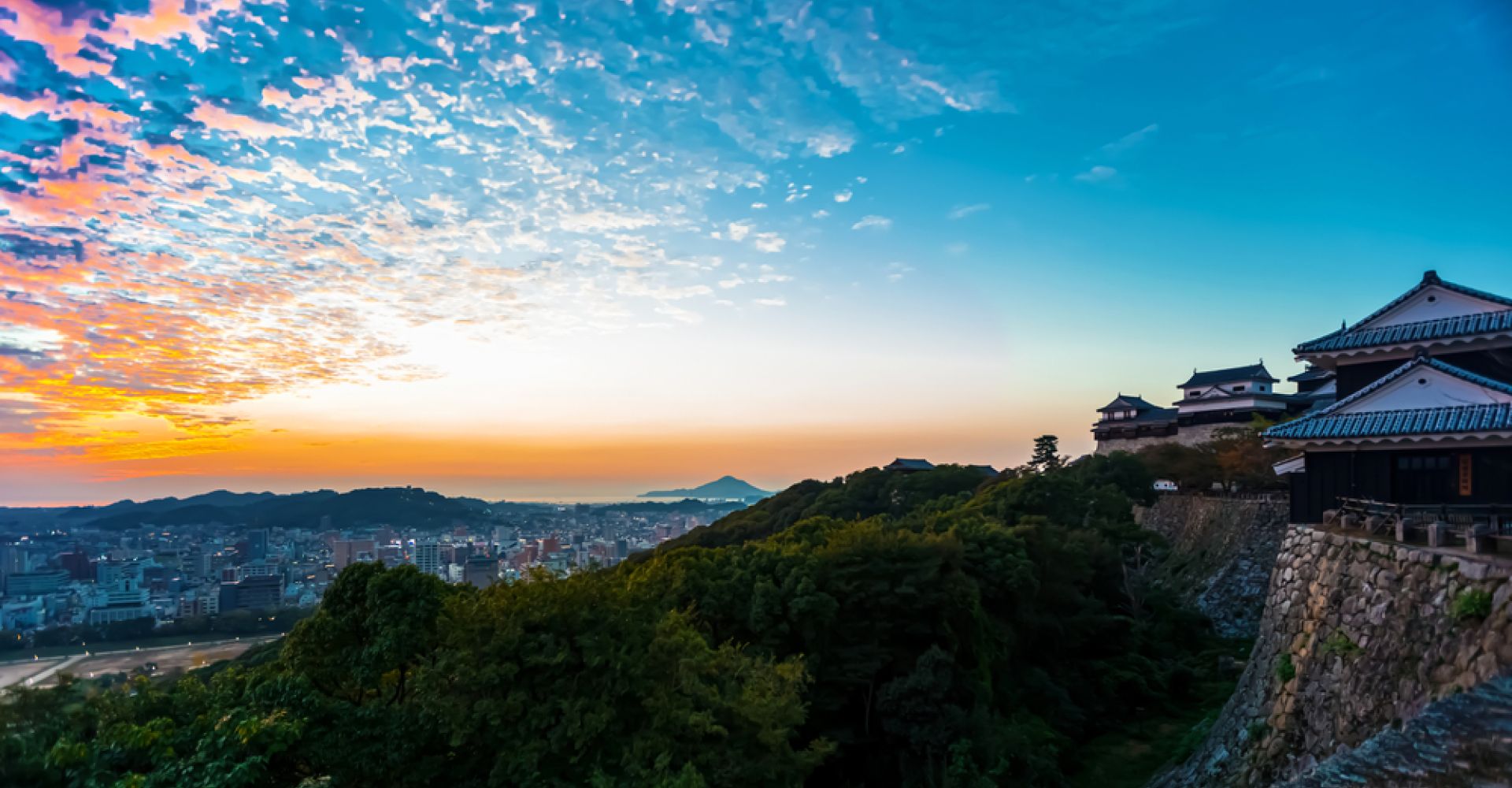
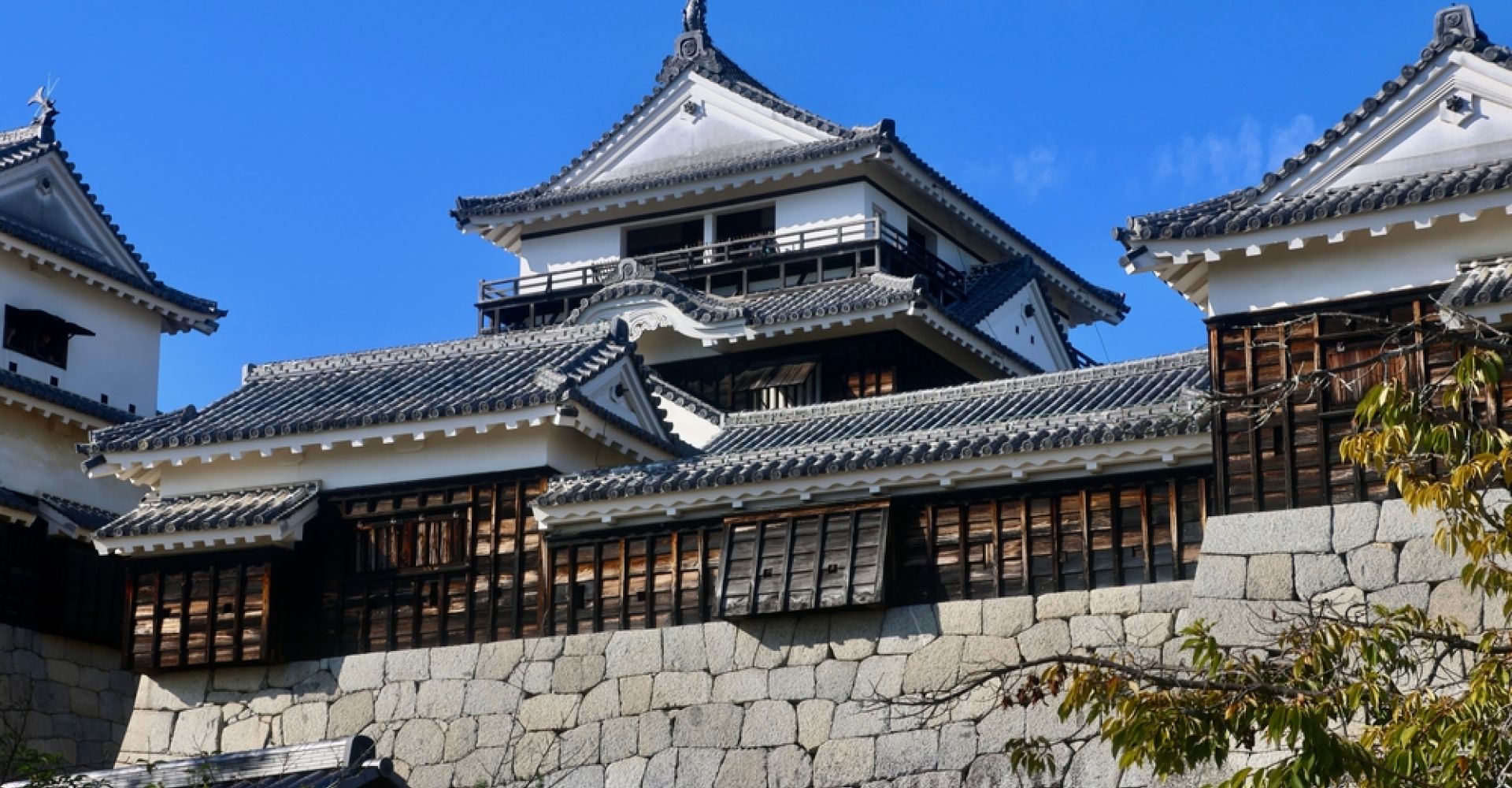
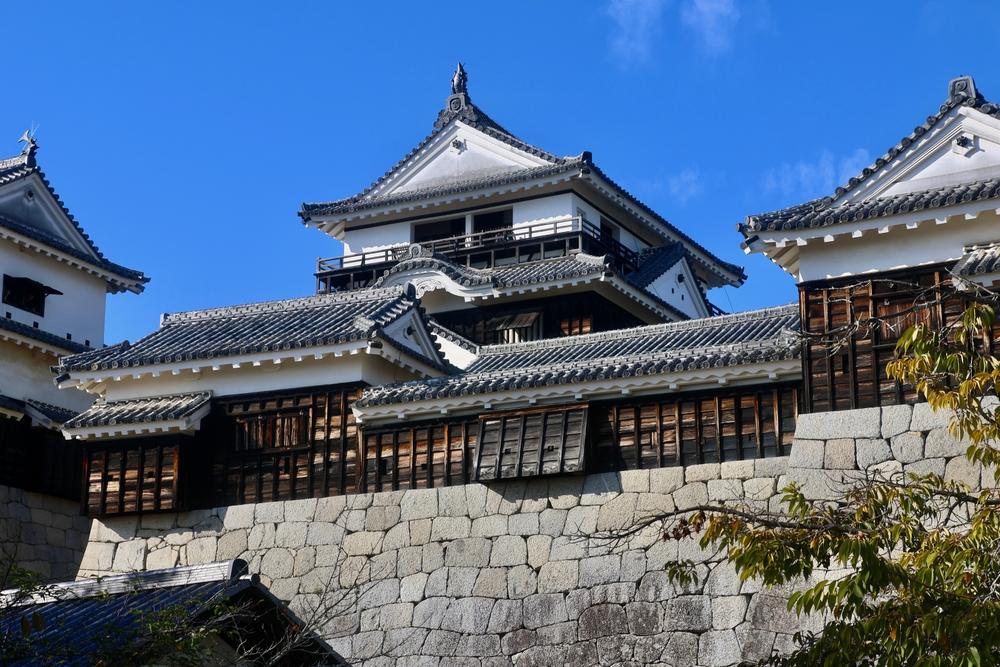
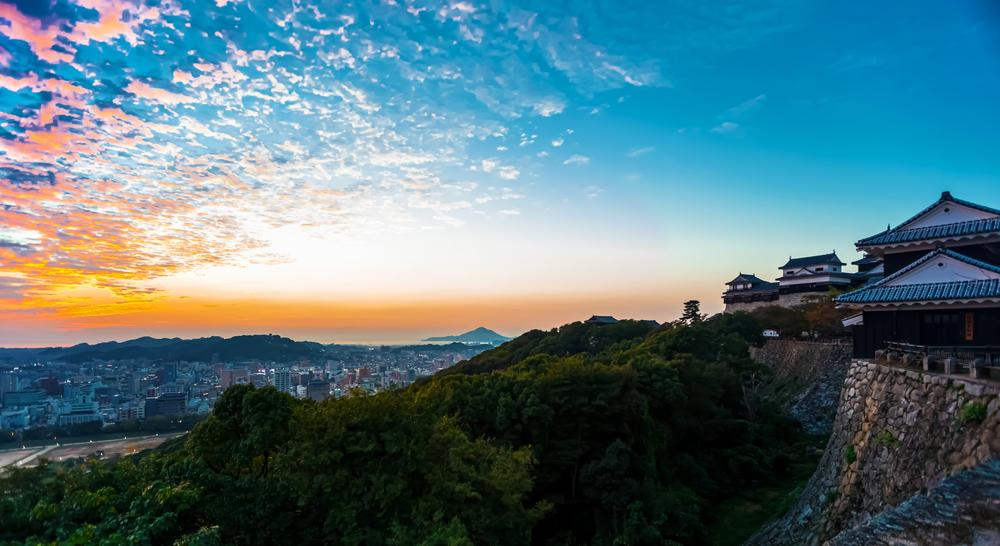
Begin at Ishite-ji, an important Shingon temple in Matsuyama, the capital of Ehime Prefecture. Its seven historic buildings hold numerous cultural treasures, while the main hall and pagoda reflect the architectural beauty of the Kamakura period. As you explore with your guide, learn the story behind the temple's name, Stone Hand Temple, and walk through the cave tunnel leading from the main hall to the inner temple. Along the way, you will share the space with pilgrims in white vestments, adding a living sense of continuity to the experience. Later, continue by public transport and on foot to Matsuyama Castle, an elegant hilltop landmark dating to 1603 CE. You may also have time to soak in the famous Dogo Onsen, climb the steps to Isaniwa Shrine and taste Ehime's sweet mikan oranges before returning to your hotel.
Leave Ehime this morning for Kagawa Prefecture, traveling by private vehicle for around 2.5 hours. After check-in, join your guide and continue by local transport to Kokubun-ji, originally founded during the Nara period and now protected as a Special National Historic Site. From there, ascend Mount Shiromine to reach Shiromine-ji. Cross a small stone bridge, pass through the main gate and climb the 99 steps to the main hall, pausing to notice the white maneki neko cat figurines left by visitors seeking good fortune in business. The route then descends toward Negoro-ji known for its intricate lanterns. By the end of this rewarding five-hour hike, you will have covered approximately 8.4 miles (13.5 km), with expansive views, forest paths and sacred architecture woven throughout the day.
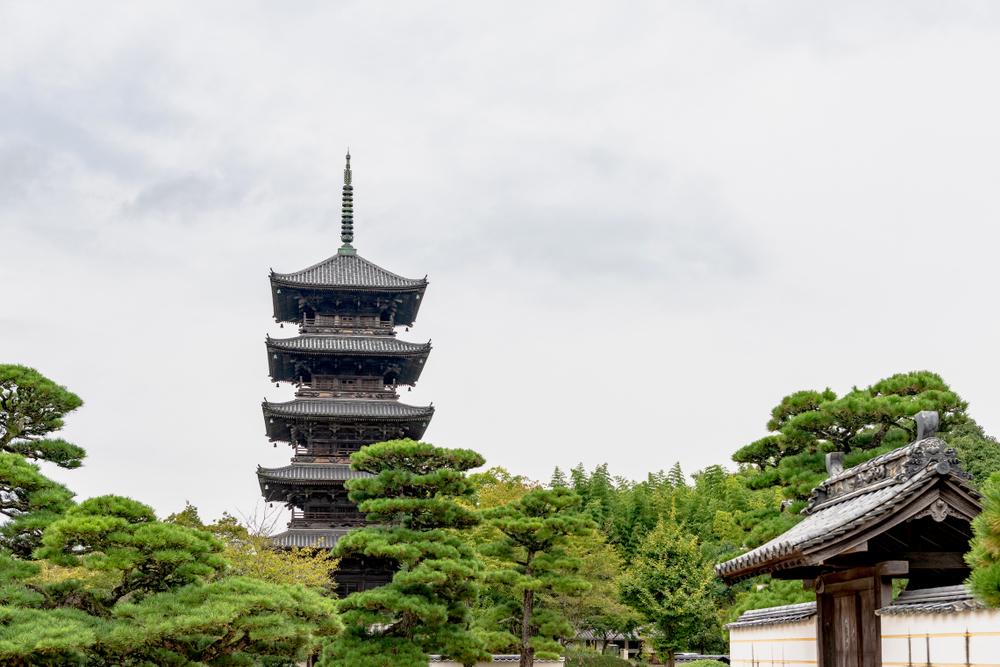
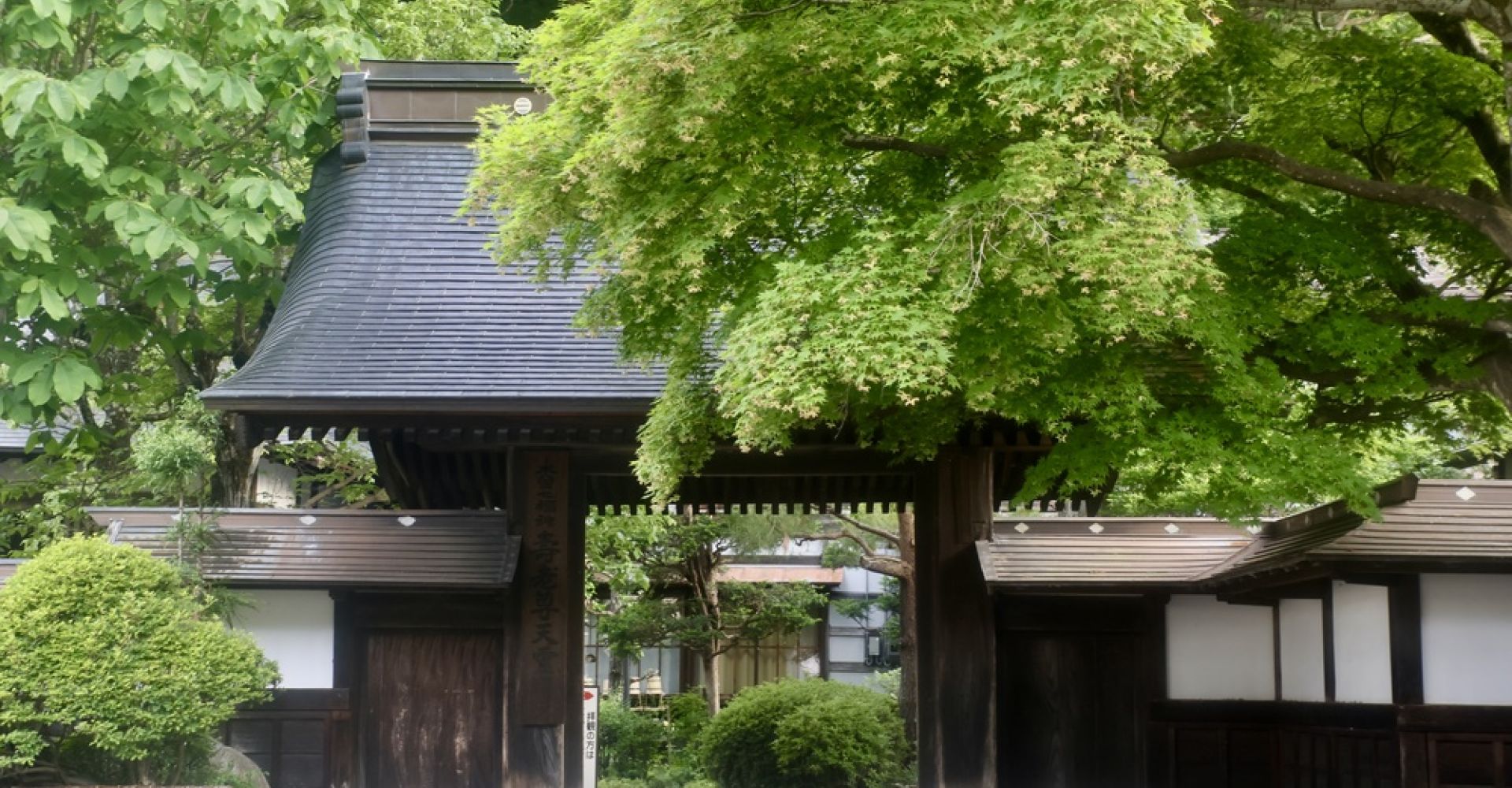
Your final walking day on Shikoku brings a peaceful route through rural landscapes to Okubo-ji, the concluding temple of the pilgrimage. Known as the 'Completion of the Vow,' this hidden mountain shrine is a deeply symbolic place where wishes are said to come true. The walk covers about 4.3 miles (7 km), allowing space for quiet reflection as you pass through calm countryside. On arrival, enter through the large wooden Niten gate and continue toward the main hall and two-story pagoda. Take time here to rest, look back on the days you have spent walking sacred paths and absorb the emotion of reaching the final temple. Spend your last evening on Shikoku with a relaxing soak in a local onsen, a fitting close to the pilgrimage chapter of your journey.
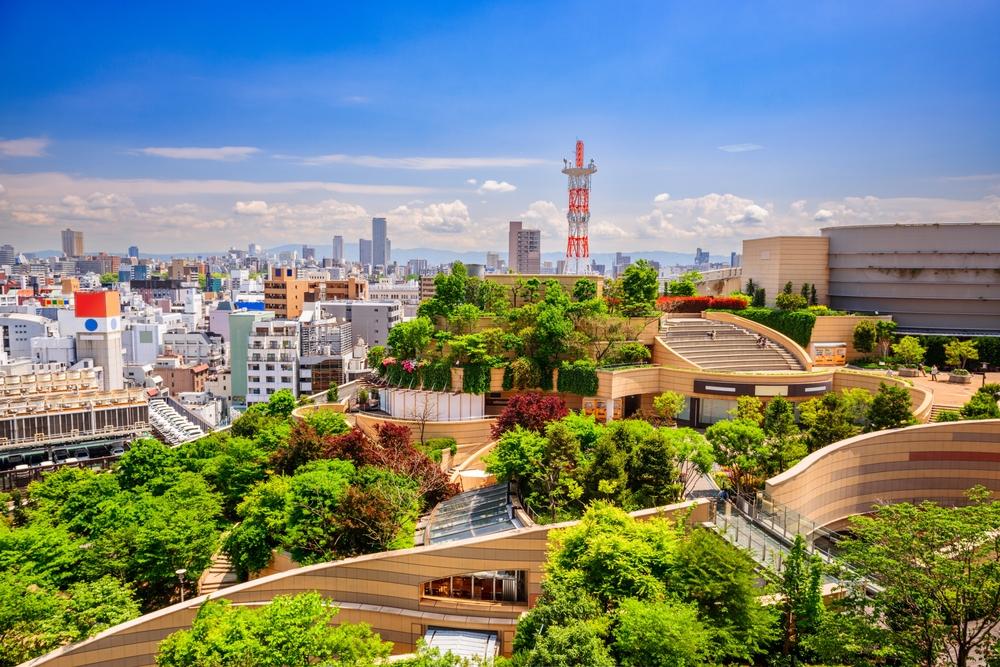
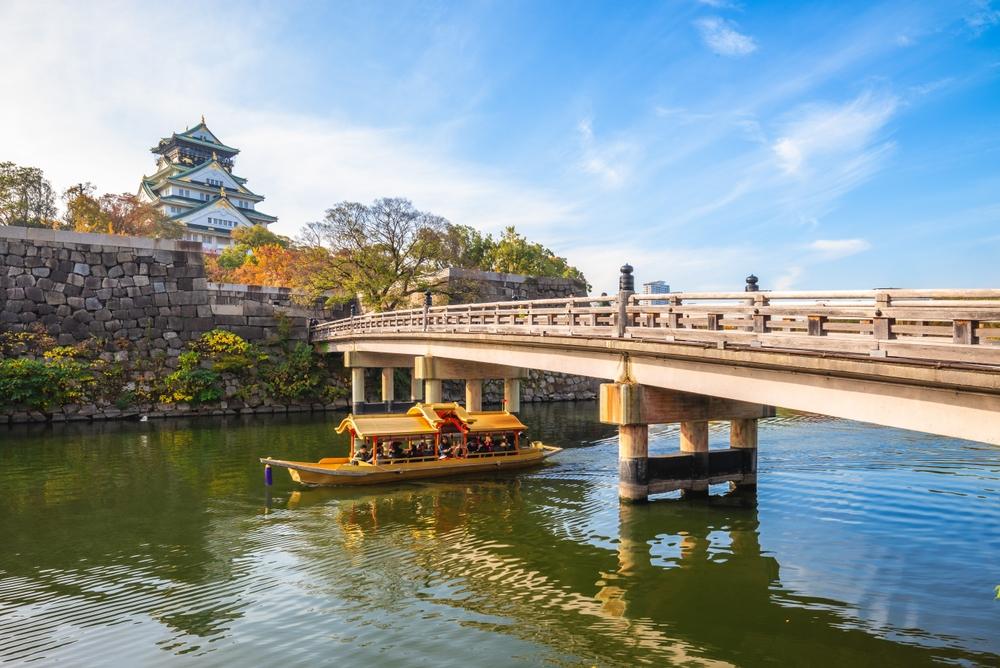
Today you say goodbye to Shikoku and after a transfer of about 2.5 hours you arrive in Osaka in the evening. This city is said to be the opposite of Tokyo, meaning greener and more to do with food. After your arrival at your hotel you will meet your guide for a half-day sightseeing tour in which you will learn all about the city’s history. First you visit the impressive Osaka Castle with its big park, especially beautiful during blossom time. Here your guide will tell you about the battles of the warlords who wanted to rule this region and who finally managed to make it the capital of Japan during the Edo period. After that you will see the reconstructed castle. In the following you will visit the Osaka Museum of Housing and Living. Here you can see the reconstructed streets of the past. Your guide will explain how the people of Osaka lived in the different eras. After the tour you will return to your hotel where you can spend the rest of the day as you like.
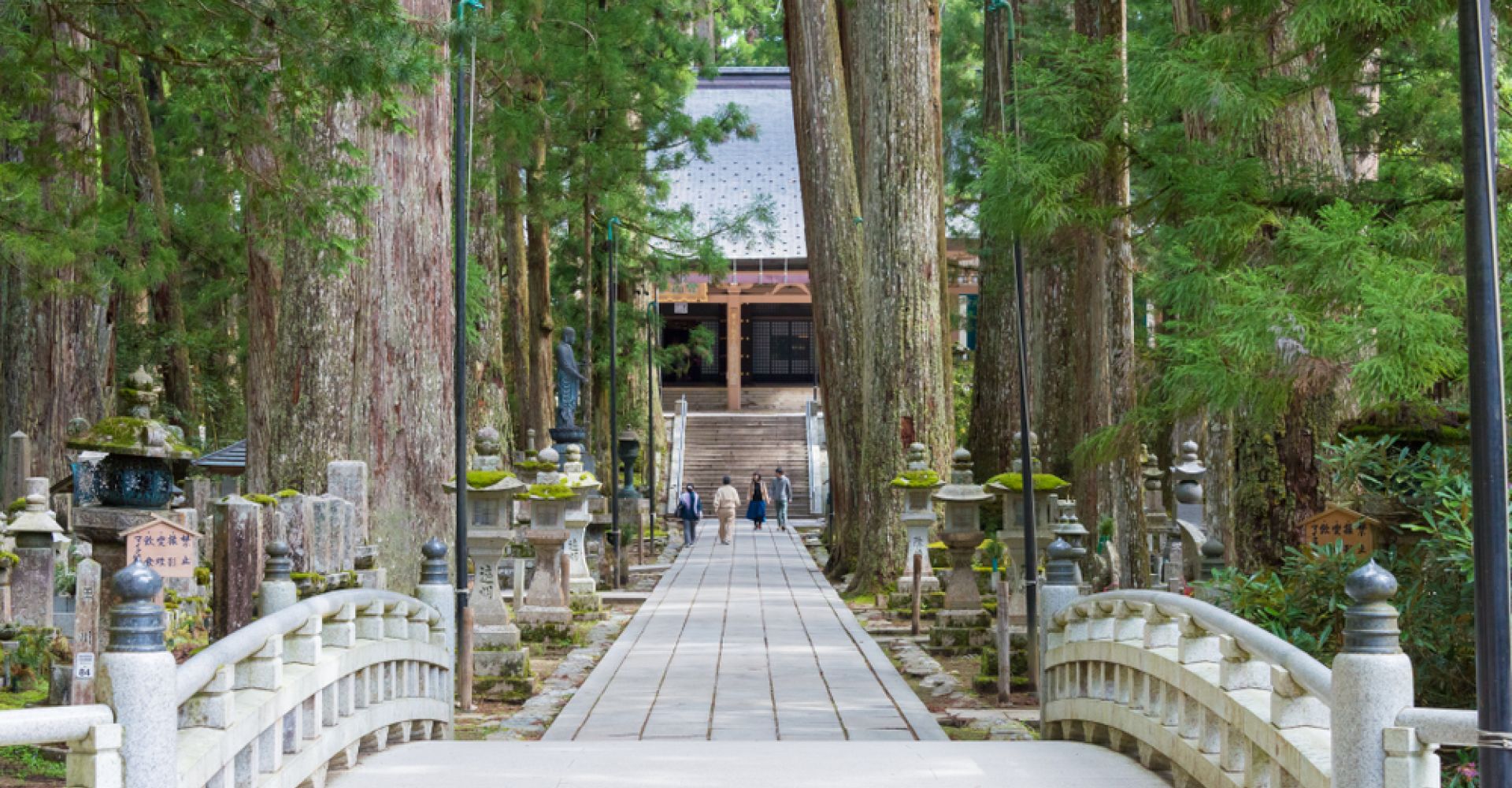
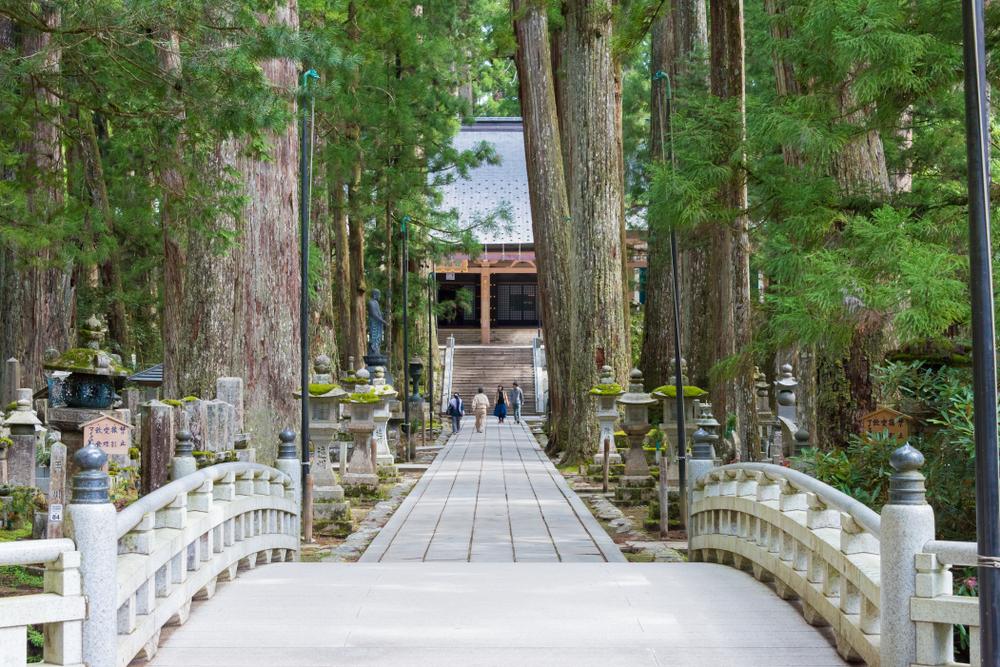
For the final spiritual chapter of your journey, travel by private transfer for around two hours to Mount Koya in Wakayama Prefecture. This sacred mountain settlement is the headquarters of the Koyasan school of Shingon Buddhism and one of Japan's most important monastic centers. Spend the day learning about Buddhist and Shinto traditions, monastic life and the enduring legacy of Kobo Daishi. Visit Kongobu-ji and the Garan temple complex, admire the striking Konpon Daito Pagoda and stroll through the Banryutei Rock Garden. You will also have the chance to enjoy traditional vegetarian cuisine and observe the quiet rhythm of temple life. Your visit continues to the Reihokan Museum, home to cultural treasures and religious artwork, before reaching Okunoin Cemetery, one of the most revered burial grounds in Japan. Walk among centuries-old tombstones, enter the lantern-lit Torodo Hall and pay your respects at Kobo Daishi's mausoleum before returning to Osaka for your final night.
Today is the final day of our Sacred Japan Pilgrimage. You will depart for home on schedule and return to your normal activities having had a worthwhile and enjoyable time in Japan. Early risers may wish to visit Dotonbori, take a walk around the outside of the Osaka Castle or have a leisurely breakfast before departing for your return flight from Kansai International Airport. The airport is a drive from the hotel where you depart for the return flight and on the way you will reflect on the many sights that you have seen on the tour including the temples of Kyoto, the mountain paths of Shikoku, the tranquil quiet of the actual pilgrimage and the serene monasteries of Mount Koya.