
Cultural & Historical Turkey
Uncover the Rich Cultural and Historical Tapestry of Turkey
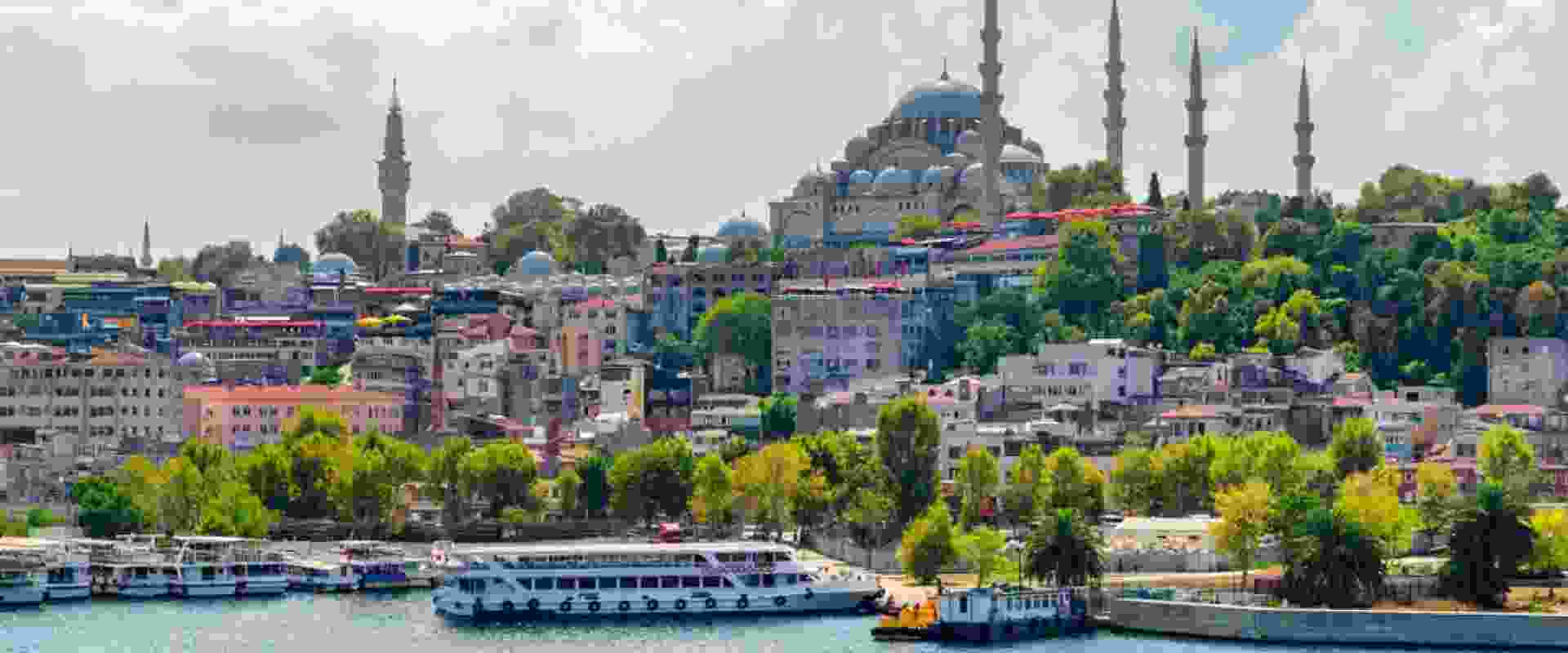
Explore three thousand years of history at Ephesus, Hierapolis, and Troy before experiencing the present-day culture of Istanbul through its markets and traditional villages, and coastal settlements including Ayvalık and Alaçatı.
The Cultural & Historical journeys of our tour include visiting Topkapı Palace and the Blue Mosque and Cappadocia’s rock-cut churches while experiencing authentic moments through tea consumption at local residences and visits to Konya artisan workshops and folk music performances at tiny taverns. Every stop reveals another layer of Turkey’s story.
Cultural & Historical Turkey trips in Turkey
A starting point — every trip is fully personalized to you by a local expert.

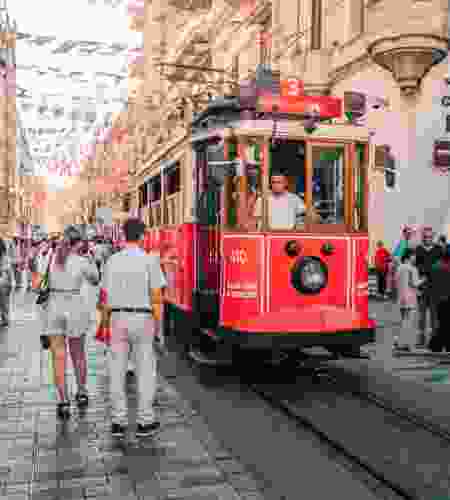
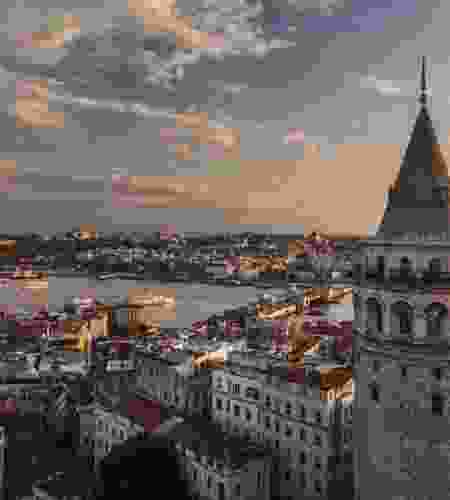

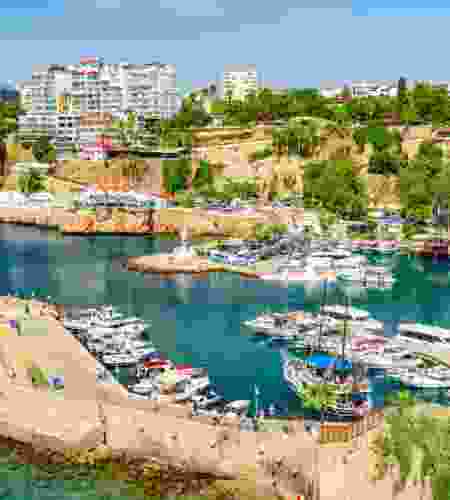

Discover Turkey’s Cultural Heritage
From legendary ruins to vibrant traditions, experience the stories that shaped Turkey.
Frequently Asked Questions
- Hagia Sophia (Istanbul): A stunning architectural marvel that has served as a church, mosque, and now a museum.
- Topkapi Palace (Istanbul): A former palace of Ottoman sultans, showcasing grand architecture and fascinating exhibits.
- Ephesus: The ruins of an ancient Greek city, featuring the famous Temple of Artemis and the Celsus Library.
- Cappadocia: Known for its unique rock formations, cave dwellings, and ancient underground cities.
- Troy: The legendary city made famous by Homer’s Iliad.
- Aspendos: Home to one of the best-preserved Roman theaters in the world.
- Ephesus: A well-preserved ancient city near the Aegean coast.
- Pergamon: Known for its steep theater and ancient temple ruins.
- Hierapolis-Pamukkale: Famous for its thermal pools and Roman ruins.
- Miletus: A classical Greek city with a well-preserved theater and ancient ruins.
- Troy: The legendary city from Homer’s Iliad, with excavated ruins.
- Turkish Bath (Hammam): A traditional Turkish bath experience can be enjoyed in historic hammams, especially in Istanbul and Edirne.
- Whirling Dervishes Ceremony: A unique Sufi dance ritual that you can witness in Istanbul and Konya.
- Turkish Cuisine: Exploring the diverse regional food, from kebabs and mezes to baklava and Turkish delight.
- Carpet Weaving: Visit local carpet workshops in places like Bursa and Cappadocia to see traditional Turkish craftsmanship.
- Folk Music and Dance: Traditional music and dance are part of the Turkish heritage, and many cultural festivals and events take place throughout the country.
- Göreme National Park: Known for its unique rock formations and ancient cave dwellings in Cappadocia.
- Ephesus: One of the best-preserved ancient cities in the world.
- Pamukkale: Famous for its white travertine terraces and ancient ruins.
- Hattusha: The capital of the ancient Hittite Empire.
- Safranbolu: A well-preserved Ottoman town known for its traditional houses.