
Chefchaouen Morocco Travel Guide: Blue City Tips
Find inspiration, guides and stories for wherever you're going
Chefchaouen Morocco Travel Guide: Blue City Tips
Plan Your TripThe best Chefchaouen, Morocco, travel guide recognizes that this tiny Rif Mountain town is best experienced with the proper amount of time. Winding alleys and cozy cafes, clothes drying in the middle of the street, weavers at work, steep mountain trails. None of these features of the Chefchaouen medina are commonly seen by day-trippers.
In this guide, we will provide you with all of the information you need for Chefchaouen. How long to stay, the top things to see and do, and even a detailed look at the ins and outs of daily life. We also examine the local etiquette that matters and show you how to incorporate a visit here into your wider Morocco travel plans.
Why Chefchaouen Is Called the Blue City
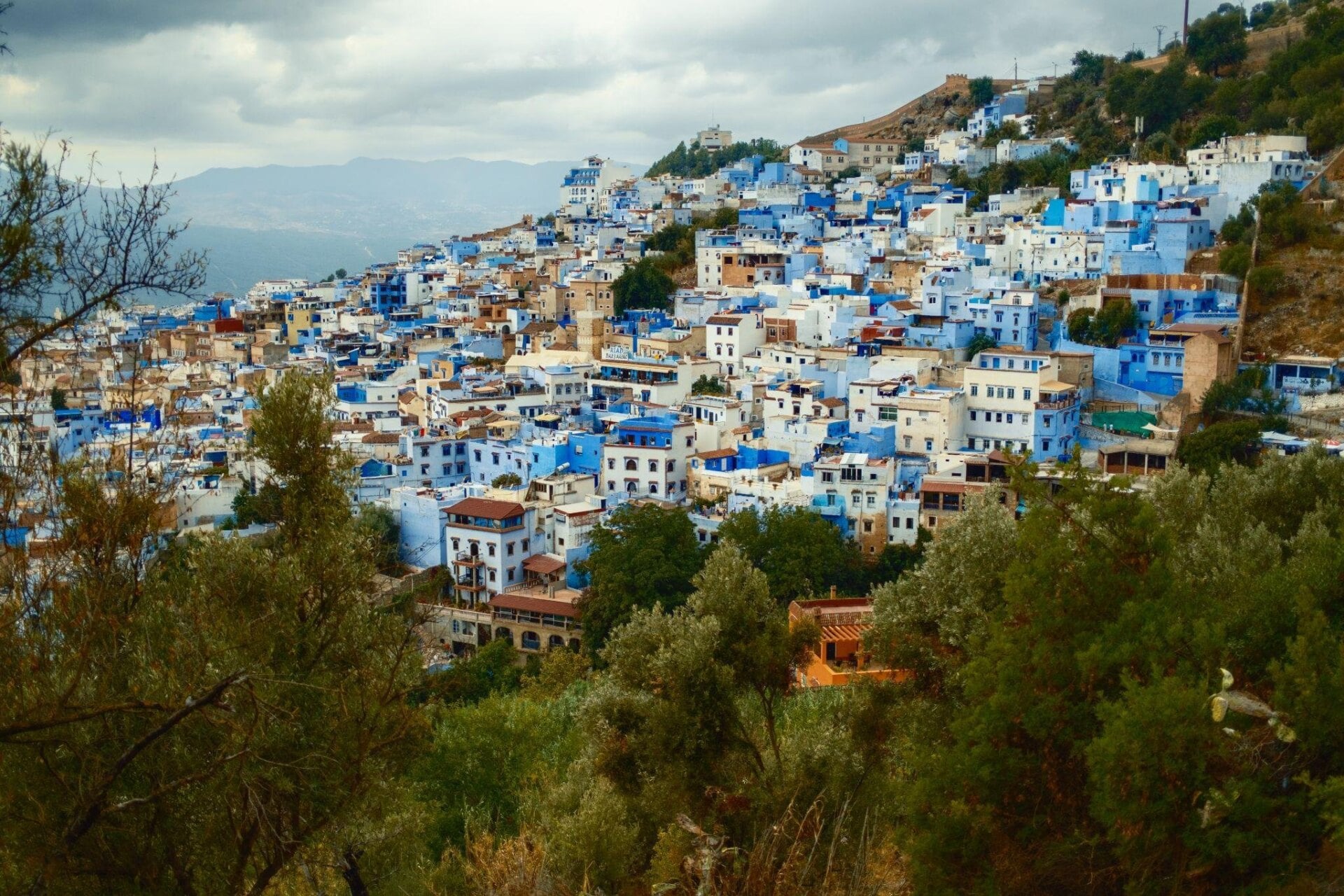
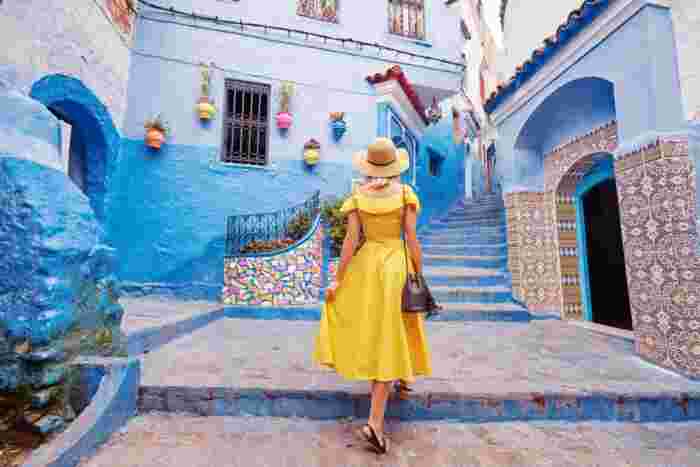
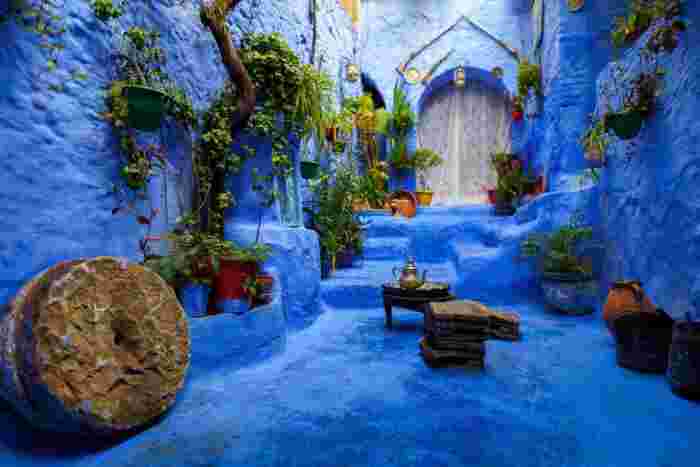
The Blue City got its name from the blue paint used on the buildings, doors, and staircases. Jewish refugees who fled Spain in the 1930s painted their homes blue to symbolize the sky. Another, more practical theory is that the blue color simply repels mosquitoes and keeps the houses cool. Up close, you will notice that the buildings are not all painted in the same shade. Each owner repaints on their own schedule, thus creating a wide variety of blue hues.
How to Get to Chefchaouen
Grand taxis and private transfers are also an option. They are generally faster, costing upwards of 200-250 MAD each way.
The bus station is just outside the Chefchaouen medina walls and is a short walk down to the town, or a quick petit taxi ride. If a trip to Morocco is on your mind, Tailored By Locals can build an itinerary around your pace and interests.
How Many Days in Chefchaouen Is Enough
Two nights in Chefchaouen is the best amount of time to spend in the town. One night is not enough to explore all of the nooks and crannies. Two nights allow you to slow down, catch the sunset from the Spanish Mosque, and fit in a half-day trip to the stunning waterfalls of Akchour.
Hikers and trekkers will want to allow three nights to really get into the mountain reaches of the town and to explore all of the many villages along the way. While a single day trip from Tangier or Fez can provide a taste of Chefchaouen, it will not give you a true sense of the town and all that it has to offer.
Best Things to Do in Chefchaouen
While Chefchaouen does have its typical sights, it's a place that can best be experienced at a leisurely pace. The town is so small and easy to explore on foot. Here are four places to get you started, whether you have a few hours to spend or more time to roam the blue streets of Chefchaouen.
Plaza Uta El Hammam and the Kasbah
Chefchaouen's central square, the Plaza Uta El Hammam and the Kasbah, is the best place to start your exploration of the medina. The 15th-century Kasbah, a highlight of Chefchaouen's cultural and historical Morocco, contains a small museum and a lovely garden. Right opposite the Kasbah is the impressive Grand Mosque of Chefchaouen. The cafes of the square are a great place to relax over a cup of mint tea. By evening, the square is bustling with locals, and as the light begins to fade, the blue washes of the Medina walls look all the deeper.
Wandering the Medina Alleys
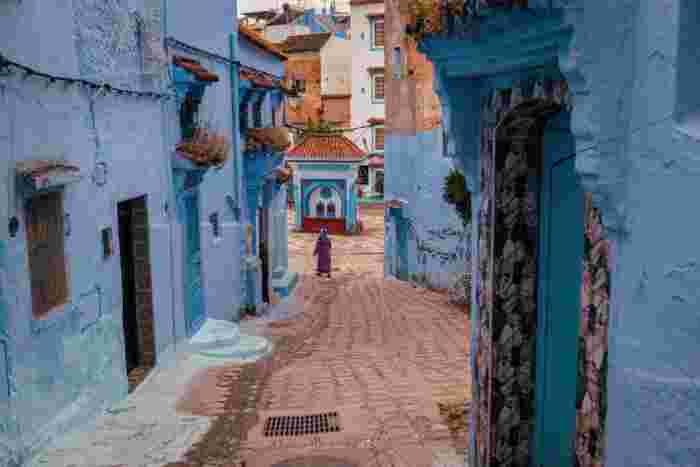
Chefchaouen's real charm can be found in the narrow alleys of the medina off the main square. Best to explore Chefchaouen very early in the morning, around 9 AM at the latest, when the alleys are empty, and the light is soft. Be sure not to step on private stairs or onto a private doorway to take a picture. Ask permission to take a picture of locals. A simple "hello" will do, and most Chaouenis are relaxed about cameras if treated with due respect.
Spanish Mosque Sunset Hike
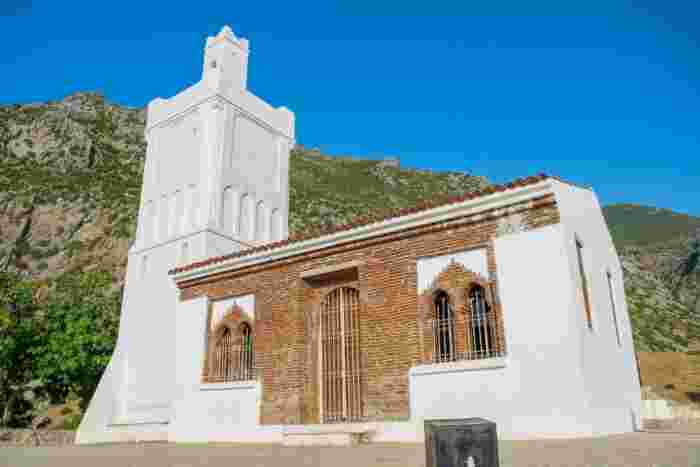
For the best view over Chefchaouen, trek to the Spanish Mosque, one of the easier adventure hikes near town. This hike starts near the Ras El Ma gate and takes about 1km and 20 minutes to get to the top. Try to reach the top in the late afternoon when you can sit on the hillside and view the blue rooftops of Chefchaouen down in the valley as the sun sets behind the Rif Mountains. Bring water and good shoes as the path is rough in parts.
Ras El Ma Springs
The Ras El Ma, on the medina's northeast edge, is a lovely spot where locals wash their clothes and their rugs by hand. There are stalls here where you can buy freshly squeezed orange juice, and it's a great place to stop for a drink after a long and tough walk around the hills above the medina. A brief but very worthwhile interlude to the tightness of the old city's streets.
Chefchaouen Day Trips: Akchour vs. Talassemtane National Park
For most tourists, Akchour is the destination for a trip into the mountains. But Akchour is only one of the many entries to the bigger area protected by the national park Talassemtane. Chefchaouen is located at the edge of the park, and thus, instead of wondering whether or not to go into the mountains, you should wonder how far into the mountains you should go. Here is a little table to help you decide:
| Akchour Waterfalls | Talassemtane National Park | |
| Distance from Chefchaouen | About 45 minutes by car | Trailheads start just outside town |
| Difficulty | Easy to moderate | Moderate to strenuous |
| Time needed | Half day | Full day to multi-day trek |
| Best for | Families, first-time visitors, casual hikers | Experienced hikers wanting a deeper mountain experience |
| Guide needed | Optional | Recommended, since trails are often unmarked |
Akchour Waterfalls and God's Bridge
Leave early in the morning for Akchour, a small village in the countryside just outside of Chefchaouen and one of the easier family travel days from town. The waterfall is about a 1.5-hour round-trip hike on the easier trail, through a very shaded and beautiful river gorge. For God's Bridge (a natural rock arch) and some lovely swimming pools on the way, continue on to the end of the longer trail and bring water shoes for the warmer months.
Talassemtane National Park for Serious Hikers
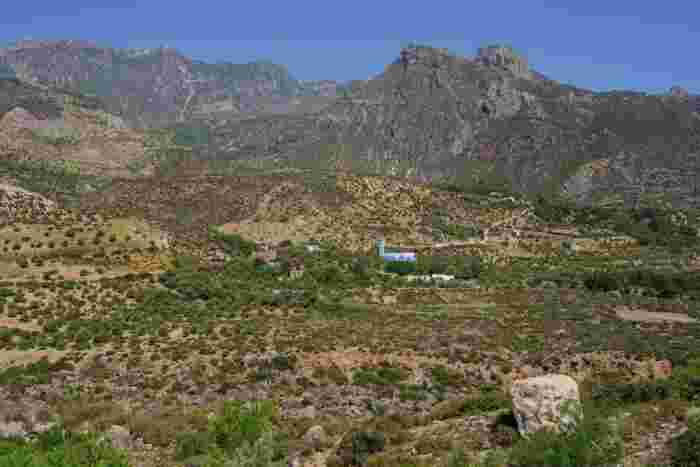
Beyond Akchour, Talassemtane National Park spans through forests of cedar and fir trees, limestone gorges, and rare Barbary macaque habitat, and offers day treks as well as 6-day hikes. The National Park is one of the last habitats of the Barbary macaque, and there are occasional sightings of the primates along remote paths. The trails are mostly unmarked, and there is a scarcity of services. Hence, it is advisable to hire a local guide for longer treks than a day hike. If days like this sound like your kind of trip, let our local experts build a trip to Chefchaouen around your pace.
Best Time to Visit Chefchaouen
The best time to visit is spring (March to May) and autumn (September to November), broadly in line with the best time to visit Morocco as a whole. They offer the mildest weather and the fewest tourists. Although it gets very hot during the day in summer, the nights are cool in Chefchaouen due to the high altitude compared to the rest of Morocco. Winter can be quite rainy and foggy in the mountains but dry in the rest of Morocco. It's best to pack layers for your trip as the weather changes quickly once the sun goes down.
Where to Stay in Chefchaouen
A riad is the most immersive way to experience a medina, with the best roof terraces for views over the blue tile roofs. Prices for a mid-range and comfy riad are around $60-90 per night. Hostel dorms cost around $8-15 per night. Guesthouses outside the medina on the hillsides offer similar views to a riad but with more space and at lower prices.
Where to Stay If You Want Quiet Over Convenience
Plaza Uta El Hammam is within walking distance of restaurants, cafes, sights, and shopping, but with a constant arrival of day-trippers. We recommend looking into guesthouses closer to Ras El Ma and on the hillsides above the old medina. Sure, you'll have to walk a bit further to the end of the town, but it's quiet enough in the mornings and in the evenings to make up for it.
What to Eat in Chefchaouen
The Chefchaouen food is hearty, rural, simple fare as opposed to the fancier dishes you might find in cities like Marrakech or Fez. A good goat tagine is a speciality of the region and is cooked so long that the meat just falls off the bone. A thick fava bean soup called bissara makes a good, budget-friendly meal, often served in the winter months. Much of the hills' produce is cheese, which is served up with bread and olive oil for breakfast. Pastry and cake from a Chefchaouen medina bakery are also delicious and should be consumed with plenty of mint tea.
Best Places for Mint Tea and Rooftop Views
Many of the rooftop cafes near the Plaza Uta El Hammam and the Kasbah are nice for mint tea and views of the blue medina. Go late in the afternoon when the light is soft and hear the call to prayer from the minarets around the medina. The terraces are often so quiet that even when the place is packed, they are a great place to stop and rest.
Shopping in Chefchaouen
Wool products such as blankets and wool scarves are what Chefchaouen is famous for. The majority of these products are hand-woven in the town's signature colors and make for excellent souvenirs. Other items that are also sold as souvenirs are leather goods and hand-thrown ceramics, made by local artisans outside of the main square.
Haggling in the souks is expected, but there are also many fixed-price shops. Try to keep the negotiations friendly. Most locals expect a bit of banter and will do better with you in a good-humored manner than with someone being pushy. There are also many small workshops where you can go and look around even if you haven't bought anything.
Practical Travel Tips for Chefchaouen
Here are some tips to make your trip to Chefchaouen even better:
Language: Arabic and Berber are spoken locally, French is common, and English is understood in most tourist-facing businesses.
Money: ATMs are limited inside the medina, so withdraw cash before arriving.
Budget: Expect roughly $32 a day for a budget trip, $78 mid-range, or $160-plus for more comfort.
Dress code: Cover shoulders and knees, particularly around mosques and during Friday prayers.
Safety: Chefchaouen is generally safe, with petty theft and pushy unofficial guides the main things to watch for.
How to Combine Chefchaouen With the Rest of Morocco
Chefchaouen makes a great addition to a northern Morocco itinerary. Typically, the city is visited as part of a circuit between the coastal towns and the imperial cities in the south. So, for example, most people visit Chefchaouen between Tangier and Fez. A 2-3 night sojourn in Chefchaouen works well within a 7-10 day itinerary for Morocco. Efficiently getting between Tangier and Fez with limited direct transport links is easy with Chefchaouen.
Explore Our Tailor-Made Morocco Trips
A starting point — every trip is fully personalized to you by a local expert.
Planning Your Chefchaouen Trip
A Chefchaouen Morocco travel guide isn't complete without a plan for how the town fits into your wider trip. Most visitors arrive as part of a longer Morocco route rather than a standalone destination. Between the blue medina, the mountain day trips, and the practical details covered here, you now have what you need to plan a visit that goes beyond a quick photo stop.
If you'd rather skip the planning and let someone who knows the region handle the details, Tailored by Locals can build a customized Morocco itinerary around Chefchaouen and the stops that matter most to you.