Christmas in Argentina: Traditions, Food & Fun Facts
Christmas in Argentina: Traditions, Food & Fun Facts
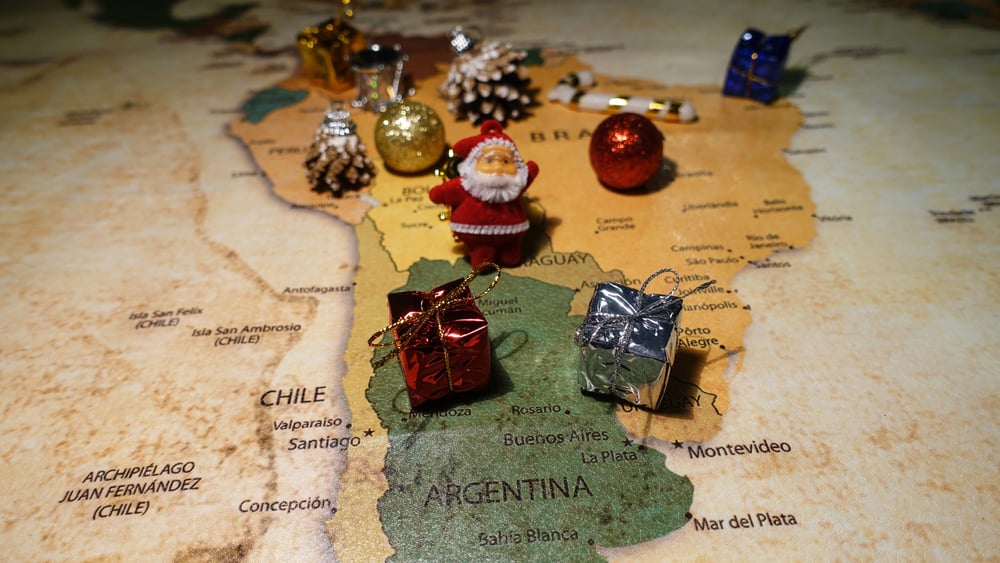
Plan your Argentina tripChristmas in Argentina takes place in summer and is centered around Nochebuena (Christmas Eve, December 24th). Families get-together for late night dinner that stretches well past midnight, followed by fireworks, floating paper lanterns and present-giving at the toll of twelve. Festivities take place under a 30°C sun, in backyards or rooftops, with cold dishes and a Papa Noel sweating but doing his best.
In this article, we will explore what makes Christmas in Argentina unique, including the traditions, customs, food and some of the best places to spend the holiday.
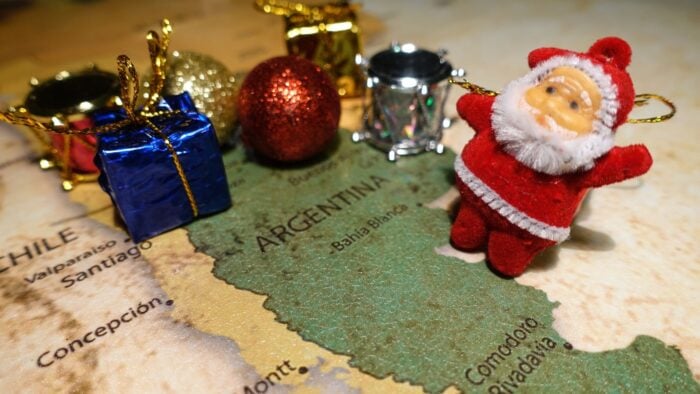
When is Christmas in Argentina?
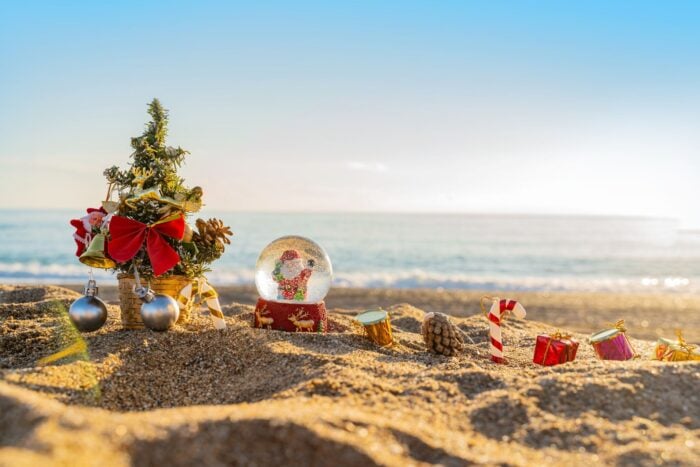
In Argentina, Christmas is celebrated on December 24 and 25, with the bulk of the festivities occurring on Nochebuena (Christmas Eve) beginning at approximately 10 PM and continuing through the early hours of the 25th. Since Argentina is located in the Southern Hemisphere, Christmas occurs at the beginning of summer, with regional Argentina weather patterns shaping how the holiday is celebrated across the country. Summer temperatures in Buenos Aires during Christmas often reach 28 - 34°C (82 - 93°F), making outdoor dinners and rooftop celebrations part of the local tradition. That means festivities are almost always held outdoors.
The wider Christmas season begins with the Feast of Immaculate Conception (December 8), also the first day to put up the trees, and ends on Día de Reyes, when children get the second round of presents. The summer vacations at school begin in the middle of December, when so many families rush away to Mar del Plata (117km from Buenos Aires), the Uruguayan coast or Patagonia for cooler weather and adventure travel in Patagonia. Weather differences are stark. Buenos Aires and the Pampas are hot and wet, even hotter still in the north (Salta, Jujuy, Misiones), and milder in Patagonia, at 15 - 22°C (59 - 72°F).
What Do They Call Christmas in Argentina?
Christmas in Argentina is Navidad and Christmas Eve, the main night of celebration is called Nochebuena, which means "Good Night". Let’s see how to say merry Christmas in Argentina. You probably have heard the phrase already somewhere. It’s "Feliz Navidad" and it's pronounced feh-LEES nah-vee-DAHD.
Other phrases you should memorise for the season are "Felices Fiestas" (Happy Holidays) (feh-LEE-sehs fee-ES-tahs) and "Próspero Año Nuevo" (Happy New Year) (PROHS-peh-roh AH-nyoh NWEH-voh). Argentine Spanish is locally known as castellano, one of the many cultural elements tied to what Argentina is known for around the world, alongside tango, football and food.
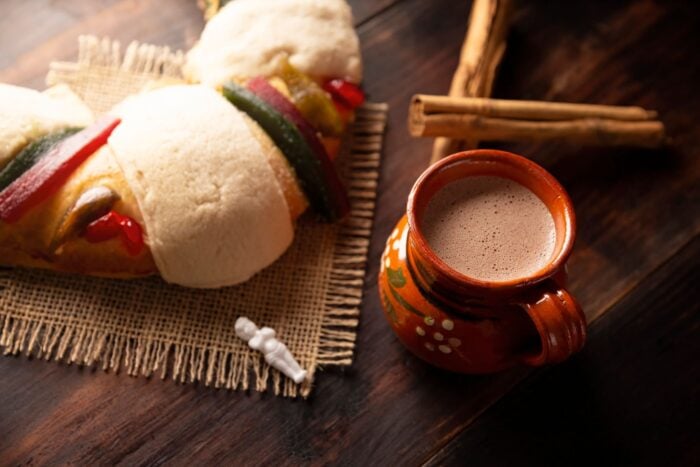
How is Christmas Celebrated in Argentina? Key Traditions
Christmas customs in Argentina begin not on the 25th of December, but weeks earlier, on December 8th, with the first Christmas lights and trees, and end on January 6th, with the last exchange of presents. Although many traditions are imported from Spain and Italy, most are distinctly Argentine. A handful, like donning white for good fortune and launching paper lanterns at midnight, surprise even experienced travelers. Here's a tradition-by-tradition rundown of how the holiday actually unfolds.
Decorating on December 8th (Feast of the Immaculate Conception)
Christmas begins in Argentina on December 8th, with the Feast of the Immaculate Conception, when most Argentine families put up the Christmas tree, hang garlands, and set the nativity scene. One common myth suggests that Argentine Christmas trees were first introduced in 1807 by an Irish immigrant, who decorated a pine tree in a public park on December 8th, following the customs of his home country.
Today, artificial trees (sometimes in white or blue rather than green) decorate Argentine living rooms and are topped with cotton balls to simulate snow. Garlands usually are red and white, not red and green like in the Northern Hemisphere.
The pesebre (nativity scene) sits at the bottom of the tree and usually is the most prominent home decoration in many families. It stays in place well past Christmas Day and only comes down after Three Kings Day on January 6th.
Nochebuena: The Christmas Eve Dinner
Christmas in Argentina revolves around Nochebuena, making the season especially memorable for family travel in Argentina. This is the main family event (sometimes extended to a few close friends) and the whole night is built around one late dinner, held between 10 - 11 PM, almost always outdoors on a patio, in a garden or on a rooftop.
And, when midnight hits, glasses fill with champagne or cider, everyone makes a wish and toasts to the New Year. The neighborhood ignites with fireworks and gifts are opened on the spot.
Celebrations continue until dawn on 25th of December. One small detail: Christmas cards are practically nonexistent in Argentina. Argentines rely on getting together in person and exchanging gifts with close family rather than holiday card exchanges, so this industry that is integral to Christmas elsewhere, was never established in this country.
Wearing White for Good Luck
This is an example of a personal custom that many tourists don't expect: Argentinians tend to opt for new white clothes for Christmas Eve (as well as for New Year). White is a color of good energy and luck, representing a fresh new start for the new year, and the "new" part matters: ideally, it's a garment that's never been worn before. It's one of those little traditions that give Argentinean Christmas a distinct touch.
Midnight Fireworks ("Quemar Pólvora")
At midnight on the 24th, the sky all over Argentine cities lights up with fireworks. Argentinians call this tradition "quemar pólvora", literally translating into "to burn gunpowder". It's not a publicly organized event like in most countries. Instead, families set off their own fireworks from streets, backyards, balconies and rooftops, so the show happens everywhere at once.
The shores of Playa Grande and the Casino in Mar del Plata have some of the best views if you want to watch the fireworks. In Buenos Aires, take to the roofs of Puerto Madero, Palermo and San Telmo for the best citywide viewing.
Globos: The Paper Lanterns
On top of the firework displays, Argentinians also let off globos, paper lanterns with lit candles in them, into the night sky, pretty similar to sky lanterns in China. You can see hundreds of them rising after midnight on Nochebuena, glowing against the darkness.
While the tradition is born out of European migrant customs, it has gained its own distinct Argentine scale and enthusiasm, especially in coastal towns and small cities with open sky for people to watch them drift.
Papá Noel (and "El Gordo de Navidad")
Santa Claus, in Argentina, is called Papá Noel. Sometimes, they also affectionately call him El Gordo de Navidad (literally "the Fat Guy of Christmas").
The most glaring distinction from the Anglo version is the timing. Argentine children don't find presents under the tree on Christmas morning. They open them at midnight on the 24th, immediately following the family toast and the first round of fireworks. The 25th is for sleeping in.
Midnight Mass (Misa de Gallo)
Argentina has strong Catholic roots. 90% of Argentines identify as Roman Catholic and the Misa de Gallo, or midnight mass, was for generations at the core of the night.
Church attendance has fallen sharply these days and today most families opt for a late afternoon service on the 24th, so they can be home for the evening.
But, in smaller towns and more traditional areas, the midnight mass still draws a decent crowd. In larger cities, it is increasingly something only the most observant attend.
Plan your Argentina trip with a local
Tell us the trip you have in mind. A local expert sends you a personal proposal within 48 hours, free and with no obligation to book.
Christmas Food in Argentina: What Argentinians Eat
The Christmas table offers a great introduction to the wider culture of food in Argentina, shaped by summer traditions and waves of Italian and Spanish immigration. With Christmas taking place during summer, many dishes tend to be served cold or at room temperature, like vitel toné, stuffed tomatoes, ensalada rusa and picadas. When it comes to desserts, there is clearly a European influence as well, with pan dulce, turrón (nougat) and mantecol being essential.
Everyone contributes. An Argentine Christmas dinner is rarely cooked by one person. Every aunt, cousin and in-law shows up with a dish.
Savory Dishes
At the Christmas table, most of the food is meant to be eaten cold, like salamis, cured meats, and Italian-Argentine dishes that stand up to the heat.
- Vitel toné: Cold veal slices drowned in a rich tuna-and-anchovy sauce. It was introduced to Argentina by Italian immigrants from Piedmont in the late 1800s. The original recipe is about 300 years old. It is by far the most iconic Argentine Christmas dish.
- Asado / parrillada: The Argentine barbecue, common for Argentine homes with an outside patio. It includes beef ribs, chorizo, morcilla and chicken slow-cooked over wood or charcoal.
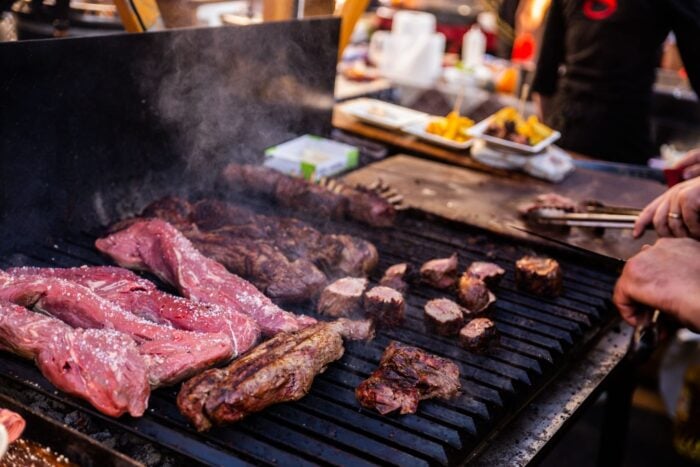
- Picadas: Plates of cured meats, cheeses, olives and bread served to share as starting courses while the rest of the meal is being prepared.
- Sandwiches de miga: Light, crustless, triple decker finger sandwiches with ham, cheese, egg or tuna. A popular party dish.
- Ensalada rusa: Russian potato salad with peas, carrots and mayonnaise. It is present in nearly every Christmas table.
- Tomates rellenos: Stuffed tomatoes, filled with rice salad, tuna salad or chicken salad.
- Matambre arrollado and pionono: Stuffed, rolled beef and a savory sponge-cake roll filled with ham, cheese and vegetables. Both served cold and sliced.
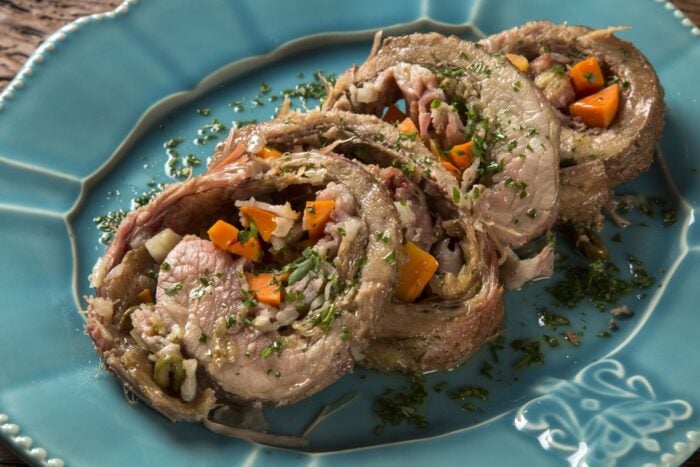
- Lechón navideño: Oven-roasted suckling pig. Common in the countryside, or among the more traditional homes in cities.
Sweets ("La Mesa Dulce")
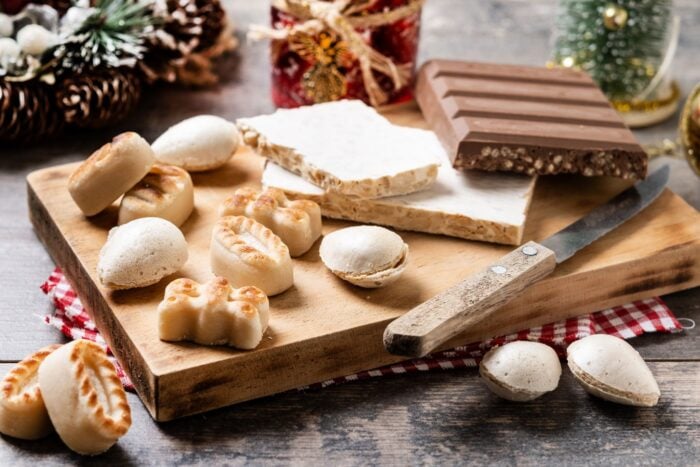
After the savory foods have been cleared, la mesa dulce, the sweet table, is served up and it usually stays out for hours. This is where you can see the biggest European influences.
- Pan dulce: Sweet bread filled with dried fruits, nuts and chocolate, a direct heir of Italian panettone. Eaten in every family at Christmas, homemade or bought from a good-quality bakery.
- Turrón: Nougat with almonds, honey and egg white. Spanish in origin, and sold almost exclusively at Christmas.
- Mantecol: A semi-soft peanut-butter-based nougat. Typical Argentine and part of the Christmas table for generations.
- Fruit salad with ice cream: Summer time closing meal, usually comes with a scoop of helado americano.
- Other staples: Chocolate covered nuts, dried fruits, dulce de leche desserts and alfajores close out the feast.
Christmas Drinks
The list of Christmas drinks in Argentina is small, traditional and very specific to the season.
- Cider (sidra): The traditional midnight-toasting drink in most ordinary Argentine households, now a little less popular than champagne, but genuinely a classic.
- Champagne or sparkling wine: Used for more elegant or upscale celebrations.
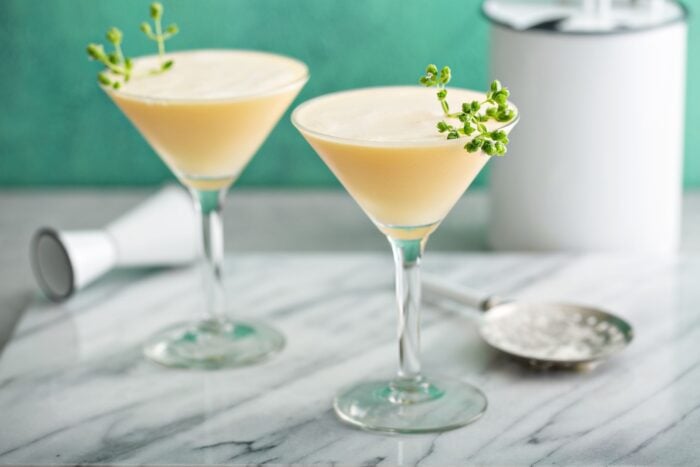
- Ananá Fizz: A distinctly Argentine seasonal drink, combining cider with pineapple juice. Refreshingly light, sweet and made for the heat.
- Coffee and digestive liqueurs: Both are brought out after dinner so the group can power through until it's time to call it a night. Families with Italian roots typically use limoncello.
Fun Facts About Christmas in Argentina
Some of the most unique aspects about an Argentine Christmas are easy to miss, especially for travelers interested in cultural experiences in Argentina. Here are 10 fun facts about Christmas in Argentina that make it special.
- Christmas falls in the middle of summer: Sometimes, temperatures on Christmas Eve climb above 30°C, so families celebrate in swimming pools, on rooftops or at the beach rather than indoors by a fire.
- Trees go up on December 8th, not December 1st: The Christmas period opens up with the Feast of the Immaculate Conception, a Catholic holiday that also marks the unofficial decorating day.
- The first Argentine Christmas tree dates back to 1807: The popular story goes that an Irish immigrant decorated a pine tree in a public park in Buenos Aires on 8 December.
- Santa Claus is called Papá Noel, or sometimes "El Gordo de Navidad": This latter term means "the Fat Guy of Christmas" and is used affectionately among friends and relatives.
- Presents are opened at midnight on Christmas Eve: Kids won't find gifts wrapped up in the morning of the 25th. They tear into them just after the toast at 12 AM, while fireworks are already going off outside.
- Around 62% of Argentines have Italian ancestry: That's why pan dulce, the Argentinian version of Italian panettone, vitel toné and limoncello take such an important part on the Christmas table.
- Argentinians wear white clothing on Christmas Eve: The custom symbolizes good luck and new beginnings. This is meant to be a completely new outfit that has never been worn before.
- Cotton balls are used instead of snow: As it is summer when Christmas takes place in Argentina, it is not possible to have snow, so families "magically" make snow by decorating trees and windowsills with white cotton.
- Christmas cards are essentially nonexistent: Sending cards is a tradition in the US or the UK, but Christmas in Argentina leans almost entirely on in-person family gatherings, so the card industry never took hold.
- The Christmas season doesn't end until January 6th: On Día de Reyes (Three Kings Day), children leave their shoes out the night before, along with water and hay for the camels, and wake up to a second round of gifts from the Three Wise Men.
Christmas Day (December 25) and What Happens After
If Christmas Eve is the party, Christmas Day is the recovery. Almost all families sleep in, spend the day by the pool or on the beach, eat the leftover party food at a leisurely lunch and generally relax. It's a tranqui day. It is also customary to get together in the afternoon with friends over a drink or two.
It is exceptionally silent in Buenos Aires on the 25th. Many porteños have left for Mar del Plata or the Uruguayan coast, public transport operates on a reduced timetable, and a great proportion of restaurants are not open.
The celebrations continue with the inevitable late-night family meal on New Year's Eve, yet more firework displays at midnight and again new white clothing for good luck. After 6th January, the true end of "Christmas", Día de los Reyes, has arrived. The night before, children have left water and hay for the kings' camels, along with their shoes by the door or under the tree. The children then wake up to another round of presents from the Three Wise Men, and shortly after, trees and pesebres come down across the country.
Where to Spend Christmas in Argentina
Travelers spending Christmas in Argentina can combine the holiday with some of the best places to visit in Argentina, from beach destinations and wine regions to mountain towns and festive cities.
Here's a quick regional guide.
- Buenos Aires: The classic holiday city. Plan a Christmas trip to Buenos Aires for tango dinner shows, rooftop fireworks, and festive summer nights across San Telmo and Palermo.
- Mar del Plata, Argentina's beach Christmas: The fireworks illuminate the sea from Playa Grande and the Casino, while the city remains lively until dawn.
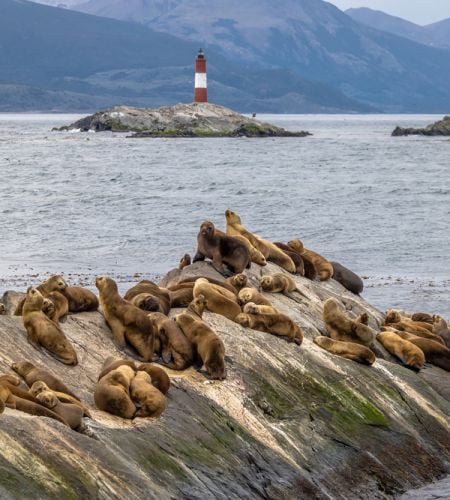
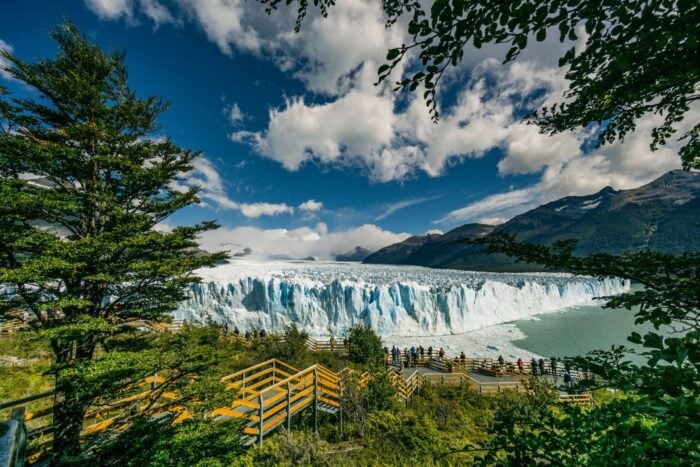
- Bariloche and Patagonia: Mild summer weather (15 - 22°C or 59 - 72°F), Christmas markets with an alpine theme and some of the best nature and wildlife experiences in Patagonia., and some of the best things to do in Argentina.
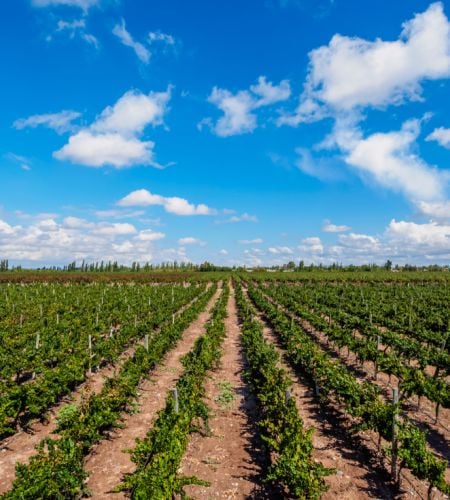
- Mendoza: Wine country Christmas, with vineyard lunches and long Malbec dinners beneath the Andes. Explore Christmas escapes in Mendoza for vineyard stays and festive wine experiences..
- Salta and the North: Hotter weather, more traditional Catholic celebrations and regional dishes like empanadas salteñas and tamales.
Conclusion: A Christmas Like No Other
Christmas in Argentina is a summer holiday packed into a family marathon. Late dinners under 30°C temperatures, midnight fireworks, lanterns flying into the night sky, and tables with Italian pan dulce next to Argentinian asado. Influenced by Spanish and Italian traditions, the celebrations here revolve more around Nochebuena than the actual 25th, even if Papá Noel is sweating in his suit. The Christmas season is not truly over until the Three Kings come on the 6th.
Thinking of having a Christmas like this? Tailored by Locals designs personalized holidays centered on precisely these moments, matched to a local specialist who knows the destination inside out. Talk to Tailored by Locals and live the Christmas of your dreams.
Tailor-made Argentina trips to start from
A starting point — every trip is fully personalized to you by a local expert.