Food in Argentina: A Guide to 25 Dishes You Must Try
Food in Argentina: A Guide to 25 Dishes You Must Try
Plan your Argentina tripThe food in Argentina is mainly meat-based, shaped from the legacy of Italian and Spanish immigration, native traditions and the world's largest cattle grazing pampas. Typical dishes would be the asado (barbecue), empanadas, milanesa, choripán, and sweet desserts filled with dulce de leche, all served with Malbec wine or yerba mate, Argentina's main beverage.
This guide will cover everything you need to know about food in Argentina: favorite foods, regional dishes, breakfast, Christmas recipes and local drinks.
Argentine Food Culture: Why It Tastes the Way It Does
Argentine food is the result of three worlds colliding on the pampas. Spanish colonists set sail for Argentina in 1536 carrying cattle, wheat, and grape vines in the hopes of establishing a new nation, while the indigenous people were already cultivating corn, potatoes, beans, and yerba mate.
But, the real change occurred between 1853 and 1955, when roughly 6.6 million Europeans, most of whom came from Italy or Spain, set down roots. Exploring Argentina through its food is one of the best ways to understand the country's identity through cultural experiences in Argentina. The gauchos took the Spanish cattle and the open fire of the pampas, and turned it into the asado.
What Is The Most Popular Food in Argentina (Top 5 at a Glance)
The most popular food in Argentina is asado, the grilled-beef ritual that doubles as a social event. Rounding out the top five:
- Asado: Argentina's national dish; grilled beef on a parrilla.
- Empanadas: savory stuffed pastries, with regional varieties everywhere.
- Milanesa: breaded thin-cut meat, often topped napolitana-style.
- Choripán: chorizo sausage sandwich; the #1 street food.
- Dulce de leche: milk-caramel spread in nearly every dessert.
Traditional Food in Argentina: 20 Must-Try Dishes
Argentine traditional dishes include fire-grilled beef, stuffed pastries, some Italian favorites and indigenous Andean inspired stews. Here are the 20 dishes you should know before your first asado, from national icons to regional specialties.
1. Asado (Argentine Barbecue): The National Dish
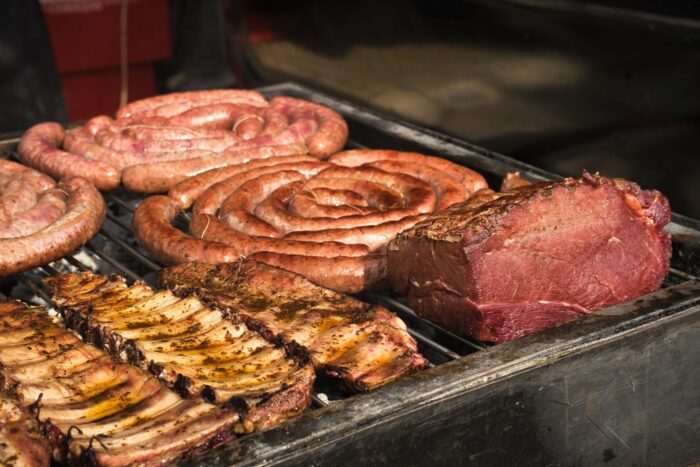
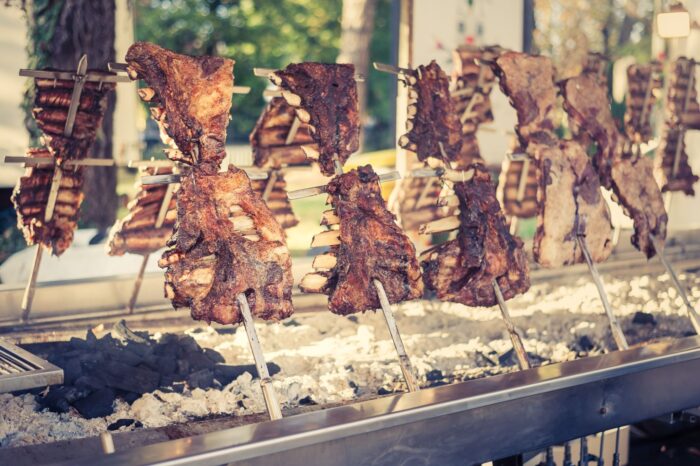
Asado is a slow-grilled meat ceremony, cooked on a parrilla over quebracho wood or charcoal. It is more of a Sunday tradition than a dinner. The service order matters: chorizo and provoleta first, then achuras (offals), then steaks. In 2011, Argentina topped the Guinness World Record for the hugest asado ever held: 13 tons of beef for 30,000 people, probably washed down with a good Argentine wine.
2. Empanadas
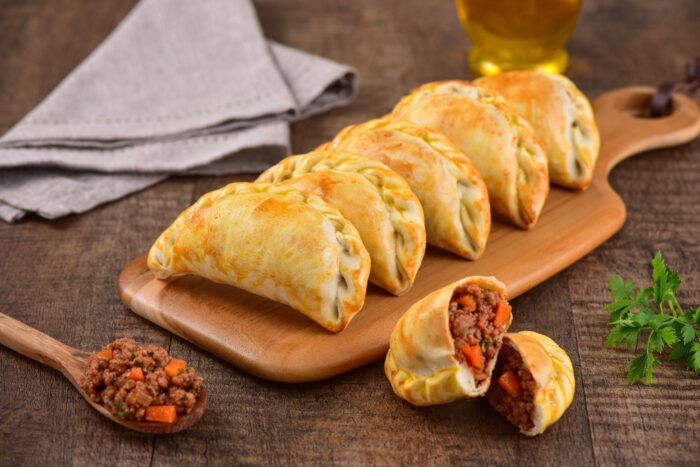
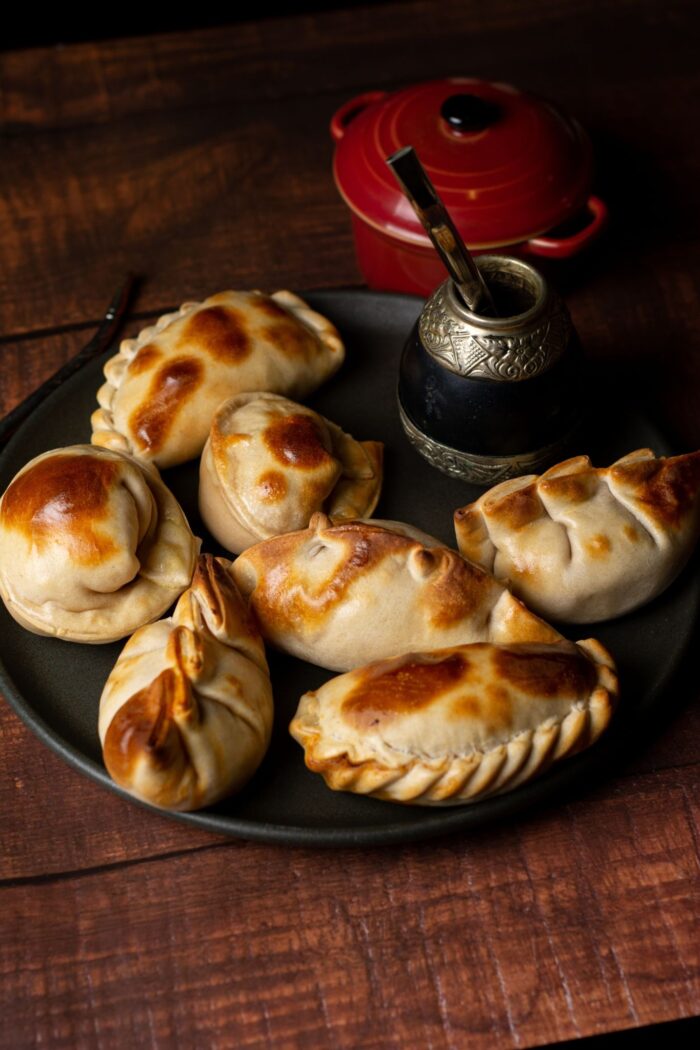
Empanadas, one of the most famous foods in Argentina, came with the Spanish settlers in the 15th century and survived by developing into regional varieties: tiny savoury beef and potato empanadas in Salta, pan-fried in Tucuman, garlic and olive ones in Mendoza, and lamb-filled versions in Patagonia. The repulgue, the fold which encloses the crimped lid, tells you what the filling is. Empanadas criollas are integral to the Argentine diet, so much so that the Argentine Ministry of Culture designated them Cultural Heritage of Food and Gastronomy.
3. Milanesa (and Milanesa Napolitana)
Milanesa is the Italian originated breaded cutlet, a national comfort food, available everywhere, from bodegones to parrillas. Endless combinations are available to appeal to all tastes: napolitana (with ham, tomato sauce and melted mozzarella), caballo (topped with a fried egg), suprema (chicken breast) and de merluza (hake). It is so embedded in daily life that Argentina celebrates Día de la Milanesa every May 3rd.
4. Choripán
The most satisfying of Argentine street treats is the choripán, a delicious grilled chorizo sausage, tucked into a crusty bread roll and drowned in chimichurri. You will find it everywhere people gather: football stadiums, along the costaneras of Buenos Aires, at park grills on Sundays, and from the chorimobiles that pop up after the nightclubs empty out at sunrise. Simple, cheap, and impossible to walk past.
5. Provoleta
Provoleta is grilled provolone-style cheese, sliced thick, seared on the parrilla until the outside crisps into a golden crust and the inside turns molten. It is finished with a generous shower of dried oregano and chili flakes, then served straight from the heat with bread. Every traditional asado opens with one. It is the country's answer to fondue, and the meal's iconic appetizer.
6. Chimichurri
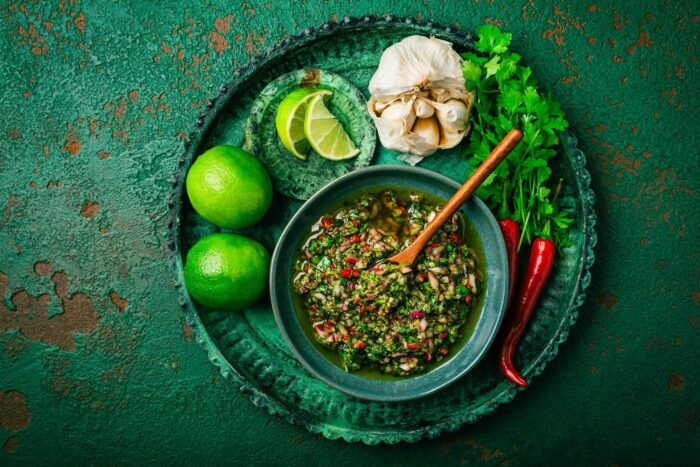
Chimichurri is Argentina's national sauce. A vivid green, smooth, herb and garlic sauce with parsley, oregano, vinegar, olive oil and a pinch of chili flakes. It was introduced in the 19th century by Basque immigrants, and accompanies nearly every grilled meat in the country. Unlike Mexican salsas, chimichurri is herbaceous and tangy rather than spicy.
7. Locro
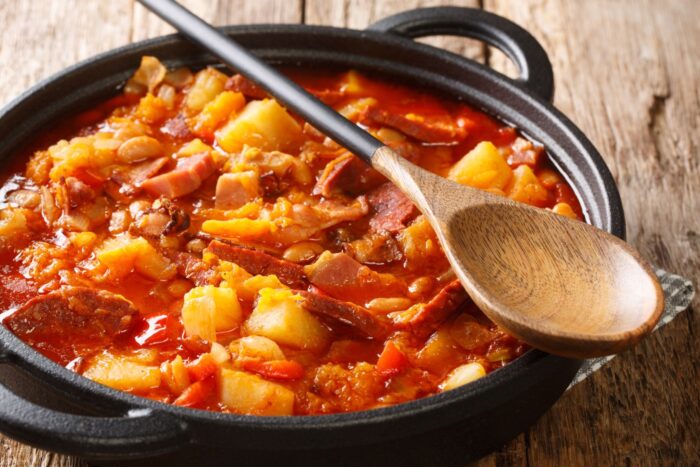
The other national dish of Argentina is the locro, a hearty, slow cooked mash of hominy, white beans, squash, pork and chorizo with origins predating the Spanish conquest, back to the pre-Columbian height of the Andean civilization. It is the official patriotic dish, served in nearly every household on May 25 (May Revolution Day) and July 9 (Independence Day), often topped with a spoonful of quiquirimichi hot sauce and eaten with crusty bread on the side.
8. Humita
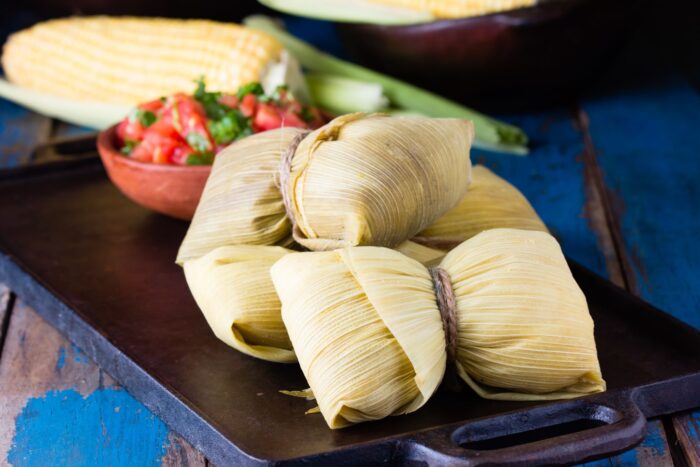
Humita, a soft and cheesy mixture of fresh corn, onion, spices and goat cheese, is wrapped in corn husks and steamed to perfection. It is an extremely traditional dish with indigenous Andean origins. It is most prevalent in the northeast provinces of Salta, Jujuy and Tucumán, where it is eaten as a savory snack or as a main dish. You will also notice that humitas are one of the tastiest fillings inside an empanada.
9. Argentine Pizza (Pizza al Molde / Fugazzeta)
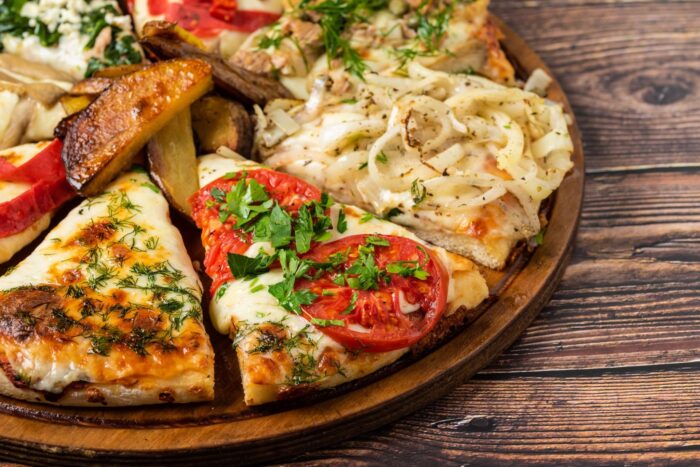
Argentine pizza is in a league of its own. It is a thick, bready, deep pan base, smothered in cheese with hardly any tomato sauce, but a cheese powerhouse. The classic type is fugazzeta, two layers of dough stuffed with cheese and crowned with caramelized onions, no tomato in sight. Argentinians have their pie with a little slice of fainá (chickpea flatbread) and a cold beer or sweet moscato to drink.
10. Ñoquis del 29 (Gnocchi on the 29th)
Every 29th of the month Argentinians eat gnocchi, a custom brought by Italian immigrants and linked to Saint Pantaleon of Venice, who was canonised on the 29th. The second half of this story is entirely economic. The 29th lands before payday and gnocchi is nutritious and cheap. The custom involves a superstition: those eating gnocchi put money under the plate to allegedly bring prosperity for the coming month.
11. Asado de Tira & Other Steak Cuts
The Argentina steakhouse menus look intimidating until you try to decipher them. The key cuts are: bife de chorizo (sirloin, no relation to the sausage), ojo de bife (ribeye), vacío (flank with a fat cap), lomo (tenderloin, the leanest), asado de tira (cross-cut short ribs), colita de cuadril (tri-tip), and matambre, literally "hunger killer", a thin rose-meat cut from between the ribs and the skin.
12. Matambre Arrollado
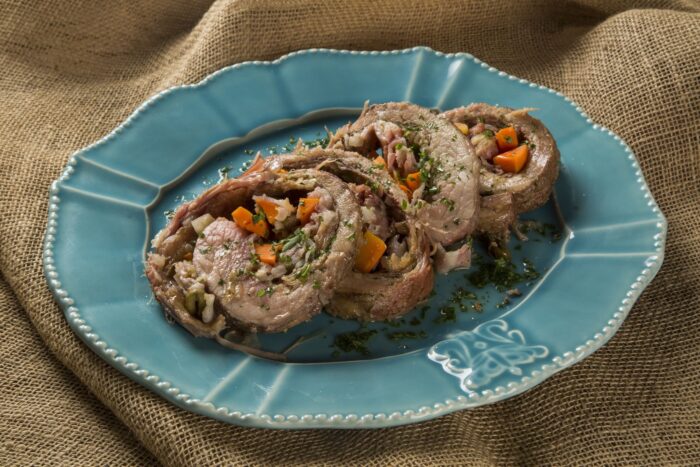
Matambre arrollado takes the thin matambre cut, butterflies it flat and rolls it around a stuffing of hard-boiled eggs, bell peppers, carrots and herbs, tied up, and then either boiled or oven-roasted. It is then sliced in pinwheels and served hot as a main or cold as a sandwich filling. It is also one of the staples of the Christmas in Argentina table.
13. Picada
Picada is the Argentine answer to a charcuterie board, a shared plate of cured meats, sliced salami, cheeses, green olives, peanuts, pickled vegetables, and bread, often extended with mortadella or pâté. It has no prescribed composition. It's whatever the host throws onto the table to keep everyone occupied. It is the customary opening move before any meal and the perfect partner to a frosty beer, a vermouth, or a glass of Malbec.
14. Achuras (Sweetbreads & Offal)
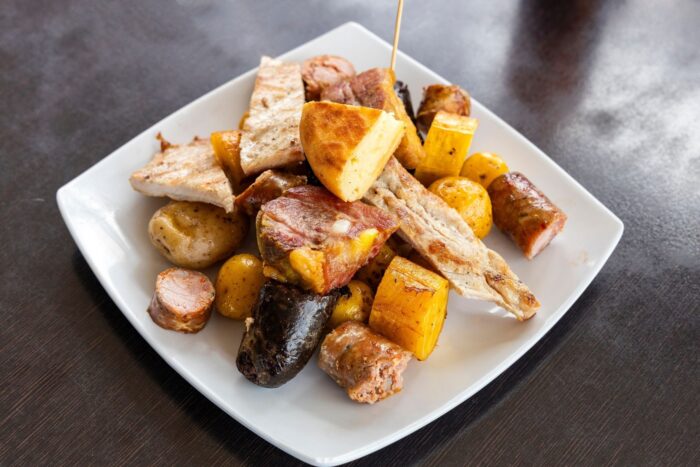
Achuras are the offal course that all traditional asados start with: mollejas (sweetbreads, the best bits), chinchulines (the small intestine, char-grilled until crispy), riñón (kidney) and morcilla (blood sausage, spread on bread). It can seem like a monstrous platter for the uninitiated, but good achuras are the sign of an experienced asador and the warm-up act for the main event.
15. Dulce de Leche
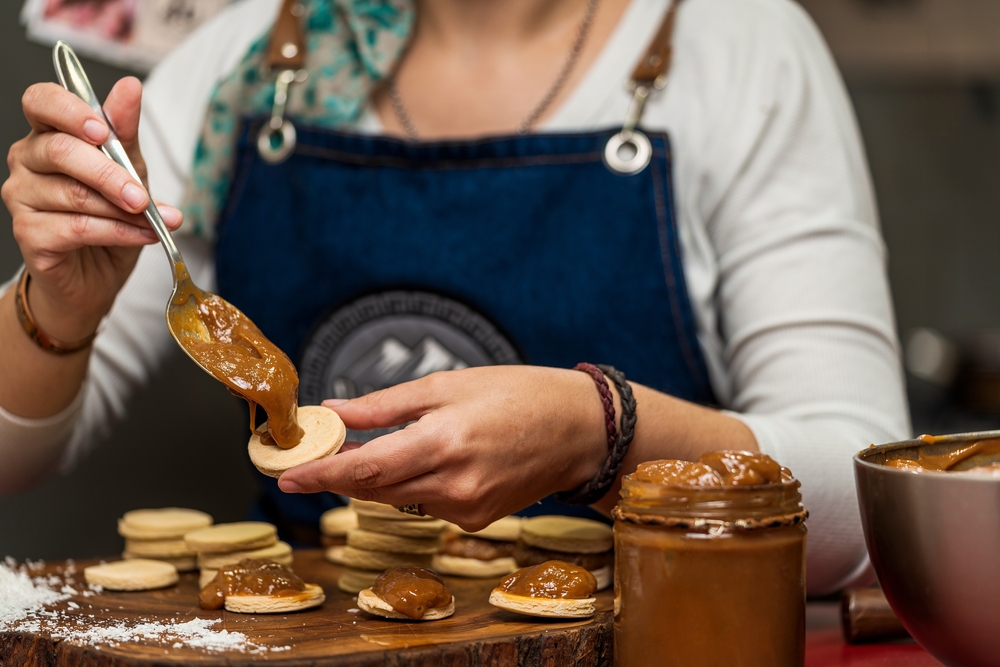
Dulce de leche is Argentina's most popular sweet. Milk and sugar are boiled down for hours until they turn to a sticky, golden syrup that is spread like warm butter on toast and baked into countless puddings. Don't call it caramel though. Argentines are very particular about this. Real caramel is only melted sugar. Dulce de leche is used everywhere: inside alfajores, layered in chocotorta, spooned on flans, churned into ice cream, piped inside churros and slathered on toasted breakfast bread.
16. Alfajores
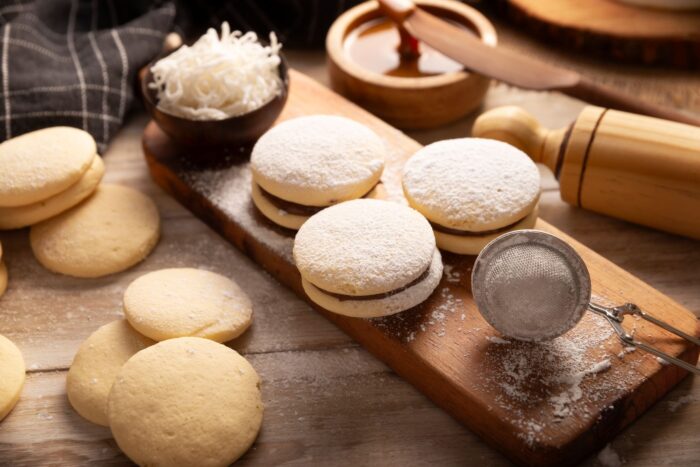
The alfajor is Argentina's classic cookie, a pair of soft biscuits filled with a heavy layer of dulce de leche, then covered in dark or milk chocolate or rolled in grated coconut. Mar del Plata, along the Atlantic coast, is often called the alfajor capital of the nation and the best-known brands in the country, Havanna and Cachafaz, can be found in every airport, kiosk and supermercado. Each region has its own variation.
17. Medialunas
Medialunas are Argentina's answer to the croissant. Smaller, heavier and sweeter, a bit more eggy, and definitely more buttery than the traditional French version. There are two types: de manteca, made with butter (sweet, sticky-glazed and citrusy) and de grasa, made with pork fat (flatter and saltier). In the country at least, two or three medialunas and a café con leche is the standard Argentine breakfast and they reappear again at merienda in the late afternoon.
18. Facturas
The all-encompassing name for the sweet pastries Argentines stuff into a paper bag at the panadería, traditionally bought by the dozen. The lineup usually includes: vigilantes (with quince paste), bolas de fraile (doughnuts, filled and coated with dulce de leche), libritos (flaky layered "little books"), churros, tortita negra (round little bun, crusted in dark sugar), cañoncitos de dulce de leche, and pastelitos (little star-shaped fried pastries). A breakfast and merienda staple.
19. Helado (Argentine Ice Cream)
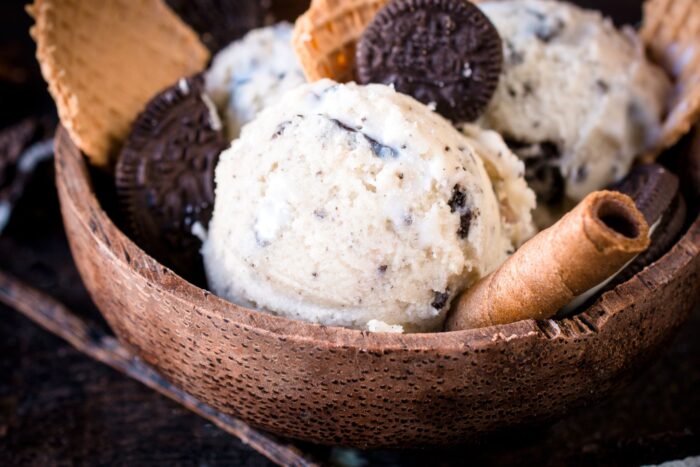
Helado, the Italian legacy in frozen form, is more creamy and more refined than the original thanks to the high-fat dairy Argentines use. Favorite flavors include dulce de leche, granizado (with choc bits), sambayón (a Marsala-laced custard), tiramisu, and chocolate amargo. RapaNui, Freddo, and Volta are the reliable national chains, but every neighborhood in Buenos Aires has its own beloved heladería.
20. Chipa
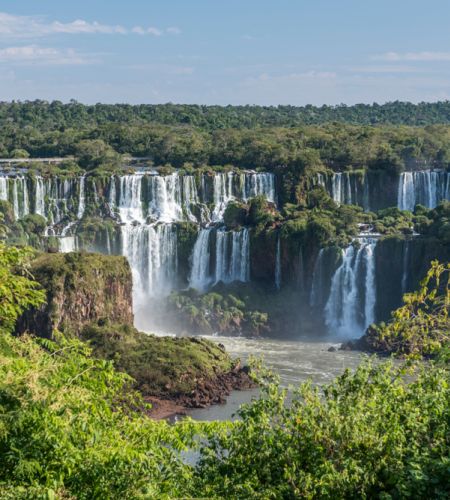
Chipa is a sticky cheese-flavored bread ball made of cassava flour, gluten-free, with Guaraní indigenous origins from the far northeast of the country. It is at its best in Misiones, the province bordering Paraguay and Brazil and home to the Iguazu Falls, a highlight of nature and wildlife experiences in Argentina, where vendors in the streets and at bus stations sell steaming hot chipa directly from their baskets. Eat them fresh, as they turn dense the moment they cool down.
Plan your Argentina trip with a local
Tell us the trip you have in mind. A local expert sends you a personal proposal within 48 hours, free and with no obligation to book.
Regional Food in Argentina: A North-to-South Guide
The entire length of Argentina covers some 4,000km from tropical north to icy south, and the cuisine of Argentina changes and develops across many of the top places to visit in Argentina. From the Andean stews of the northwest to Patagonian lamb at the southern tip, this is what to eat in the different regions of Argentina.
Northwest (Salta, Jujuy, Tucumán): Andean Roots
In the northwest, the country's indigenous Andean heritage is still present on the plate. Salta is widely thought to be the country's empanada capital. Its versions are smaller, more flavorful and spicier than anywhere else. Locro, humita and tamales salteños (minced meat and corn in husks) are native here as well. Llama meat is listed as lomo de llama or cazuela de llama on menus, and this is the only part of Argentina where hot sauce is graciously provided as a default.
Cuyo (Mendoza, San Juan): Wine Country
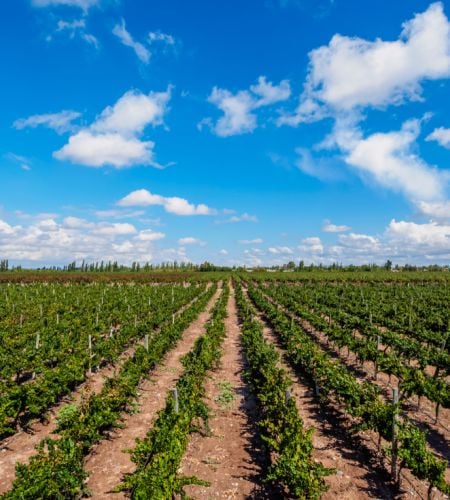
Cuyo is Argentina's winemaking centre. Mendoza produces world-class Malbec from the Uco Valley. In San Juan and northern Salta, you'll find the lighter, crisper Torrontés, Argentina's only indigenous grape. The food is decidedly meatier, heartier and more rustic to go with the wines: chivito (kid goat), slow-cooked on an open fire, sweet tortitas mendocinas and pastelitos cuyanos stuffed with quince. The empanadas from Mendoza are unmistakably Argentine, loaded with garlic and green olives.
Mesopotamia (Misiones, Corrientes): Guaraní & River Country
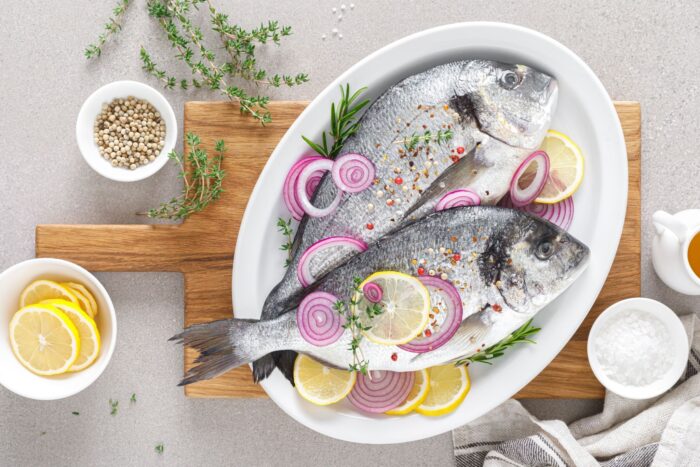
Nestled between the Paraná and Uruguay rivers in the northeast, the cuisine is heavily influenced by the region's Guaraní indigenous roots. Chipá, the fried cheesy cassava-flour bread balls common throughout northern Argentina, are sold hot from street traders in any town. Freshwater fish like dorado, pacú, and surubí dominate the menus and are often simply grilled with fresh lemon. And this is the source of yerba mate itself. The plant is grown almost exclusively in Misiones, where you can visit the plantations directly.
Pampas & Buenos Aires: Beef Country
The home of Argentine beef and the birthplace of asado, the Pampas lie in the middle of the country. Its foods include all the parrilla and deep-pan pizza you'd expect, plus fresh pasta, choripán from costanera grills, bodegón cuisine like milanesa and tortilla, and shared picadas around a bottle of Malbec. Head down to the Atlantic coast and Mar del Plata earns two regional titles: alfajor capital of Argentina and the best spot for seafood like rabas (fried squid rings).
Patagonia: Lamb, Trout & Seafood
Patagonian food is leaner, smokier, and adapted to the cold. Cordero patagónico (a whole lamb butterflied on an iron cross and spit-roasted over open fire for hours) is the regional icon. Centolla or king crab, mountain trout (trucha) and smoked meats are everywhere in Ushuaia. Calafate berries are turned into jams, ice cream and liqueur, with a local legend that says eating one guarantees your return. Patagonia is also the country's fastest growing producer of Pinot Noir, alongside some of the country's best opportunities for adventure travel in Patagonia.
Breakfast Food in Argentina (What Argentines Actually Eat)
Breakfast in Argentina consists of something light, sweet and quick to eat. Usually a café con leche or mate with two or three medialunas (sweet croissants) or toast with dulce de leche, butter or cream cheese. There are no eggs, bacon or sausage in the Argentine desayuno, unlike the breakfasts Americans or the English typically eat.
Breakfast is usually served from 6:00 to 9:00 AM, oftentimes with a factura or two (bolas de fraile, vigilantes, libritos) and, of course, an alfajor. Palermo is revolutionizing the brunch scene, but the true survival meal is merienda, the 4 - 6 PM coffee-and-pastry stop that bridges the gap to dinner at 10.
Food and Drinks in Argentina: What to Drink Like a Local
Food and drinks are inseparable in Argentina. Every meal has its ritual pour. From the shared gourd of mate which is sipped between breakfast and lunch, to a glass of Malbec with asado beef and Fernet con Coca after midnight, here are the four drinks worth getting to know.
Yerba Mate: The National Drink
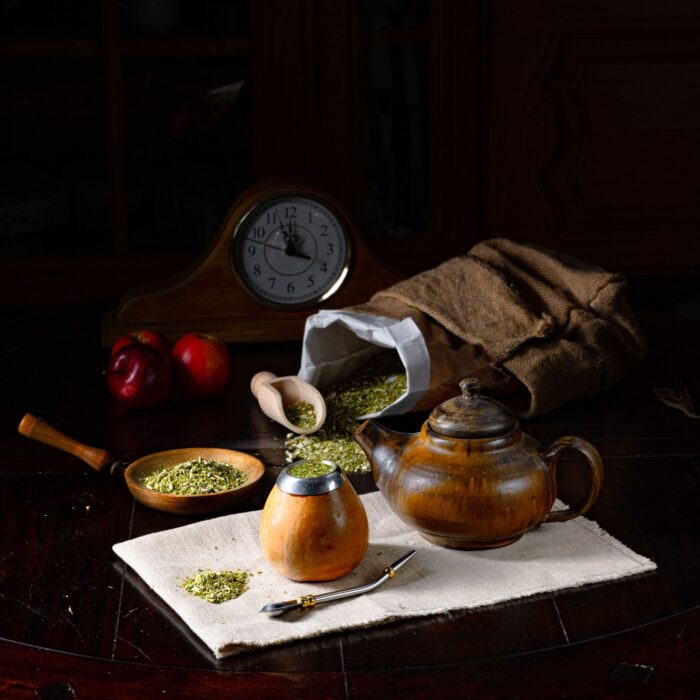
Mate is a richly caffeinated infusion of Ilex paraguariensis leaves, drunk from a gourd with a metal bombilla. Guaraní in origin and popularized by Jesuit missions in Misiones, Argentines consume about 5kg each year. November 30 is National Mate Day. Etiquette: finish your cup before passing it back, and never move the straw.
Malbec & Argentine Wines
Discover the wineries of Mendoza to experience Argentina's famous Malbec culture directly at the source. Originally from France, this variety was transformed in the high-altitude vineyards of Mendoza's Uco Valley and Salta's Cafayate. Keep an eye out for Torrontés (the only grape variety native to Argentina), Bonarda and Patagonian Pinot Noir. Top producers to ask for: Catena Zapata, Bodega Salentein, and Familia Zuccardi.
Fernet con Coca
Fernet con Coca is the unofficial national cocktail of Argentina, Italian Fernet Branca mixed with Coca-Cola over ice at a strict 70/30 ratio. Argentina is the world's leading Fernet drinker by a wide margin, consuming more of it than Italy itself. It is the after-dinner drink at every asado and the default order at any bar or boliche after midnight.
Quilmes Beer & Clericó
Quilmes has become Argentina's national lager. Light blue label, pale and crisp, it is the default beer at any parrilla or football match. Clericó is the summer alternative, a Spanish-influenced fruit punch of white wine, fresh chopped fruit, and a splash of sparkling water, ladled out of a pitcher at backyard asados from December through February.
Christmas Food in Argentina (Mesa Fría Traditions)
Food-wise, traditional Christmas fare in Argentina consists of a cold spread known as the mesa fría, given the fact Christmas falls during the summer months in the Southern Hemisphere with temperatures ranging from 25 - 35°C (77 - 95°F), shaped heavily by the Argentina weather at that time of year. This includes vitel toné, matambre arrollado, asado, empanadas, ensalada rusa, and the sweet pan dulce, all washed down with sidra.
Savory Christmas dishes:
- Vitel toné: Piedmontese-origin cold veal sliced thin and coated in a tuna, anchovy, mayonnaise, and caper sauce. The signature dish of an Argentine Christmas.
- Matambre arrollado: stuffed rolled flank steak, sliced into pinwheels and served cold.
- Asado: the summer-heat-friendly Christmas version, usually built around lighter cuts.
- Ensalada rusa: Russian potato salad with peas, carrots, and mayonnaise.
- Pionono (savory): thin sponge cake rolled around ham, cheese, and vegetables.
- Empanadas, canapés navideños, sándwiches de miga: finger foods built for sharing across a hot evening.
Sweet Christmas treats:
- Pan dulce: Argentina's panettone, dome-shaped and studded with dried fruit, nuts, and chocolate.
- Turrón: hard nougat brought over by Spanish immigrants.
- Mantecol: soft peanut butter nougat, a nostalgic favorite.
- Garrapiñadas: sugar-coated caramelized peanuts.
- Fresh fruit salad and helado: the summer-friendly desserts of choice for festive family travel in Argentina experiences.
The Christmas drink: sidra, a sparkling cider, is the traditional toast at midnight on Christmas Eve and again on New Year's.
Argentine Food Culture: Eating Habits, Times & Etiquette
Food in Argentine culture is built around lengthy, shared meals and famously late dinners. The eating hours are between 6 and 9 AM for breakfast, 12 - 2 PM for lunch, 4 - 6 PM for merienda and dinner rarely starts before 9 PM (restaurants are usually empty at 8 PM but bustling by 10 PM). Family asados are appropriate for Sundays, and dishes like picada, asado, and mate are meant to be shared with others, rather than rushed. As the saying goes: "El que sabe comer, sabe esperar". He who knows how to eat, knows how to wait.
Where to Eat in Argentina: Types of Restaurants
Deciding where to eat is just as important as discovering the best things to do in Argentina. Every restaurant type has a certain formality, pacing, and ordering principle, and you might need to step into the right one as much as order the right dish. Here are the five broad categories you should understand before settling on the perfect dinner destination:
Parrilla
The parrilla is the traditional Argentine steakhouse and the home of the asado. The menu revolves around grilled cuts over charcoal or wood, with provoleta and chorizo as starters and a portion of chips or salad. That's the place to go for steak, whether it is a hole-in-the-wall barrio parrilla or a top-flight Buenos Aires venue.
Bodegón
Bodegones are traditional Argentine "grandmother-type" canteens, neighbourhood classic establishments with hand-painted signs, hanging berreta's and waiters calling you "maestro". The menu is comfort food in massive portions: milanesa with mashed potatoes, homemade ravioles, tortilla de papa, vacío al horno. You visit for the nostalgia, the brawling and the value for money.
Pizzería al Molde
A pizzería al molde specialises in the deep-pan Argentine-style pizza. Have a slice of fugazzeta, served with a triangle of fainá on the top and washed down with a glass of sweet moscato or Quilmes beer. Most of the best pizzerias in Buenos Aires are along Avenida Corrientes.

Heladería
A heladería is an Argentine ice cream parlor. You'll see one on just about every second block in any city. Choose al peso (by weight) in a cup or cone with two or three flavors. The classics are dulce de leche granizado, sambayón, and pistachio. Open late, and crowded at midnight just after dinner.
Café Notable
Explore the café culture of Buenos Aires through its historic literary cafés, traditional bodegones, and late-night parrillas. Imagine dark wood, brass furnishing, marble topped tables and the spirits of Borges and Cortázar floating about. Get yourself a cortado and a medialuna, sit down and stay a while.
Conclusion: The Heart of Food in Argentina
Food in Argentina is less about eating and more about feasting. It's about the Sunday asado, the shared gourd of mate, the gnocchi on the 29th, the cold mesa fría in the Christmas summer heat. At the base of it all is the same story: Spanish cattle brought onto the plains, Italians changing it all around, native Andean food remaining local in the North, and a predilection for long, generous meals which turn sustenance into community.
So, are you ready to taste it for yourself? Let Tailored by Locals design your Argentina trip around the dishes, places, and people that locals actually love. Every itinerary is built by Argentines who know where the real flavors live.
Tailor-made Argentina trips to start from
A starting point — every trip is fully personalized to you by a local expert.