USD
Sign up Log in

Nara

Sacred Paths, Ancient Wonders, and Encounters Found Only in Nara
Nara
Nara
Nara
Nara
Nara

Discover Nara Through Sacred Landscapes, Living History, and Quiet Encounters

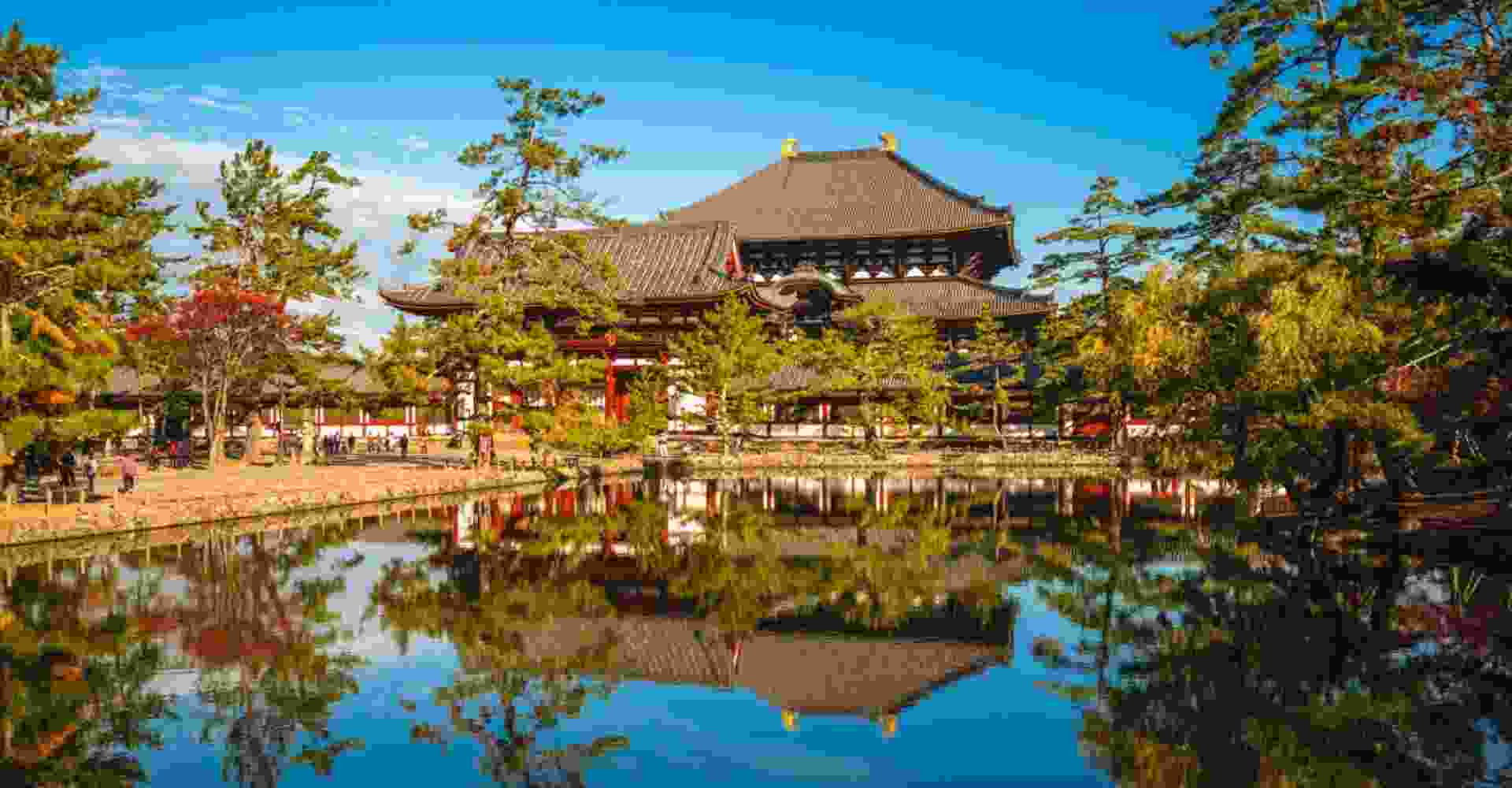
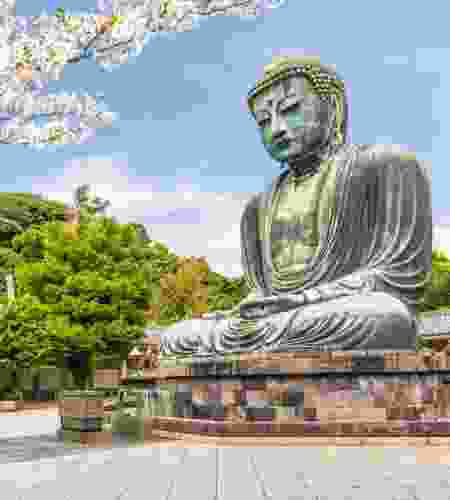
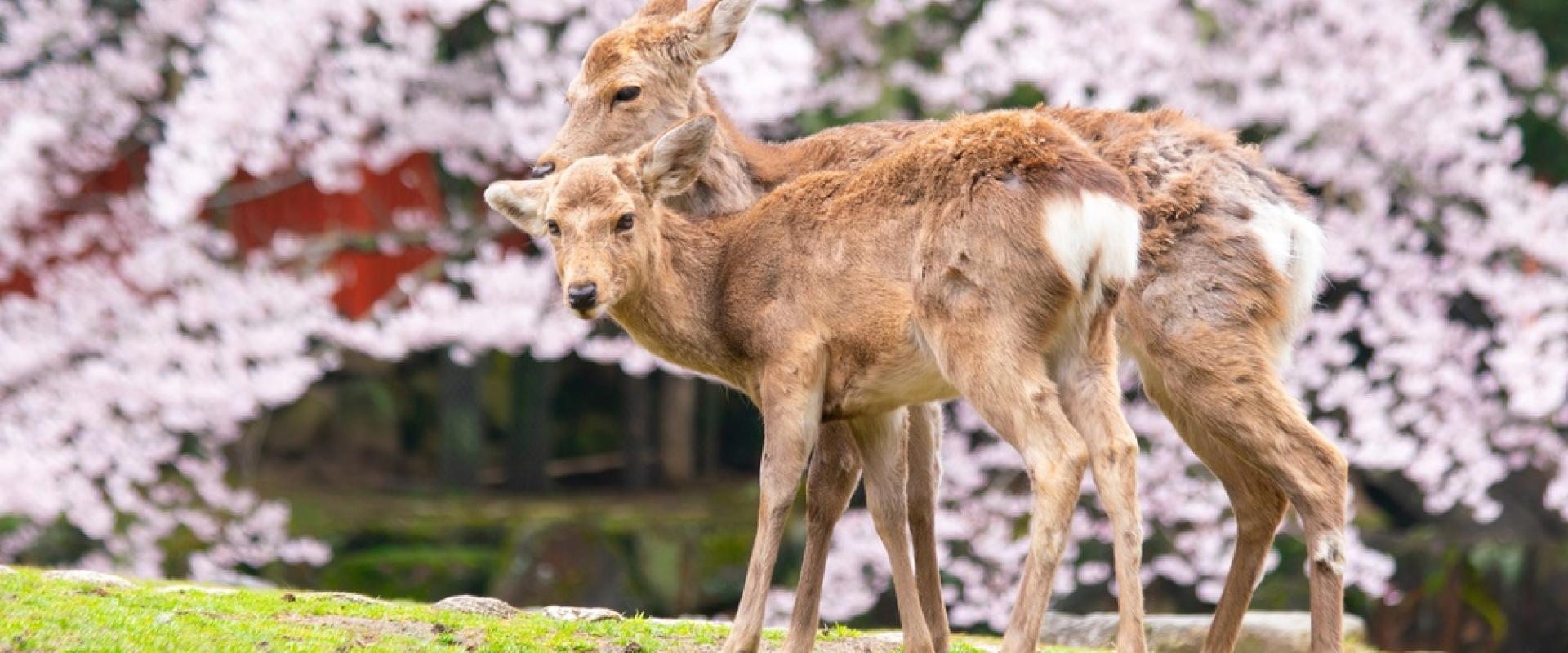
Nara invites travelers into an older, more contemplative side of Japan, where free-roaming deer wander between forest paths, monumental temples, and lantern-lined shrines. Stand before the Great Buddha at Todaiji Temple, follow the atmospheric approach to Kasuga Taisha, and explore the traditional townhouses, artisan shops, and intimate cafés of Naramachi. Peaceful gardens, wooded hills, Buddhist art, and centuries-old culinary traditions reveal a destination that extends far beyond its famous park. A thoughtfully paced itinerary brings these experiences together, allowing Nara’s history, spirituality, and natural beauty to unfold without hurry.

How it works

Every step of our process is built to ensure you get exactly the journey you're dreaming of.

1. Share your travel vision

Tell us what kind of journey you’re dreaming of. We’ll connect you with the right local expert to make it happen.

2. Craft your itinerary with your local agent

Work directly with your local specialist to shape a trip that matches your interests and pace.

3. Book and travel with peace of mind

Secure payments and trusted bookings, so you can focus on the experience

Step Into the Timeless Spirit of Nara

Discover sacred temples, tranquil gardens, traditional neighborhoods, and unforgettable encounters with Nara’s celebrated deer.

Frequently Asked Questions

When is the best time to visit Nara?
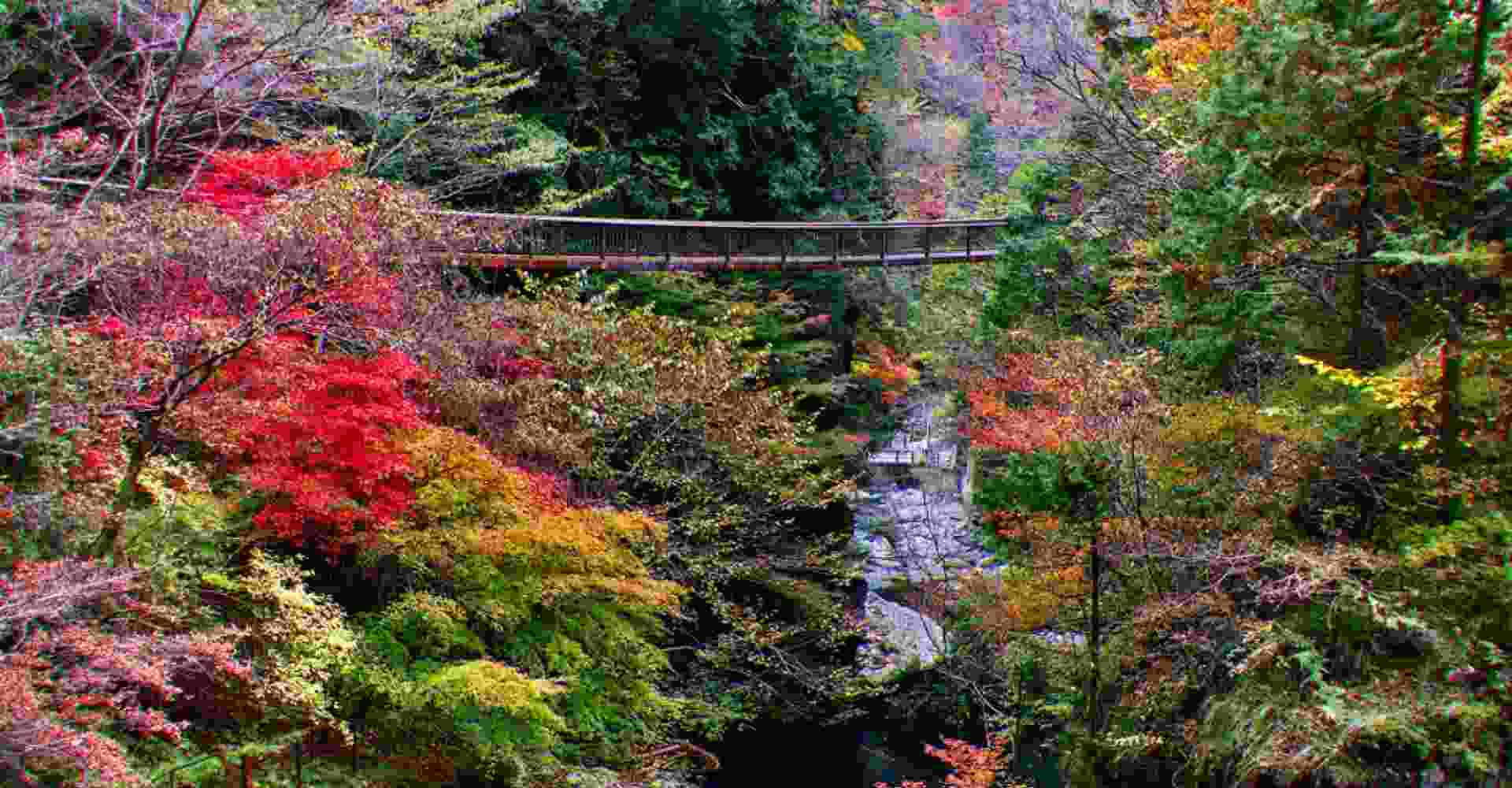
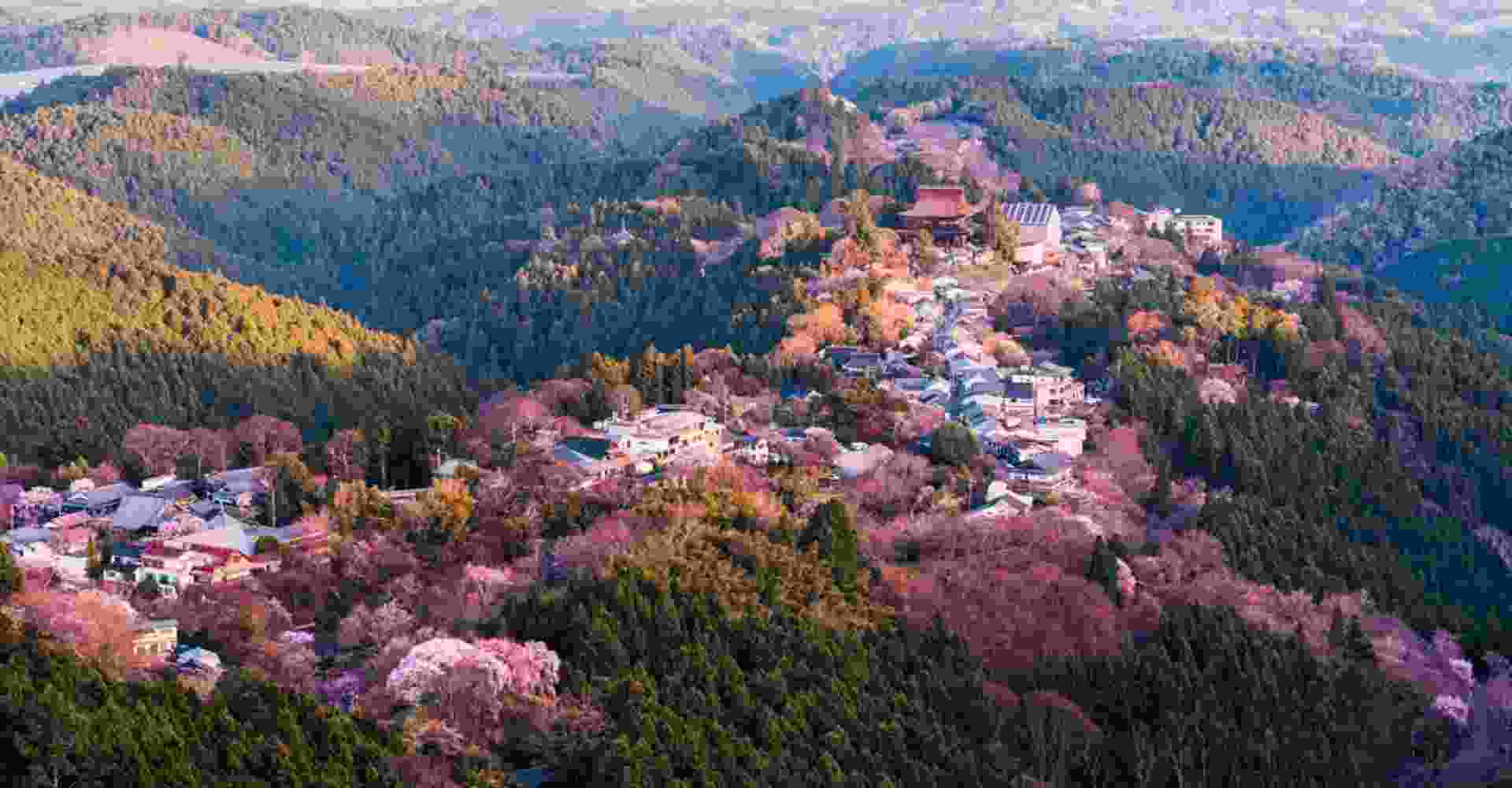
Spring and autumn are among the most beautiful times to visit Nara. Spring brings cherry blossoms and mild sightseeing weather, while autumn colors the parks, temple grounds, and mountains in vivid shades of red and gold. Winter is quieter and ideal for visiting major cultural sites with fewer people, while summer offers lush landscapes, festivals, and evening illuminations. 
What are the best things to do in Nara?
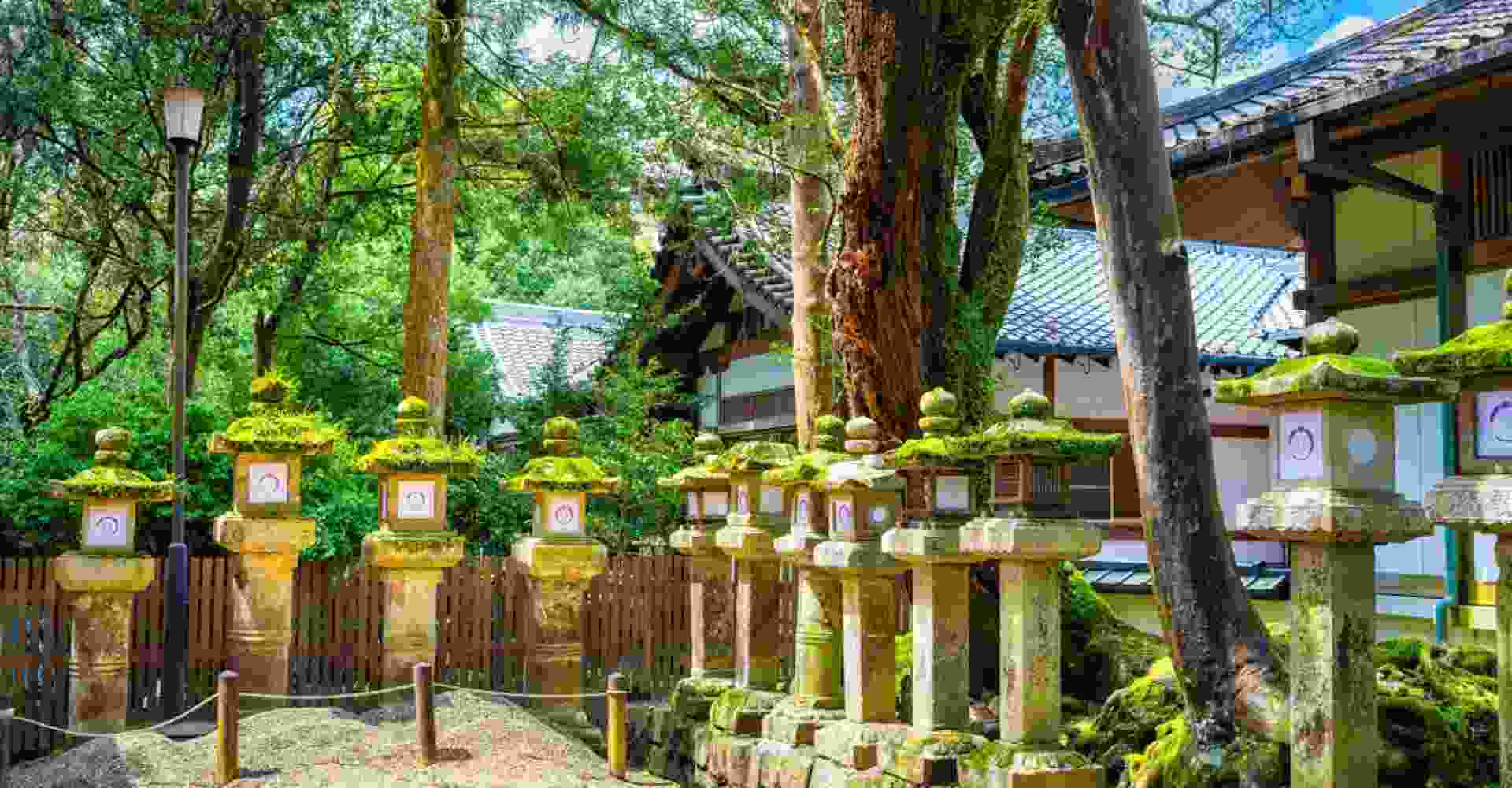
 Essential experiences include meeting the deer of Nara Park, seeing the Great Buddha at Todaiji Temple, walking through the lantern-lined grounds of Kasuga Taisha, and visiting Kofukuji Temple. Travelers can also explore the historic streets of Naramachi, stroll through Isuien Garden, visit the Nara National Museum, or climb Mount Wakakusa for views across the city. 
How many days should I spend in Nara?
 One full day is enough to experience Nara Park and several of the city’s principal temples and shrines. Two days provide a more relaxed visit, with additional time for Naramachi, gardens, museums, local dining, and quieter sites beyond the busiest routes. Travelers interested in the wider prefecture may wish to stay three days or longer. 
Is Nara a family-friendly destination?
 Yes. Nara’s spacious park, approachable wildlife, scenic walking paths, and impressive temples make it an engaging destination for families. Children often enjoy seeing and feeding the deer, although adults should supervise younger visitors because the deer are wild animals and may become enthusiastic when food is present. 
How should visitors interact with the deer in Nara Park?
 Visitors should feed the deer only the approved shika senbei crackers sold around the park. The deer should never be teased, grabbed, or given human food, paper, or plastic. Once the crackers are finished, showing the deer your empty hands usually signals that there is no more food. 
What food is Nara known for?
 Nara’s regional specialties include kakinoha-zushi, sushi wrapped in persimmon leaves; delicate Miwa somen noodles; narazuke vegetables preserved in sake lees; and chagayu, a comforting rice porridge prepared with roasted tea. The region is also known for traditional sweets, locally grown Yamato vegetables, and a long history of refined sake production. 
Is Nara easy to explore without a car?
 Yes. Nara Park, Todaiji Temple, Kasuga Taisha, Kofukuji Temple, Naramachi, and several gardens are accessible on foot from the city’s central stations. Local buses and taxis are convenient for covering longer distances, so a car is generally unnecessary when exploring central Nara. 
Is Nara worth visiting from Kyoto or Osaka?
 Absolutely. Nara is less than an hour from Kyoto and Osaka and offers a rewarding contrast to both cities. Although it is commonly visited as a day trip, staying overnight allows travelers to enjoy its historic streets, temples, and parklands at a quieter pace after many daytime visitors have left.