USD
Sign up Log in

Croatia Cultural & Historical Travel

Discover Croatia’s rich heritage and vibrant culture with journeys curated by local experts.
Croatia Cultural & Historical Travel

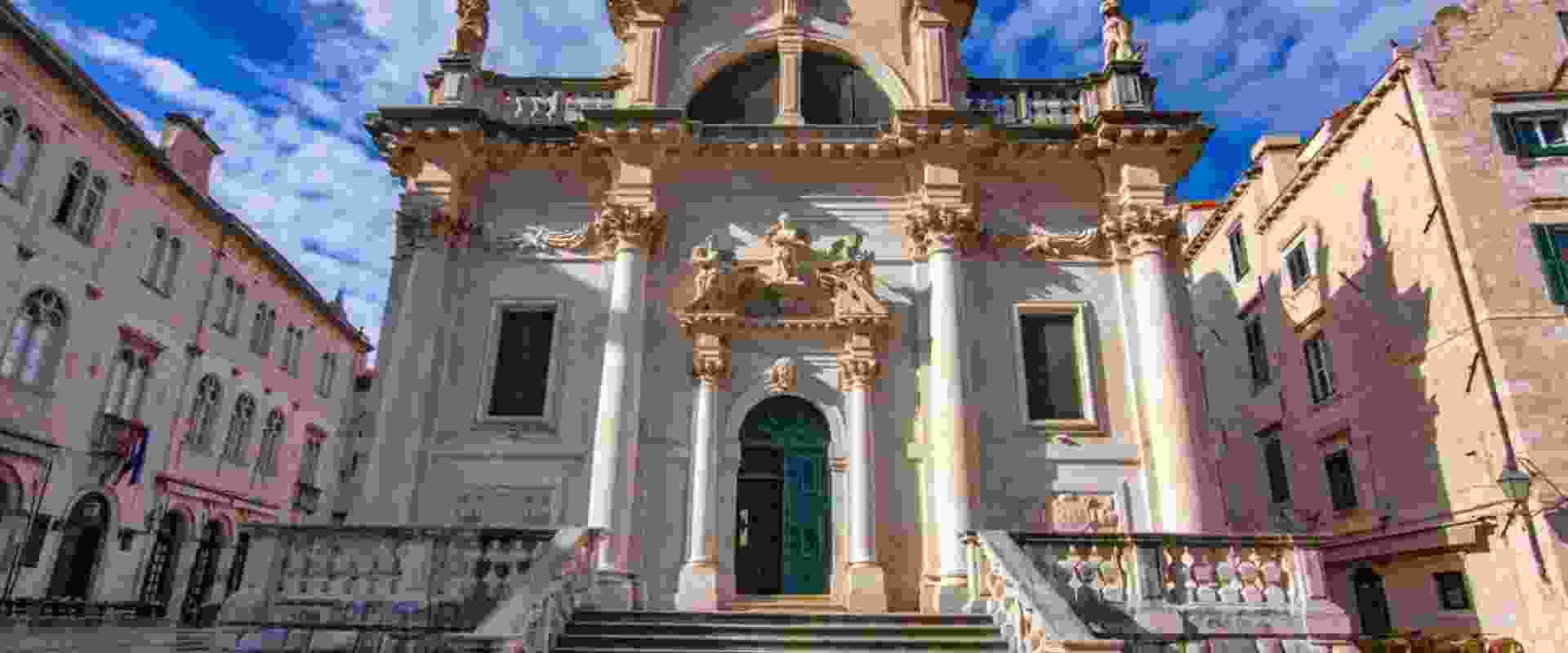
The historical past of Croatia becomes visible through its various fortresses and palaces and old towns which showcase different periods of time. The ancient walls of Dubrovnik welcome visitors while Roman ruins in Split and medieval villages along the Adriatic coast provide opportunities for exploration. The country of Croatia connects its cultural heritage to its daily life through its UNESCO World Heritage sites and traditional festivals that preserve local customs. The nation presents a unique experience where historical events become an integral part of daily existence.

Frequently Asked Questions

What types of cultural and historical experiences are available?
Experiences can include guided tours of ancient towns and UNESCO sites, visits to museums and galleries, historic walking tours, traditional music and dance events, craft workshops, and culinary experiences rooted in local culture.
Which regions of Croatia are best for cultural and historical exploration?
Dubrovnik, Split, and Zadar offer ancient city walls, Roman ruins, and historic architecture. Istria is known for hilltop towns, Venetian heritage, and wine culture. Inland regions like Slavonia provide rich folklore and traditional crafts. Your expert can create a route covering multiple regions.
Are the itineraries suitable for first-time visitors?
Yes. Experts can design trips that balance sightseeing with leisure, providing context and guidance to make history and culture accessible and enjoyable.
Can experiences be tailored for families or small groups?
Absolutely. Your expert can plan interactive experiences, walking tours, and hands-on workshops suitable for travelers of all ages.
Is transportation included?
Depending on the itinerary, your expert can arrange private transfers, drivers, or rental vehicles, making it easy to navigate between towns, historical sites, and cultural venues.
When is the best time to explore Croatia’s cultural and historical sites?
Spring (April–June) and early autumn (September–October) offer mild weather and fewer crowds, making it ideal for sightseeing. Festivals and local events may influence the best timing depending on your interests.
Can cultural and historical trips be combined with other experiences?
Yes. Your expert can blend historical exploration with food and wine tours, nature excursions, or leisure activities, creating a rich, well-rounded Croatian journey.
Are guided tours included?
Local experts can arrange knowledgeable guides for city tours, historic sites, and cultural experiences to provide deep insight and context.