Argentina Weather: Month-by-Month and Region-by-Region Guide
Argentina Weather: Month-by-Month and Region-by-Region Guide
Plan your Argentina tripArgentina weather falls within four climate zones across one of the longest nations on earth. From the subtropical heat of Iguazu to the subpolar cold in Ushuaia. The seasons are opposite those of Europe, with summer occurring from December - February and winter from June - August.
In this guide, we will cover what the weather is like in Argentina on a month-by-month and season-by-season basis. We will also talk about some unique weather phenomena in Argentina, explore regional differences and offer some tips on how to prepare better for your trip to this country.
Let’s get into it!
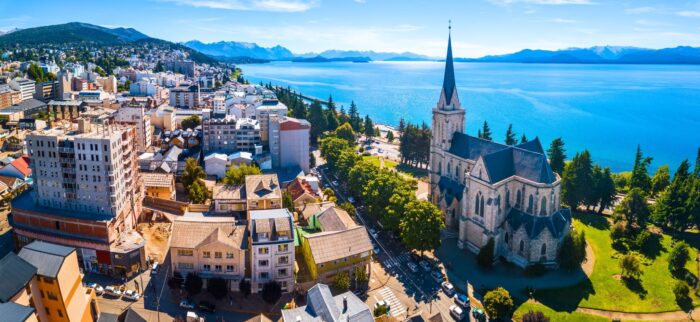
Argentina Weather Year Round (Climate Overview)
There are four main climate zones: subtropical (North), temperate (throughout the central Pampas), arid (in the West) and subpolar (in the South). The seasons are the opposite to those in the northern hemisphere. So January is the hottest part of the year with an average temperature in Buenos Aires of 28°C (82°F) and July the coolest at 10°C (50°F).
This variety of climate is thanks to three things: the enormous north-south span of Argentina, the rain shadow effect of the Andes on their eastern slopes and the influence of the Atlantic and Pacific oceans, which is why many travellers planning a trip to Argentina organise their route around seasonal weather differences.
Argentina Weather by Month & Season
Argentine weather varies hugely over both the course of the year and from area to area. Due to its location in the Southern Hemisphere, the seasons are the reverse of those in North America and Europe. To help plan your Argentine trip we have compiled a month by month guide to Argentine weather, including average temperatures and the best things to do during each time of year.
Summer in Argentina (December - February)
Summer is the busiest and hottest time to visit Argentina. Expect highs of 28 - 30°C / 82 - 86°F in Buenos Aires (can reach 38°C / 100°F), the north to be humid, the central Pampas at full heat and Patagonia to be ideal for hiking with long, cool days. High season prices and crowded places are the norm, mostly from mid-December to January.
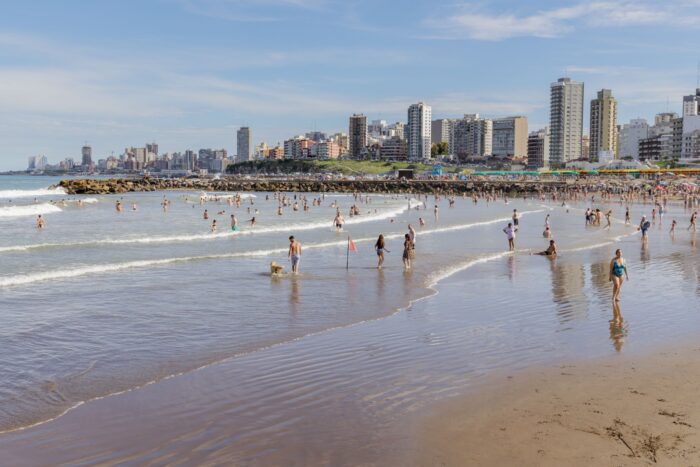
Argentina Weather in December
December ushers in summer, school holidays and the festive season, making it one of the most popular times to experience Christmas in Argentina. Iguazu gets hot and humid while in Patagonia the days are long and the trails accessible. Prices skyrocket from the middle of the month onward.
Average temperature: 22 - 28°C / 72 - 82°F (varies by region)
Best for: Patagonia trekking, Lake District, early-summer Buenos Aires
Argentina Weather in January
In January, the average nationwide is 24°C / 75°F, with maximums of 30°C / 86°F. Patagonia is at its summer peak with the best trekking weather. Iguazu Falls is wet, hot, and rainy throughout the month.
Average temperature: 24 - 30°C / 75 - 86°F
Best for: Patagonia trekking, Antarctic cruises from Ushuaia, beaches
Argentina Weather in February
February is akin to January but milder, thanks to diminishing crowds. The Mendoza wine harvest launches and Carnival commences in Corrientes and Gualeguaychú with floats, costumes and water fights throughout the month.
Average temperature: 23 - 29°C / 73 - 84°F
Best for: Patagonia trekking, Carnival, beach holidays
Autumn in Argentina (March - May)
Autumn is one of the best shoulder seasons to visit Argentina. The Mendoza wine harvest hits a climax in March, Buenos Aires reaches an easy 18 - 24°C / 64 - 75°F and the Lake District turns gold and copper. Fewer visitors, lower prices and the country is perfect for wine country, photography and stand-alone visits to Iguazu Falls without the summer's humidity.
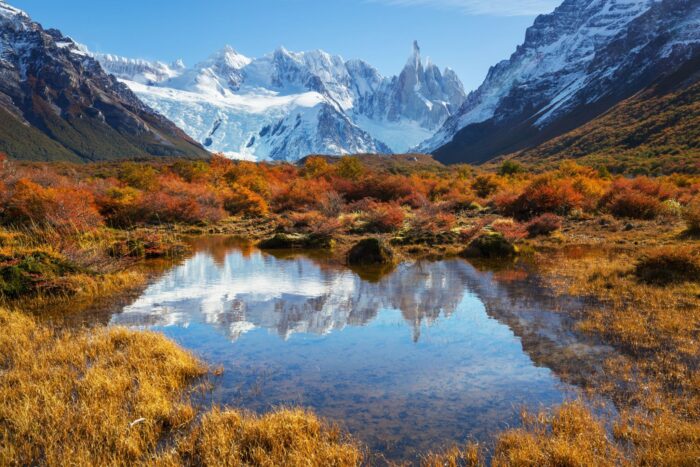
Argentina Weather in March
In March, the seasons change from summer to autumn. Buenos Aires begins to cool to 22 - 26°C / 72 - 79°F, while Patagonia sees crisp nights. Meanwhile in Mendoza the Fiesta Nacional de la Vendimia, the National Grape Harvest Festival, begins turning the town into one of the most exciting wine destinations in the world.
Average temperature: 17 - 26°C / 63 - 79°F
Best for: wine country, photography, last good Patagonia weather
Argentina Weather in April
April is the height of autumn. Mendoza's vineyards become crimson and amber and the Lake District around Bariloche bursts into color. Meanwhile, the humidity in Iguazu drops and it becomes much more comfortable. Patagonia facilities start shutting for the season.
Average temperature: 14 - 22°C / 57 - 72°F Best for: Mendoza, Iguazu Falls, Lake District foliage
Argentina Weather in May
In May, it's late autumn. Buenos Aires averages at about 17°C / 64°F, with cooler nights, and trekking in Patagonia is mostly off the table. Iguazu thins of crowds, humidity drops even more, and northern Argentina brings some of its most pleasant weather of the year.
Average temperature: 10 - 18°C / 50 - 64°F
Best for: Iguazu without the crowds, urban Buenos Aires, northern Argentina
Winter in Argentina (June - August)
Winter brings the greatest variation of temperatures across the country. Temperatures in Patagonia and Ushuaia are near or below freezing while Buenos Aires remains pleasant at 10 - 15°C / 50 - 60°F. July and August are the perfect time for skiing in Bariloche, watching whales at Península Valdés and visiting a drier Iguazu, though many services in southern Patagonia shut down during these months.
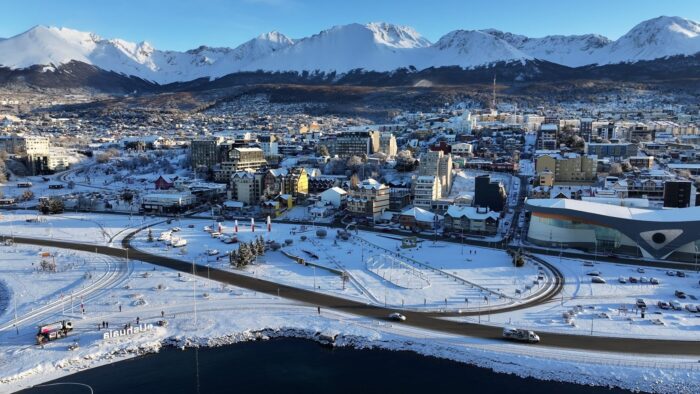
Argentina Weather in June
It is winter time in June. The ski season begins in Bariloche, Buenos Aires settles to around 15°C / 59°F, and the southern right whales begin to arrive at Península Valdés. Iguazu Falls dries out and becomes more bearable. It is probably the best month of the year to visit the falls.
Average temperature: 8 - 16°C / 46 - 61°F
Best for: skiing, whale watching, Iguazu (drier)
Argentina Weather in July
The coldest time of the year. Buenos Aires averages 10°C / 50°F, while Ushuaia and southern Patagonia sit at or below freezing with most amenities shut down. Ski resorts are at their best and Iguazu Falls remains a comfortable warm-weather escape.
Average temperature: 7 - 14°C / 45 - 57°F
Best for: skiing, Iguazu Falls, urban Buenos Aires
Argentina Weather in August
August is a well-and-truly winter month, but is on the verge of a mild transition. Ski season at Bariloche and Las Leñas is underway, as are whale-watching tours at Península Valdés. Buenos Aires is huge this month with the country's celebrated Tango Festival, bringing two weeks of free cultural experiences in Buenos Aires.
Average temperature: 9 - 16°C / 48 - 61°F
Best for: skiing, whale watching, Buenos Aires culture
Spring in Argentina (September - November)
Spring is the other major shoulder season, and Argentina's second-best. Wildflowers carpet the Lake District, jacaranda trees burst into purple bloom in Buenos Aires in November, and the lands of Patagonia gradually reopen to trekking, making spring ideal for family travel in Argentina. The weather is evenly spread across Argentina and the crowds are still thin.
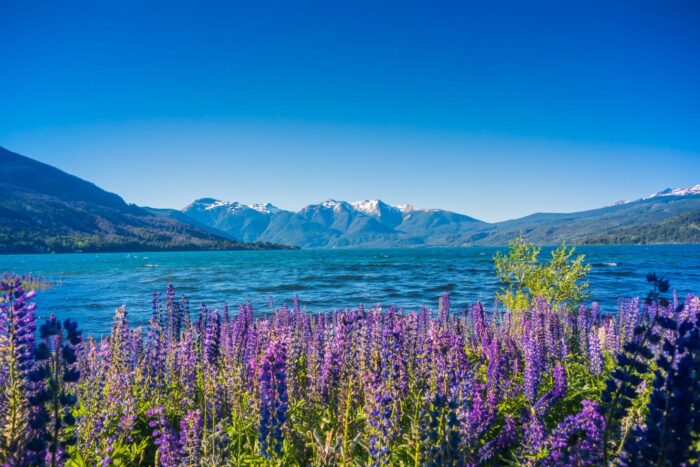
Argentina Weather in September
September signals the beginning of spring. Buenos Aires and the rest of the south become milder (17 - 20°C / 63 - 68°F), warm evenings return, and the northern reaches of Patagonia start opening up again. Península Valdés is at its best with whales, penguins and sea birds filling the coast, making it one of the top regions for nature and wildlife experiences in Argentina.
Average temperature: 11 - 19°C / 52 - 66°F
Best for: shoulder-season Buenos Aires, Península Valdés wildlife
Argentina Weather in October
October extends spring into the whole country. Wildflowers appear all over the Lake District circling Bariloche and Patagonia reopens fully for trekkers even before peak season. You don't have to deal with peak-season visitors yet, so it is one of the best months to visit the south at a more relaxed pace.
Average temperature: 13 - 22°C / 55 - 72°F
Best for: Lake District, early Patagonia, fewer crowds
Argentina Weather in November
November is late spring merging into early summer in Argentina. Jacarandas line the streets of Buenos Aires, the conditions for trekking in Patagonia are perfect, and the country seems to be at its most balanced point before December's high-season prices and crowds arrive.
Average temperature: 15 - 25°C / 59 - 77°F
Best for: Patagonia, Buenos Aires, the whole country before peak
Plan your Argentina trip with a local
Tell us the trip you have in mind. A local expert sends you a personal proposal within 48 hours, free and with no obligation to book.
Argentina Weather by Region & City
Weather conditions vary enormously across the best places to visit in Argentina, from subtropical jungles and wine regions to glaciers and subpolar coastlines. The same day in Buenos Aires it can be warm and humid and in the Patagonian mountains cold and windy. Here is a breakdown of the weather in the main regions in Argentina, with average monthly rainfall and temperature so you can plan your visit accurately to the figures.
Weather in Buenos Aires, Argentina
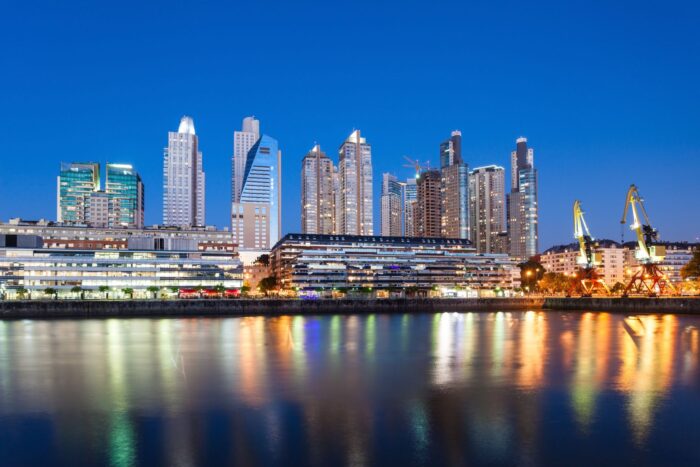
Buenos Aires has a subtropical climate, with hot, humid summers and mild winters. January is the hottest month (average max.: 30°C / 86°F), and July the coolest (14°C / 57°F). Precipitation is evenly distributed throughout the year but increases in spring and summer.
Best time to visit Buenos Aires: spring (September - November) and autumn (March - May) have the best weather and are especially popular for a Buenos Aires city break thanks to the mild temperatures and fewer crowds than the summer high season. Bring light layers, a light rain jacket, and comfortable walking shoes for exploring the city on foot.
| Month | High (°C / °F) | Low (°C / °F) | Rain (mm / in) |
| Jan | 31 / 87 | 21 / 69 | 102 / 4.0 |
| Feb | 29 / 84 | 20 / 67 | 102 / 4.0 |
| Mar | 27 / 80 | 17 / 63 | 102 / 4.0 |
| Apr | 23 / 73 | 14 / 57 | 76 / 3.0 |
| May | 19 / 66 | 11 / 51 | 76 / 3.0 |
| Jun | 16 / 60 | 8 / 46 | 51 / 2.0 |
| Jul | 15 / 59 | 7 / 45 | 51 / 2.0 |
| Aug | 17 / 63 | 9 / 48 | 51 / 2.0 |
| Sep | 19 / 66 | 10 / 50 | 51 / 2.0 |
| Oct | 23 / 73 | 13 / 55 | 102 / 4.0 |
| Nov | 26 / 78 | 16 / 61 | 102 / 4.0 |
| Dec | 28 / 83 | 18 / 65 | 76 / 3.0 |
Cordoba, Argentina Weather
Cordoba enjoys a moderate climate with very hot summers and cool dry winters. The city is inland and at a higher altitude than Buenos Aires, which is why it receives less precipitation and has cooler winter nights. January is the hottest month (29°C / 85°F), while July is the coldest (18°C / 64°F).
Best time to visit Cordoba: In spring (September - November) and autumn (March - April), daytime weather is comfortably warm and the evenings cooler, with less rain. Winters are dry and warm during the day, but the nights are cold so bring layers of clothing. Avoid visiting during the middle of summer if you dislike heat and afternoon thunderstorms.
| Month | High (°C / °F) | Low (°C / °F) | Rain (mm / in) |
| Jan | 29 / 85 | 17 / 63 | 127 / 5.0 |
| Feb | 28 / 83 | 17 / 62 | 102 / 4.0 |
| Mar | 27 / 80 | 15 / 59 | 102 / 4.0 |
| Apr | 24 / 76 | 12 / 53 | 51 / 2.0 |
| May | 21 / 70 | 8 / 47 | 25 / 1.0 |
| Jun | 18 / 64 | 4 / 40 | 0 / 0.0 |
| Jul | 18 / 64 | 4 / 39 | 0 / 0.0 |
| Aug | 20 / 68 | 6 / 43 | 0 / 0.0 |
| Sep | 22 / 71 | 8 / 46 | 25 / 1.0 |
| Oct | 26 / 78 | 12 / 53 | 76 / 3.0 |
| Nov | 27 / 81 | 14 / 58 | 102 / 4.0 |
| Dec | 29 / 84 | 17 / 62 | 152 / 6.0 |
Mendoza, Argentina Weather
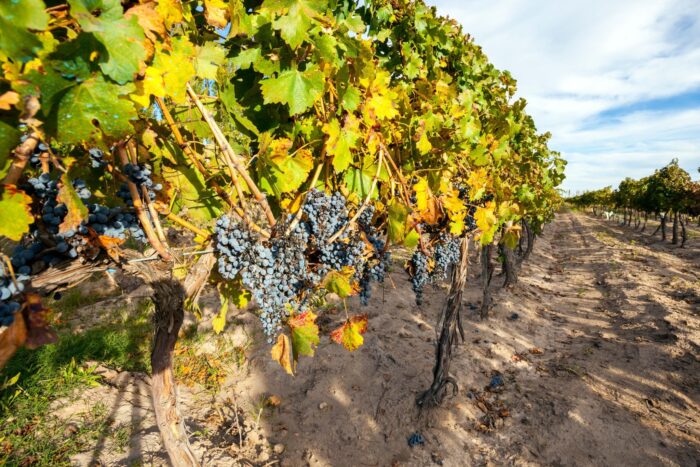
Mendoza’s sunny semi-arid climate plays a major role in the culture of wine and food in Argentina, especially during harvest season. Winters are cool and bright, while summer days are hot and dry. January temperatures hit about 32°C / 90°F. Harvest happens from March to May, so the area often gets likened to California's wine regions.
Best time to visit Mendoza: wine fans should go in March or April, particularly those exploring the Mendoza wine regions during harvest season.. Skiers should prefer June - September for Las Leñas. Late autumn and spring (October to November) bring mild weather and blooming vineyards.
| Month | High (°C / °F) | Low (°C / °F) | Rain (mm / in) |
| Jan | 32 / 90 | 18 / 65 | 51 / 2.0 |
| Feb | 31 / 87 | 18 / 64 | 51 / 2.0 |
| Mar | 27 / 81 | 15 / 59 | 25 / 1.0 |
| Apr | 23 / 74 | 11 / 51 | 25 / 1.0 |
| May | 19 / 66 | 6 / 42 | 0 / 0.0 |
| Jun | 16 / 60 | 3 / 37 | 0 / 0.0 |
| Jul | 15 / 59 | 2 / 36 | 0 / 0.0 |
| Aug | 18 / 64 | 4 / 40 | 0 / 0.0 |
| Sep | 21 / 69 | 7 / 44 | 25 / 1.0 |
| Oct | 26 / 78 | 12 / 53 | 0 / 0.0 |
| Nov | 29 / 85 | 15 / 59 | 25 / 1.0 |
| Dec | 32 / 89 | 18 / 64 | 25 / 1.0 |
Patagonia, Argentina Weather
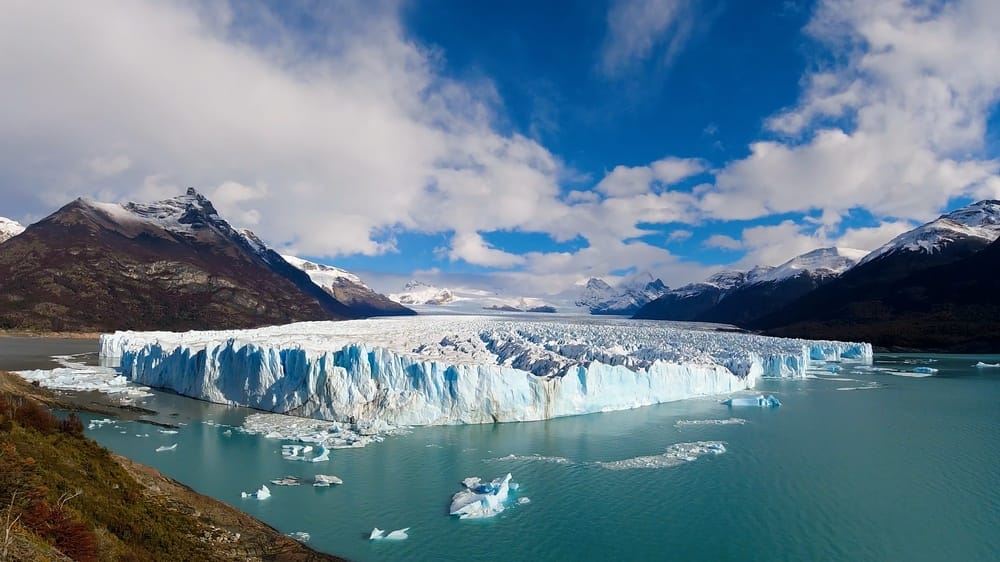
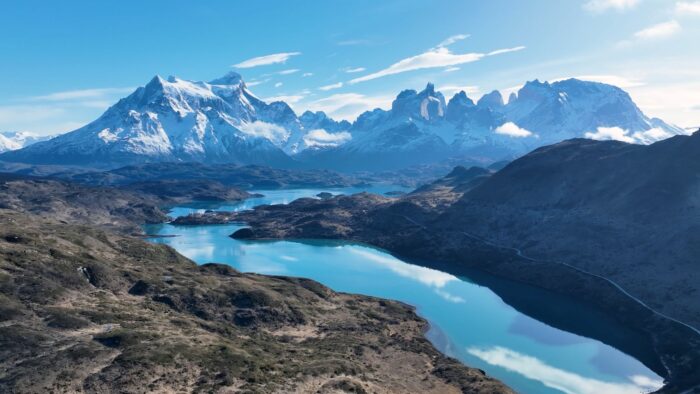
The climate in Patagonia is cold, windy and arid. Only in summer (December - February) is most trekking possible, making it the prime season for adventure travel in Patagonia. Conditions are very severe over the winter months, and many businesses and services are shut down from June - August. Persistent strong westerly winds constantly blow through the area, often at over 100km/h / 60mph.
Best time to visit Patagonia: Patagonia is divided into two separate sub-regions. The Northern part of Patagonia (Bariloche and the Lake District) is much less extreme and open all year round, with climbing in summer and skiing in winter. The Southern part of Patagonia (El Calafate & El Chaltén) is at its best from November - March with trails open and days up to 17 hours long. The Patagonian wind is at its strongest in summer, so whenever you come make sure you take a serious weather wind shell.
| Month | High (°C / °F) | Low (°C / °F) | Rain (mm / in) |
| Jan | 19 / 67 | 8 / 46 | 0 / 0.0 |
| Feb | 19 / 66 | 8 / 46 | 0 / 0.0 |
| Mar | 16 / 61 | 5 / 41 | 0 / 0.0 |
| Apr | 12 / 54 | 3 / 37 | 25 / 1.0 |
| May | 8 / 46 | 0 / 32 | 25 / 1.0 |
| Jun | 5 / 41 | -2 / 28 | 25 / 1.0 |
| Jul | 5 / 41 | -3 / 27 | 25 / 1.0 |
| Aug | 7 / 44 | -2 / 29 | 25 / 1.0 |
| Sep | 11 / 51 | 0 / 32 | 0 / 0.0 |
| Oct | 14 / 58 | 3 / 37 | 0 / 0.0 |
| Nov | 17 / 62 | 5 / 41 | 0 / 0.0 |
| Dec | 18 / 65 | 7 / 44 | 0 / 0.0 |
Ushuaia, Argentina Weather
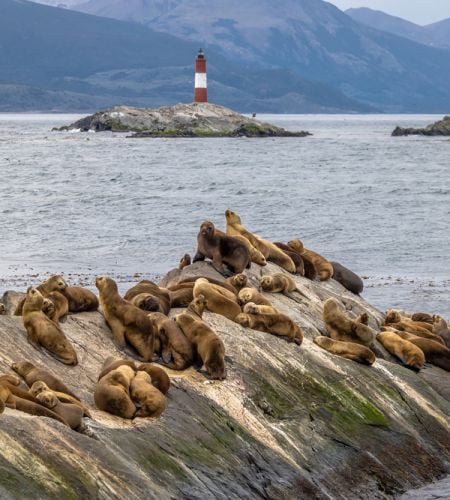
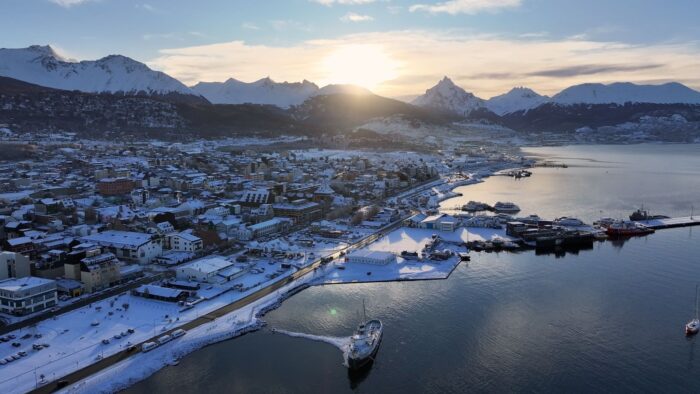
Ushuaia experiences a subpolar oceanic climate. While summer daytime temperatures remain a comfortable 13 - 15°C / 55 - 59°F, winter minimums tend towards 0°C / 32°F, if not above. At this latitude, there is very little variation in temperatures due to ocean moderation. Ushuaia has 17 hours of daylight in December and only 7 hours in late June.
Best time to go to Ushuaia: The months of November to March are the Antarctic cruise season and the most popular period for travellers to Ushuaia and Patagonia on the same trip, when the ice begins to melt and the Drake Passage is open for shipping. December and January have the most daylight hours and the most temperate weather, ideal for hiking around the Tierra del Fuego National Park, the Beagle Channel or trekking up the Martial Glacier. Bring waterproof and windproof clothing any time of year.
| Month | High (°C / °F) | Low (°C / °F) | Rain (mm / in) |
| Jan | 15 / 59 | 6 / 42 | 25 / 1.0 |
| Feb | 14 / 57 | 5 / 41 | 25 / 1.0 |
| Mar | 12 / 54 | 3 / 38 | 51 / 2.0 |
| Apr | 10 / 50 | 2 / 36 | 51 / 2.0 |
| May | 6 / 43 | 0 / 32 | 51 / 2.0 |
| Jun | 4 / 40 | -1 / 30 | 51 / 2.0 |
| Jul | 4 / 40 | -1 / 30 | 51 / 2.0 |
| Aug | 6 / 43 | -1 / 30 | 51 / 2.0 |
| Sep | 9 / 48 | 1 / 33 | 51 / 2.0 |
| Oct | 11 / 52 | 2 / 36 | 25 / 1.0 |
| Nov | 13 / 55 | 4 / 39 | 25 / 1.0 |
| Dec | 13 / 56 | 5 / 41 | 51 / 2.0 |
Iguazu Falls Weather
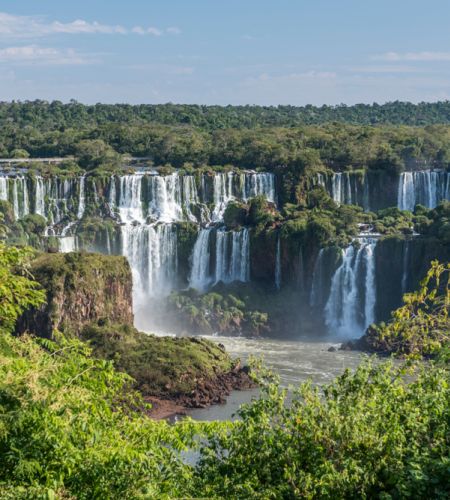
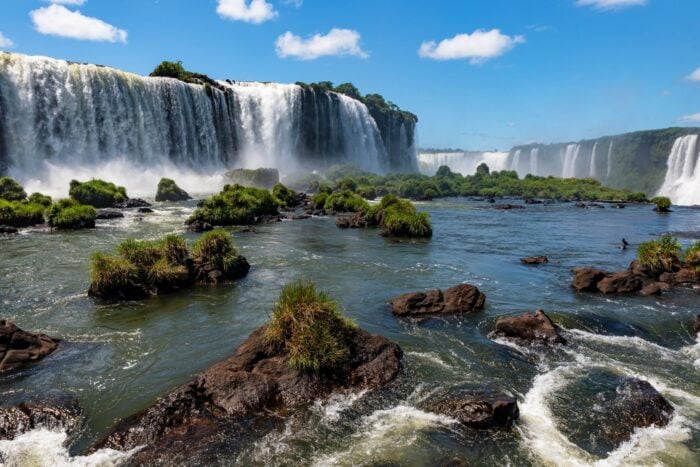
Iguazu Falls experiences a subtropical climate, hot and humid all year. The wettest time of year is December - February, when the high humidity and summer thunderstorms make for a very sticky visit. The ideal time to visit is April - September, when temperatures drop, the humidity relaxes and the number of tourists is reduced, making it one of the best periods to visit Iguazu Falls.
Best time to visit Iguazu Falls: During this period, the park experiences less rainfall, extreme temperatures are less common, and fewer tourists visit. Though the flow of water can be a little bit less than in summer, it is still quite high during this period. You should not visit the falls in January and February if humidity affects you, and some trails can be closed in the summer as well.
| Month | High (°C / °F) | Low (°C / °F) | Rain (mm / in) |
| Jan | 32 / 89 | 21 / 69 | 178 / 7.0 |
| Feb | 31 / 88 | 20 / 68 | 178 / 7.0 |
| Mar | 31 / 87 | 19 / 66 | 127 / 5.0 |
| Apr | 27 / 81 | 17 / 62 | 203 / 8.0 |
| May | 24 / 75 | 13 / 56 | 178 / 7.0 |
| Jun | 21 / 69 | 11 / 51 | 152 / 6.0 |
| Jul | 22 / 72 | 11 / 51 | 127 / 5.0 |
| Aug | 24 / 75 | 12 / 54 | 127 / 5.0 |
| Sep | 26 / 78 | 13 / 56 | 127 / 5.0 |
| Oct | 28 / 83 | 16 / 61 | 178 / 7.0 |
| Nov | 30 / 86 | 18 / 64 | 203 / 8.0 |
| Dec | 32 / 89 | 19 / 67 | 127 / 5.0 |
Salta & the Northwest
Salta and the Northwest have a dry mountain climate. Thanks to the altitude, the weather is very comfortable all year, with warm days and cool nights. December to March is the rainy season, as hot afternoon thunderstorms hit the mountains. April - November brings a dry winter, perfect for travelling, blue skies and large diurnal temperature variation.
Best time to visit Salta and the Northwest: April - November. The weather is dry, sunny and perfect for exploring the Quebrada de Humahuaca, Cafayate wineries and the Hill of Seven Colors at Purmamarca. But, bring some warm layers as nights can drop to freezing levels during winter, especially at higher altitudes. Refrain from traveling during January and February if you want to skip the thunderstorms.
| Month | High (°C / °F) | Low (°C / °F) | Rain (mm / in) |
| Jan | 27 / 81 | 17 / 62 | 178 / 7.0 |
| Feb | 27 / 80 | 16 / 60 | 152 / 6.0 |
| Mar | 25 / 77 | 16 / 60 | 102 / 4.0 |
| Apr | 23 / 73 | 12 / 54 | 25 / 1.0 |
| May | 21 / 69 | 7 / 45 | 0 / 0.0 |
| Jun | 19 / 66 | 4 / 39 | 0 / 0.0 |
| Jul | 20 / 68 | 3 / 38 | 0 / 0.0 |
| Aug | 23 / 73 | 5 / 41 | 0 / 0.0 |
| Sep | 23 / 74 | 7 / 44 | 0 / 0.0 |
| Oct | 27 / 80 | 12 / 53 | 25 / 1.0 |
| Nov | 28 / 82 | 14 / 58 | 51 / 2.0 |
| Dec | 28 / 82 | 15 / 59 | 127 / 5.0 |
Best Time to Visit Argentina by Activity
The most suitable time to go to Argentina depends entirely on the kind of things to do in Argentina you want to experience, from trekking and skiing to wine tasting and wildlife watching. Skiing, wine tasting, whale watching, and glacier wandering are all at their best in different months. Refer to the table below to match your trip to the right season.
| Activity | Best Months | Why |
| Patagonia trekking | December - March | Trails open, longer daylight (up to 17 hours), milder temperatures |
| Antarctic cruises from Ushuaia | November - March | Sea ice retreats, Drake Passage navigable |
| Buenos Aires city break | March - May, Sep - Nov | Mild 17–25°C / 63–77°F, smaller crowds, lower prices |
| Mendoza wine harvest | March - April | Vendimia festival, vineyards in full harvest |
| Skiing (Bariloche, Las Leñas) | June - September | Reliable snow, peak conditions in July - August |
| Whale watching (Península Valdés) | June - December | Southern right whales calve and nurse along the coast |
| Iguazu Falls | August - October | Drier, cooler, manageable crowds, strong water flow |
| Salta & the Northwest | April - November | Dry season, clear skies, comfortable temperatures |
| Lake District (summer hiking) | December - March | Hiking, kayaking, mild weather, long days |
| Lake District (autumn colors) | April - May | Foliage explodes across the Andean lakes |
| Carnival in Corrientes & Gualeguaychú | January - February | Weekend parades, costumes, water fights |
| Jacarandas in Buenos Aires | November | Streets bloom in purple, short, photogenic window |
Quick takeaways: Most travelers heading to Patagonia, with a side trip to Buenos Aires, will find that November and March offer the best overall value, especially when they plan a trip to Argentina around shoulder-season weather and lower crowds. Patagonia is accessible, Buenos Aires is comfortable, and prices are not too high. If you're chasing a single bucket-list activity, plan your trip around the month that suits it best.
Climate Phenomena You Should Know About in Argentina
Beyond everyday conditions, Argentina’s dramatic climate patterns are also part of what Argentina is known for, especially across regions like Patagonia, Mendoza and the Pampas. Argentines know their names, they schedule their activities around them, and you should do so as well, especially if you're heading to Mendoza, Buenos Aires or the central Pampas. Here are the most important ones.
The Zonda Wind
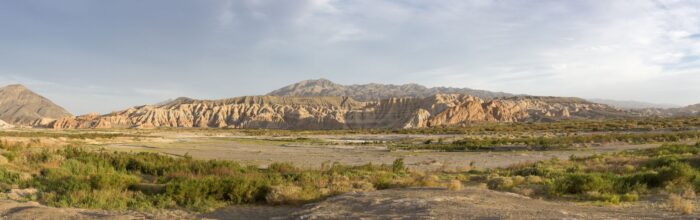
A Zonda is a hot, dry foehn wind that blows from the Andes and reaches Mendoza, San Juan and La Rioja in late winter and spring (August - November). It can increase the temperature by 10°C / 18°F within hours, leaving the air very dry and people with headaches, dry skin and bad tempers. Schools and outdoor areas are closed when the Zonda blows.
Pamperos
Pamperos are cold fast blowing winds that rush over the Pampas. They occur mainly in winter and spring, blowing in from the south and southwest. Pamperos can bring sudden drastic drops in temperature, thunderstorms, hail, and powerful pressure fluctuations. The greatest effects are felt in the central provinces and Buenos Aires, where the temperature can fall by 10°C / 18°F in a matter of hours. Conditions improve after the Pampero abates.
Sudestada
Sudestada is an enduring southeasterly wind from the South Atlantic that brings days of grey, damp, rainy weather to Buenos Aires and the Río de la Plata estuary. It's most common in autumn and winter and could last from a few hours to several days. When it sets in, expect low cloud cover, steady drizzle, and rising river levels, which may result in flooding in some low-lying areas of the city.
What to Pack for Argentina by Region
Packing for Argentina packs can be challenging since the country covers many climate zones. You could be sweating in the heat of a humid afternoon in Iguazu, or wrapped up against the freezing cold of Patagonia. Using the table below will help you to get ready for the areas of your journey.
| Region | Summer (Dec – Feb) | Winter (Jun – Aug) |
| Buenos Aires | Light cotton, sunscreen, light layer for air conditioning | Mid-weight jacket, scarf, light gloves |
| Patagonia | Layers, wind shell, hiking boots, sun protection | Full winter gear, waterproof outer, thermal base |
| Mendoza | Light layers, sunhat, sunglasses, sunscreen | Warm jacket, layers (daytime stays mild) |
| Ushuaia | Fleece, waterproof shell year-round | Heavy waterproof gear, gloves, thermal base, hat |
| Iguazu Falls | Lightweight quick-dry, poncho, mosquito repellent | Light layers, light rain jacket |
| Salta & the Northwest | Light layers, sunhat, warm layer for cold evenings | Mid-weight jacket, layers for big day–night swings |
| Cordoba | Light cotton, sunscreen, light rain jacket | Mid-weight jacket, layers, light gloves |
Conclusion
Argentina weather ranges from sub-tropical at Iguazu Falls to sub-polar at Ushuaia, so to find a best time for the whole of the country would be difficult. For trekking in Patagonia and many of the cruises to Antarctica, June - August is best, for the bustling nightlife and wineries of Buenos Aires and Mendoza March - May, and September to November would be more suitable. For skiing, whales or a drier environment in Iguazu, June - August would suit best.
Knowing the weather is only the first step! Planning a whole trip to Argentina can be challenging, so why not let Tailored by Locals do it for you? Share your thoughts and vision and let local experts design an itinerary that fits your dream vacation.
Tailor-made Argentina trips to start from
A starting point — every trip is fully personalized to you by a local expert.