
Best Beaches in Portugal: Where to Go and When to Swim
Best Beaches in Portugal: Where to Go and When to Swim
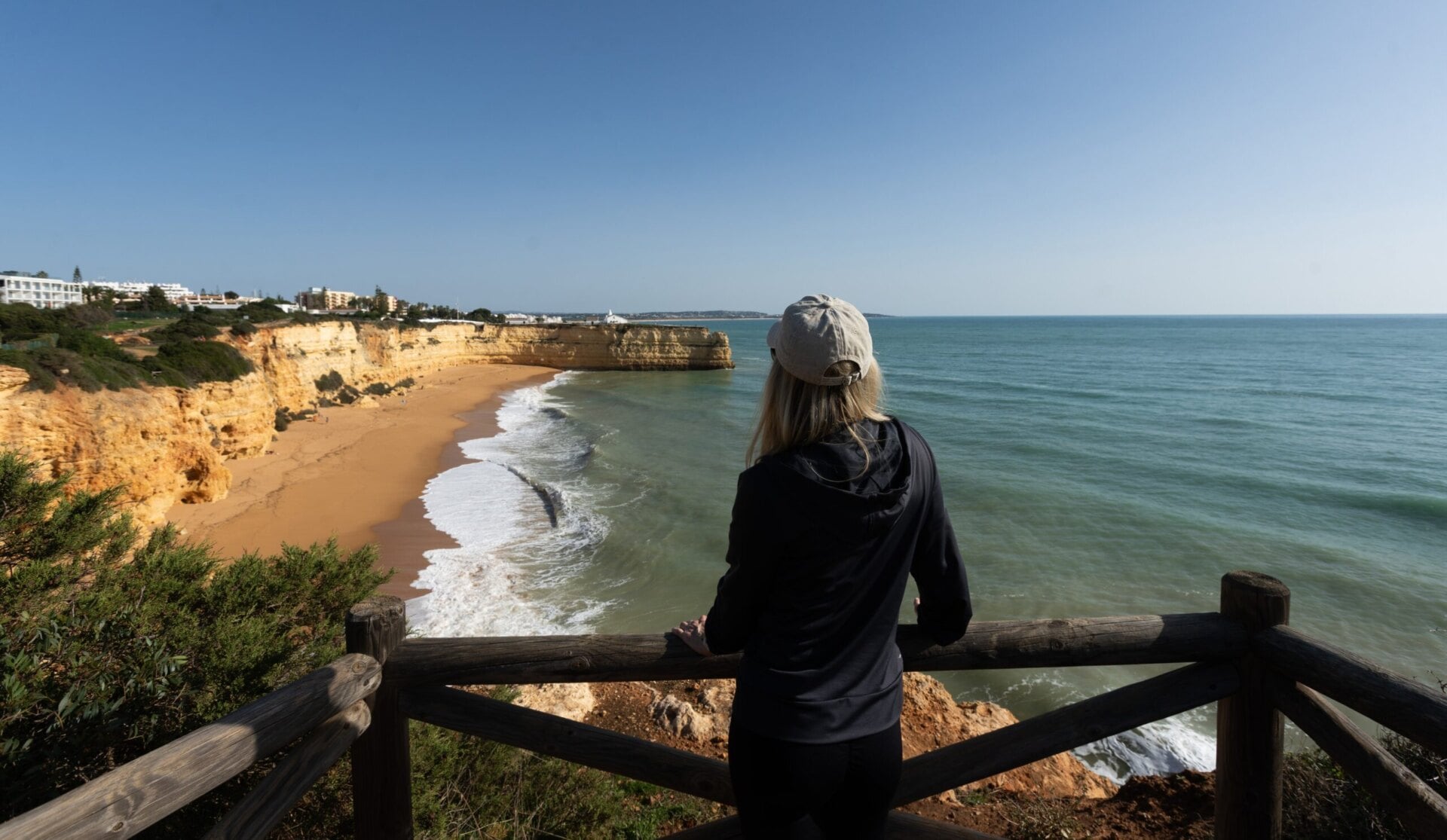
Plan your Portugal tripThe best beaches in Portugal are in the Algarve, the sunniest corner of southern Portugal. For the warmest waters, the lagoon islands off the coast of Faro and Tavira are the best. Here, the sea temperature in late summer can reach 22 to 24°C.
However, the Algarve is not the only region in Portugal with great beaches. The coast near Lisbon is perfect for a mix of city breaks and beach time. At the same time, Porto Santo, the sister island of Madeira, boasts 9km of golden sandy beach.
In this guide, you will find the top beaches in each region. We have also included tips on the best time to visit and how to choose your perfect destination.
Where Are the Best Beaches in Portugal?
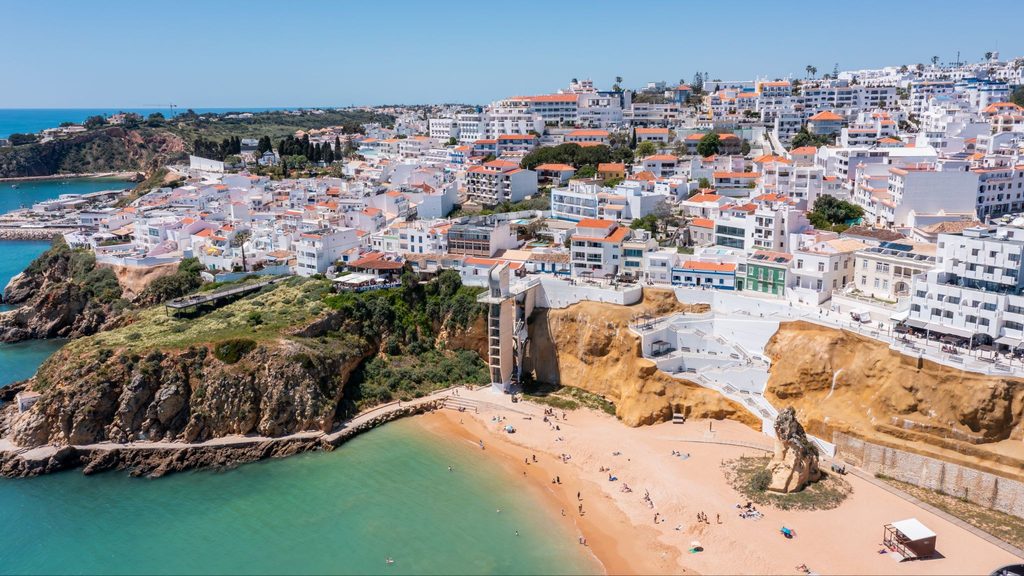
The best beaches in Portugal are along the southern coast of the Algarve region. The calm and warm waters lap against the shores of the cliff-backed coves. The eastern part of the Algarve has the warmest sea in Portugal.
Close to Lisbon, you can find beaches such as the ones in Cascais and along the Setúbal coast. They are perfect for a day trip. The wild west coast of Portugal is ideal for surfers. Finally, on the island of Madeira, there's a beautiful long stretch of sand on Porto Santo. The ideal destination depends on your travel style and the other places to visit in Portugal on your route.
| Region | Coastline | Best for | Best base |
| Central and western Algarve | Golden cliffs and sheltered coves | Couples, photographers, boat trips | Lagos |
| Eastern Algarve | Flat barrier islands and lagoons | Warm swims, families | Tavira or Faro |
| Algarve west coast and Alentejo | Wild dunes and big waves | Surfers, quiet escapes | Aljezur or Vila Nova de Milfontes |
| Lisbon coast | Town beaches and windswept bays | Pairing city stays with beach days | Cascais |
| Madeira and Porto Santo | Volcanic coves and one long sandy beach | Island holidays | Funchal or Porto Santo |
Why the Water Is Warmer on Some Portuguese Coasts
Water temperature around Portugal depends on the orientation of the coastline. The west coast, exposed to the full force of the Atlantic, can have quite cool water in summer. This happens because strong northerly winds are pushing warm surface water out to sea and cold water up from the depths.
The Algarve, on the southern coast of Portugal, has a different setup. On a hot summer day, the sea temperature could be as much as 6 to 7 degrees higher than on the west coast. In Lisbon in August, the average sea temperature is 18.2 degrees. In the Algarve it is 20.8 degrees.
Are There Any Warm Beaches in Portugal?
The warmest beaches of Portugal are on the eastern Algarve's lagoon islands: Ilha de Tavira, Cabanas and Culatra. In August and September, the shallow water reaches temperatures of 22 to 24°C.
The Portuguese Navy recorded the sea temperature at Praia de Faro at 25.7°C on June 1st 2025. In the mid-Atlantic, the average sea temperature for August at the Azores Islands of Santa Maria and Flores is 23.8°C.
Best Months for Swimming by Region
Portugal's sea warms up slowly, lagging behind the weather in Portugal on land, so the best swimming comes late in the summer. September is often warmer than June, and it's quieter too. Use the table below to match your travel dates to the right stretch of coast.
| Region | Typical summer water temperature | Best months to swim |
| North (Porto, Viana do Castelo) | 13-19°C | July-August |
| Lisbon and Setúbal (Cascais, Arrábida) | 15-21°C | June-October, warmest in September-October |
| Alentejo coast (Comporta, Vila Nova de Milfontes) | 15-21°C | June-October |
| Central and western Algarve (Lagos, Albufeira) | About 21°C on average in August | July-October, warmest in August-October |
| Eastern Algarve (Faro, Tavira) | 22-24°C in late summer | August-September |
Best Beaches in the Algarve, Portugal
The Algarve region is home to the beaches of Southern and Western Portugal, with over 100 of them! The region boasts 86 Blue Flags in 2026, the highest number of any region in Portugal.
The beaches in the Algarve are full of contrast. In Lagos and Albufeira, the cliffs of golden sand surround small and peaceful coves. In the western part of the coast, big dunes and strong waves dominate. Εast of the Algarve, long sandy beaches line the barrier islands and have the warmest waters.
Below we list some of the best beaches in the Algarve region, organized by area.
Best Beaches in Lagos, Portugal
Lagos has some of the most popular beaches in Portugal, though the sand is only one of the things to do in Lagos. Make sure to climb the wooden staircase to Praia do Camilo early in the morning to avoid the crowds of tourists.
The beach of Praia Dona Ana is very large, with the same great rock formations as Praia do Camilo. Meia Praia is another long and flat sandy beach, ideal for long walks.
Golden Cliffs of the Central Algarve: Marinha, Benagil and Falésia
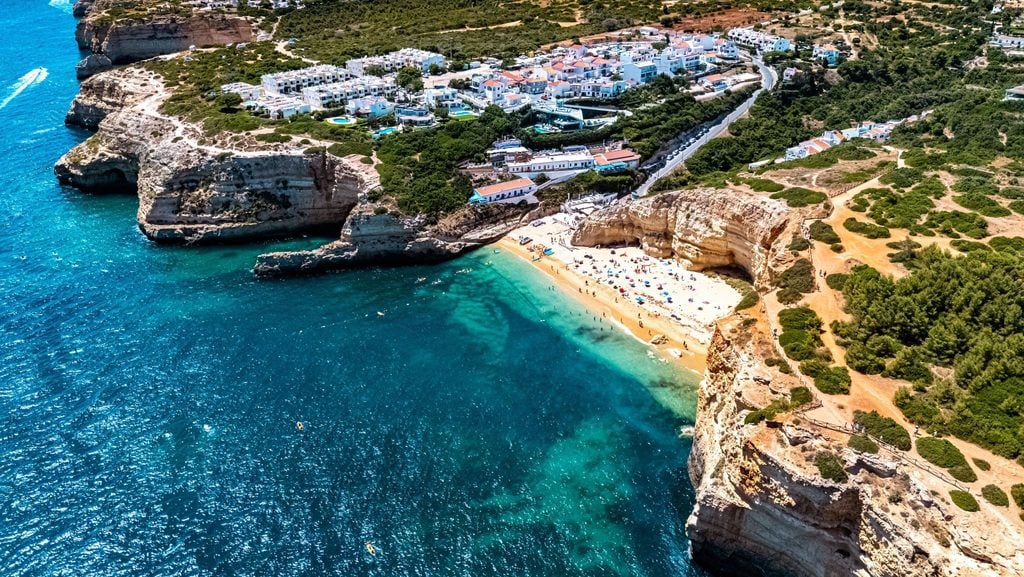
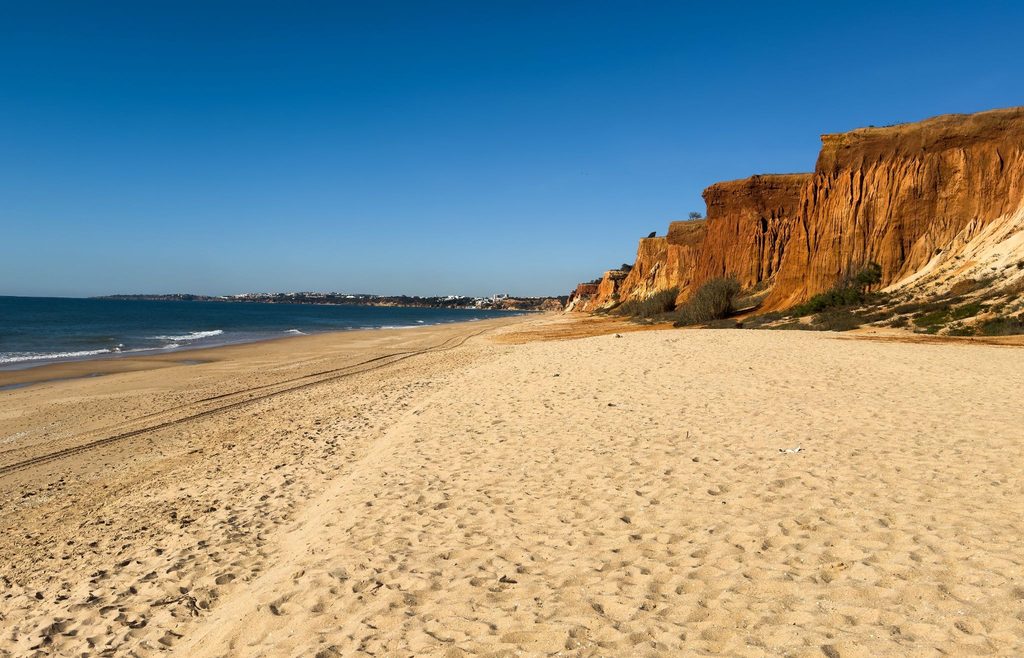
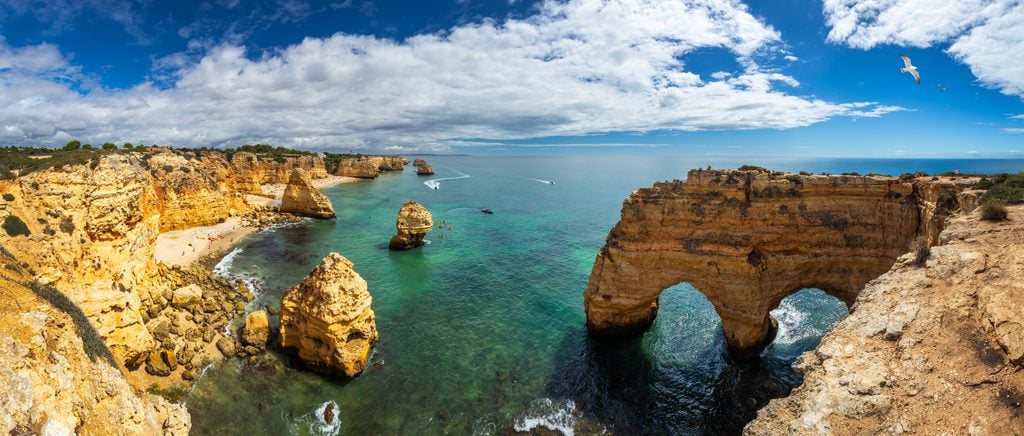
Further along the central Algarve coast, you can find more of the typical views for this region. Praia da Marinha is a great beach of golden rock stacks set off by a honey-colored beach below clear turquoise water.
Nearby, the Benagil sea cave, a classic of Portugal adventure travel, can only be reached by boat or kayak. Book in advance for the summer period as they fill up quickly.
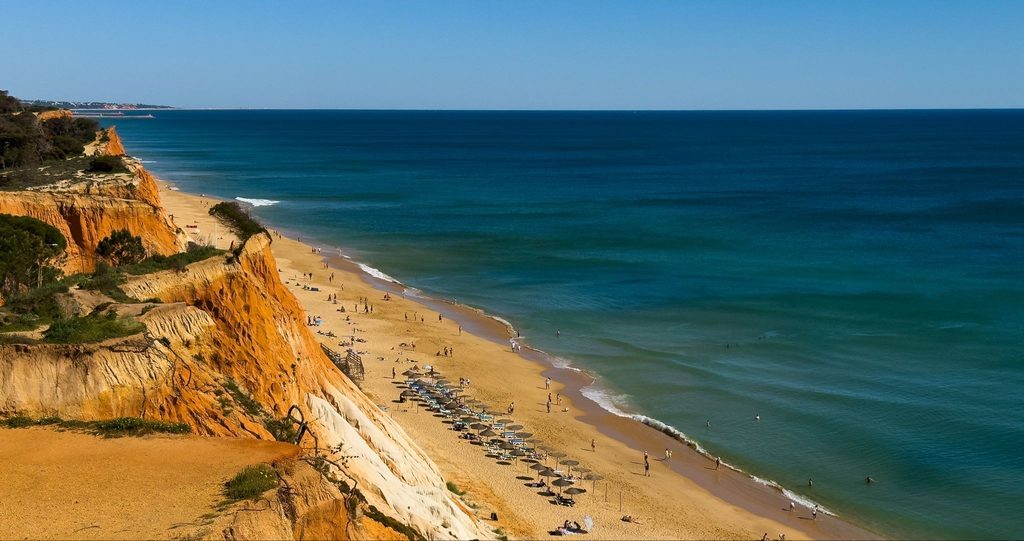
Praia da Falésia is a long stretch of white sand between cliffs of red and orange colors. It was voted the best beach in the world by TripAdvisor in 2024.
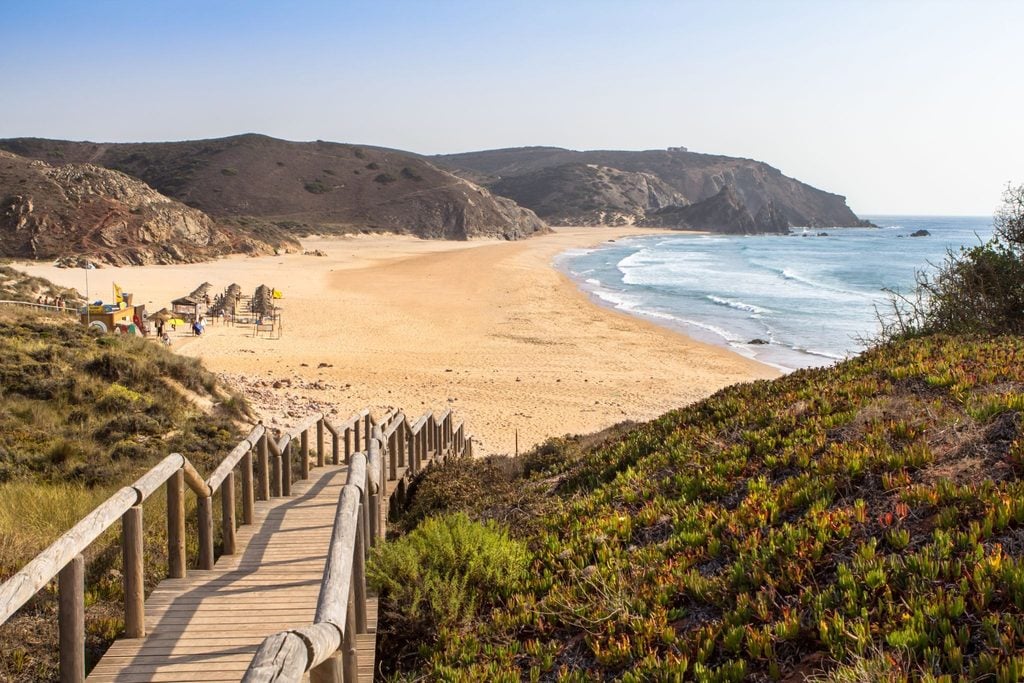
Wild West Coast Beaches: Amado, Bordeira, Arrifana and Odeceixe
The Algarve's Atlantic-exposed beaches bring cooler waters, consistent and powerful surf and a largely rural setting. A host to regular competitions, the waves at Praia do Amado are one of the region's top spots for surfers.
Bordeira is home to huge dunes and the lagoon of the river Ribeira da Bordeira, where kids can swim and paddle around. At Odeceixe, the river curves into the sea, making the riverside very calm and of excellent quality for children to play in the water.
Best Beaches in Faro, Portugal
Although Faro is a lagoon rather than a sea, it has excellent beaches just a short ride away. Praia de Faro is a 15-minute bus or 5-minute car journey from the airport. Its sandy bottom and warm shallow waters make it an ideal destination for families.
Cross over from Porta Nova pier to the wonderful Ilha Deserta. Note that there are short, frequent ferry rides all through the high season, generally every thirty minutes or so.
The fishermen's island of Culatra is the alternative for those who prefer a quiet day of beach activities and enjoy a good fish dinner in the evening.
Tavira and the Eastern Lagoon Islands
A little east of Faro is the Ria Formosa lagoon with its chain of sandy barrier islands. They are all covered with fine sand between winter and summer. You can reach the pretty beach of Ilha de Tavira from the medieval old town of Tavira, a slice of cultural and historical Portugal.
Praia do Barril can be reached by a special train through the marshland and has old tuna fishing anchors scattered about on its fine sand. Cabanas and its top seafood restaurants and long stretches of fine sand, is another gem. Cacela Velha is one of the few really quiet beaches along the entire Algarve coast.
Best Beaches in Portugal Near Lisbon
Lisbon doesn't have any ocean beaches within the city limits. Most visitors pair what to do in Lisbon with day trips to the coast. Still, some of the best beaches in Portugal near Lisbon are less than an hour away by public transport or car. Head west to Cascais, or explore the wild coast of Sintra.
South of the Tagus River, you'll find miles of sand at Caparica and calm, turquoise coves in Arrábida. Each area has its own character.
Best Beaches in Cascais, Portugal
Head to the beach on a day trip from Lisbon by taking the train to Cascais from Cais do Sodré station. It is a beautiful 40-minute journey along the coast.
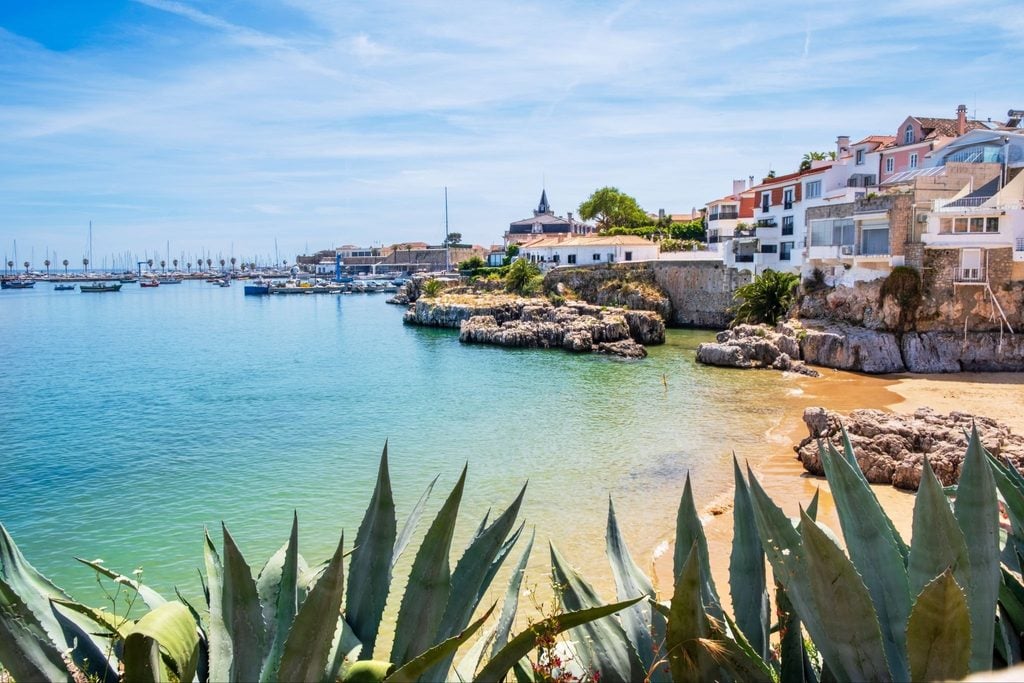
Praia da Rainha is a small sandy beach. This small cove of the Cascais bay was reserved for the royal family until 1963, when it opened to the public.
Praia da Conceição and Praia do Tamariz, bigger and very dynamic, are next to it. Both beaches have calm and clear water and many cafes and restaurants. Tamariz has an amazing saltwater pool, placed by the rocks, next to the beach.
About 15 minutes outside the center of Cascais is Guincho beach. With its consistent winds, Guincho is the perfect place for kitesurfing. The strong currents, however, make for dangerous swimming.
Sintra Coast Beaches: Adraga, Ursa and Azenhas do Mar
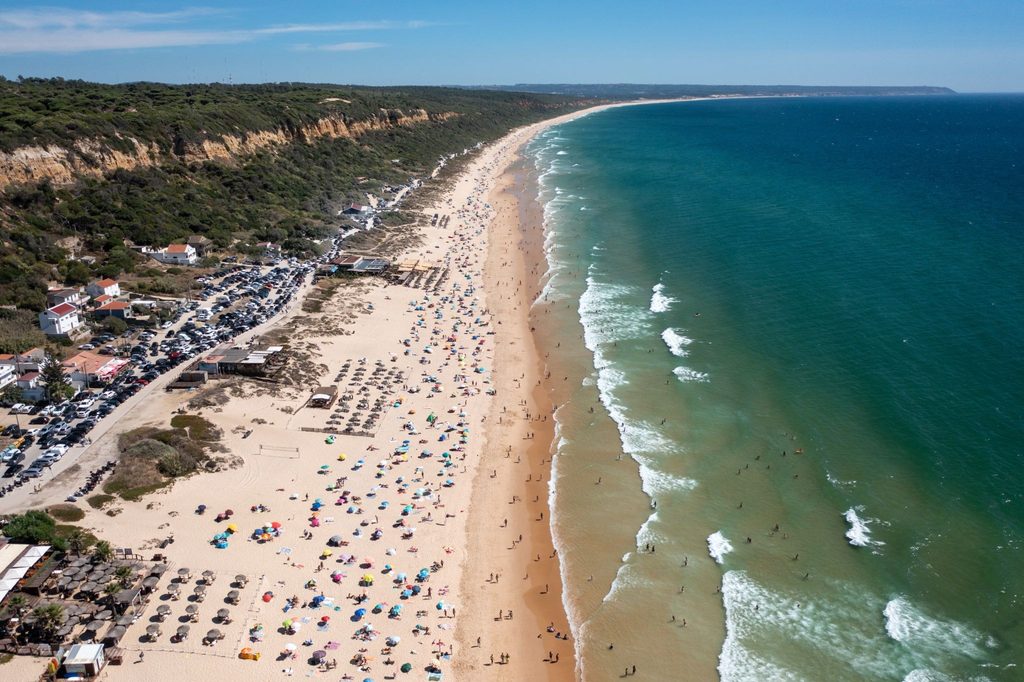
The beaches of the Sintra coast are some of the best close to Lisbon. Among these, the beach of Praia da Adraga is in a hidden valley surrounded by vegetation. It is close to caves and arches that you, at low tide, can reach on foot from the beach itself.
The beach of Praia da Ursa is near the point of Cabo da Roca and has a great view of it. To get to the beach, you have to go down a steep path. So it's better to wear comfortable shoes.
Azenhas do Mar Beach is a scenic natural pool on top of the cliffs, surrounded by the white houses of the village of Azenhas do Mar.
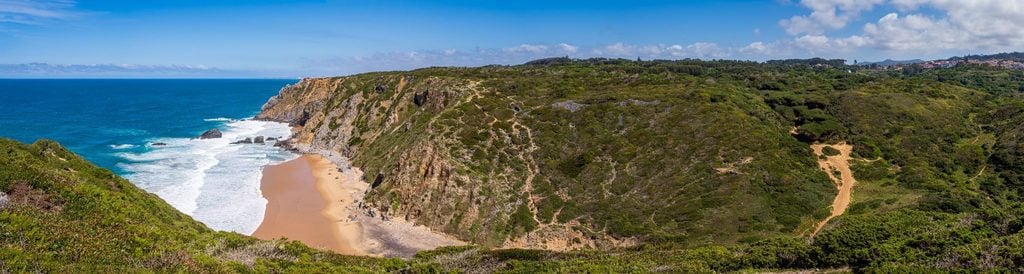
South of the Tagus: Costa da Caparica, Arrábida and Comporta
On the south side of the Tagus River, Costa da Caparica is a long sandy beach. A small summer train links the quieter southern beaches.
After Costa da Caparica, continue south to the beautiful Arrábida Natural Park. The park has several beaches, including Portinho da Arrábida and Galapinhos, famous for their blue and calm waters. Note that in high season these beaches attract crowds, so go there early.
An hour or so south of Lisbon are the beaches of Comporta's Praia do Carvalhal. The area pairs wide, sandy beaches with pine-clad dunes, and relaxed beach clubs. And then there's Tróia at the mouth of the Sado River. Its sheltered water is among the calmest on this stretch of coast.
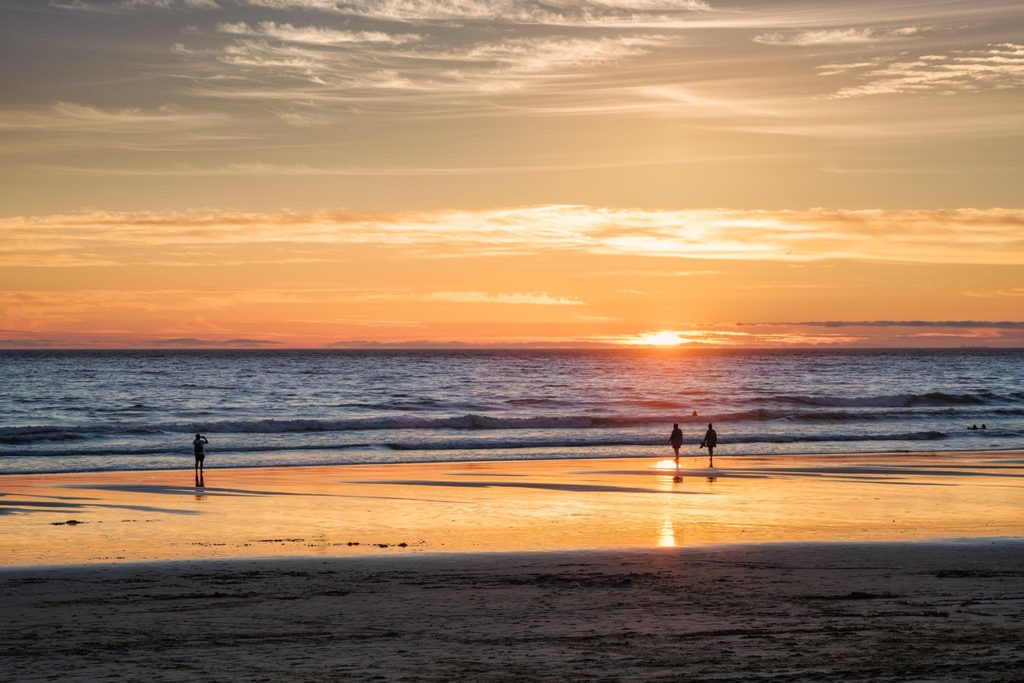
Lisbon Beach Day Trips by Train or Car
You can reach the Lisbon beaches by train even if you don't have a car. It stops at several beaches along the way to Cascais, including Carcavelos, famous for its surfers. The left side of the wagons provides wonderful views of the Lisbon coast.
For Sintra, Arrábida and Comporta, a rental car is the best way to get to the beach. In high season, we recommend starting early. This way, you can avoid the crowds and traffic jams and find parking more easily. If you'd like city days and beach days in one trip, Tailored By Locals can build a trip to Portugal around the coast and pace that suits you.
The following table will give you an idea of how to get to the best beaches close to Lisbon by train or car.
| Beach area | How to get there | Approximate travel time |
| Carcavelos | Train from Cais do Sodré | 25 minutes |
| Cascais town beaches | Train from Cais do Sodré | 40 minutes |
| Guincho | Car, or train to Cascais plus bus | 35 minutes by car |
| Sintra coast | Car, or train to Sintra plus local bus | 35-50 minutes by car |
| Costa da Caparica | Car or bus across the 25 de Abril Bridge | 25-40 minutes |
| Arrábida | Car | 45 minutes |
| Comporta | Car | 1 hour |
Best Beaches in Madeira, Portugal
The coast of Madeira is very different from that of the Algarve as it is a volcanic island, like the rest of Portugal's islands. The island's coves and bays are mostly made up of black sand, pebbles, and lava. Each of the best beaches in Madeira is different from the others.
Seixal has black sand at the bottom of green cliffs. Calheta is a beautiful golden sandy beach with calm and clear turquoise water. The beaches of Porto Moniz turns volcanic rock into swimming pools. The longest natural golden sandy beach in Portugal is on the island of Porto Santo, reachable by ferry.
Porto Santo's Golden Beach
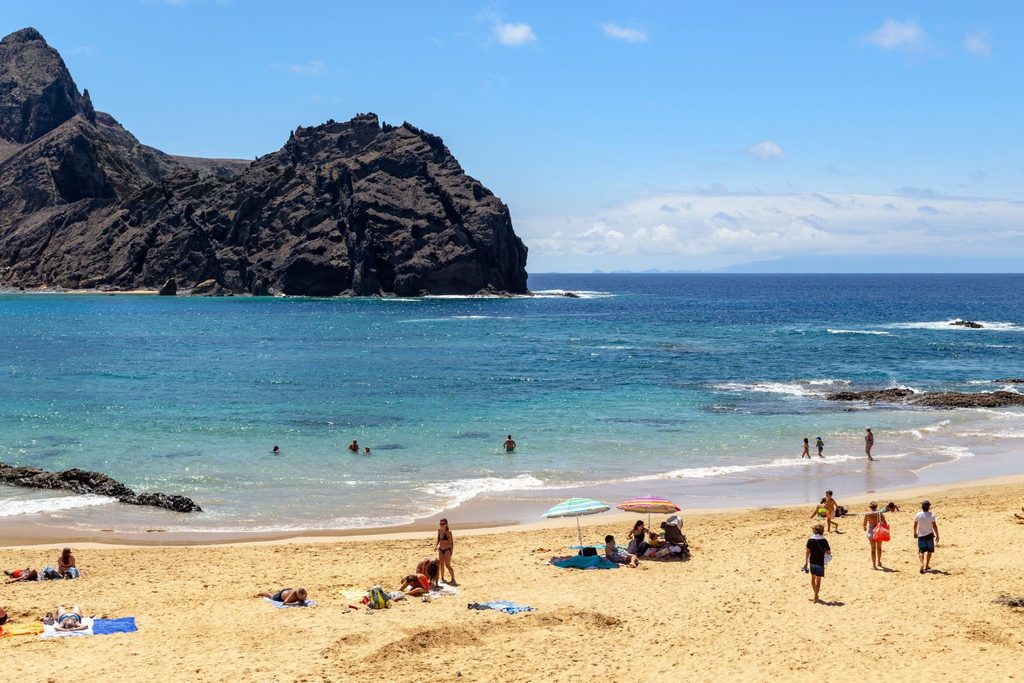
Porto Santo is the smaller island neighbor of Madeira. In terms of beaches, Porto Santo has the golden sand that Madeira lacks. The 9km of soft, naturally golden sand on Porto Santo's southern shore is gently sloping. The calm, turquoise sea is a degree or two warmer than in Madeira.
The ferry to Funchal takes around 2 1/2 hours, but there are also regular flights lasting 15 minutes. Most people visit for a day on the beach, but Porto Santo deserves more than that.
Seixal, Calheta, and the Porto Moniz Pools
Seixal, on the north coast of Madeira, is a dark volcanic sand beach with green cliffs and a wonderful waterfall which runs down to the beach. It can turn very rough very quickly, so do check the sea out before you go. The other way round at Calheta is a 2km stretch of golden sand brought from Morocco, between two sea walls. It is very calm and safe for children to play in, a real family beach with a Blue Flag.
Porto Moniz uses the island's ancient lava basins to create little natural pools of seawater. The Aquário section charges a small fee per person and has lifeguards and changing facilities.
Underrated Beaches on the Alentejo and Silver Coasts
Two coasts that stay quiet even in August.
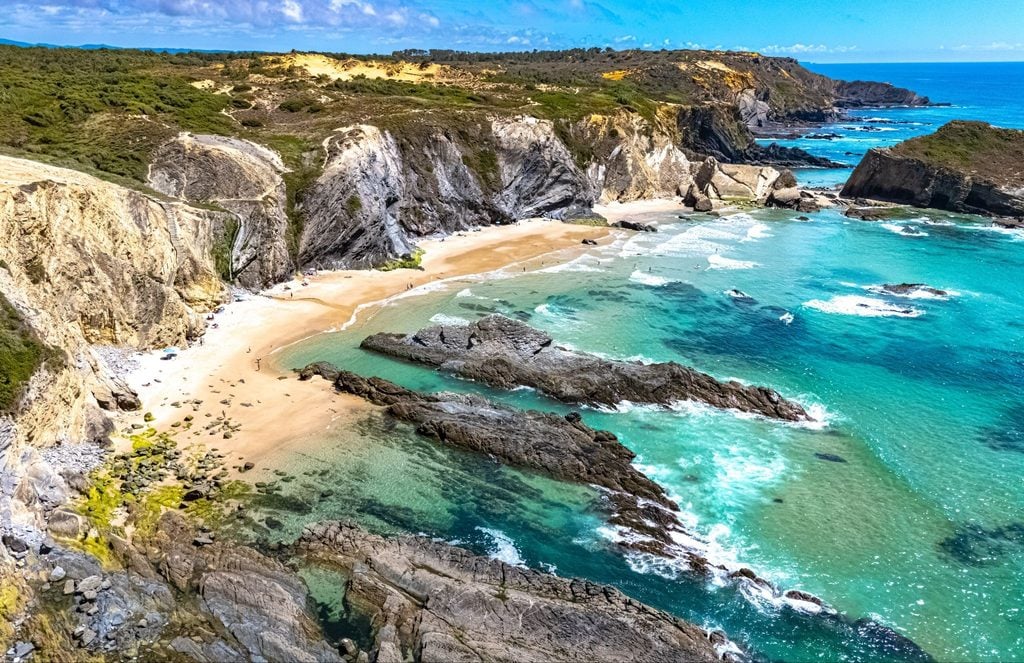
- Praia do Malhão, Alentejo: two kilometres of near-empty sand inside a protected park, a quiet corner of Portugal's nature and wildlife, with dunes and almost no facilities.
- Praia dos Alteirinhos: a rugged cove north of Zambujeira, with rock pools at low tide and no lifeguards.
- Praia de Morgavel: Porto Covo village fills up, this neighbouring strand rarely does.
- Praia das Adegas: a 200-metre rocky cove reached by a twenty-minute trail.
- Foz do Arelho, Silver Coast: the Óbidos Lagoon meets the Atlantic, so you get warm shallow water and open surf side by side.
Best Beaches in Portugal for Families
For family travel in Portugal with small children, calm water and easy access matter more than scenery.
- São Martinho do Porto, Silver Coast: a shell-shaped bay with sheltered water, among the warmest and safest in the country.
- Praia de Carvoeiro, Algarve: step-free access from the village centre, fine sand underfoot, lifeguards from June to September.
- Praia de Alvor: the eastern estuary end stays calm and warm, and a ramp replaces the stairs.
- Praia do Martinhal: shallow and rock-free, best in the morning before the wind picks up.
- Praia da Marinha: rock pools for older kids, though 160 steps rule it out for toddlers.
Best Beaches in Portugal for Swimming
Here are the best beaches in Portugal for swimming. São Martinho do Porto is a beautiful shell-shaped bay with few waves. It is perfect for a relaxing swim. Praia de Alvor has calm and warm water at the estuary end of the beach. Calheta beach in Madeira has two sea walls that enclose a calm lagoon, making it ideal for a relaxing day.
Does Portugal Have Swimmable Beaches?
Portugal has some wonderful beaches with warm and swimmable waters. While the Atlantic is often cool, the water temperature off the west coast of Portugal varies between 16 and 19ºC in summer. However, the warmer waters of the Algarve and Madeira mean that you can enjoy warm swimming all year round. Although there are many beaches across the country with swimmable waters, the best ones are often the sheltered bays, estuaries and lagoons.
How to Read Portuguese Beach Flags and Lifeguard Season
A green flag indicates that it is safe to go into the water. A yellow flag indicates that it is safe to stand in the shallow water but not to swim. A red flag indicates that swimming is prohibited. The Maritime Police can fine you in such cases. A black and white chequered flag indicates that the lifeguard is not on duty and that there is no surveillance of the area. The bathing season on the mainland generally runs from mid-June to mid-September.
Calmest Beaches for a Proper Swim
These are some of the best places to swim for people who want to swim instead of playing in the waves.
- São Martinho do Porto: a near-closed bay, with almost no swell and warm waters
- Praia de Alvor (the estuary end): calm, shallow and warm
- Praia da Calheta, Madeira: A calm lagoon, enclosed by two sea walls
- Foz do Arelho lagoon side: flat water, no waves
- Pools of Porto Moniz, Madeira: swimming in volcanic natural pools
When to Visit Portugal's Beaches
The best time to visit the beaches of Portugal is in June or in September. In line with the best time to visit Portugal overall. It is still warm, but with fewer people around.
The temperature of the sea is usually warmer in September than in June, as it slowly warms up over the summer months. The swimming season in the Algarve usually extends until the end of October. The beaches are very quiet then.
Choosing Your Perfect Portugal Beach Base
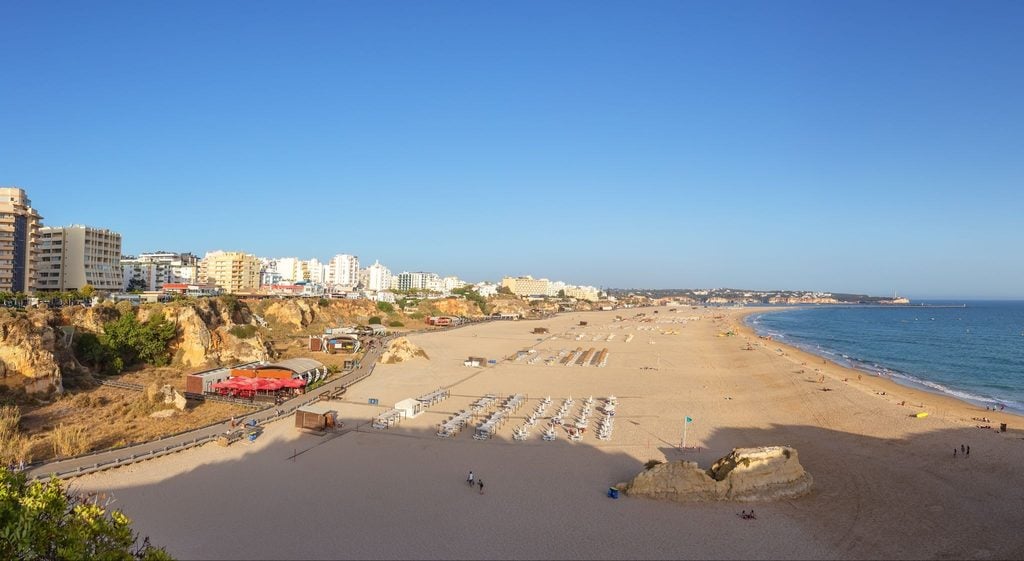
The best beaches in Portugal range from the sheltered coves of the Algarve to the dramatic cliff beaches near Lisbon. For the majority of tourists, the Algarve is the destination of choice. Especially the eastern islands, which boast the warmest waters. For a city break, Cascais and Arrábida are great options. For total relaxation, head to the peaceful island of Porto Santo. September is a great time to visit the beaches as the sea is still warm and there are fewer people around.
Want help choosing the right beach for your trip? With Tailored By Locals, a local expert who knows Portugal's coast designs your itinerary around your dates and travel style. They'll also stay on call while you travel. Request your free, no-obligation proposal today and get a personal plan within 48 hours.