
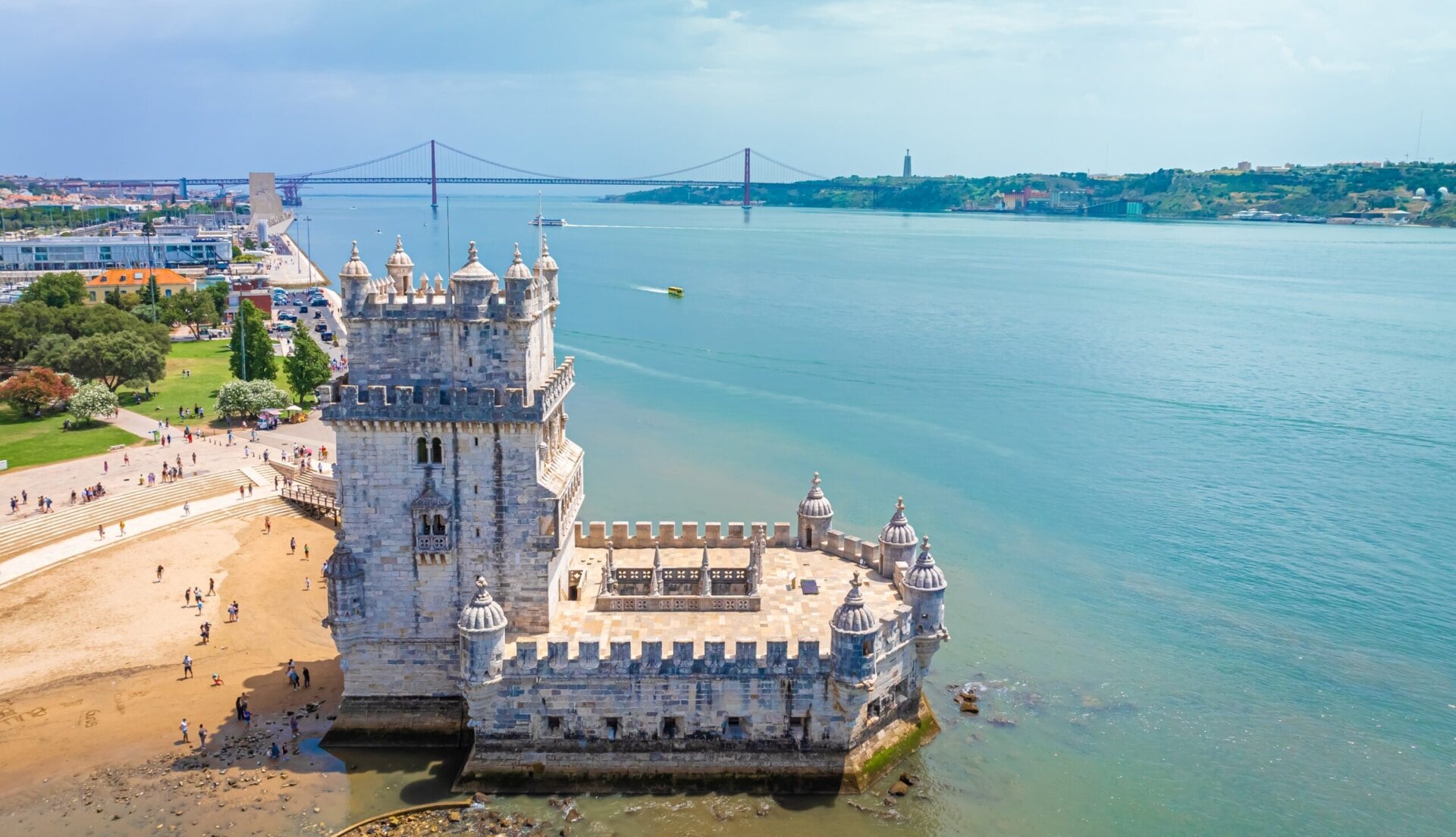
Weather in Portugal: Month-by-Month Guide by Region
Weather in Portugal: Month-by-Month Guide by Region
Plan your Portugal tripThe weather in Portugal is mild and sunny for most of the year, thanks to the Atlantic influencing its Mediterranean climate. Summers, though, are hot and dry in the summer and winters are cool and wet.
The weather in each region varies too. The south is sunnier and gets less rain. The Algarve thus, is warm and bright, but Porto is greener and wetter.
In this guide, we will present the weather in Portugal on a month-by-month and region-by-region basis. We have also included a table detailing average temperatures throughout the country and our pick of the best month to visit.
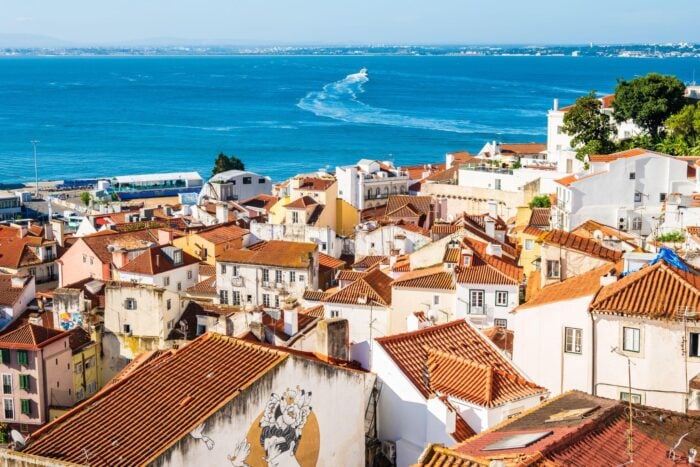
What Is the Weather Like in Portugal?
Portugal has long warm, dry summers and mild, wet winters. Most rainfall occurs between October and April, and the summer months bring long, dry, sunny days.
The weather can change greatly from one place to another. The two main factors are how far north you travel and how close you are to the Atlantic coast.
North vs South
The north is cooler and much wetter than the south. In Porto, for example, there are around 1,147mm of precipitation in a year, over 105 days. In contrast, in Faro, around 455mm of precipitation falls in a year, over 49 days.
Rain is more abundant in the north of the country and helps to irrigate the Minho region and the Douro Valley. The south, particularly the Algarve, enjoys abundant sunshine year-round and much warmer winters.
Coast vs Interior
The influence of the Atlantic positively affects the coast of Portugal. It softens temperatures in summer and keeps them from dropping below freezing at night in winter.
Interior areas have greater seasonal variation. The temperatures are usually very high in summer in the Alentejo, frequently reaching 40°C or above. The temperature reached a record 46.6°C in Mora in June (2025 ). In the northeast, Bragança gets frost on around 53 days per year.
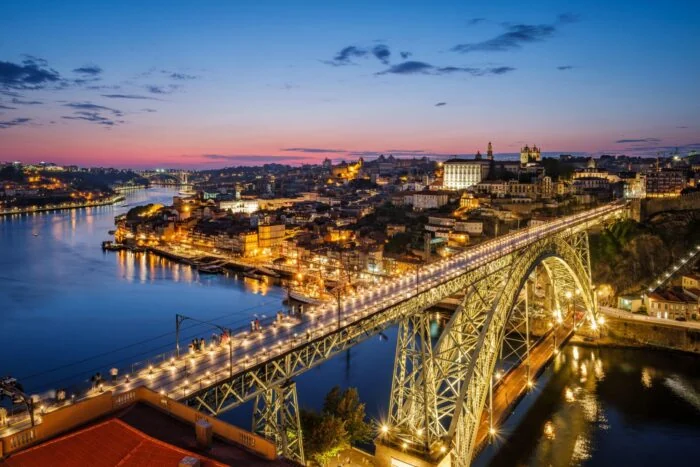
Average Temperature in Portugal by Month
January is the coolest month in Portugal, and July and August are the warmest. On the coast, average highs rise from about 15°C (59°F) in winter to 28 or 29°C (82 to 84°F) in summer.
The interior has a much wider range. Évora averages highs of 34°C (93°F) in August, while Porto's August highs average just 25°C (77°F).
| Month | Lisbon | Porto | Faro | Évora | Sea (Lisbon / Faro) |
| January | 15 / 9 | 14 / 6 | 16 / 8 | 14 / 5 | 16 / 16 |
| February | 16 / 9 | 15 / 6 | 17 / 9 | 16 / 5 | 15 / 16 |
| March | 19 / 11 | 17 / 8 | 19 / 11 | 19 / 7 | 15 / 16 |
| April | 20 / 12 | 18 / 9 | 21 / 12 | 21 / 8 | 16 / 17 |
| May | 23 / 14 | 20 / 12 | 23 / 15 | 25 / 11 | 17 / 18 |
| June | 26 / 17 | 23 / 14 | 27 / 18 | 30 / 14 | 19 / 20 |
| July | 28 / 18 | 24 / 15 | 29 / 20 | 33 / 16 | 20 / 21 |
| August | 28 / 19 | 25 / 15 | 29 / 20 | 34 / 16 | 20 / 22 |
| September | 26 / 18 | 24 / 14 | 26 / 18 | 30 / 15 | 20 / 21 |
| October | 23 / 15 | 21 / 12 | 23 / 16 | 24 / 12 | 20 / 20 |
| November | 18 / 12 | 17 / 9 | 20 / 12 | 18 / 8 | 18 / 19 |
| December | 15 / 10 | 15 / 7 | 17 / 10 | 15 / 5 | 17 / 17 |
Average daily highs and lows in °C, based on IPMA's 1991–2020 climate data. Sea temperatures are monthly averages in °C.
Portugal Weather in Spring (March to May)
The weather in Portugal is mild and getting sunnier every week. The average temperature is about 17-19°C (63-66°F) in March and starts to rise to 23°C (73°F) by May's end.
The amount of rain decreases during the season and in the southern parts of Portugal. It's perfect walking weather with long days and few tourists. You can enjoy the best things to do in Portugal more comfortably than in the summer months.
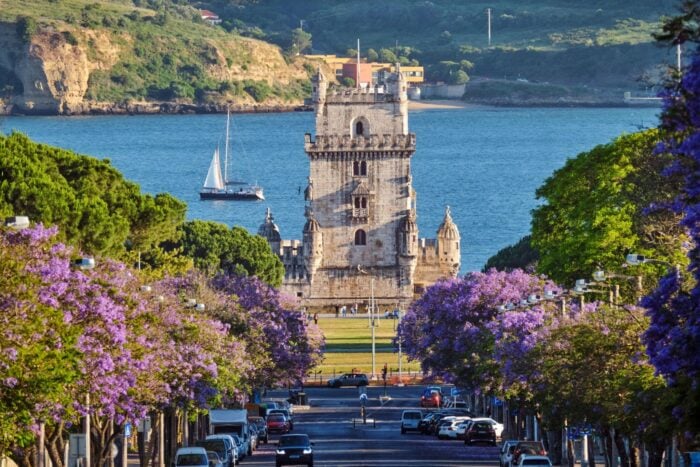
Weather in Portugal in March
March weather in Portugal brings the first signs of spring. Lisbon and the Southern tip of Portugal reach highs of 19°C (66°F) on average. Porto and the North reach highs of 17°C (63°F).
In April, even though the north still gets the odd rainfall, it’s often warm enough to wear short sleeves by the afternoon. Fields of wildflowers in the Alentejo region of inland Portugal create a beautiful landscape, perfect for a drive through the countryside.
Weather in Portugal in April
Temperatures in Portugal in April start to get quite warm for the time of year. Average high temperatures for Lisbon and the Algarve in April are 20 to 21ºC, and for Porto 17 to 19ºC.
April still sees rain for 11 days in Porto, but it is easy to stroll around in a T-shirt in the afternoons. Temperature reaches 20 to 21ºC in Lisbon and the Algarve. A light jacket is recommended for the earlier part of the day. Easter falls in April and is a time of much celebration, especially in the processions in Braga, a highlight of cultural and historical Portugal.
Weather in Portugal in May
The weather in Portugal in May brings coastal temperatures up to 23 °C (73°F). Inland temperatures can reach as high as 25 °C (77°F) in places like Évora.
The sea warms up throughout the season but is still cool, averaging around 17/18°C (63/64°F). It is better for sunbathing rather than swimming. By the end of May, the jacaranda trees begin to bloom and paint the streets of Lisbon a deep purple.
Portugal Weather in Summer (June to August)
Summer in Portugal is hot and dry. On the coast, it can get up to 26/29°C (79°F/84°F), whereas interior regions can even reach 33°C (91°F) or more.
There is almost no rain, except in the far north of Portugal. The Atlantic climate dominates the coast. It keeps temperatures down during the day, while dropping appreciably at night to create cool evenings.
Weather in Portugal in June
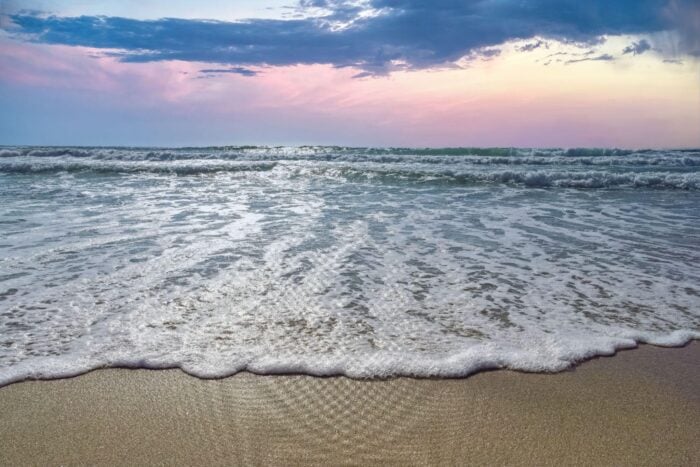
June is warm without the peak heat of later summer. Average highs reach 26°C (79°F) in Lisbon and 27°C (81°F) in Faro, with around 15 hours of daylight.
The Santos Populares festivals fill Lisbon and Porto with music and grilled sardines. On the west coast, the afternoon Nortada wind starts to pick up.
Weather in Portugal in July
July is the driest month of the year. Lisbon averages just 3 mm of rain, and the Algarve gets almost none.
Coastal highs stay around 28 to 29°C (82 to 84°F), but Évora and the Alentejo average 33°C (91°F). Plan inland sightseeing for the morning, and save the afternoons for the pool or the beach.
Portugal Weather in August
August is the hottest month, with average highs around 29°C (84°F) in Faro and 34°C (93°F) in Évora. Heatwaves can push inland areas above 40°C (104°F).
Porto is the most comfortable big city, with highs near 25°C (77°F). The Algarve sea also reaches its warmest, at about 22°C (72°F).
Portugal Weather in Autumn (September to November)
The early part of autumn is usually warm at first but rapidly turns wetter towards late November. In September it can actually feel like the end of the summer. Along the coast, temperatures can reach 26°C (79°F) or more.
In October, the first signs of rain are visible in the north of the country. In the south, it remains mild well into November. Temperatures in Faro reach up to 20°C (68°F).
Weather in Portugal in September
September weather in Portugal keeps the summer warmth, but the crowds start to thin. Average highs reach 26°C (79°F) in Lisbon and Faro, and rain stays rare until the last week or two.
The sea is at or near its warmest this month, at around 20 to 21°C (68 to 70°F). It's ideal for beach days with more space.
Weather in Portugal in October
Portugal’s October weather brings comfortable days and the first autumn rain. Average highs are 23°C (73°F) in Lisbon and Faro and 21°C (70°F) in Porto.
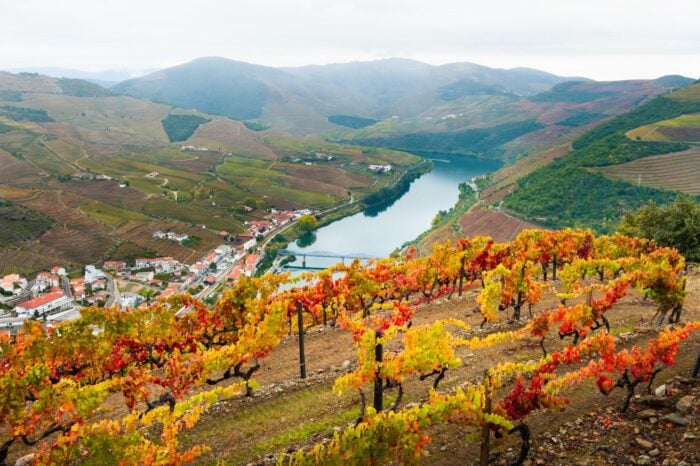
Rain picks up from mid-month, especially in the north. In early October, the Douro Valley finishes its grape harvest, and the vineyards start turning gold and red.
Weather in Portugal in November
November is the wettest month in much of Portugal, with about 134 mm of rain in Lisbon. Highs still reach 18°C (64°F) there and 20°C (68°F) in Faro.
Around November 11, the São Martinho season often brings a few warm, dry days. Locals celebrate with roasted chestnuts and new wine. If you'd like to plan around the seasons, Tailored By Locals can build a trip to Portugal that matches the weather to the regions you want to see.
Portugal Weather in Winter (December to February)
In winter, the temperature is mild on the coast and cold in inland areas. In the coastal towns of Lisbon and Faro, the average high temperature is 15/17°C (59/63°F), and frost is rare.
The north tends to get the most rain. In the Algarve, it is bright and sunny between rainfalls. If you want real warmth, then consider Madeira in January, when temperatures reach a balmy 20°C (68°F).
Weather in Portugal in December
December is mild and festive across most of the country. Average highs are 15°C (59°F) in Lisbon and Porto and 17°C (63°F) in Faro.
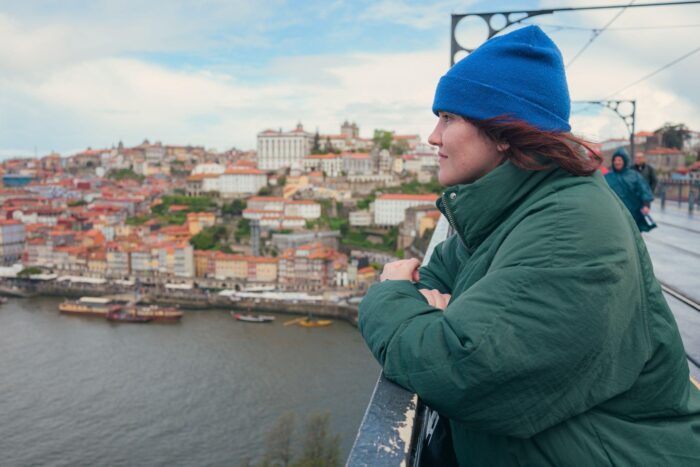
It's Porto's wettest month, so pack an umbrella for walks along the river. Christmas lights and markets brighten the evenings in Lisbon and in the walled town of Óbidos.
Weather in Portugal in January
January is the coolest month in Portugal. Highs average 14 to 16°C (57 to 61°F) on the coast, and nights drop to 6 to 9°C (43 to 48°F).
Inland, it gets much colder. Serra da Estrela often has snow, and Bragança averages lows near freezing. Meanwhile, the Algarve enjoys plenty of crisp, sunny days.
Weather in Portugal in February
February brings longer days and a first hint of spring. Average highs reach about 16°C (61°F) in Lisbon and 17°C (63°F) in Faro.
In the Algarve, almond trees cover the hills in white and pink blossoms, an early treat for anyone drawn to Portugal's nature and wildlife. Carnival falls in February or early March, with colorful parades in towns like Loulé and Torres Vedras.
Weather in Portugal by Region
Portugal is small, but its climate is very regional and can change greatly within a short distance. In fact, you can drive for two hours and be in a completely different climate.
In general, the summers are drier and hotter the further south and inland you travel. Below is a region-by-region breakdown of the weather in Portugal, including the islands of Madeira and the Azores.
Porto and the North
The north of Portugal is the greenest region and also the rainiest. Braga receives 1,387mm of rainfall during the year, and the Minho valleys even more.
While Porto stays relatively mild in summer, the Douro Valley is a whole different story. The valley is enclosed by hills, and in no time it can heat up. In July and August, Vila Real has an average temperature of 29°C (84°F).
Central Portugal and Serra da Estrela
Central Portugal stretches from Coimbra to the Silver Coast and includes the highest mountain in Portugal, Serra da Estrela. The weather here is generally fresher than in the south. It can be wetter than in the north, with cooler nights than in the south.
The Silver Coast in summer is cool and averages 21°C in Peniche in August. In the mountains of Serra da Estrela, the highest point in Portugal at 1,993m, it can be cold in winter, with occasional snow from December to March.
Lisbon, Sintra and Cascais
Lisbon enjoys a high number of sunny days per year, with over 2,800 hours on average. The temperatures in the Portuguese capital are also quite high in summer. In August, temperatures in the city can reach up to 28°C (82°F) on average.
The coast, a few miles to the west of the capital, has a milder climate. Summer highs reach 23/25°C (73/77°F) in the weeks of July and August. In Sintra, a cool, misty climate can often be experienced throughout the summer. Take a light layer of clothing on day trips.
The Alentejo
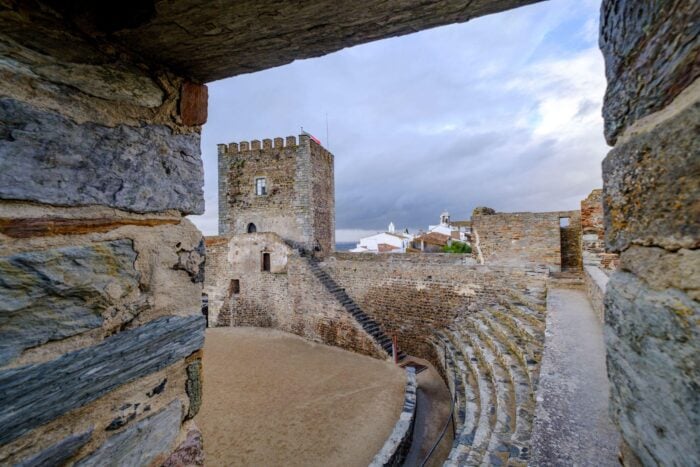
The Alentejo region is the hottest part of Portugal in summer. Average high temperatures in Évora and Beja in August are about 33°C (91°F). For about 90 days of the year, they exceed 30°C (86°F).
In general, it is dry and cool, with a few frosty winters. The best times to visit are in spring and autumn, when the cork oak plains and hilltop towns are comfortable to explore.
The Algarve
The Algarve region has the driest and sunniest climate in mainland Portugal. The average high temperature in Faro in January is 16°C (61°F) and in July 29°C (84°F).
Severe heat is rare in the Algarve, with only about three days per year exceeding 35°C (95°F). The eastern Algarve has the calmest and warmest sea, whereas the west around Sagres is windier and a few degrees cooler.
Madeira
Madeira enjoys wonderful spring-like weather throughout the whole year. Average high temperatures in Funchal are 20°C (68°F) in January and 27°C (81°F) in August. The lowest temperature recorded in the last 30 years was 8.5°C (47°F).
Most of the Madeira rain falls between October and February. The north coast and the hills are generally cooler and cloudier than the south, so it’s a good idea to take a jacket with you on levada walks, one of the classic Portugal adventure travel experiences.
The Azores
The mild Azores climate can change in the space of an hour or so. The average high temperature in Ponta Delgada for January is 17°C (63°F). For August, it is 26°C (79°F). It never exceeds 30°C (86°F).
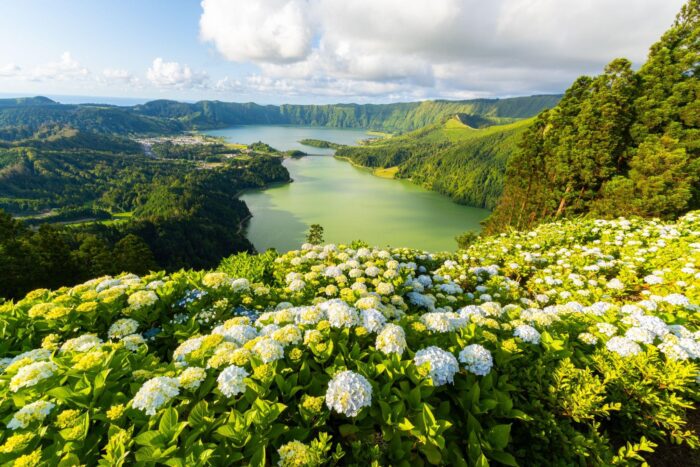
Some 122 days of the year experience rain in the Azores, but there are periods of sunshine interspersed with cloud and showers. Summer is the driest time of year and heralds the hydrangea season.
Local Weather Patterns Most Guides Miss
While average temperature gives you an idea of the weather in Portugal, a few local factors need to be taken into account to fully appreciate it. Why is Lisbon so hot but at the same time so breezy? And why does the sea stay so fresh in August?
These local weather patterns can affect the choice of a beach or the best time to go out during the day. These are the issues that locals often discuss.
The Nortada, Portugal's Summer Wind
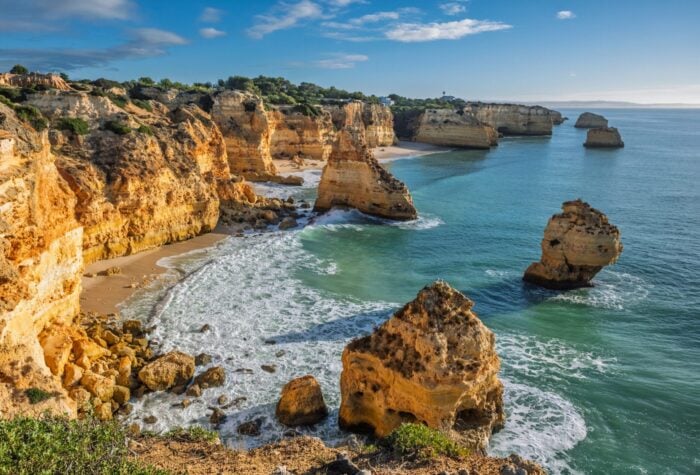
Nortada (North Wind) is a strong north wind that affects the west coast of Portugal from June to September. It generally increases in strength during the day to reach 20-30 knots by late afternoon. The wind falls back at night.
It brings a cool touch to the summer days along the coast, and it is well known by the kitesurfers that frequent Guincho Beach near Cascais. The Algarve, on the other hand, is protected from the Nortada by Cabo São Vicente and generally sees little of this wind.
Why the Sea Stays Cool in Summer
The Nortada also explains why the sea off the west coast remains cool in summer. As it drives warm surface water away from the coast, cold water wells up from below to take its place.
The temperature of the sea near Lisbon averages about 20°C (68°F) in August, whereas in Porto it is around 19°C (66°F). If you want to have warmer water for swimming, then head to the south-facing coast of the Algarve, where the water temperature in August is about 22°C (72°F).
Heatwaves and Weather Warnings
Summer heatwaves are happening more often in Portugal. The mainland experienced 6 heatwaves in 2025. The heatwave is defined by IPMA as having at least 6 days in a row with highs 5°C (9°F) or more above normal.
IPMA issues yellow, orange, or red weather warnings for heat during the hot spells. Check the weather forecast before venturing inland during the day. It’s best to go out during the morning and in the evening.
Winter Swells and Big Waves
From October to March, powerful Atlantic storms bring big waves to Portugal’s west coast. Nazaré’s Praia do Norte is the most famous spot. An underwater canyon there creates waves over 20m/65ft high.
Watching the big-wave surfers from the lighthouse of Nazaré is probably one of the winter highlights. The rest of the west coast is battered by the Atlantic, with beaches being closed at times. Meanwhile, on the Algarve’s southern beaches, the sea is calm.
What's the Best Month to Go to Portugal?
May, June and September are the best months to go to Portugal for most travelers. They bring warm, sunny days, comfortable evenings and fewer crowds than July and August. In September, the sea is also near its warmest.
The best time to visit Portugal still depends on your plans. Use the table below to match the season to your trip.
| Goal | Best months | Why |
| Beach holidays | June to September | Algarve sea at 20 to 22°C (68 to 72°F) |
| City breaks in Lisbon and Porto | April to June, September to October | Mild days for walking |
| Hiking | March to May, October | Green trails and cooler air |
| Douro wine harvest | September to early October | Grape picking and harvest events |
| Watching big waves | October to March | Peak swell season in Nazaré |
| The Azores | June to September | Driest and calmest weather |
| Madeira | All year | Mild temperatures in every season |
| Quiet trips | November to February | Sunny Algarve days with few crowds |
Best Time for Families, Couples and Seniors
Families can get the most out of their holiday in late June and early September when the schools are on holiday, the sweet spot for family travel in Portugal. Children love to play in the water of the warm Algarve beaches.
Couples should expect warm evenings in late May and June, and in September too. They can escape to Madeira in the winter.
April, May and October are ideal months for seniors as they allow for pleasant walks around the places of interest.
Plan Your Trip Around Portugal's Weather
The weather in Portugal is mild for most of the year, so there's a good season for almost every kind of trip. Spring and autumn are ideal for sightseeing, while summer is the best time for beaches.
The key is matching your route to the season. A trip from Porto to the Algarve feels very different in April than it does in August.
A local expert can build that plan for you. Share your dates and interests with Tailored By Locals, and a Portugal specialist will send you a free, no-obligation itinerary within 48 hours. Click Design my trip to get started.